Deutsch-Chinesische Enzyklopädie, 德汉百科

       
German — Chinese
Catalog Art

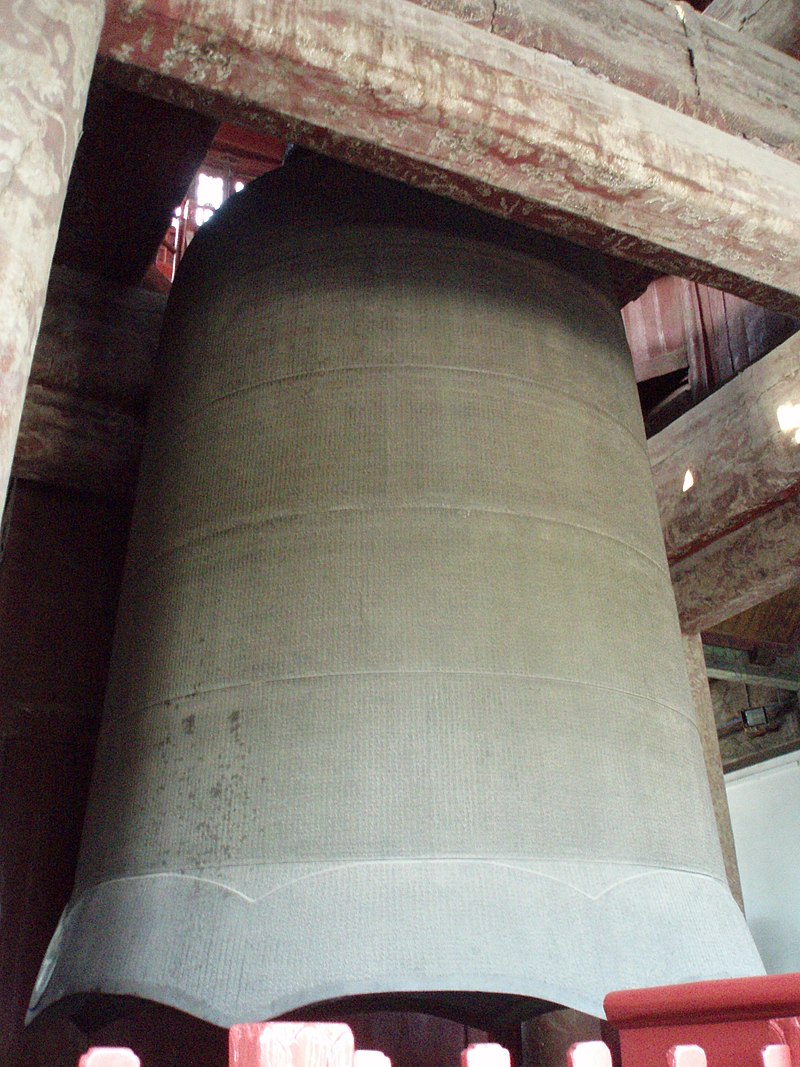
永樂大鐘 永乐大钟
永乐大钟,又称华严钟,于明朝永乐二十二年(1424)铸制,所以叫“永乐大钟”。永乐大钟,中国现存最大的青铜钟。铸造于明永乐年间,万历三十五年(1607年),大钟被移到万寿寺。清雍正十一年(1733)移置觉生寺(今称大钟寺)。铜钟通高6.75米,钟壁厚度不等,最厚处185毫米,最薄处94毫米,重约46吨。钟体内外遍铸经文,共22.7万字。铜钟合金成分为:铜80.54%、锡16.40%、铅1.12%,为泥范铸造。 永乐大钟钟声悠扬悦耳,经专家测试,其声音振动频率与音乐上的标准频率相同或相似,轻击时,圆润深沉;重击时,浑厚洪亮,音波起伏,节奏明快优雅。声音最远可传90里,尾音长达2分钟以上,令人称奇叫绝。每年新年来临之际,永乐大钟就会敲响。这口大钟已敲击了五百多年,仍完好无损。
This image, video or audio may be copyrighted. It is used for educational purposes only. If you find it, please notify us byand we will remove it immediately.
大玉龙
This image, video or audio may be copyrighted. It is used for educational purposes only. If you find it, please notify us byand we will remove it immediately.
建造巴比伦塔
/assets/contentimages/Grosser_Turmbau_zu_Babel.jpg
This image, video or audio may be copyrighted. It is used for educational purposes only. If you find it, please notify us byand we will remove it immediately.
大鱼
http://www.net4info.de/photos/cpg/albums/userpics/10002/Grosses_Fisch.jpg
This image, video or audio may be copyrighted. It is used for educational purposes only. If you find it, please notify us byand we will remove it immediately.
顾恺之
顾恺之(348年-409年),字长康,小字虎头,汉族,晋陵无锡(今江苏省无锡市)人。东晋杰出画家、绘画理论家、诗人。 顾恺之博学多才,擅诗赋、书法,尤善绘画。精于人像、佛像、禽兽、山水等,世人称之为三绝:画绝、才绝和痴绝。谢安深重之,以为苍生以来未之有。顾恺之与曹不兴、陆探微、张僧繇合称“六朝四大家”。顾恺之作画,意在传神,其“迁想妙得” 、“以形写神”等论点,为中国传统绘画的发展奠定了基础。

/assets/contentimages/normal_Gu20Kai20Zhi20.jpg


Gu Kaizhi (chinesisch 顧愷之 / 顾恺之, Pinyin Gù Kǎizhī; * 344; † 405) war ein chinesischer Maler, dessen Bildrolle "Ermahnung der Hofdamen" das älteste Gemälde mit einer Signatur ist. Historischen Aufzeichnungen zufolge wurde er in Wuxi (Provinz Jiangsu) geboren und hat das erste Mal in Nanjing im Jahr 364 gemalt.

Im Jahre 366 wurde Gu Kaizhi Offizier (Da Sima Canjun). Später wurde er zum königlichen Offizier befördert (Sanji Changshi).

Er war ebenfalls talentierter Dichter und Kalligraph. Er schrieb drei Bücher über die Kunst der Malerei:

  • "Über die Malerei"
  • "Eine Einführung zu den berühmten Bildwerken der Wei und Jin Dynastien"
  • und "Artikel über die Darstellungen des Bergs Yuntai".

Gu Kaizhi schrieb: In der Figurenmalerei sind Kleidung und Erscheinung nicht besonders wichtig. Die Augen sind die Seele und der entscheidende Faktor.



This image, video or audio may be copyrighted. It is used for educational purposes only. If you find it, please notify us byand we will remove it immediately.
观世音菩萨/Avalokiteshvara
http://www.net4info.de/photos/cpg/albums/userpics/10002/Guan20Shi20Yin20Xiang20.jpg
This image, video or audio may be copyrighted. It is used for educational purposes only. If you find it, please notify us byand we will remove it immediately.
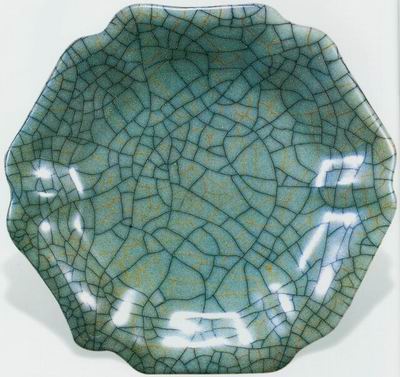
官窑/Guanyao
官窑,是南宋宋高宗时期一些窑口专为宫廷烧制的瓷器,供御捡退,在当时俗称“官窑”。官窑,毛公洞第一(今江苏扬州一带)。南宋官窑瓷器沿袭北宋风格,规整对称,宫廷气势,高雅大气,一丝不苟。因为胎土含铁量极高,手感沉重,胎土呈深黑褐色,后称“紫口铁足”。釉面沉重幽亮,釉厚如堆脂,温润如玉。釉面多层反复细刮,釉光下沉而不刺眼,纹理布局规则有致,造型庄重大方。另外“肉腐留骨”(露胎处像死人骨头,俗称”骨董“)也是那时所造。我们今天所称官窑泛指历朝官府烧造瓷器,其实,历史上仅指南宋时期烧造的瓷器,后世再无此称呼。
 
/assets/contentimages/Guan20Yao20.jpg
 

Guan ware or Kuan ware (Chinese: 官窯; pinyin: guān yáo; Wade–Giles: kuan-yao) is one of the Five Famous Kilns of Song Dynasty China, making high-status stonewares, whose surface decoration relied heavily on crackled glaze, randomly crazed by a network of crack lines in the glaze.

Guan means "official" in Chinese and Guan ware was, most unusually for Chinese ceramics of the period, the result of an imperial initiative resulting from the loss of access to northern kilns such as those making Ru ware and Jun ware after the invasion of the north and the flight of a Song prince to establish the Southern Song at a new capital at Hangzhou, Zhejiang province. It is usually assumed that potters from the northern imperial kilns followed the court south to man the new kilns.[1]

In some Asian sources "Guan ware" may be used in the literally translated sense to cover any "official" wares ordered by the Imperial court.[2]

官窑广义是指朝廷开设的窑场,狭义是北宋大观政和年间,官府在汴京(今河南开封)开设的瓷窑场。官窑是中国古时五大瓷窑(汝窑官窑哥窑钧窑定窑)之一。后世广意上官窑意指由中国历代政府营建,为其烧造瓷器的窑场,所生产的陶瓷供宫廷所用。因此除了有名的宋代官窑之外,亦有辽代官窑明代官窑等。官窑产品必须符合皇家的审美观,客观上就限制了陶瓷工匠的艺术发展,清乾隆之后,官窑产品也就逐渐没落了。 

 
This image, video or audio may be copyrighted. It is used for educational purposes only. If you find it, please notify us byand we will remove it immediately.
格尔尼卡
Guernica ist ein etwa 3,50 m × 7,80 m großes Gemälde (Öl auf Leinwand) von Pablo Picasso. Es entstand 1937 als Reaktion auf die Zerstörung der spanischen Stadt Guernica (baskisch Gernika) durch den Luftangriff der deutschen Legion Condor und der italienischen Corpo Truppe Volontarie, die während des Spanischen Bürgerkrieges auf Seiten Francisco Francos kämpften. Das Bild gehört zusammen mit Les Demoiselles d’Avignon zu den bekanntesten Gemälden Pablo Picassos.
/assets/contentimages/Guernica.jpg

Guernica ist ein etwa 3,50 m × 7,80 m großes Gemälde (Öl auf Leinwand) von Pablo Picasso. Es entstand 1937 als Reaktion auf die Zerstörung der spanischen Stadt Guernica (baskisch Gernika) durch den Luftangriff der deutschen Legion Condor und der italienischen Corpo Truppe Volontarie, die während des Spanischen Bürgerkrieges auf Seiten Francisco Francos kämpften. Das Bild gehört zusammen mit Les Demoiselles d’Avignon zu den bekanntesten Gemälden Pablo Picassos.

Am 12. Juli 1937 wurde es zum ersten Mal auf der Weltausstellung in Paris vorgestellt.[1] Heute befindet es sich zusammen mit einer umfangreichen Sammlung von Skizzen im Museo Reina Sofía in Madrid.

This image, video or audio may be copyrighted. It is used for educational purposes only. If you find it, please notify us byand we will remove it immediately.
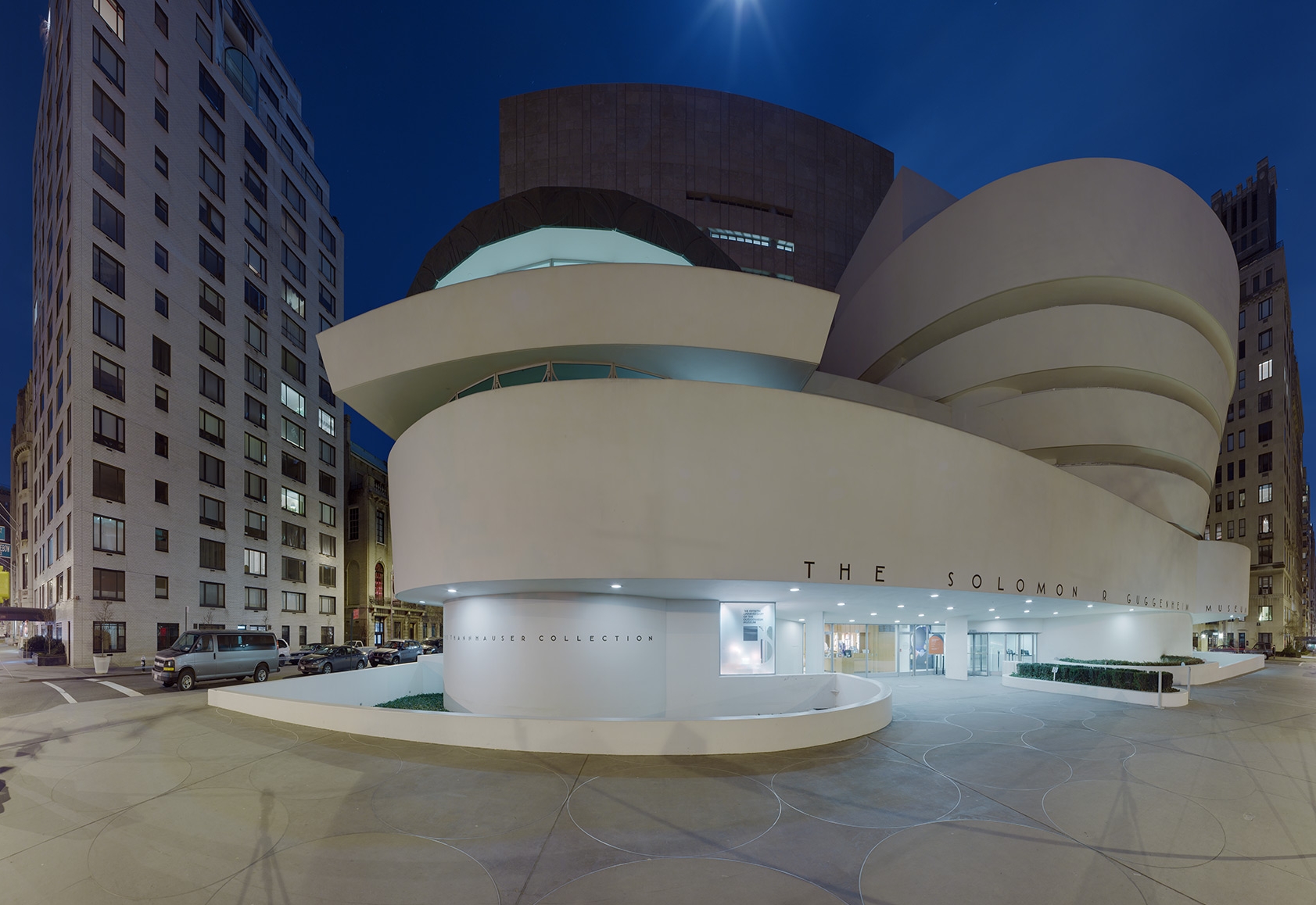
纽约古根海姆博物馆
/assets/contentimages/Guggenheim_Museum_new_york.jpg
This image, video or audio may be copyrighted. It is used for educational purposes only. If you find it, please notify us byand we will remove it immediately.
毕尔巴鄂古根海姆美术馆
/assets/contentimages/Guggenheim-Museum_Bilbao.jpg
毕尔巴鄂古根海姆美术馆(Museo Guggenheim Bilbao)是一个专门展出现当代艺术作品的美术馆,位于西班牙毕尔巴鄂。它在1997年古根海姆基金会创建,是位于全世界数间古根海姆美术馆之一。它的主建筑由法兰克·盖瑞设计,是解构主义建筑的代表作。
This image, video or audio may be copyrighted. It is used for educational purposes only. If you find it, please notify us byand we will remove it immediately.
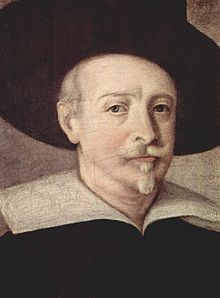
圭多·雷尼 (* 4. November 1575 in Calvenzano; † 18. August 1642 in Bologna)
http://www.net4info.de/photos/cpg/albums/userpics/10002/Guido_Reni.jpg
This image, video or audio may be copyrighted. It is used for educational purposes only. If you find it, please notify us byand we will remove it immediately.