Deutsch-Chinesische Enzyklopädie, 德汉百科
 Brazil
 Motorsport
Azerbaijan
Australia
Bahrain
Belgium
Brazil
China
Germany
Motorsport
Azerbaijan
Australia
Bahrain
Belgium
Brazil
China
Germany
 Emilia-Romagna
England
Emilia-Romagna
England
 Florida-FL
Formel-1-Weltmeisterschaft 2017
Formel-1-Weltmeisterschaft 2018
Florida-FL
Formel-1-Weltmeisterschaft 2017
Formel-1-Weltmeisterschaft 2018
 Formula 1 World Championship 2025
France
India
Italy
Japan
Canada
Katar
Kinki
Formula 1 World Championship 2025
France
India
Italy
Japan
Canada
Katar
Kinki
 Lombardia
Mexico
Monaco
Lombardia
Mexico
Monaco
 Nevada-NV
Austria
Nevada-NV
Austria
 Quebec-QC
Russia
São Paulo
Saudi Arabia
Switzerland
Shanghai Shi-SH
Singapore
Spain
Quebec-QC
Russia
São Paulo
Saudi Arabia
Switzerland
Shanghai Shi-SH
Singapore
Spain
 Sport
Sport
 Styria
 Texas-TX
Hungary
United Arab Emirates
United States
United Kingdom
Texas-TX
Hungary
United Arab Emirates
United States
United Kingdom
 Victoria-VIC

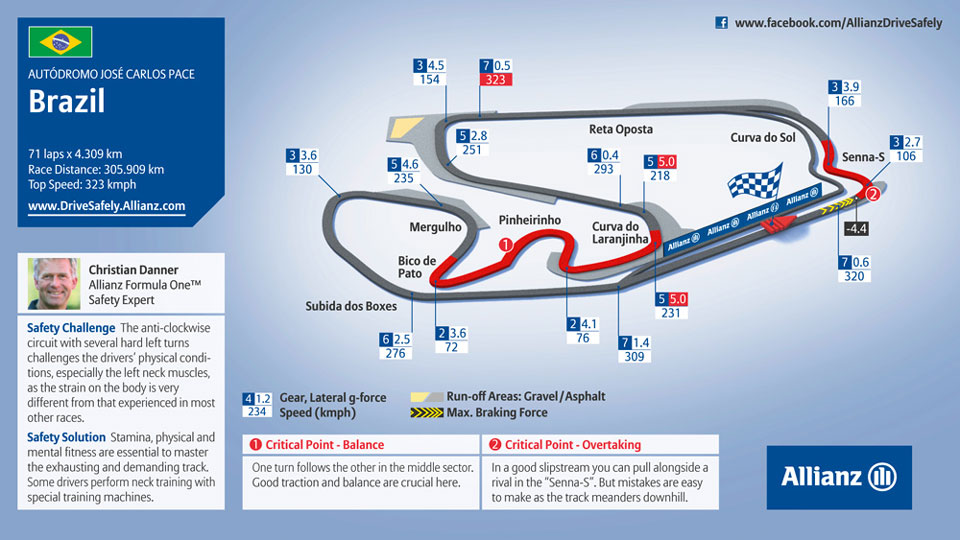
一级方程式赛车(英语:Formula One,也叫Formula 1或者F1)是由国际汽车联盟举办的最高等级的年度系列场地方程式赛车比赛,正式名称为“国际汽车联合会世界一级方程式锦标赛”。名称中“方程式”是指一组所有参赛车辆都必须遵守的规则[1]。F1赛季包括一系列的比赛,而这些所谓的“大奖赛”(Grand Prix,出自法语,本意Great Prizes)的场地是全封闭的专门赛道或者是临时封闭的普通公路。每场比赛的结果算入积分系统并以此确定两个年度世界冠军:一个给车手和另一个给制造商。F1的车手、制造商、组织者以及赛道都必须持有FIA超级驾驶执照,这是国际汽联颁发的最高级别执照。
一级方程式赛车通过产生大量的空气动力学下压力达到非常高的过弯速度,是风靡全球的赛车运动。发动机性能限制在每分钟最多15000转时,其比赛最高速度就可以超过360公里/小时。赛车过弯的横向加速度超过5个标准重力。F1赛车的性能非常依赖电子系统(牵引力控制系统和其他辅助驾驶装置自2008年已被禁止)、空气动力学、悬挂和轮胎。
Die Formel 1 ist eine vom Automobil-Dachverband Fédération Internationale de l’Automobile (FIA) festgelegte Formelserie. Hersteller konstruieren Autos, die den Formel-1-Regeln entsprechen. Diese Autos treten im Rahmen der Formel-1-Weltmeisterschaft zu Rennen in ungefähr 20 Orten pro Jahr an. Am Ende der Saison wird der Fahrer mit den meisten Punkten F1 Fahrerweltmeister und der Hersteller mit den meisten Punkten Konstrukteursweltmeister.
Die Formel 1 ist die höchstrangige von der FIA veranstaltete Rennserie des Formelsports. Sie wird als Königsklasse des Automobilsports bezeichnet, da sie den Anspruch erhebt, die höchsten technischen, fahrerischen, aber auch finanziellen Anforderungen aller Rennserien an Fahrer und Konstrukteure zu stellen. Sie wird auch kurz F1 genannt. Die F1 Weltmeisterschaft heißt offiziell FIA Formula One World Championship, bis 1980 hat sie Automobil-Weltmeisterschaft geheissen.
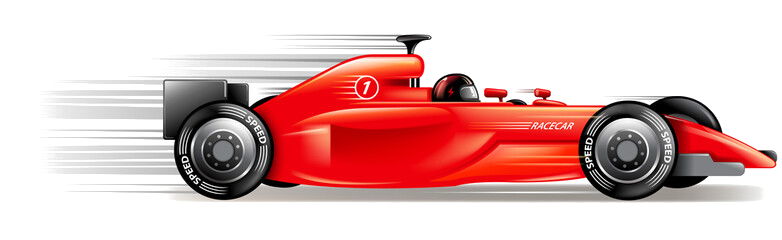
Formula One (also Formula 1 or F1) is the highest class of single-seater auto racing sanctioned by the Fédération Internationale de l'Automobile (FIA) and owned by the Formula One Group. The FIA Formula One World Championship has been one of the premier forms of racing around the world since its inaugural season in 1950. The "formula" in the name refers to the set of rules to which all participants' cars must conform.[2] A Formula One season consists of a series of races, known as Grands Prix (French for "grand prizes" or "great prizes"), which are held worldwide on purpose-built circuits and public roads.
The results of each race are evaluated using a points system to determine two annual World Championships: one for drivers, the other for constructors. Drivers must hold valid Super Licences, the highest class of racing licence issued by the FIA.[3] The races are required to be held on tracks graded "1" (formerly "A"), the highest grade rating issued by the FIA.[3] Most events are held in rural locations on purpose-built tracks, but there are several events in city centres throughout the world, with the Monaco Grand Prix being the most well-known.
Formula One cars are the fastest regulated road course racing cars in the world, owing to very high cornering speeds achieved through the generation of large amounts of aerodynamic downforce. The cars underwent major changes in 2017,[4] allowing wider front and rear wings, and wider tyres, resulting in cornering forces closing in on 8g and top speeds of up to approximately 375 km/h (230 mph).[5] The hybrid engines are currently limited in performance to a maximum of 15,000 rpm and the cars are very dependent on electronics—although traction control and other driving aids have been banned since 2008—and also on aerodynamics, suspension, and tyres.
While Europe is the sport's traditional base, the championship is truly global, with 11 of the 21 races in the 2018 season taking place outside Europe. With the annual cost of running a mid-tier team—designing, building, and maintaining cars, pay, transport—being US$120 million,[6] Formula One has a significant economic and job-creation effect, and its financial and political battles are widely reported. Its high profile and popularity have created a major merchandising environment, which has resulted in large investments from sponsors and budgets (in the hundreds of millions for the constructors). On 8 September 2016, it was announced that Liberty Media had agreed to buy Delta Topco, the company that controls Formula One, from private equity firm CVC Capital Partners for $4.4 billion in cash, stock, and convertible debt.[7] On 23 January 2017, it was confirmed that the acquisition had been completed, for $8 billion.[8]
La Formule 1, communément abrégée en F1, est une discipline de sport automobile considérée comme la catégorie reine de ce sport. Elle a pris au fil des ans une dimension mondiale et elle est, avec les Jeux olympiques et la Coupe du monde de football, l'un des événements sportifs les plus médiatisés.
Chaque année depuis 1950, un championnat mondial des pilotes est organisé, complété depuis 1958 par un championnat mondial des constructeurs automobiles. La compétition est basée sur des Grands Prix, courses à bord de voitures monoplaces disputées sur circuits routiers fermés permanents mais parfois tracés en ville et temporaires, comme à Monaco, Valence, Singapour, et Bakou.
Cette discipline sportive, régie par la Fédération internationale de l'automobile (FIA), est gérée par la Formula One Administration (FOA) et un ensemble de sociétés satellites contrôlées par Liberty Media. Après l'ère des artisans des années 1960 et 1970, elle a peu à peu attiré les grands constructeurs automobiles mondiaux qui y investissent des sommes élevées, en espérant tirer profit des retombées médiatiques d'éventuels succès. La Formule 1 est considérée comme la vitrine technologique de l'industrie automobile qui y expérimente des nouveautés techniques, parfois issues de la technologie spatiale et susceptibles d'être adaptées ensuite sur les voitures de série.
Outre la compétition, le terme Formule 1 désigne l'ensemble des règles techniques des voitures monoplaces qui sont mises à jour tous les ans par la FIA. Ces règles sont très strictes sur les dimensions des voitures, la cylindrée des moteurs, les technologies mises en œuvre ; elles définissent également les mesures de sécurité des voitures pour assurer la protection du pilote. Les monoplaces de course répondant aux caractéristiques de la réglementation de la Formule 1 sont généralement désignées sous le terme générique de Formules 1.
La Formula 1 o Formula Uno,[1] in sigla F1, è la massima categoria (in termini prestazionali) di vetture monoposto a ruote scoperte da corsa su circuito definita dalla Federazione Internazionale dell'Automobile (FIA).
La categoria è nata nel 1948 (in sostituzione della Formula A, a sua volta sorta solo qualche anno prima, nel 1946), diventando poi a carattere mondiale nella stagione 1950. Inizialmente definita dalla Commissione Sportiva Internazionale (CSI) dell'Associazione Internazionale degli Automobil Club Riconosciuti (AIACR), associazione antesignana della Federazione Internazionale dell'Automobile, oggi la Formula Uno è regolata dal Consiglio Mondiale degli Sport Motoristici (in inglese: World Motor Sport Council, WMSC) della Federazione Internazionale dell'Automobile.
Il termine "formula", presente nel nome, fa riferimento a un insieme di regole alle quali tutti i partecipanti, le macchine e i piloti, devono adeguarsi; esse introducono un numero di restrizioni e specifiche nelle auto, al fine di evitare le eccessive disparità tecniche tra le auto, di porre dei limiti al loro sviluppo e di ridurre i rischi di incidenti. La formula ha avuto molti cambiamenti durante la sua storia. Ad esempio, ci sono stati differenti tipi di motori, con schemi da quattro fino a sedici cilindri e con cilindrate da 1,5 a 4,5 l.
La Fórmula 1, abreviada como F1 y también denominada la «categoría reina del automovilismo»1 o «la máxima categoría del automovilismo»,23 es la competición de automovilismo internacional más popular y prestigiosa, superando a categorías de automovilismo como la NASCAR, el Campeonato Mundial de Rally, el Campeonato Mundial de Turismos o la Fórmula E, entre otras.4 A cada carrera se le denomina Gran Premio y el torneo que las agrupa se denomina Campeonato Mundial de Fórmula 1. La entidad que la dirige es la Federación Internacional del Automóvil (FIA). El Formula One Group es controlado por la empresa estadounidense Liberty Media desde septiembre de 2016.5
Los automóviles utilizados son monoplazas con la última tecnología disponible, siempre limitadas por un reglamento técnico; algunas mejoras que fueron desarrolladas en la Fórmula 1 terminaron siendo utilizadas en automóviles comerciales, como el freno de disco.6 La mayoría de los circuitos de carreras donde se celebran los Grandes Premios son autódromos, aunque también se utilizan circuitos callejeros y anteriormente se utilizaron circuitos ruteros.
El inicio de la Fórmula 1 moderna se remonta al año 1950, en el que participaron escuderías como Ferrari, Alfa Romeo y Maserati. Algunas fueron reemplazadas por otras nuevas como McLaren, Williams, Red Bull y Renault, que se han alzado varias veces con el Campeonato Mundial de Constructores. Las escuderías tienen que planear sus fichajes y renovación de contratos 2 o 3 carreras antes del fin de la temporada. Por su parte, los pilotos deben contar con la superlicencia de la FIA para competir, que se obtiene sobre la base de resultados en otros campeonatos.
 Geography
Amapá
Amazonas
Brazil
Columbia
Demokratische Republik Kongo
Ecuador
Gabun
Indonesia
Kenya
Pará
Republik Kongo
Roraima
Sao Tome und Principe
Somalia
Uganda
Geography
Amapá
Amazonas
Brazil
Columbia
Demokratische Republik Kongo
Ecuador
Gabun
Indonesia
Kenya
Pará
Republik Kongo
Roraima
Sao Tome und Principe
Somalia
Uganda
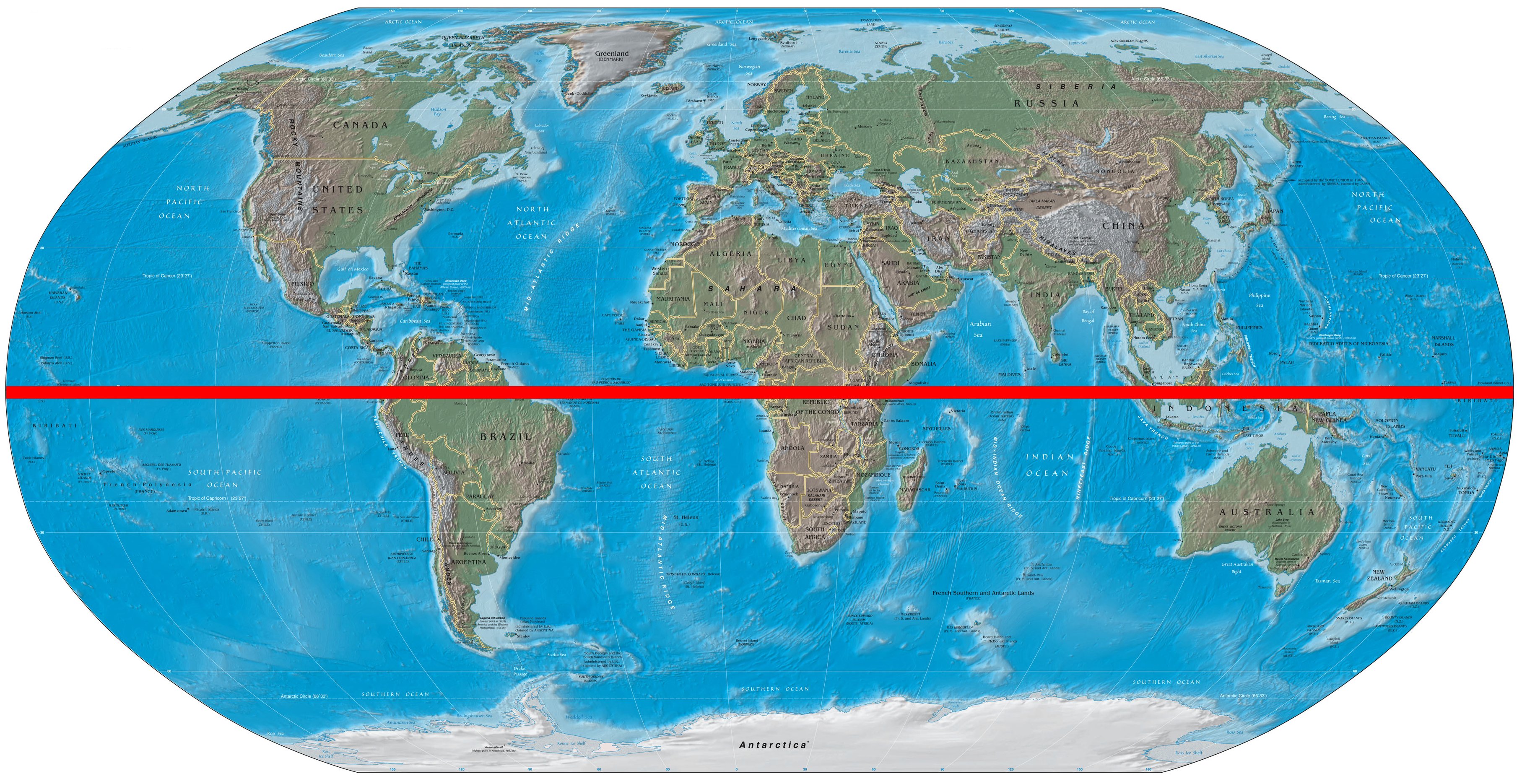
赤道通常指地球表面的点随地球自转产生的轨迹中周长最长的圆周线,长约40,000公里。如果把地球看做一个绝对的球体的话,赤道距离南北两极相等。它把地球分为南北两半球,其以北是北半球,以南是南半球,是划分纬度的基线,赤道的纬度为0°。赤道的78.7%被海洋覆盖,余下的21.3%为陆地。
赤道的纬度被定义为0°,与两条极圈及两条回归线——北回归线和南回归线组成地球表面五条重要的纬线,而赤道又是其中唯一一个大圆。地球赤道在天球上的投影则是天球赤道。
在太阳的季节性视运动中,每年经过赤道两次,分别在春分、秋分。此时太阳光在赤道处与地球表面垂直,即直射赤道。
由于太阳几乎全年都垂直地升落,赤道上看到的日出和日落是地球表面最快的。赤道上的昼长(日出到日落)也几乎全年保持不变[1];由于大气折射[2],以及日出日落是太阳的边缘而非中心触及地平线的缘故,每天的白昼都比夜晚长约14分钟。
Der Äquator eines Planeten oder sonstigen rotationsellipsoiden Himmelskörpers ist der auf seiner Oberfläche angenommene Großkreis, auf dessen Ebene (der Äquatorebene) die Rotationsachse senkrecht steht.[1] Die Erdoberfläche wird vom Äquator in eine Nord- und eine Südhälfte unterteilt, woher der lat. Name „Gleichmacher“ (veraltet „Gleicher“) stammt. Er ist Bezugskreis für die parallelen Kleinkreise, die zur Bemaßung der Erde in Nord-Süd-Richtung mit Hilfe von Breitenkreisen verwendet werden. Er selbst hat die geographische Breite 0°.
Der Schnitt der Äquatorebene der Erde mit der um die Erde gedachten Himmelskugel ist der Himmelsäquator.
In der Geometrie wird der Begriff Äquator allgemein auf die Kugel in Verbindung mit einer durch ihren Mittelpunkt festgelegten Achse angewendet.
Argentina
Brazil
Brazil
Brazil
Brazil
Denmark
FIFA-Konföderationen-Pokal 2013
FIFA-Konföderationen-Pokal 2017
France
France
Mexico

 International cities
 FIFA Fussball-Weltmeisterschaft 2014


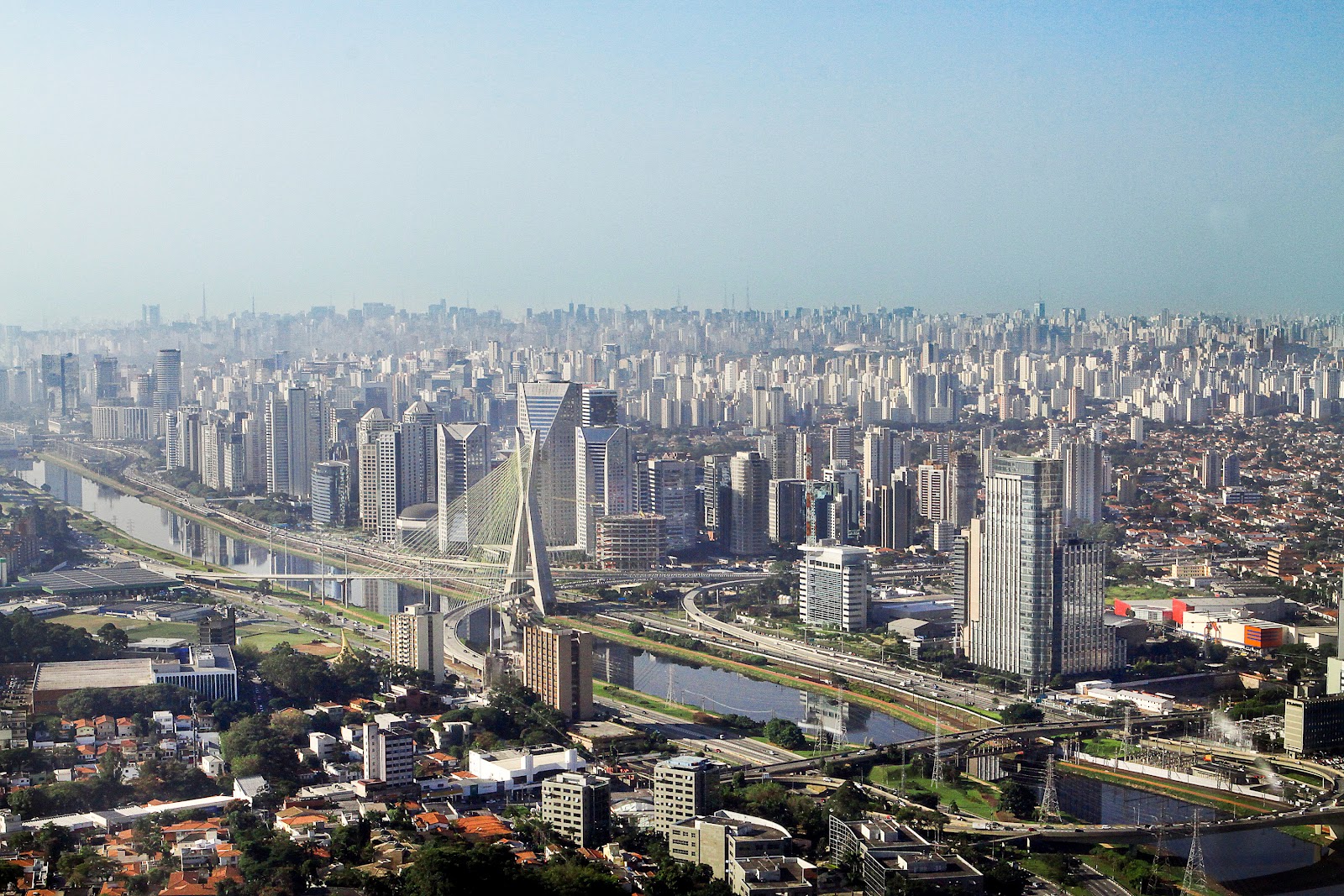
圣保罗是巴西最大的城市、最大的工业中心、世界4座最大的都市之一,圣保罗市是圣保罗州的州府、南美州第一大城市、南美最大的进出口市场。圣保罗州在巴西 东南部,面积二十四点八万平方公里,占巴西全国面积的百分之二点九。这里是巴西人口最多、工业最发达、经济最繁荣的州,也是全国最重要的贸易和金融中心以 及最大的消费市场,有“巴西经济的火车头”之称。位于巴西国境东南部马尔山脉大崖壁边缘海拔800多米的高原上,东南距外港63公里,城区面积1624平 方公里,人口1400万。包括郊区在内的大圣保罗市包括37个郊区县在内,面积7951平方公里,人口1800万。该城虽然处在南回归线附近,但因地势比 较高,夏季多雨凉爽,冬季干燥偏冷,无严寒, 是一座气候宜人、林木苍翠、风光秀丽的城市。
圣市居民人种混杂,有世界“人种大熔炉”之称,主要是葡萄牙、意大利、德国、西班牙、阿拉伯、日本、其它拉美等国和地区的移民以及来自非洲的黑奴后裔。
圣保罗市主要工业有机械、汽车、电器原料和轻工业品。此外,还有医药、塑料原料、烟草等工业以及出版和印刷业。不仅是巴西经济实力最强的地方,而且也是政治影响最大、最活跃、最敏感的地区。
(Quelle:http://www.gotoworld.net)
圣保罗(葡萄牙语:São Paulo,葡萄牙语发音:[sɐ̃w̃ ˈpawlu]  聆听),巴西东南部州分圣保罗州首府,也是巴西乃至南半球最大的都市,市内人口超过1,100万。据2011年数据,全城人口包含近郊达2,039万,在世界都会区人口上居第8位、南半球第1位[3]。2012年,美国的SinkTank公开发表按照产业・人才・文化・政治等对象来综合的世界都市排名,圣保罗是居世界33位的都市,特别是另有机构更是给予世界12位高评价。而同国的里约热内卢则仅次之[4]。
拉丁字母简写为SP或S.Paulo(“SP”是“圣保罗州”的简称)。当地民众习惯称为“保利斯塔诺 (paulistano)”,阴性为“保利斯塔纳 (paulistana)”。
圣保罗为南美洲最富裕的城市,如同巴黎、纽约等世界大城市一样,各式商品应有尽有,但贫富悬殊及治安等城市问题亦相对严重。
圣保罗除为巴西最大的经济城市,亦为南北物流重镇,道路四通八达。然而,车辆数量太多、交通堵塞等问题,造成一定程度困扰。圣保罗同时与纽约及东京并列世界直升机运输量前三大城市。
São Paulo [ˈsɐ̃w ˈpawlu] (port. für Sankt Paulus) ist die Hauptstadt des gleichnamigen Bundesstaates und größte Stadt Brasiliens. Die Stadt ist das wichtigste Wirtschafts-, Finanz- und Kulturzentrum des Landes sowie ein wichtiger Verkehrsknotenpunkt.
São Paulo ist der größte industrielle Ballungsraum in Lateinamerika. Im administrativen Stadtgebiet von São Paulo leben rund 12,177 Millionen Menschen (2018).[3] Die Metropolregion Grande São Paulo hat 21 Millionen Einwohner (2015)[5] und ist damit eine der größten Städte der Erde sowie die zweitbevölkerungsreichste Stadt auf der Südhalbkugel.
Die Stadt ist durch zahlreiche Einwanderer aus aller Welt multikulturell geprägt mit wesentlichen portugiesischen, italienischen, deutschen, libanesischen und japanischen Einflüssen. Die Einwohner der Stadt São Paulo heißen „paulistanos“.[6] Während mit „paulista“ eigentlich die Einwohner des Bundesstaats gemeint sind, verwendet man diesen Begriff auch häufig verallgemeinernd für die Bewohner der Metropole.
サンパウロ(São Paulo、ブラジルポルトガル語発音:[sɐ̃w̃ ˈpawlu])は、ブラジル南東部に位置する都市。サンパウロ州の州都。
人口は1,100万人以上。ブラジルのみならず、南半球最大のメガシティである。2016年の都市圏人口(近郊を含む)は2,060万人で、世界第10位、南半球では第1位である[3]。アメリカのシンクタンクが2016年に発表した世界都市ランキングでは、世界34位と評価された。ブラジルの都市としては、リオデジャネイロを凌ぎ首位であった[4]。
市街地には高層ビルが、郊外には多くの工場が立ち並ぶ大都会で、ブラジルのみならず南米の経済、文化の中心地の一つである。平均収入もブラジルで最も高く、2009年には個人所有のヘリコプターとヘリポートの数が世界一になった。
イタリア系やポルトガル系、スペイン系、ドイツ系、シリア系、レバノン系、ユダヤ系、日系の人口が特に多い他、最近では韓国などのアジア諸国からの移民が増えている。内陸に位置するため、南方60kmの位置に在るサントスを外港とする。
なお、「サンパウロ (Sao Paulo)」は、ポルトガル語でキリスト教における聖人の1人である「聖パウロ」の意味。漢字では、「聖市」と表記される。
São Paulo (/ˌsaʊ ˈpaʊloʊ/; Portuguese pronunciation: [sɐ̃ʊ̯̃ ˈpaʊ̯lʊ ] ( listen)) is a municipality in the Southeast Region of Brazil. The metropolis is an alpha global city (as listed by the GaWC) and the most populous city in Brazil, the Western Hemisphere and the Southern Hemisphere, besides being the largest Portuguese-speaking city in the world. The municipality is also the Earth's 11th largest city proper by population. The city is the capital of the surrounding state of São Paulo, the most populous and wealthiest state in Brazil. It exerts strong international influences in commerce, finance, arts and entertainment.[8] The name of the city honors the Apostle, Saint Paul of Tarsus. The city's metropolitan area, the Greater São Paulo, ranks as the most populous in Brazil and the 12th most populous on Earth. The process of conurbation between the metropolitan areas located around the Greater São Paulo (Campinas, Santos, Sorocaba and the Paraíba Valley) created the São Paulo Macrometropolis,[9] a megalopolis with more than 30 million inhabitants, one of the most populous urban agglomerations in the world.[10]
Having the largest economy by GDP in Latin America and the Southern Hemisphere,[11] the city is home to the São Paulo Stock Exchange. Paulista Avenue is the economic core of São Paulo. The city has the 11th largest GDP in the world,[12] representing alone 10.7% of all Brazilian GDP[13] and 36% of the production of goods and services in the state of São Paulo, being home to 63% of established multinationals in Brazil,[14] and has been responsible for 28% of the national scientific production in 2005.[15] With a GDP of US$477 billion, the São Paulo city alone would have ranked 26th globally compared with countries by 2017 estimates.[16]
The metropolis is also home to several of the tallest skyscrapers in Brazil, including the Mirante do Vale, Edifício Itália, Banespa, North Tower and many others. The city has cultural, economic and political influence both nationally and internationally. It is home to monuments, parks and museums such as the Latin American Memorial, the Ibirapuera Park, Museum of Ipiranga, São Paulo Museum of Art, and the Museum of the Portuguese Language. The city holds events like the São Paulo Jazz Festival, São Paulo Art Biennial, the Brazilian Grand Prix, São Paulo Fashion Week and the ATP Brasil Open. The São Paulo Gay Pride Parade rivals the New York City Pride March as the largest gay pride parade in the world.[17][18].
São Paulo is a cosmopolitan, melting pot city, home to the largest Arab, Italian, and Japanese diasporas, with examples including ethnic neighborhoods of Mercado, Bixiga, and Liberdade respectively. São Paulo is also home to the largest Jewish population in Brazil, with about 75,000 Jews.[19] In 2016, inhabitants of the city were native to over 200 different countries.[20] People from the city are known as paulistanos, while paulistas designates anyone from the state, including the paulistanos. The city's Latin motto, which it has shared with the battleship and the aircraft carrier named after it, is Non ducor, duco, which translates as "I am not led, I lead."[21] The city, which is also colloquially known as Sampa or Terra da Garoa (Land of Drizzle), is known for its unreliable weather, the size of its helicopter fleet, its architecture, gastronomy, severe traffic congestion and skyscrapers. São Paulo was one of the host cities of the 1950 and the 2014 FIFA World Cup. Additionally, the city hosted the IV Pan American Games and the São Paulo Indy 300.
São Paulo (prononciation en portugais : /sɐ̃w̃ ˈpaw.lu/ Écouter) ou Sao Paulo2 (« Saint-Paul » en français) est une ville du sud-est du Brésil. Avec ses onze millions d'habitants en 20143, elle est la plus grande ville du Brésil et d'Amérique du Sud4. C'est également la ville qui compte le plus de lusophones au monde5. La région métropolitaine de São Paulo est l'une des plus peuplées du continent américain, avec celles de Mexico et New York, et la cinquième au monde4. Capitale de l'État de São Paulo — le plus peuplé du pays — et principal centre financier, commercial et industriel de l'Amérique latine, elle est de fait la capitale économique du Brésil.
Fondée en 1554 par des jésuites portugais, la ville s'est développée grâce à l'or des mines environnantes jusqu'à la fin du XVIIIe siècle, puis a connu la prospérité grâce à la culture du café et du sucre. Du milieu du XIXe siècle au début du XXe siècle, elle connaît une forte industrialisation grâce à un afflux d'immigrants italiens, portugais, allemands, arabes et japonais. Au siècle dernier, elle est devenue petit à petit le cœur économique du Brésil, avec son quartier d'affaires autour de l'Avenue Paulista, accueillant la Bourse de São Paulo et des sièges de grandes entreprises brésiliennes et internationales. Son PIB est le plus important d'Amérique latine et de l'hémisphère sud.
La ville compte de nombreux monuments, parcs ou musées comme le Mémorial de l'Amérique Latine, le Parc d'Ibirapuera, le Museu Paulista, le Musée d'art de São Paulo ou le Musée de la langue portugaise. Elle accueille également d'importants événements sportifs et artistiques, comme la Biennale d'art, la Fashion Week de São Paulo, l'Open du Brésil de tennis et le Grand Prix automobile du Brésil. En 1950 et en 2014, São Paulo a été l'une des villes-hôtes de matchs de la Coupe du monde de football. Chaque année s'y déroule aussi la plus grande gay pride au monde. Enfin, s'y trouvent la plupart des plus grands gratte-ciel du Brésil, dont Mirante do Vale, Itália et le Banespa Building.
Les habitants de São Paulo et de sa région se nomment les Paulistes ou Paulistanos. La ville est très fréquemment surnommée « Sampa » par les habitants, et fut parfois appelée la « Cité de la bruine ». Elle est connue pour son climat imprévisible, son architecture — et notamment ses gratte-ciel —, sa gastronomie, ses embouteillages gigantesques et le nombre d'hélicoptères survolant la ville. São Paulo est considérée comme une ville globale, et connaît depuis les années 2000 l'une des plus fortes croissances économiques au monde6.
San Paolo (in portoghese São Paulo), in italiano anche San Paolo del Brasile, è una città del Brasile. Capitale dello Stato omonimo e parte della mesoregione metropolitana e della microregione omonime, per via dei suoi oltre 11 milioni di abitanti vanta diversi primati: oltre a essere la più popolosa città del Paese è anche la più vasta e popolosa città dell'emisfero australe e dell'emisfero occidentale[2] e tra le più popolose in assoluto di entrambi gli emisferi[3] nonché, infine, la più popolosa città lusofona del mondo.
Nella Regione Metropolitana di San Paolo (definita dal governo Região Metropolitana) vivono 20 milioni di persone, è quindi la terza area metropolitana per numero di abitanti del globo. La Regione Metropolitana di San Paolo è costituita da 39 comuni, alcuni di questi sono Santo André, São Bernardo do Campo, São Caetano do Sul, Diadema, Mauá (questi cinque sono tra le sette che formano la regione chiamata Grande ABC), Osasco e Guarulhos, ecc., essendo così la maggiore metropoli dell'America del Sud e dell'emisfero Sud. Tra l'altro, se si considera l'area metropolitana estesa (Complexo Metropolitano Estendido) includendo le numerose aree metropolitane adiacenti, come Baixada Santista, São José dos Campos, Campinas, Sorocaba, ecc., San Paolo raggiunge i 29 milioni di abitanti.[4] La regione forma una megalopoli ancora maggiore con Rio de Janeiro e Volta Redonda. Lo Stato di San Paolo è anch'esso altamente popolato, tuttavia gran parte delle aree metropolitane circondano San Paolo, con l'eccezione di Ribeirão Preto e São Carlos. Tutto lo Stato conta una popolazione superiore ai 40 milioni di abitanti.
Gli abitanti di San Paolo sono chiamati paulistanos, mentre paulista è il termine per tutti gli abitanti dello Stato di San Paolo. Il motto della città è Non ducor, duco, che in latino significa "Non mi faccio condurre, conduco". Un soprannome famoso della città è "Sampa". Nei quartieri popolari di Bixiga e Mooca viveva fino a poco tempo fa la comunità italiana, oggi sparsa per tutta la città; quasi la metà degli abitanti ha almeno un antenato italiano, e si calcola che tale comunità estera sia la più consistente numericamente. La maggioranza dei quartieri eleganti si trovano nella parte occidentale e in quella meridionale.
São Paulo,5 conocida también como San Pablo o San Paulo en lengua española, oficialmente denominada Município de São Paulo, es la ciudad capital del estado de San Pablo y la principal ciudad de la región Metropolitana de San Pablo, en Brasil. Posee una población de 12 106 920 habitantes.6 Teniendo en su área metropolitana una población de 21 893 053 habitantes, según los datos del censo 2010,7 siendo la primera metrópoli de América y del hemisferio sur,8 y una de las más pobladas del mundo, la tercera zona metropolitana más grande de América, solo por detrás de Nueva York y Ciudad de México9. Asimismo, es la ciudad lusófona más poblada e importante del mundo en términos tanto demográficos como culturales y económicos.
Es el principal centro financiero de Brasil,10 Algunas fuentes la ubican como la mejor ciudad para hacer negocios en América Latina.11 Es llamada por los brasileños como la ciudad que no puede parar.1213 y es catalogada como ciudad global de tipo Alfa. Según proyecciones, se estima que su economía se incremente al triple para el año 2020, por lo que es una ciudad con un ágil crecimiento. Además, según estudios de las consultoras Brookings, AméricaEconomía y PriceWaterhouseCoopers, es la ciudad más rica de América Latina, según su PIB (PPA).14
San Pablo es uno de los grandes centros de cultura, entretenimiento, moda y negocios a nivel mundial. La Bovespa es la tercera mayor bolsa de valores (en valor de mercado) del mundo, la mayor de Latinoamérica. Según el sitio de la Bovespa, en este mercado se cotizan más de 500 compañías.15 La pizza es uno de los platos favoritos de la ciudad, con una producción de cerca de 1 millón de unidades por día, con 30% de las ventas nacionales sólo superada por Nueva York.16 Entre las pizzas favoritas, podemos encontrar la de chocolate con plátano.
Сан-Па́улу (порт. São Paulo, МФА (порт.): [sɐ̃w ˈpawlu]) — город на юго-востоке Бразилии, столица одноимённого штата. Самый населенный город в пределах страны, континента, португалоязычного сообщества и всего Южного полушария. Расположен в долине реки Тиете, в 70 км от побережья Атлантического океана.
Девиз на гербе: лат. NON DVCOR DVCO — «Не мной управляют, а я управляю».
Площадь города составляет 523 км²[5], а население — 11,3 млн человек[1][2] (по данным IBGE на 2011 год), что делает его третьим по численности населения городом в Западном полушарии.
Архитектурный образ города создан смешением самых разных эпох и стилей. В Сан-Паулу сохранилось множество старинных зданий, музеев и церквей. В то же время Сан-Паулу — один из самых современных городов, основная его часть застроена небоскрёбами из стекла и металла (как, например, авенида Паулиста), включая второй по высоте небоскрёб Бразилии — Миранти-ду-Вали. Подобное соседство стилей не выглядит надуманным и чужеродным — наоборот, древняя церковь может гармонично смотреться на фоне самого современного здания.
Город носит имя апостола Павла, в день памяти которого он был основан иезуитами на месте индейского поселения 25 января (в День святого Павла) в 1554 году[6].
 Important port

里约热内卢位于巴西国土的东南部,坐落在美丽的瓜纳巴拉海湾,依山傍水,风景优美,是巴西和世界著名的旅游观光胜地。面积4.36万平方公里。人口 1,413.3万(1990),城市人口占90%以上。1889年设州,1975年瓜纳巴拉州并入,首府由尼泰罗伊迁至里约热内卢市。沿海低地气候湿热, 内地高原气候温和。重要河流有帕拉伊巴河等。工农业和服务业均甚发达,服务业占就业人口约37%和收入的一半。工业以钢铁、纺织、食品、印刷、石油化工为 主。有石油、铝土、铁、煤、大理石等矿产。渔业和盐业兴盛。农业主产甘蔗、柑橘、香蕉、蔬菜、棉花、水果、稻,饲养牲畜。水、陆、空交通发达。风景优美, 多游览胜地。
(Quelle: http://www.uutuu.com)
里约热内卢(葡萄牙语:Rio de Janeiro,葡萄牙语发音:[ˈʁi.u dʒi ʒɐˈnejɾu],意即“一月的河”),有时仅简称为里约(Rio),是位于巴西东南部的城市,为里约热内卢州首府,同时是巴西第二大城,仅次于圣保罗。面积1,256平方公里,人口6,094,183人(2005年)。其自1822年巴西建国以来一直为首都,至1960年4月21日迁都巴西利亚为止,更曾经成为前宗主国葡萄牙在本土被拿破仑入侵时(1808年–1821年)的流亡首都[3]。风景优美,每年吸引大量游客到此观光,市内的里约热内卢港是世界三大天然良港之一,而里约热内卢基督像也是世界新七大奇迹之一。其亦为第31届夏季奥运的主办地,是第一座举办夏季奥运的南美洲城市。
Rio de Janeiro [ˈʁi.u d(ʒi) ʒɐˈne(j)ɾu, ˈʁi.u d(ʑi) ʑɐˈne(j)ɾu] ist nach São Paulo die zweitgrößte Stadt Brasiliens und Hauptstadt des gleichnamigen Bundesstaates. Sie liegt an der Guanabara-Bucht im Südosten des Landes. Der Name (deutsch Fluss des Januar) beruht auf einem Irrtum des Seefahrers Gaspar de Lemos, der die Bucht am 1. Januar 1502 entdeckte und für die Mündung eines großen Flusses hielt. Im administrativen Stadtgebiet leben rund 6,7 Millionen Menschen (Schätzung 2018).[1] Die Metropolregion Rio de Janeiro hat rund 13,3 Millionen Einwohner (Schätzung 2018).[2] Somit gehört Rio de Janeiro zu den Megastädten dieser Erde.
Von 1815 bis 1821 war Rio de Janeiro Hauptstadt des Königreiches von Portugal und Brasilien und nach der Unabhängigkeit Brasiliens 1822 bis 1960 die Hauptstadt des Landes. Danach trat sie diese Funktion an Brasília ab, bleibt aber nach São Paulo bedeutendstes Handels- und Finanzzentrum des Landes. Von 1808 bis 1822 war die Stadt auch Sitz des portugiesischen Hofes, der wegen eines Angriffs durch Napoleon Bonaparte nach Brasilien flüchten musste. Die Bewohner der Stadt nennt man Cariocas, nach einem Wort aus der zum Tupí-Guaraní gehörenden Sprache der Tupinambá, welches „Hütte des weißen Mannes“ bedeutet.
Wahrzeichen von Rio de Janeiro sind der Zuckerhut, die 38 Meter hohe Christusfigur auf dem Gipfel des Corcovados und der Strand des Stadtteils Copacabana, der als einer der berühmtesten der Welt gilt. Die Stadt ist auch bekannt wegen des jährlich stattfindenden Karnevals von Rio. Die bunte Parade der Sambaschulen gehört zu den größten Paraden der Welt.
リオ・デ・ジャネイロ(葡: Rio de Janeiro, ブラジルポルトガル語発音: ヒウ・ヂ・ジャネイル)は、ブラジル南東部に位置するリオデジャネイロ州の州都。世界有数のメガシティであり、国内最大の観光都市である。港湾都市としても知られる。
人口は600万人を超え、サンパウロに次いでブラジル第2位にランクされる。経済規模(域内総生産)でもサンパウロに次いで第2位にあり、アメリカのシンクタンクが公表したビジネス・人材・文化・政治などを対象とした総合的な世界都市ランキングにおいて、世界第56位、国内ではサンパウロに次ぐ第2位の都市と評価された[1]。都市周辺の美しい文化的景観は「リオデジャネイロ:山と海との間のカリオカの景観群」として、2012年に世界遺産リストに登録された。2016年の第31回夏季オリンピックの開催都市である。
カーニバルで有名。コパカバーナ、イパネマ(英語版)などの世界的に有名な海岸を有し世界3大美港の一つに数えられる美しい都市である。都市のGDPは2010億ドルであり世界第30位、南米ではサンパウロ、ブエノスアイレスに次ぎ第3位である[2]。
1960年にブラジリアに遷都するまではブラジルの首都であった。また、1808年にナポレオンに本国領土を奪われたポルトガル王室が遷都してからブラジルが独立するまではポルトガルの首都であった。また、中南米有数の貿易港でもあるためにブラジルの経済的な中心地でもあった。近年は経済の中心地はサンパウロに移り、その地位が低下しているものの、依然として中南米有数の経済都市である。また、ブラジルのみならず世界でも有数の観光地としても、ショーロ、ボサノヴァを生んだ音楽の都としても名高い。
Rio de Janeiro (/ˈriːoʊ di ʒəˈnɛəroʊ, - deɪ -, - də -/; Portuguese: [ˈʁi.u d(ʒi) ʒɐˈne(j)ɾu];[3] River of January), or simply Rio,[4] is anchor to the Rio de Janeiro metropolitan area and the second-most populous municipality in Brazil and the sixth-most populous in the Americas. Rio de Janeiro is the capital of the state of Rio de Janeiro, Brazil's third-most populous state. Part of the city has been designated as a World Heritage Site, named "Rio de Janeiro: Carioca Landscapes between the Mountain and the Sea", by UNESCO on 1 July 2012 as a Cultural Landscape.[5]
Founded in 1565 by the Portuguese, the city was initially the seat of the Captaincy of Rio de Janeiro, a domain of the Portuguese Empire. Later, in 1763, it became the capital of the State of Brazil, a state of the Portuguese Empire. In 1808, when the Portuguese Royal Court transferred itself from Portugal to Brazil, Rio de Janeiro became the chosen seat of the court of Queen Maria I of Portugal, who subsequently, in 1815, under the leadership of her son, the Prince Regent, and future King João VI of Portugal, raised Brazil to the dignity of a kingdom, within the United Kingdom of Portugal, Brazil, and Algarves. Rio stayed the capital of the pluricontinental Lusitanian monarchy until 1822, when the War of Brazilian Independence began. This is one of the few instances in history that the capital of a colonising country officially shifted to a city in one of its colonies. Rio de Janeiro subsequently served as the capital of the independent monarchy, the Empire of Brazil, until 1889, and then the capital of a republican Brazil until 1960 when the capital was transferred to Brasília.
Rio de Janeiro has the second largest municipal GDP in the country,[6] and 30th largest in the world in 2008,[7] estimated at about R$343 billion (IBGE, 2008) (nearly US$201 billion). It is headquarters to Brazilian oil, mining, and telecommunications companies, including two of the country's major corporations – Petrobras and Vale – and Latin America's largest telemedia conglomerate, Grupo Globo. The home of many universities and institutes, it is the second-largest center of research and development in Brazil, accounting for 17% of national scientific output according to 2005 data.[8] Despite the high perception of crime, the city has a lower incidence of crime than Northeast Brazil, but it is far more criminalized than the south region of Brazil, which is considered the safest in the country.[9]
Rio de Janeiro is one of the most visited cities in the Southern Hemisphere and is known for its natural settings, Carnival, samba, bossa nova, and balneario beaches[10] such as Barra da Tijuca, Copacabana, Ipanema, and Leblon. In addition to the beaches, some of the most famous landmarks include the giant statue of Christ the Redeemer atop Corcovado mountain, named one of the New Seven Wonders of the World; Sugarloaf Mountain with its cable car; the Sambódromo (Sambadrome), a permanent grandstand-lined parade avenue which is used during Carnival; and Maracanã Stadium, one of the world's largest football stadiums. Rio de Janeiro was the host of the 2016 Summer Olympics and the 2016 Summer Paralympics, making the city the first South American and Portuguese-speaking city to ever host the events, and the third time the Olympics were held in a Southern Hemisphere city.[11] The Maracanã Stadium held the finals of the 1950 and 2014 FIFA World Cups, the 2013 FIFA Confederations Cup, and the XV Pan American Games.
Rio de Janeiro [ˈʁi.u d(ʒi) ʒɐˈnejɾu]2, souvent désignée simplement sous le nom de Rio, est la deuxième plus grande ville du Brésil après São Paulo. Située au sud-est du pays, elle est la capitale de l'État de Rio de Janeiro. Avec ses 6,1 millions d'habitants intra-muros (communément appelés Cariocas, la variante Carioques existant aussi en français) et 12,62 millions dans l'aire urbaine, Rio de Janeiro est l'une des métropoles les plus importantes du continent américain.
Elle est mondialement connue pour son carnaval, ses plages (Copacabana, Leblon et Ipanema) ainsi que sa statue du Christ Rédempteur au sommet du Corcovado. Elle fut capitale du Royaume-Uni de Portugal, du Brésil et des Algarves, à la suite de la fuite de la cour portugaise lors de l'invasion des troupes napoléoniennes (1808-1821), puis de l'Empire du Brésil (1822-1889), de la República Velha (1889-1930), de l’Estado Novo (1937-1945) et du début de la Deuxième République jusqu'en 1960.
La ville a accueilli les Journées mondiales de la jeunesse 2013, la finale de la Coupe du monde de football de 2014 et enfin, en 2016, les Jeux olympiques d'été.
Rio de Janeiro (pron. [ˈrio deʒaˈnɛiro];[2] letteralmente "Fiume di gennaio" in portoghese) è una città del Brasile, capitale dell'omonimo stato confederato. Rio è la seconda città del Brasile dopo San Paolo e fu la capitale dello Stato federale dal 1763 fino al 1960, dopo Salvador da Bahia e prima di Brasilia.
La città è famosa per le sue attrattive turistiche tra cui spiccano le spiagge di Copacabana e Ipanema, la gigantesca statua liberty del Cristo Redentore, situata sul monte del Corcovado, il monte del Pão de Açúcar (Pan di Zucchero), con la sua funivia, e il suo annuale carnevale, il più celebre al mondo.
La città è al centro della scena internazionale, avendo ospitato alcuni dei più grandi eventi mondiali degli ultimi anni: nel 2007 i XV Giochi Panamericani, nel 2013 la XXVIII Giornata Mondiale della Gioventù e nel 2016 i giochi della XXXI Olimpiade. È stata inoltre una delle città in cui si è disputato il Campionato del mondo di calcio 2014.
Rio de Janeiro contiene anche la più grande foresta all'interno di un'area urbana, la foresta di Tijuca.
L'attuale sindaco è Marcelo Crivella, in carica dal 1º gennaio 2017, del PRB.
Río de Janeiro1 (en portugués, Rio de Janeiro, AFI: [ˈʁi.u dʒi ʒaˈnejɾu]), fundada como São Sebastião do Rio de Janeiro,3 es una ciudad, municipio brasileño y capital del estado homónimo, ubicada en el sureste del país. Es la segunda ciudad más poblada del país después de São Paulo.4
Fue la capital del Reino de Portugal entre 1808 y 1822 y la capital del Imperio del Brasil desde 1822, cuando la nación declaró su independencia del país luso y conservó ese rango hasta la inauguración de Brasilia, en 1960.
Es uno de los principales centros económicos, de recursos culturales y financieros del Brasil. Es conocida internacionalmente por sus iconos culturales y paisajes, como el Pan de Azúcar, la estatua del Cristo Redentor (una de las siete maravillas del mundo moderno), las playas de Copacabana e Ipanema, el Estadio de Maracaná, el Parque Nacional de Tijuca (el mayor bosque urbano del mundo), la Quinta da Boa Vista, la isla de Paquetá, las Fiestas de Fin de Año en Copacabana y la celebración del Carnaval
Representa el segundo mayor PIB en el país y 30.º mayor del mundo, además de ser sede de dos de las más importantes empresas brasileñas —Petrobras y Vale do Rio Doce, ahora privatizada— y las principales empresas de petróleo y la telefonía, así como del mayor conglomerado de compañías de medios y comunicaciones de Latinoamérica.[cita requerida] Es el segundo centro más grande de investigación y desarrollo en Brasil, alcanzando el 17% de la producción científica nacional (según datos de 2005).
Río de Janeiro es considerada una ciudad global Beta- por el inventario de 2008 de la Universidad de Loughborough (GaWC).5
Es conocida mundialmente como la "Ciudad Maravillosa" (Cidade Maravilhosa), en portugués, albergó la Copa Mundial de Fútbol de 1950, la Copa Confederaciones 2013, la Jornada Mundial de la Juventud 2013, la Copa Mundial de Fútbol de 2014 y los Juegos Olímpicos de Río de Janeiro 2016.
Ри́о-де-Жане́йро, или, сокращённо, Рио (порт. Rio de Janeiro, буквально — январская река) — город в Бразилии, административный центр одноимённого штата.
Население — 6,4 млн человек (2014), это второй по величине город страны и четвёртый Южной Америки. Образует агломерацию с населением 12 млн человек (2011 год)[6]. Крупный финансовый центр и морской порт на континенте, научный центр.
Расположен на берегу залива Гуанабара Атлантического океана, на узкой равнине, зажатой с двух сторон горами и морем. Климат тропический[1][2]. Местность открыта португальским мореплавателем Гашпаром ди Лемушем, принявшим залив Гуанабара за реку, которую назвали Январской рекой[уточнить]. В 1531 году основан португальский форт Сан-Себастьян де-Рио-де-Жанейро. С 1763 — столица вице-королевства Бразилии, с 1822 года — столица независимой Бразильской империи, в 1889—1960 годы — столица республики Соединённых штатов Бразилии.
Исторический центр с постройками XVI—XIX веков. Побережье вместе с пляжем Копакабана, горой Сахарная Голова и статуей Христа внесено в список Всемирного наследия ЮНЕСКО[7].
 Argentina
Bolivia
Brazil
Chile
Columbia
Costa Rica
Ecuador
Honduras
Jamaika
Japan
Mexico
Paraguay
Peru
Uruguay
Venezuela
United States
Argentina
Bolivia
Brazil
Chile
Columbia
Costa Rica
Ecuador
Honduras
Jamaika
Japan
Mexico
Paraguay
Peru
Uruguay
Venezuela
United States

美洲杯(Copa América)是一项由南美足协成员国参加的最重要的国家级足球赛事,赛事前身名为南美足球锦标赛(Campeonato Sud Americano de Football),亦是全世界历史最悠久的国家级足球赛事,也是世界上观看人数第三多的比赛。在1916年7月2日至17日于阿根廷举行首届赛事,该届赛事同时为了庆祝阿根廷独立一百周年,安排在独立日内进行赛事。通常每二年举行一届,但相隔举行的时间常出现变化,现在每四年举行一届。由于南美足协只有10支球队,所以本赛事也是唯一不举行资格赛的洲际国家级赛事。同时南美足协亦会邀请两支非南美足协球队参与赛事。
自1916年赛事举办以来,10支南美足协参赛球队中有8支在47场比赛中至少赢得过一次比赛,只有厄瓜多尔和委内瑞拉尚未获胜。阿根廷和乌拉圭在世界杯历史上夺冠次数最多,各夺得15座奖杯。阿根廷于1916年举办了首届赛事,举办次数最多( 次)。 自2016年以来,美国是唯一一个主办这项赛事的非南美足协国家。该赛事曾三次(1975年、1979年和1983年)在多个南美国家举行。
Die Copa América – bis 1972 Campeonato Sudamericano de Fútbol – ist ein kontinentales Turnier für Fußball-Nationalmannschaften zur Ermittlung des Südamerikameisters im Fußball, das seit 1916 von der CONMEBOL ausgerichtet wird. Der Austragungsmodus wurde mehrfach verändert. Teilnehmer sind traditionell die Mitglieder des Verbandes, nämlich die südamerikanischen Staaten Argentinien, Bolivien, Brasilien, Chile, Ecuador, Kolumbien, Paraguay, Peru, Uruguay und Venezuela.
Seit 1993 werden auch Fußballmannschaften aus Nord- und Mittelamerika eingeladen. Für gewöhnlich sind dies der Sieger und der Zweitplatzierte des CONCACAF Gold Cup, der Kontinentalmeisterschaft des nord- und mittelamerikanischen Verbandes CONCACAF. Weit seltener wird auch eine Mannschaft aus Asien eingeladen. In den Jahren 1999 und 2019 war dies die japanische Fußballnationalmannschaft. Im Jahr 2019 nahm zudem die katarische Fußballnationalmannschaft teil, da eine Teilnahme von Ländern des CONCACAF aufgrund des parallel stattfindenden CONCACAF Gold Cup 2019 nicht möglich war.
 Economy and trade
 Afghanistan
Egypt
Albania
Angola
Antigua and Barbuda
Argentina
Armenia
Australia
Bahrain
Bangladesh
Barbados
Belgium
Belize
Benin
Bolivia
Botsuana
Brazil
Brunei Darussalam
Bulgaria
Burkina Faso
Burundi
Chile
China
Columbia
Costa Rica
Côte d´Ivoire
Cuba
Denmark
Demokratische Republik Kongo
Germany
Dominica
Dominikanische Republik
Djibouti
Ecuador
Estonia
Afghanistan
Egypt
Albania
Angola
Antigua and Barbuda
Argentina
Armenia
Australia
Bahrain
Bangladesh
Barbados
Belgium
Belize
Benin
Bolivia
Botsuana
Brazil
Brunei Darussalam
Bulgaria
Burkina Faso
Burundi
Chile
China
Columbia
Costa Rica
Côte d´Ivoire
Cuba
Denmark
Demokratische Republik Kongo
Germany
Dominica
Dominikanische Republik
Djibouti
Ecuador
Estonia
 European Union
Fidschi
European Union
Fidschi
 Financial
Finland
France
Gabun
Gambia
Georgia
Ghana
Grenada
Greece
Guatemala
Guinea
Guinea-Bissau
Guyana
Honduras
Hongkong Tebiexingzhengqu-HK
India
Indonesia
Ireland
Iceland
Israel
Italy
Jamaika
Japan
Yemen
Jordan
Cambodia
Cameroon
Canada
Kap Verde
Kasachstan
Katar
Kenya
Kyrgyzstan
Croatia
Kuwait
Laos
Lesotho
Latvia
Liberia
Liechtenstein
Lithuania
Luxembourg
Macau Tebiexingzhengqu-MO
Madagaskar
Malawi
Malta
Morocco
Mauritania
Mauritius
Mexico
Moldawien
Financial
Finland
France
Gabun
Gambia
Georgia
Ghana
Grenada
Greece
Guatemala
Guinea
Guinea-Bissau
Guyana
Honduras
Hongkong Tebiexingzhengqu-HK
India
Indonesia
Ireland
Iceland
Israel
Italy
Jamaika
Japan
Yemen
Jordan
Cambodia
Cameroon
Canada
Kap Verde
Kasachstan
Katar
Kenya
Kyrgyzstan
Croatia
Kuwait
Laos
Lesotho
Latvia
Liberia
Liechtenstein
Lithuania
Luxembourg
Macau Tebiexingzhengqu-MO
Madagaskar
Malawi
Malta
Morocco
Mauritania
Mauritius
Mexico
Moldawien
 Mongolei
Montenegro
Mosambik
Myanmar
Namibia
Nepal
New Zealand
Nicaragua
Netherlands
Niger
Nigeria
Nordmazedonien
Norwegen
Oman
Austria
Pakistan
Panama
Papua-Neuguinea
Paraguay
Peru
Philippines
Poland
Portugal
Republik El Salvador
Republik Haiti
Republik Kongo
Republic of Korea
Ruanda
Romania
Russia
Salomonen
Sambia
Samoa
Saudi Arabia
Sweden
Sweden
Switzerland
Mongolei
Montenegro
Mosambik
Myanmar
Namibia
Nepal
New Zealand
Nicaragua
Netherlands
Niger
Nigeria
Nordmazedonien
Norwegen
Oman
Austria
Pakistan
Panama
Papua-Neuguinea
Paraguay
Peru
Philippines
Poland
Portugal
Republik El Salvador
Republik Haiti
Republik Kongo
Republic of Korea
Ruanda
Romania
Russia
Salomonen
Sambia
Samoa
Saudi Arabia
Sweden
Sweden
Switzerland
 Genf
Senegal
Seychellen
Sierra Leone
Simbabwe
Singapore
Slovakia
Slovenia
Spain
Sri Lanka
Saint Kitts and Nevis
St. Lucia
St. Vincent and the Grenadines
South Africa
Suriname
Swasiland
Tajikistan
Taiwan Sheng-TW
Tansania
Thailand
Togo
Tonga
Trinidad und Tobago
Tschad
Czech Republic
Tunisia
Turkey
Uganda
Ukraine
Hungary
Uruguay
Vanuatu
Venezuela
United Arab Emirates
United States
United Kingdom
Vietnam
Genf
Senegal
Seychellen
Sierra Leone
Simbabwe
Singapore
Slovakia
Slovenia
Spain
Sri Lanka
Saint Kitts and Nevis
St. Lucia
St. Vincent and the Grenadines
South Africa
Suriname
Swasiland
Tajikistan
Taiwan Sheng-TW
Tansania
Thailand
Togo
Tonga
Trinidad und Tobago
Tschad
Czech Republic
Tunisia
Turkey
Uganda
Ukraine
Hungary
Uruguay
Vanuatu
Venezuela
United Arab Emirates
United States
United Kingdom
Vietnam
 Important International Organizations
World Trade Organization
Roberto Azevêdo
World Trade Organization
Mike Moore
World Trade Organization
Ngozi Okonjo-Iweala
World Trade Organization
Pascal Lamy
World Trade Organization
Peter Sutherland
World Trade Organization
Renato Ruggiero
World Trade Organization
Supachai Panitchpakdi
Central African Republic
Cyprus
Important International Organizations
World Trade Organization
Roberto Azevêdo
World Trade Organization
Mike Moore
World Trade Organization
Ngozi Okonjo-Iweala
World Trade Organization
Pascal Lamy
World Trade Organization
Peter Sutherland
World Trade Organization
Renato Ruggiero
World Trade Organization
Supachai Panitchpakdi
Central African Republic
Cyprus

世界贸易组织(简称世贸组织或世贸;英语:World Trade Organization,缩写为 WTO;法语:Organisation Mondiale du Commerce,缩写为 OMC;西班牙语:Organización Mundial del Comercio,缩写为 OMC)是负责监督成员经济体之间各种贸易协议得到执行的一个国际组织,前身是1948年起实施的关税及贸易总协定的秘书处。
世贸总部位于瑞士日内瓦,现任总干事是罗伯托·阿泽维多。截至2016年7月29日,世界贸易组织共有164个成员。[5]世界贸易组织的职能是调解纷争,加入WTO不算签订一种多边贸易协议,但其设置的入会门槛可以做为愿意降低关税、法政上配合、参与国际贸易的门票,它是贸易体制的组织基础和法律基础,是众多贸易协定的管理者,是各成员贸易立法的监督者,是就贸易提供解决争端和进行谈判的场所。该机构是当代最重要的国际经济组织之一,其成员间的贸易额占世界贸易额的绝大多数,被称为“经济联合国”。
Die Welthandelsorganisation (englisch World Trade Organization, WTO; französisch Organisation mondiale du commerce, OMC; spanisch Organización Mundial de Comercio, OMC) ist eine internationale Organisation mit Sitz in Genf, die sich mit der Regelung von Handels- und Wirtschaftsbeziehungen beschäftigt. Sie wurde am 15. April 1994 aus dem General Agreement on Tariffs and Trade (GATT) in der Uruguay-Runde nach siebenjähriger Verhandlungszeit gegründet. Am 1. Januar 1995 nahm sie ihre Arbeit in Genf auf. Die WTO ist neben dem IWF und der Weltbank eine der zentralen internationalen Organisationen, die Handels- und Wirtschaftspolitik mit globaler Reichweite verhandelt.
世界貿易機関(せかいぼうえききかん、英: World Trade Organization、略称:WTO)は、自由貿易促進を主たる目的として創設された国際機関である。常設事務局がスイスのジュネーブに置かれている。
GATT(ガット)ウルグアイ・ラウンドにおける合意によって、世界貿易機関を設立するマラケシュ協定(WTO設立協定)に基づいて1995年1月1日にGATTを発展解消させて成立した。
本来GATTは、第二次世界大戦後の安定を見据え、国際通貨基金および国際復興開発銀行とともに設立が予定されていた国際貿易機関(ITO)の設立準備の際に、暫定協定として結ばれたものであった。国際貿易機関の設立が廃案となり、GATTがその代替として発展強化されていくうちに、再びこの分野の常設機関が求められ、WTOが設立されることとなった。発展解消であるため、GATTの事務局及び事務局長もWTOへと引き継がれることとなった[4]。
WTOはGATTを継承したものであるが、GATTが協定(Agreement)に留まったのに対し、WTOは機関(Organization)であるのが根本的な違いである。
を基本原則としている。また、物品貿易だけでなく金融、情報通信、知的財産権やサービス貿易も含めた包括的な国際通商ルールを協議する場である。
対抗処置の発動では、紛争処理機関(パネル)の提訴に対し全加盟国による反対がなければ採択されるというネガティブ・コンセンサス方式(逆コンセンサス方式)を採用した強力な紛争処理能力を持つ。これは国際組織としては稀な例であり、コンセンサス方式を採っていたGATTとの大きな違いで、WTOの特徴の一つといえる。
新多角的貿易交渉(新ラウンド)は、2001年11月にカタールのドーハで行われた第4回WTO閣僚会議で開始を決定し、ドーハ・ラウンドと呼ばれていた。2002年2月1日の貿易交渉委員会で新ラウンドがスタートした。しかし9年に及ぶ交渉は先進国と、急速に台頭してきたBRICsなど新興国との対立によって中断と再開を繰り返した末、ジュネーブで行われた第4回WTO閣僚会議(2011年12月17日)で「交渉を継続していくことを確認するものの、近い将来の妥結を断念する」(議長総括)となり事実上停止状態になった。
その後、2013年のバリ島における閣僚会議で、貿易円滑化協定を含む合意が成立し、2014年7月まで貿易円滑化協定をWTO協定に加える(附属書1Aに追加)するための文書を一般理事会で採択すべきとされた[5]。しかしインドが合意を蒸し返す状態で反対したため期限までに採択できなかった[6]。その後食糧備蓄への補助金の問題で先進国側が譲歩することでようやくインドが合意し、2014年11月27日の一般理事会で貿易円滑化協定が採択された[6]。WTO加盟国の3分の2が改正を受諾した日に発効することになっており、2017年2月22日にこの要件を満たし、協定が発効した。
The World Trade Organization (WTO) is an intergovernmental organization that regulates international trade. The WTO officially commenced on 1 January 1995 under the Marrakesh Agreement, signed by 124 nations on 15 April 1994, replacing the General Agreement on Tariffs and Trade (GATT), which commenced in 1948. It is the largest international economic organization in the world.[5][6]
The WTO deals with regulation of trade in goods, services and intellectual property between participating countries by providing a framework for negotiating trade agreements and a dispute resolution process aimed at enforcing participants' adherence to WTO agreements, which are signed by representatives of member governments[7]:fol.9–10 and ratified by their parliaments.[8] The WTO prohibits discrimination between trading partners, but provides exceptions for environmental protection, national security, and other important goals.[9] Trade-related disputes are resolved by independent judges at the WTO through a dispute resolution process.[9]
The WTO's current Director-General is Roberto Azevêdo,[10][11] who leads a staff of over 600 people in Geneva, Switzerland.[12] A trade facilitation agreement, part of the Bali Package of decisions, was agreed by all members on 7 December 2013, the first comprehensive agreement in the organization's history.[13][14] On 23 January 2017, the amendment to the WTO Trade Related Aspects of Intellectual Property Rights (TRIPS) Agreement marks the first time since the organization opened in 1995 that WTO accords have been amended, and this change should secure for developing countries a legal pathway to access affordable remedies under WTO rules.[15]
Studies show that the WTO boosted trade,[16][17][9] and that barriers to trade would be higher in the absence of the WTO.[18] The WTO has highly influenced the text of trade agreements, as "nearly all recent [preferential trade agreements (PTAs)] reference the WTO explicitly, often dozens of times across multiple chapters... in many of these same PTAs we find that substantial portions of treaty language—sometime the majority of a chapter—is copied verbatim from a WTO agreement."[19]
L'Organisation mondiale du commerce (OMC ; en anglais : World Trade Organization, WTO, en espagnol : Organización Mundial del Comercio, OMC) est une organisation internationale qui s'occupe des règles régissant le commerce international entre les pays. Au cœur de l'organisation se trouvent les accords de l'OMC, négociés et signés en avril 1994 à Marrakech1 par la majeure partie des puissances commerciales du monde2 et ratifiés par leurs assemblées parlementaires. L'OMC a pour but principal de favoriser l'ouverture commerciale. Pour cela, elle tâche de réduire les obstacles au libre-échange, d'aider les gouvernements à régler leurs différends commerciaux et d'assister les exportateurs, les importateurs et les producteurs de marchandises et de services dans leurs activités.
Depuis 2001, le cycle de négociation mené par l'OMC est le Cycle de Doha3. Bien que l'OMC ne soit pas une agence spécialisée de l'ONU, elle entretient des liens avec cette dernière4. Le siège de l'OMC est au Centre William-Rappard, à Genève. Depuis le 1er septembre 2013, l'organisation est présidée par le Brésilien Roberto Azevêdo qui a été élu directeur général.
L'Organizzazione mondiale del commercio, abbreviato in OMC (in inglese: World Trade Organization, WTO), è un'organizzazione internazionale creata allo scopo di supervisionare numerosi accordi commerciali tra gli stati membri. Vi aderiscono[3] 164 Paesi, a cui se ne aggiungono altri 22 con ruolo di osservatori,[4] comprendendo così oltre il 95% del commercio mondiale di beni e servizi.[5]
La sede dell'OMC si trova, dal 1995, presso il Centro William Rappard a Ginevra, Svizzera.[6]
La Organización Mundial del Comercio (OMC) fue establecida en 1995. Tiene su sede en Ginebra, Suiza, y sus idiomas oficiales son el inglés, el francés y el español. La OMC no forma parte del sistema de las Naciones Unidas, y tampoco de los organismos de Bretton Woods como el Banco Mundial o el FMI.Nota 1
Всеми́рная торго́вая организа́ция (ВТО; англ. World Trade Organization (WTO), фр. Organisation mondiale du commerce (OMC), исп. Organización Mundial del Comercio) — международная организация, созданная 1 января 1995 года с целью либерализации международной торговли и регулирования торгово-политических отношений государств-членов. ВТО образована на основе Генерального соглашения по тарифам и торговле (ГАТТ), заключенного в 1947 году и на протяжении почти 50 лет фактически выполнявшего функции международной организации, но не являвшегося тем не менее международной организацией в юридическом смысле.
ВТО отвечает за разработку и внедрение новых торговых соглашений, а также следит за соблюдением членами организации всех соглашений, подписанных большинством стран мира и ратифицированных их парламентами. ВТО строит свою деятельность, исходя из решений, принятых в 1986—1994 годах в рамках Уругвайского раунда и более ранних договоренностей ГАТТ. Обсуждения проблем и принятие решений по глобальным проблемам либерализации и перспективам дальнейшего развития мировой торговли проходят в рамках многосторонних торговых переговоров (раунды). К настоящему времени проведено 8 раундов таких переговоров, включая Уругвайский, а в 2001 году стартовал девятый в Дохе, Катар. Организация пытается завершить переговоры по Дохийскому раунду переговоров, который был начат с явным акцентом на удовлетворение потребностей развивающихся стран. По состоянию на декабрь 2012 года будущее раунда переговоров в Дохе остаётся неопределённым: программа работы состоит из 21 части, а первоначально установленный окончательный срок 1 января 2005 года был давно пропущен[3]. В ходе переговоров возник конфликт между стремлением к свободной торговле и стремлением множества стран к протекционизму, особенно в плане сельскохозяйственных субсидий. До сих пор эти препятствия остаются главными и мешают любому прогрессу для запуска новых переговоров в рамках Дохийского раунда. По состоянию на июль 2012 года, существуют различные группы переговоров в системе ВТО для решения текущих вопросов в плане сельского хозяйства, что приводит к застою в самих переговорах[4].
Штаб-квартира ВТО расположена в Женеве, Швейцария. Глава ВТО (генеральный директор) — Роберту Карвалью ди Азеведу, в штате самой организации около 600 человек[5].
На 26 апреля 2015 года в ВТО состояли 162 страны[6].
Правила ВТО предусматривают ряд льгот для развивающихся стран. В настоящее время развивающиеся страны — члены ВТО имеют (в среднем) более высокий относительный уровень таможенно-тарифной защиты своих рынков по сравнению с развитыми. Тем не менее, в абсолютном выражении общий размер таможенно-тарифных санкций в развитых странах гораздо выше, вследствие чего доступ на рынки высокопередельной продукции из развивающихся стран серьёзно ограничен[7].
Правила ВТО регулируют только торгово-экономические вопросы. Попытки США и ряда европейских стран начать дискуссию об условиях труда (что позволило бы считать недостаточную законодательную защиту работников конкурентным преимуществом) были отвергнуты из-за протестов развивающихся стран, которые утверждали, что такие меры только ухудшат благосостояние работников в связи с сокращением числа рабочих мест, снижением доходов и уровня конкурентоспособности[7].
Mitglieder der WTO
| Staat | Beitrittsdatum |
|---|---|
 Ägypten Ägypten |
30. Juni 1995 |
 Afghanistan Afghanistan |
29. Juli 2016 |
 Albanien Albanien |
8. September 2000 |
 Angola Angola |
23. November 1996 |
 Antigua und Barbuda Antigua und Barbuda |
1. Januar 1995 |
 Argentinien Argentinien |
1. Januar 1995 |
 Armenien Armenien |
5. Februar 2003 |
 Australien Australien |
1. Januar 1995 |
 Bahrain Bahrain |
1. Januar 1995 |
 Bangladesch Bangladesch |
1. Januar 1995 |
 Barbados Barbados |
1. Januar 1995 |
 Belgien Belgien |
1. Januar 1995 |
 Belize Belize |
1. Januar 1995 |
 Benin Benin |
22. Februar 1996 |
 Bolivien Bolivien |
12. September 1995 |
 Botswana Botswana |
31. Mai 1995 |
 Brasilien Brasilien |
1. Januar 1995 |
 Brunei Brunei |
1. Januar 1995 |
 Bulgarien Bulgarien |
1. Dezember 1996 |
 Burkina Faso Burkina Faso |
3. Juni 1995 |
 Burundi Burundi |
23. Juli 1995 |
 Chile Chile |
1. Januar 1995 |
 Volksrepublik China Volksrepublik China |
11. Dezember 2001 |
 Costa Rica Costa Rica |
1. Januar 1995 |
 Dänemark Dänemark |
1. Januar 1995 |
 Deutschland Deutschland |
1. Januar 1995 |
 Dominica Dominica |
1. Januar 1995 |
 Dominikanische Republik Dominikanische Republik |
9. März 1995 |
 Dschibuti Dschibuti |
31. Mai 1995 |
 Ecuador Ecuador |
21. Januar 1996 |
 El Salvador El Salvador |
7. Mai 1995 |
 Elfenbeinküste Elfenbeinküste |
1. Januar 1995 |
 Estland Estland |
13. November 1999 |
 Eswatini Eswatini |
1. Januar 1995 |
 Europäische Union Europäische Union |
1. Januar 1995 |
 Fidschi Fidschi |
14. Januar 1996 |
 Finnland Finnland |
1. Januar 1995 |
 Frankreich Frankreich |
1. Januar 1995 |
 Gabun Gabun |
1. Januar 1995 |
 Gambia Gambia |
23. Oktober 1996 |
 Georgien Georgien |
14. Juni 2000 |
 Ghana Ghana |
1. Januar 1995 |
 Grenada Grenada |
22. Februar 1996 |
 Griechenland Griechenland |
1. Januar 1995 |
 Guatemala Guatemala |
21. Juli 1995 |
 Guinea Guinea |
25. Oktober 1995 |
 Guinea-Bissau Guinea-Bissau |
31. Mai 1995 |
 Guyana Guyana |
1. Januar 1995 |
 Haiti Haiti |
30. Januar 1996 |
 Honduras Honduras |
1. Januar 1995 |
 Hongkong Hongkong |
1. Januar 1995 |
 Indien Indien |
1. Januar 1995 |
 Indonesien Indonesien |
1. Januar 1995 |
 Irland Irland |
1. Januar 1995 |
 Island Island |
1. Januar 1995 |
 Israel Israel |
21. April 1995 |
 Italien Italien |
1. Januar 1995 |
 Jamaika Jamaika |
9. März 1995 |
 Jemen Jemen |
26. Juni 2014 |
 Japan Japan |
1. Januar 1995 |
 Jordanien Jordanien |
11. April 2000 |
 Kambodscha Kambodscha |
13. Oktober 2004 |
 Kamerun Kamerun |
13. Dezember 1995 |
 Kanada Kanada |
1. Januar 1995 |
 Kap Verde Kap Verde |
23. Juli 2008 |
 Kasachstan Kasachstan |
30. November 2015 |
 Katar Katar |
13. Januar 1996 |
 Kenia Kenia |
1. Januar 1995 |
 Kirgisistan Kirgisistan |
20. Dezember 1998 |
 Kolumbien Kolumbien |
30. April 1995 |
 Demokratische Republik Kongo Demokratische Republik Kongo |
1. Januar 1997 |
 Republik Kongo Republik Kongo |
27. März 1997 |
 Kroatien Kroatien |
30. November 2000 |
 Kuba Kuba |
20. April 1995 |
 Kuwait Kuwait |
1. Januar 1995 |
 Laos Laos |
2. Februar 2013 |
 Lesotho Lesotho |
31. Mai 1995 |
 Lettland Lettland |
10. Februar 1999 |
 Liberia Liberia |
14. Juli 2016 |
 Liechtenstein Liechtenstein |
1. September 1995 |
 Litauen Litauen |
31. Mai 2001 |
 Luxemburg Luxemburg |
1. Januar 1995 |
 Macau Macau |
1. Januar 1995 |
 Madagaskar Madagaskar |
17. November 1995 |
 Montenegro Montenegro |
29. April 2012 |
 Malawi Malawi |
31. Mai 1995 |
 Malaysia Malaysia |
1. Januar 1995 |
 Malediven Malediven |
31. Mai 1995 |
 Mali Mali |
31. Mai 1995 |
 Malta Malta |
1. Januar 1995 |
 Marokko Marokko |
1. Januar 1995 |
 Mauretanien Mauretanien |
31. Mai 1995 |
 Mauritius Mauritius |
1. Januar 1995 |
 Nordmazedonien Nordmazedonien |
4. April 2003 |
 Mexiko Mexiko |
1. Januar 1995 |
 Moldau Moldau |
26. Juli 2001 |
 Mongolei Mongolei |
29. Januar 1997 |
 Mosambik Mosambik |
26. August 1995 |
 Myanmar Myanmar |
1. Januar 1995 |
 Namibia Namibia |
1. Januar 1995 |
 Nepal Nepal |
23. April 2004 |
 Neuseeland Neuseeland |
1. Januar 1995 |
 Nicaragua Nicaragua |
3. September 1995 |
 Niederlande Niederlande |
1. Januar 1995 |
 Niger Niger |
13. Dezember 1996 |
 Nigeria Nigeria |
1. Januar 1995 |
 Norwegen Norwegen |
1. Januar 1995 |
 Oman Oman |
9. November 2000 |
 Österreich Österreich |
1. Januar 1995 |
 Pakistan Pakistan |
1. Januar 1995 |
 Panama Panama |
6. September 1997 |
 Papua-Neuguinea Papua-Neuguinea |
9. Juni 1996 |
 Paraguay Paraguay |
1. Januar 1995 |
 Peru Peru |
1. Januar 1995 |
 Philippinen Philippinen |
1. Januar 1995 |
 Polen Polen |
1. Juli 1995 |
 Portugal Portugal |
1. Januar 1995 |
 Ruanda Ruanda |
22. Mai 1996 |
 Rumänien Rumänien |
1. Januar 1995 |
 Russland Russland |
22. August 2012 |
 Salomonen Salomonen |
26. Juli 1996 |
 Sambia Sambia |
1. Januar 1995 |
 Saudi-Arabien Saudi-Arabien |
11. Dezember 2005 |
 Samoa Samoa |
10. Mai 2012 |
 Schweden Schweden |
1. Januar 1995 |
 Schweiz Schweiz |
1. Januar 1995 |
 Senegal Senegal |
1. Januar 1995 |
 Seychellen Seychellen |
26. April 2015 |
 Sierra Leone Sierra Leone |
23. Juli 1995 |
 Simbabwe Simbabwe |
5. März 1995 |
 Singapur Singapur |
1. Januar 1995 |
 Slowakei Slowakei |
1. Januar 1995 |
 Slowenien Slowenien |
30. Juli 1995 |
 Spanien Spanien |
1. Januar 1995 |
 Sri Lanka Sri Lanka |
1. Januar 1995 |
 St. Kitts und Nevis St. Kitts und Nevis |
21. Februar 1996 |
 St. Lucia St. Lucia |
1. Januar 1995 |
 St. Vincent und die Grenadinen St. Vincent und die Grenadinen |
1. Januar 1995 |
 Südafrika Südafrika |
1. Januar 1995 |
 Südkorea Südkorea |
1. Januar 1995 |
 Suriname Suriname |
1. Januar 1995 |
 Tadschikistan Tadschikistan |
2. März 2013 |
 Taiwan[1] Taiwan[1] |
1. Januar 2002 |
 Tansania Tansania |
1. Januar 1995 |
 Thailand Thailand |
1. Januar 1995 |
 Togo Togo |
31. Mai 1995 |
 Tonga Tonga |
27. Juli 2007 |
 Trinidad und Tobago Trinidad und Tobago |
1. März 1995 |
 Tschad Tschad |
19. Oktober 1996 |
 Tschechien Tschechien |
1. Januar 1995 |
 Tunesien Tunesien |
29. März 1995 |
 Türkei Türkei |
26. März 1995[2] |
 Uganda Uganda |
1. Januar 1995 |
 Ukraine Ukraine |
16. Mai 2008 |
 Ungarn Ungarn |
1. Januar 1995 |
 Uruguay Uruguay |
1. Januar 1995 |
 Venezuela Venezuela |
1. Januar 1995 |
 Vereinigte Arabische Emirate Vereinigte Arabische Emirate |
10. April 1996 |
 Vereinigtes Königreich Vereinigtes Königreich |
1. Januar 1995 |
 Vereinigte Staaten Vereinigte Staaten |
1. Januar 1995 |
 Vanuatu Vanuatu |
24. August 2012 |
 Vietnam Vietnam |
11. Januar 2007 |
 Zentralafrikanische Republik Zentralafrikanische Republik |
31. Mai 1995 |
 Zypern Zypern |
30. Juli 1995 |


 Dances