Deutsch-Chinesische Enzyklopädie, 德汉百科

       
German — Chinese
Catalog Dances

溫尼伯皇家芭蕾舞團 温尼伯皇家芭蕾舞团
This image, video or audio may be copyrighted. It is used for educational purposes only. If you find it, please notify us byand we will remove it immediately.
ballet AD André Lewis Winnipeg, Manitoba Canada 1939–present
This image, video or audio may be copyrighted. It is used for educational purposes only. If you find it, please notify us byand we will remove it immediately.
罗马尼亚民间舞蹈
Alunelul Alunelul Batut Briul pe opt Hora Jocul (de a lungul) Joc (din Patru/Aroman/de Leagane/Batranesc)

This image, video or audio may be copyrighted. It is used for educational purposes only. If you find it, please notify us byand we will remove it immediately.
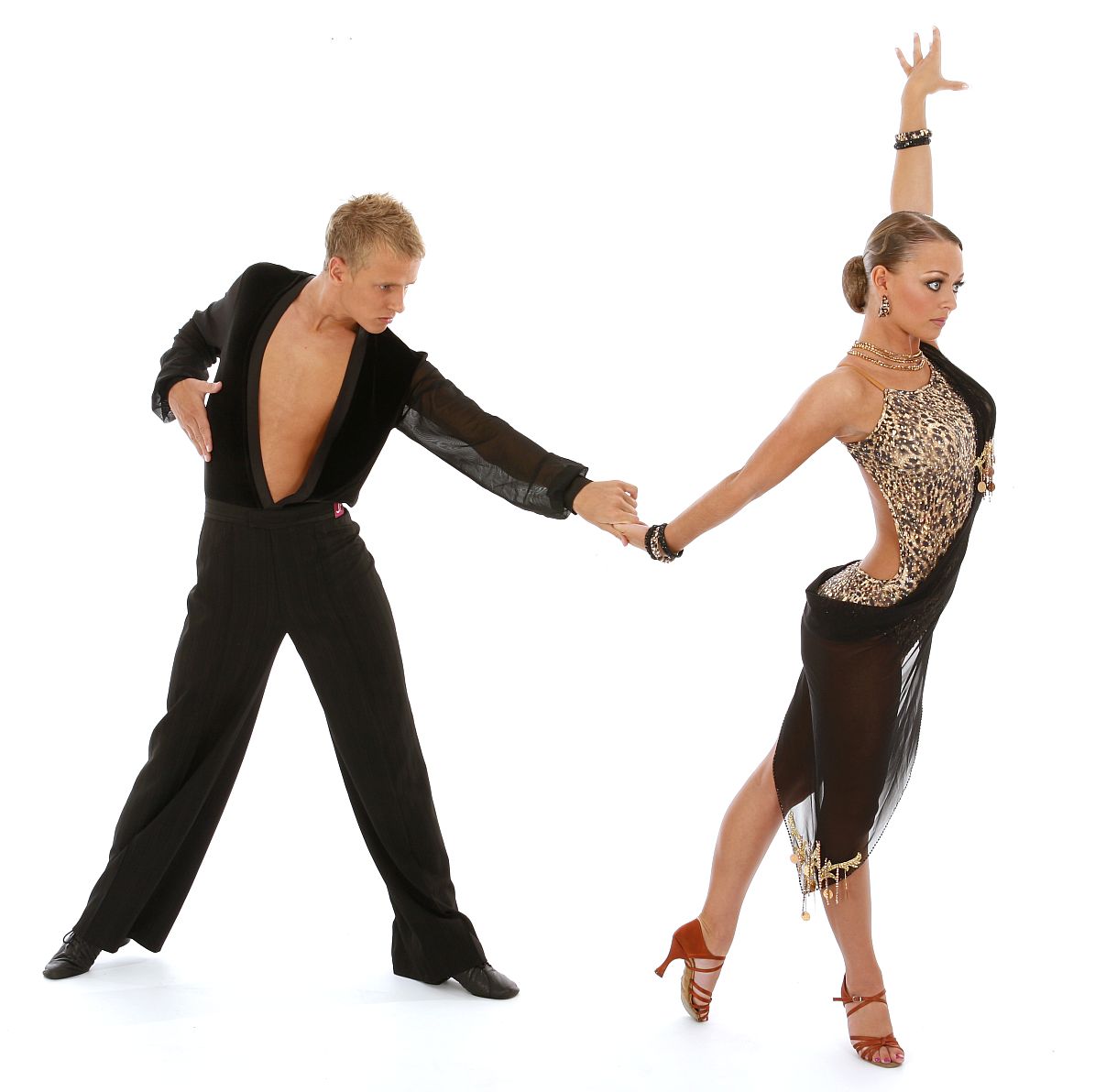
伦巴舞
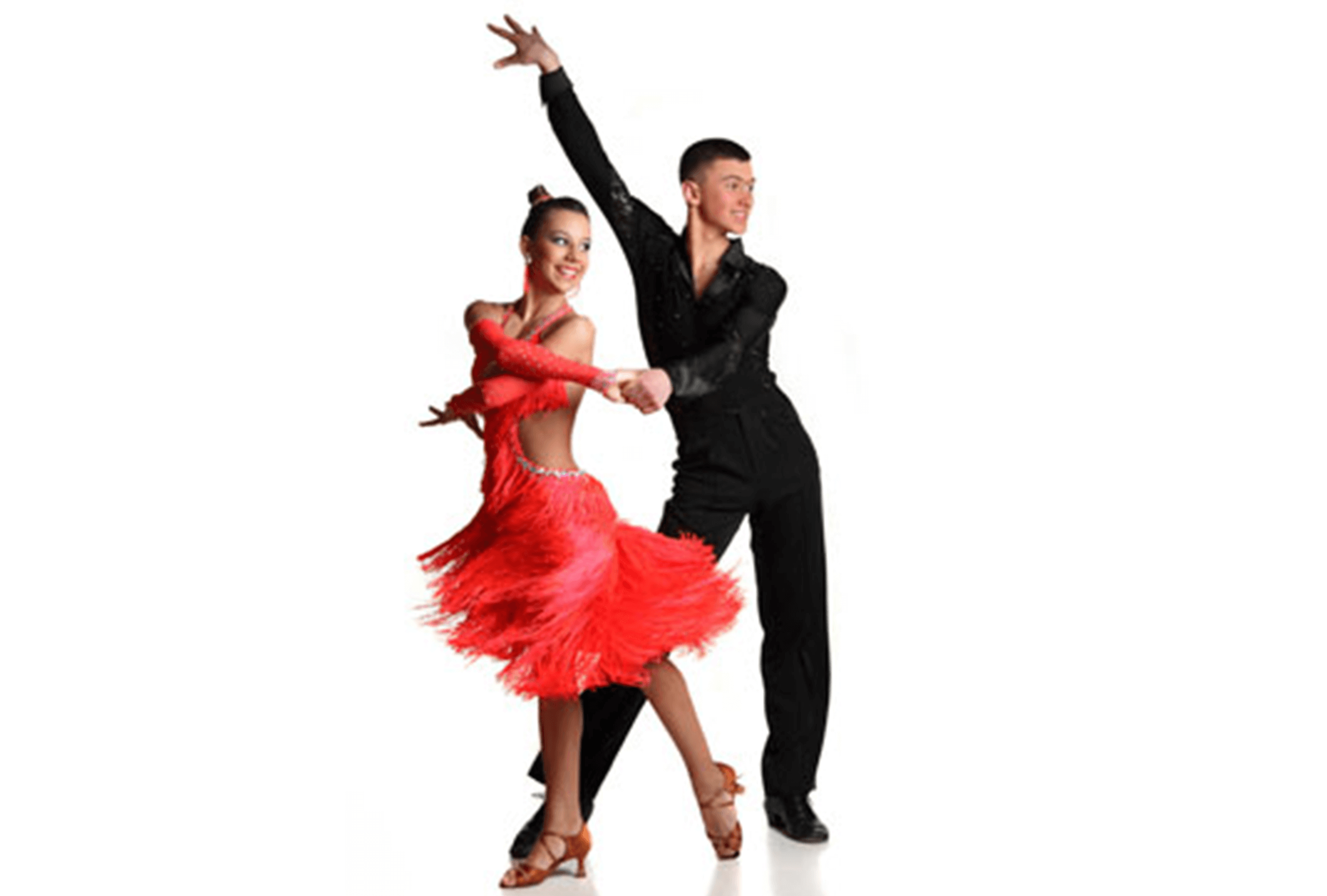
Die Rumba ist ein Paartanz kubanischer Herkunft, der etwa seit dem letzten Drittel des 20. Jahrhunderts in vielen Industrieländern zu den Gesellschafts- und Turniertänzen zählt. Taktart: 4/4-Takt Tempo: 25–27 Takte pro Minute Herkunft: Kuba

/assets/contentimages/Lun20Ba20.jpg

This image, video or audio may be copyrighted. It is used for educational purposes only. If you find it, please notify us byand we will remove it immediately.
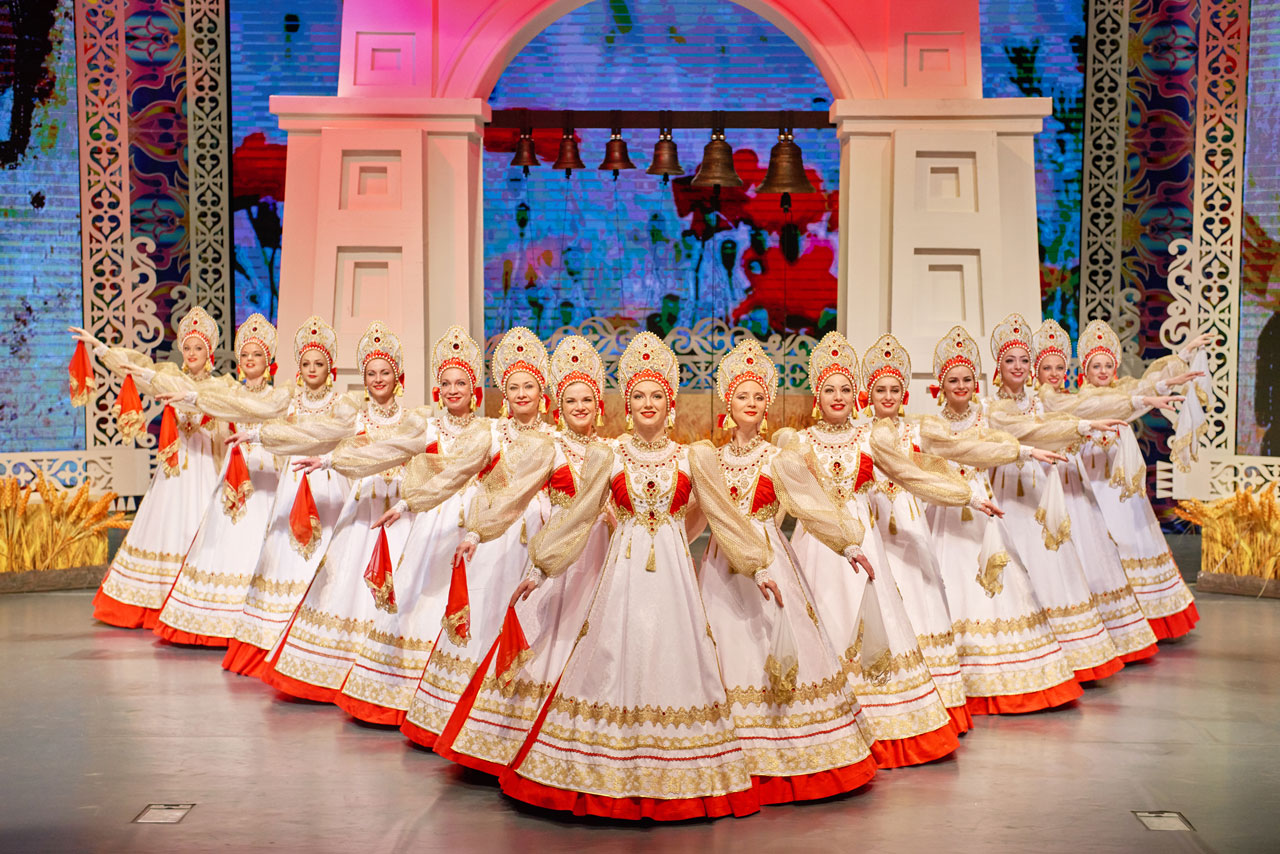
俄羅斯民间音樂和舞蹈表演 俄罗斯民间音乐和舞蹈表演/Русская народная музыка и танцевальное шоу

This image, video or audio may be copyrighted. It is used for educational purposes only. If you find it, please notify us byand we will remove it immediately.
ballet Founders Barbara Crockett & Deane Crockett Sacramento, California United States 1954–present
This image, video or audio may be copyrighted. It is used for educational purposes only. If you find it, please notify us byand we will remove it immediately.
莎莎舞
Die Salsa ist ein Gesellschaftstanz aus Lateinamerika, der paarweise oder in der Gruppe getanzt wird. Taktart: 4⁄4-Takt Tempo: 37–60 TPM Herkunft: USA und Karibik

This image, video or audio may be copyrighted. It is used for educational purposes only. If you find it, please notify us byand we will remove it immediately.
萨尔塔雷洛舞
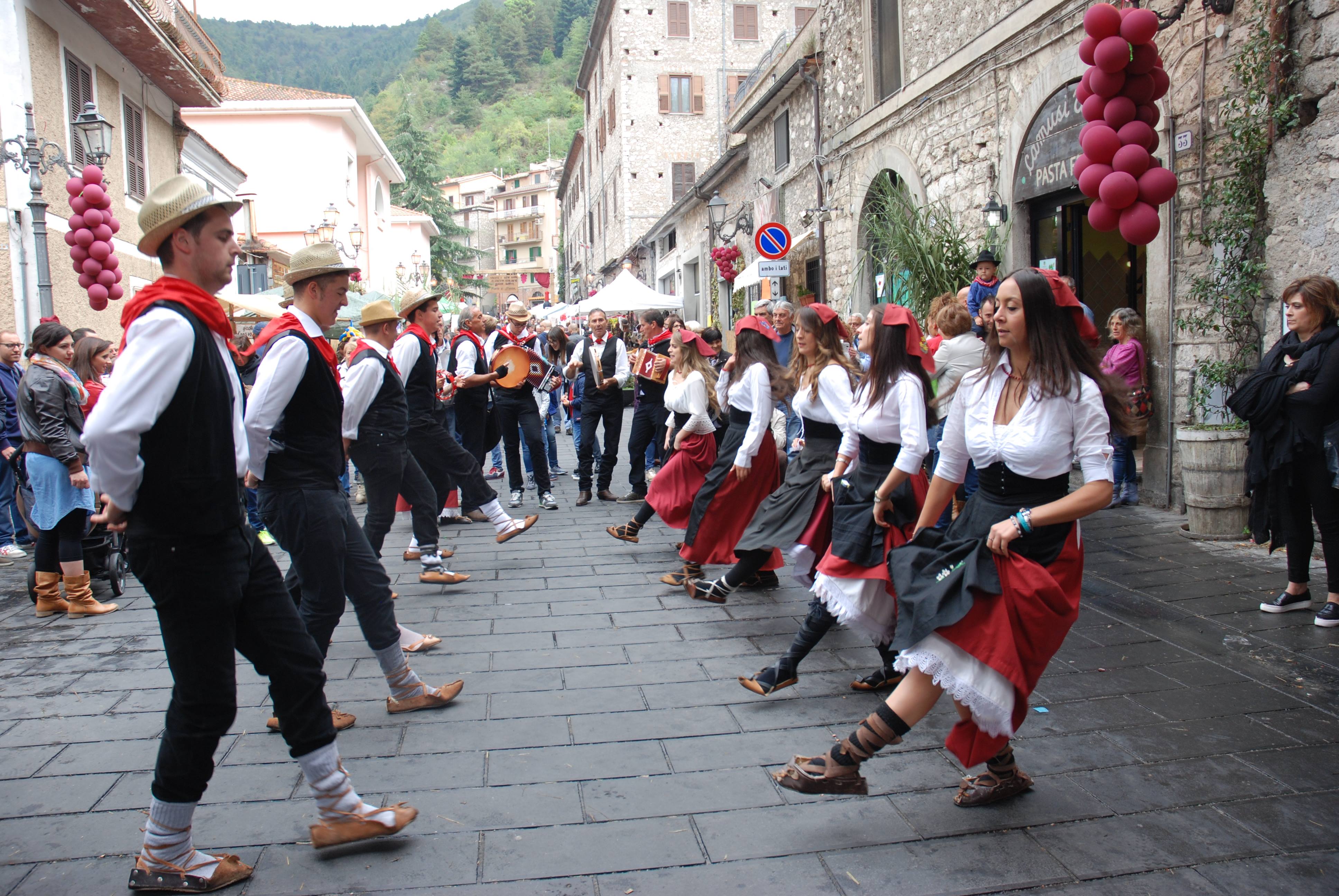
Der Saltarello ist ein lebhafter Tanz, der in Italien erstmals im 14. Jahrhundert erwähnt wird. Einige Saltarelli sind noch bekannt, aber frühe Tanzschritte sind unbekannt. Er ist nach seinem typischen Hüpfsprung (von italienisch saltare „hüpfen“) benannt.

Il saltarello è un ballo tipico delle regioni dell'Italia centrale, in modo particolare del Lazio, delle Marche, dell'Umbria, dell'Abruzzo della Toscana ed in parte del Molise (in queste due ultime regioni il ballo viene detto al femminile saltarella).
 

This image, video or audio may be copyrighted. It is used for educational purposes only. If you find it, please notify us byand we will remove it immediately.
桑巴舞
Der Samba, auch die Samba, (portugiesisch o samba, häufig auch „die Samba“) ist ein Gesellschaftstanz im Zweivierteltakt, der sich aus dem im Laufe des 19. Jahrhunderts entstandenen gleichnamigen brasilianischen Volkstanz mit afrikanischen Wurzeln entwickelte. Taktart: Zweivierteltakt Tempo: 50–52 TPM Herkunft: Brasilien

This image, video or audio may be copyrighted. It is used for educational purposes only. If you find it, please notify us byand we will remove it immediately.
舊金山芭蕾舞團 旧金山芭蕾舞团
ballet AD Helgi Tomasson San Francisco, California United States 1933–present

This image, video or audio may be copyrighted. It is used for educational purposes only. If you find it, please notify us byand we will remove it immediately.
ballet Founder Suzanne Braddy Savannah, Georgia United States 1998–present
This image, video or audio may be copyrighted. It is used for educational purposes only. If you find it, please notify us byand we will remove it immediately.
舒普拉特勒
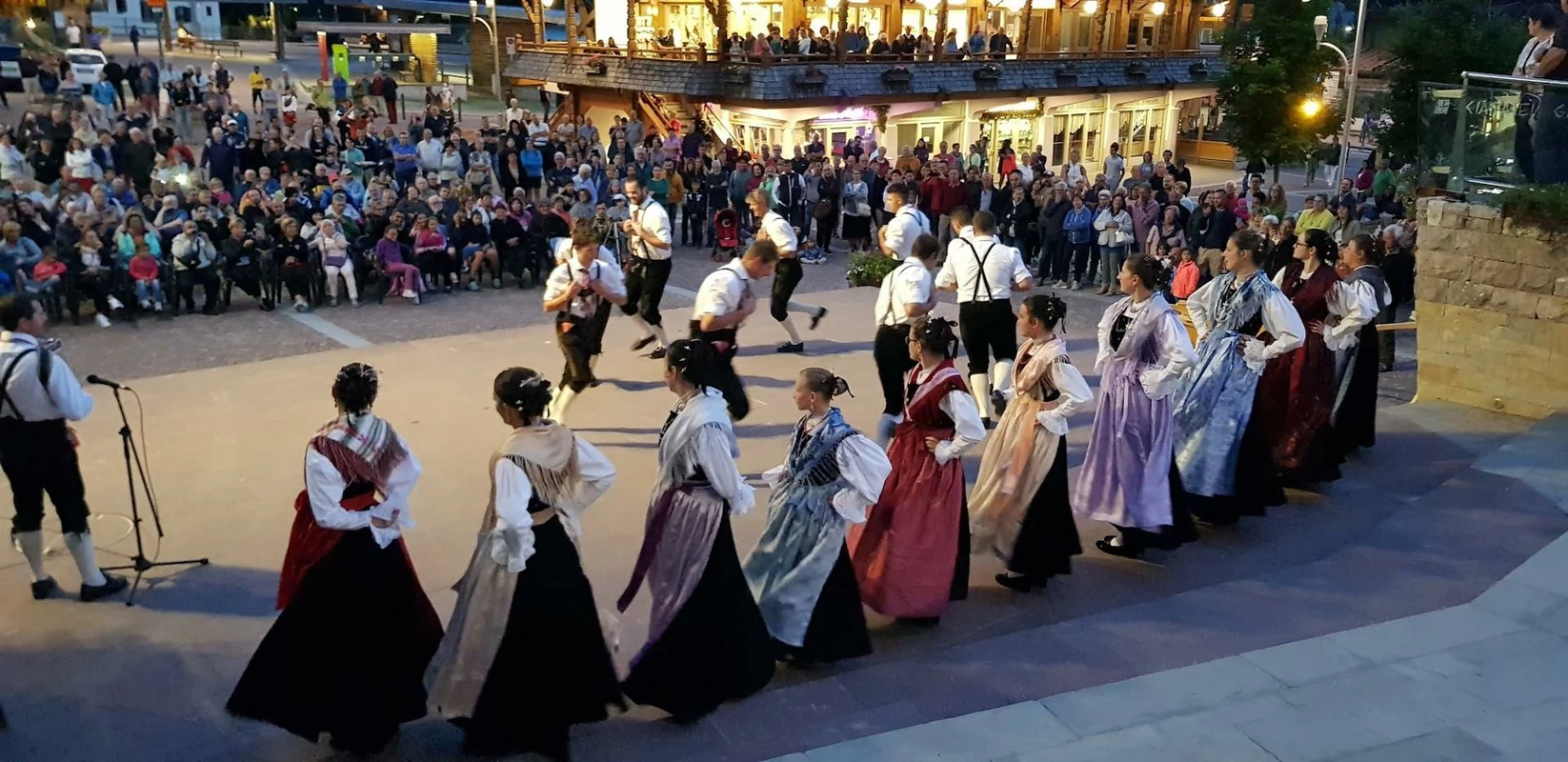
Schuhplattler bzw. Schuhplatteln ist der Name eines Tanzes aus dem Ostalpenraum. Schuhplattler bezeichnet auch die diesen Tanz ausführenden Personen. Taktart: meist Dreivierteltakt Herkunft: Oberbayern, Tirol und Salzburg

Schuhplattler bzw. Schuhplatteln ist der Name eines Tanzes aus dem OstalpenraumSchuhplattler bezeichnet auch die diesen Tanz ausführenden Personen. Der sich durch charakteristische Handschläge auf Oberschenkel und Schuhe auszeichnende Tanz ist aus dem Ländler entstanden. Im Laufe seiner Geschichte war der Schuhplattler Gegenstand gewichtiger Transformationen: Aus dem mit regionalen Unterschieden in relativ freien Formen dargebotenen Einzelpaartanz, bei dem der Bursche das mit ihm tanzende Mädchen umwarb, wurde in der heutigen Praxis ein meist zu Schauzwecken aufgeführter, weitgehend standardisierter Gruppenpaartanz ohne weibliche Beteiligung.

This image, video or audio may be copyrighted. It is used for educational purposes only. If you find it, please notify us byand we will remove it immediately.