
漢德百科全書 | 汉德百科全书
 阿布鲁佐大区

 建筑艺术
建筑艺术
 宗教
宗教

 地理
地理
 阿布鲁佐大区
阿尔萨斯
阿布鲁佐大区
阿尔萨斯
 巴登-符藤堡州
 巴伐利亚州
勃艮第
巴伐利亚州
勃艮第
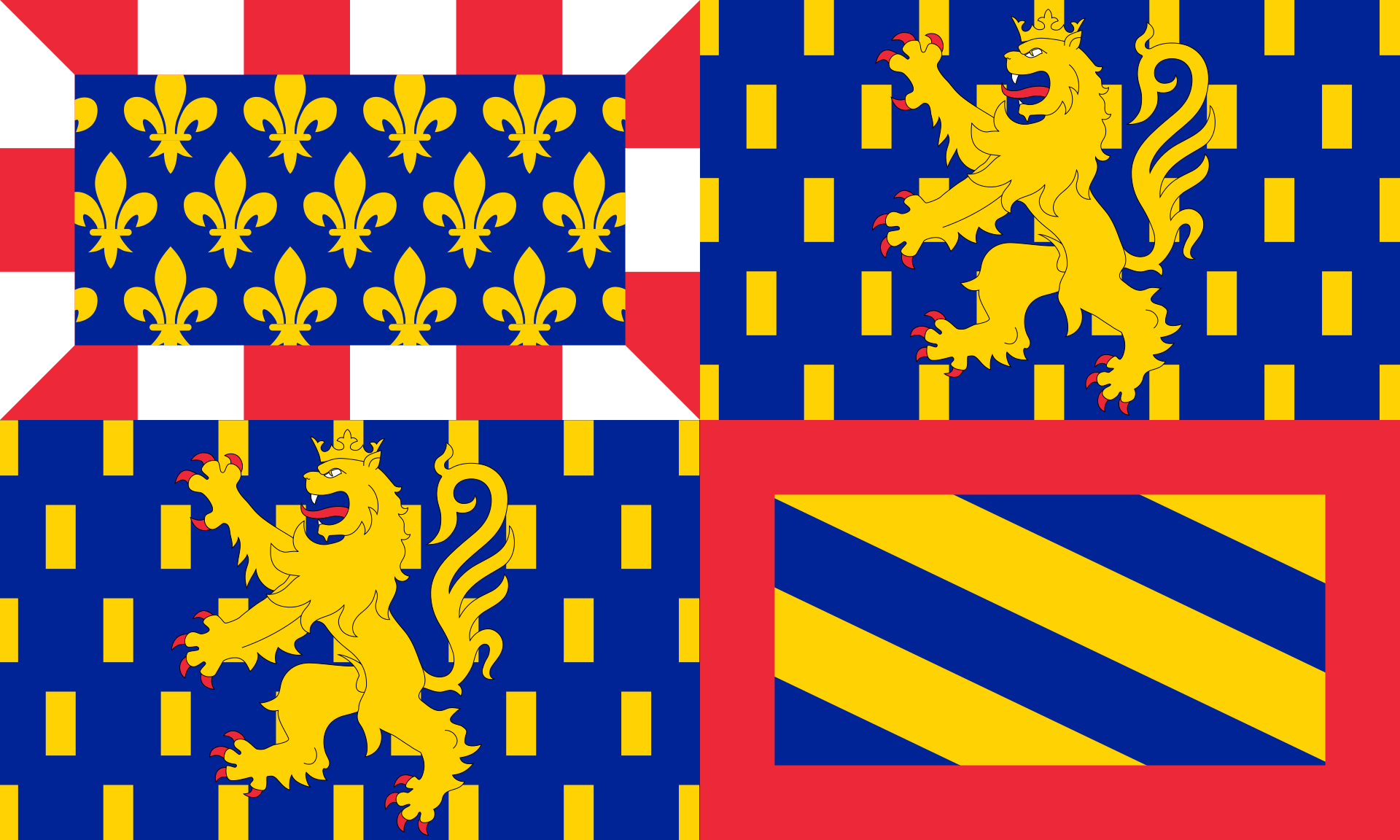 勃艮第-弗朗什-孔泰
联邦德国
法国
勃艮第-弗朗什-孔泰
联邦德国
法国
 历史
历史
历史
历史
 公元 1000 - 1500
历史
公元 1500 - 2000
公元 1000 - 1500
历史
公元 1500 - 2000
 大东部大区
爱尔兰
意大利
大东部大区
爱尔兰
意大利
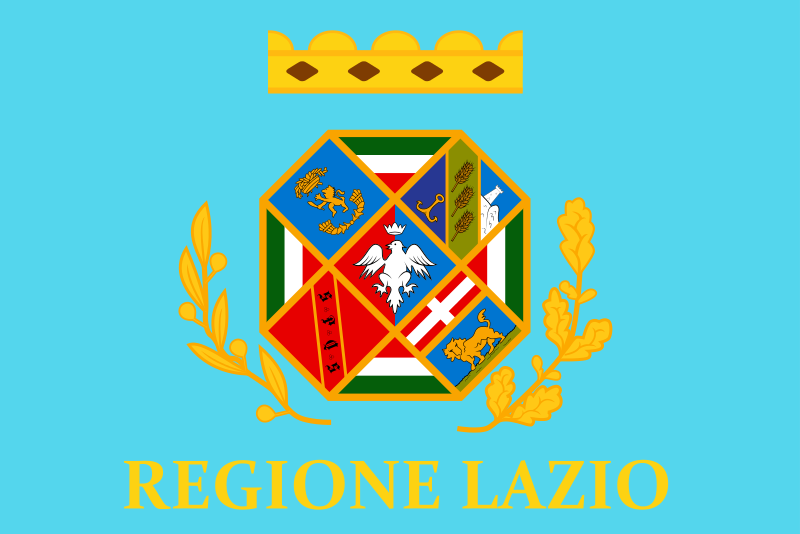 拉齐奥大区
拉齐奥大区
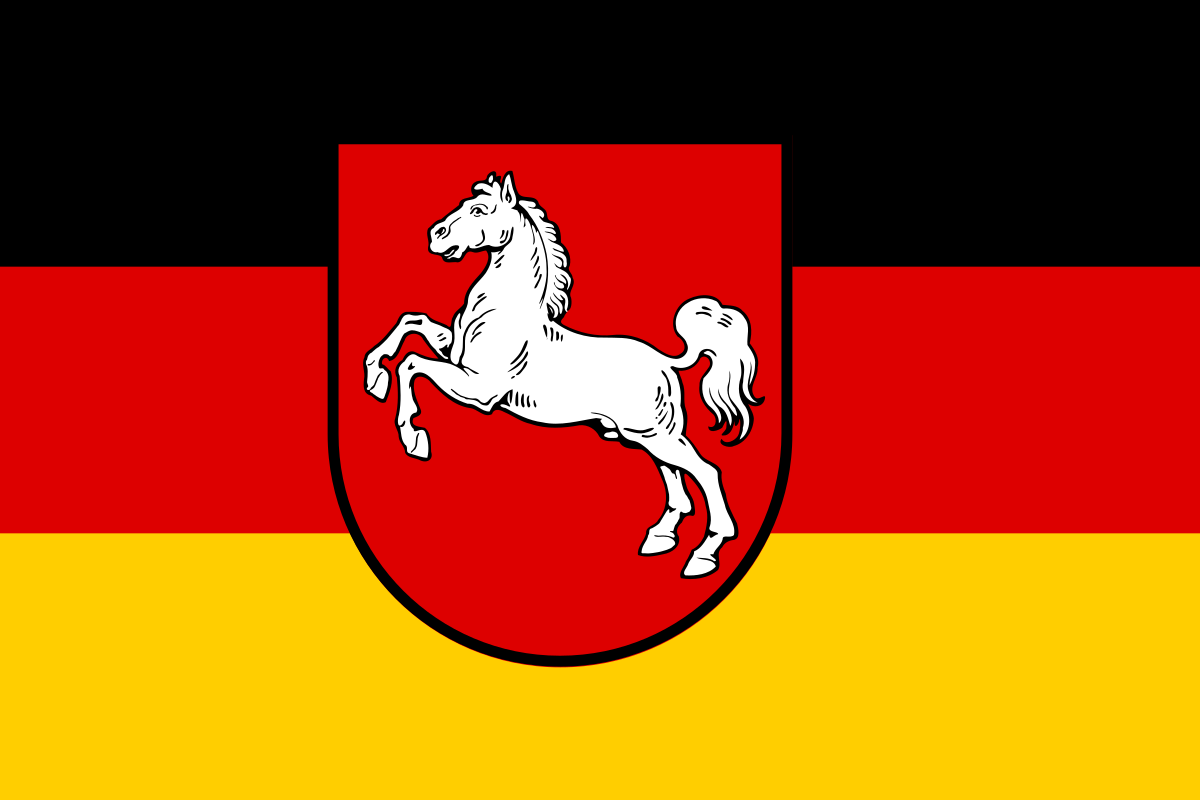 下萨克森州
下萨克森州
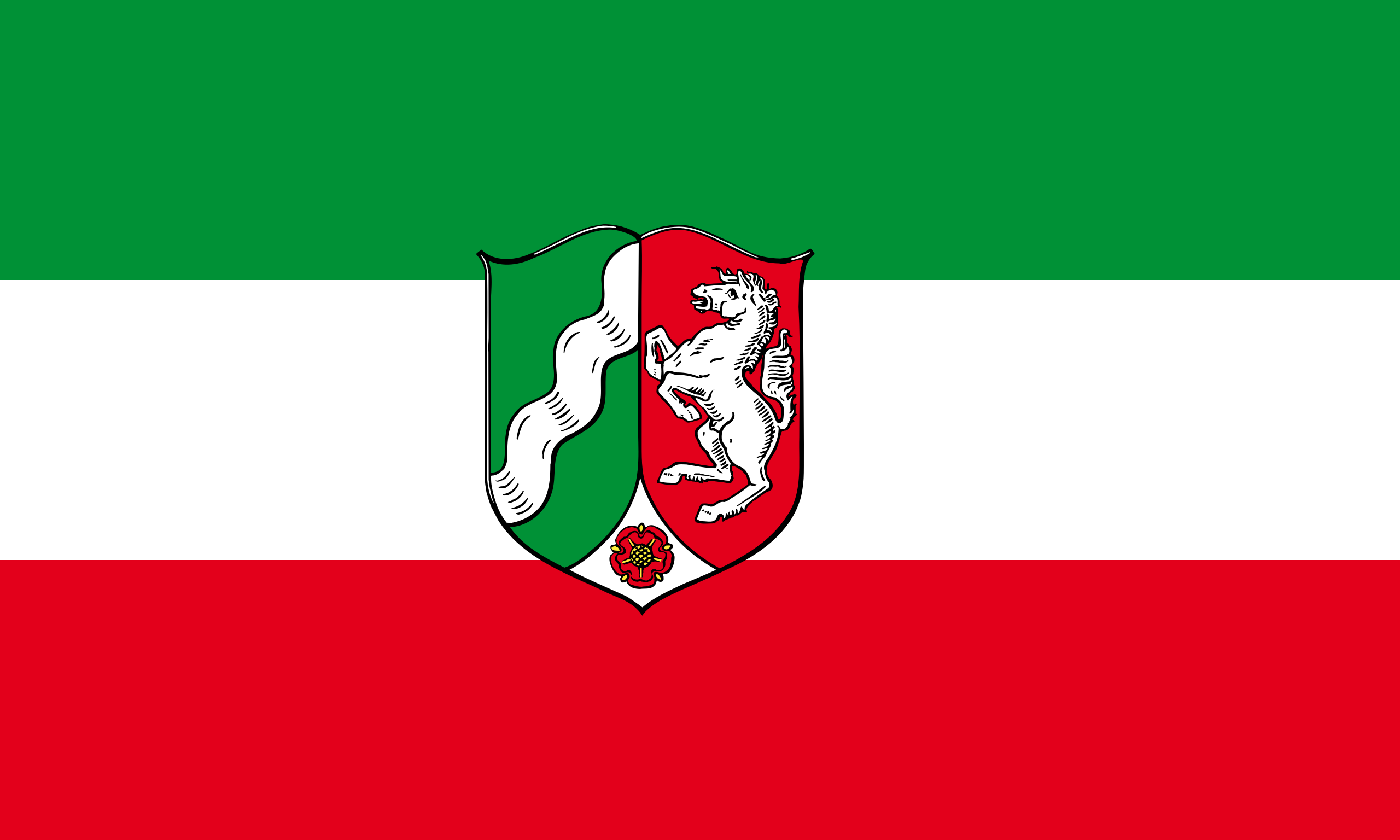 北莱茵-威斯特法伦州
 欧洲王室
俄罗斯
欧洲王室
俄罗斯
 萨克森州
瑞士
萨克森州
瑞士
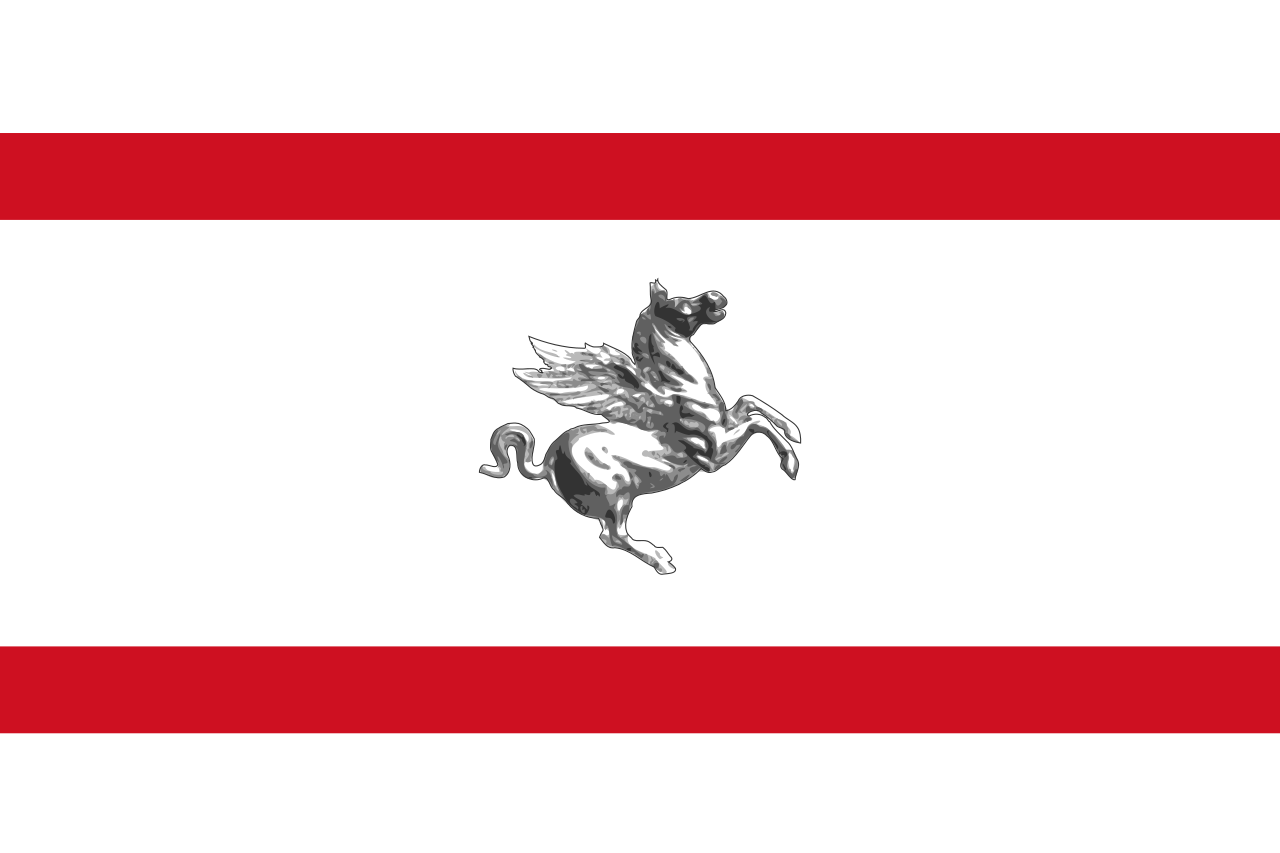 托斯卡纳大区
英国
托斯卡纳大区
英国
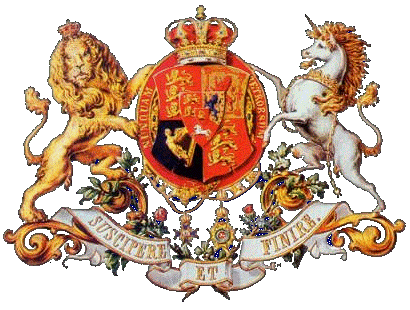
Die Welfen waren ein ursprünglich fränkisches Adelsgeschlecht aus dem Maas-Mosel-Raum, das seit dem 9. Jahrhundert bekannt ist und eng mit dem Kaiserhaus der Karolinger verwandt war, welches die Welfen mit einer Grafschaft in Oberschwaben belehnte sowie eine Seitenlinie im Jahr 888 mit dem Königreich Burgund. Als die Familie im Mannesstamm 1055 mit Welf III., Herzog von Kärnten und Markgraf von Verona, ausstarb, heiratete seine Schwester Kunigunde in die oberitalienische Familie d’Este ein, zu der die nachfolgenden jüngeren Welfen sämtlich gehören. Diese stellten ab 1070 (mit Unterbrechungen) bis 1180 die Herzöge von Bayern, von 1137 bis 1180 die Herzöge von Sachsen und ab 1235 die Herzöge von Braunschweig-Lüneburg.
1692 stieg die im Teilfürstentum Calenberg-Göttingen regierende Linie zu Kurfürsten von Hannover auf; sie erbte 1714 vom Haus Stuart den Thron des Vereinigten Königreichs von Großbritannien und Irland, den sie bis 1901 als Haus Hannover besetzte. Das Kurfürstentum Hannover wurde auf dem Wiener Kongress 1814 zum Königreich Hannover erhoben; die britischen Monarchen regierten es bis 1837 in Personalunion, danach – bis zur Annexion durch Preußen 1866 – ein nach Deutschland zurückgekehrter Zweig des englischen Königshauses. Eine ältere Linie regierte im Fürstentum Braunschweig-Wolfenbüttel, das 1814 zum Herzogtum Braunschweig wurde; nach dem Aussterben dieser Linie 1884 fiel der Braunschweiger Thron an die im österreichischen Exil lebende hannoversche Linie, die ihn aber erst 1913 einnehmen konnte, bis zur Novemberrevolution 1918.
Die Welfen hatten somit ihren Machtzenit zum einen im Heiligen Römischen Reich im 12. Jahrhundert als Gegenpart zu den Staufern, zum anderen im 18. und 19. Jahrhundert als Könige von Großbritannien und Irland. Sie sind, neben den Kapetingern und Reginaren, das älteste noch existierende Hochadelsgeschlecht Europas.
Am 6. Februar 1981 starb mit der damals 63 Jahre alten Königin Friederike von Griechenland, Tochter des 1918 entthronten Braunschweiger Herzogs, die vorerst letzte Welfin auf einem Thron. Ihr Neffe Ernst August von Hannover (* 1954), Ehemann von Prinzessin Caroline von Monaco, ist zurzeit Oberhaupt der Welfen-Familie.
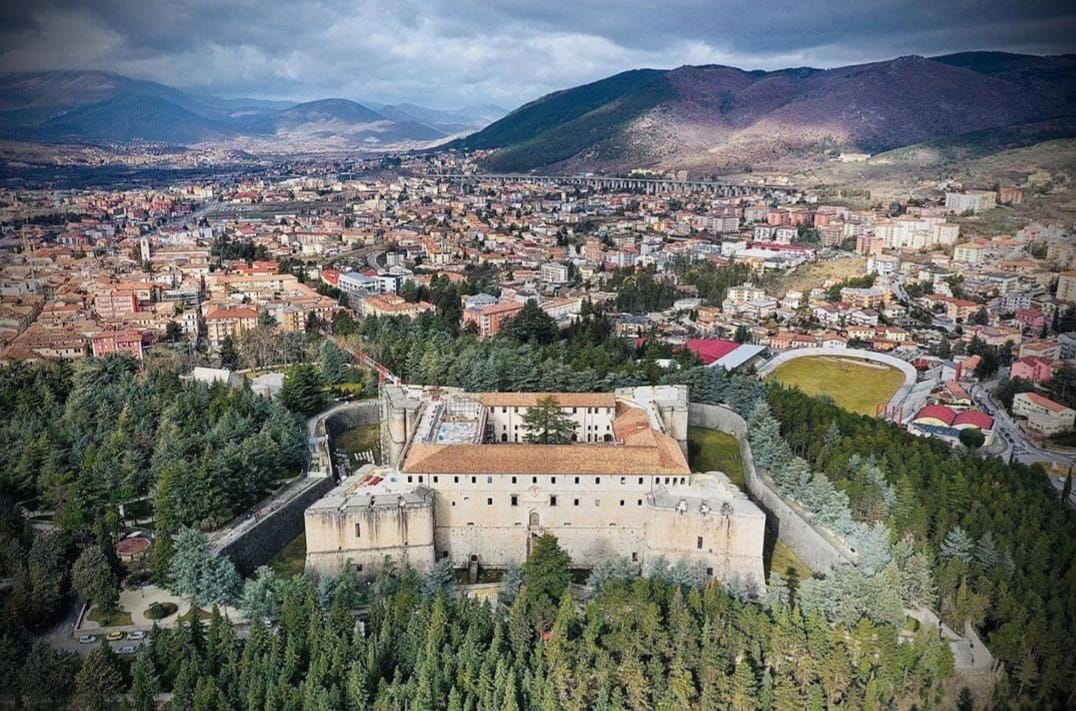 阿布鲁佐大区
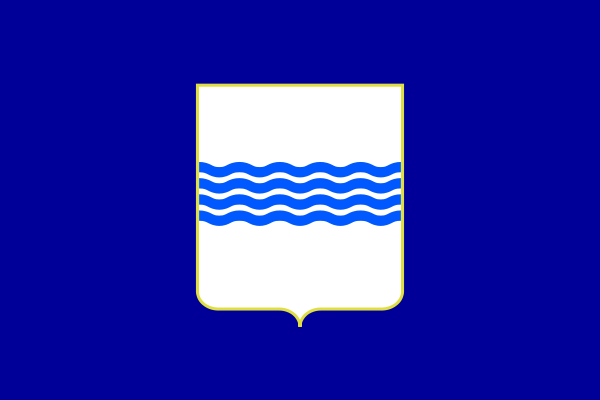 巴西利卡塔大区
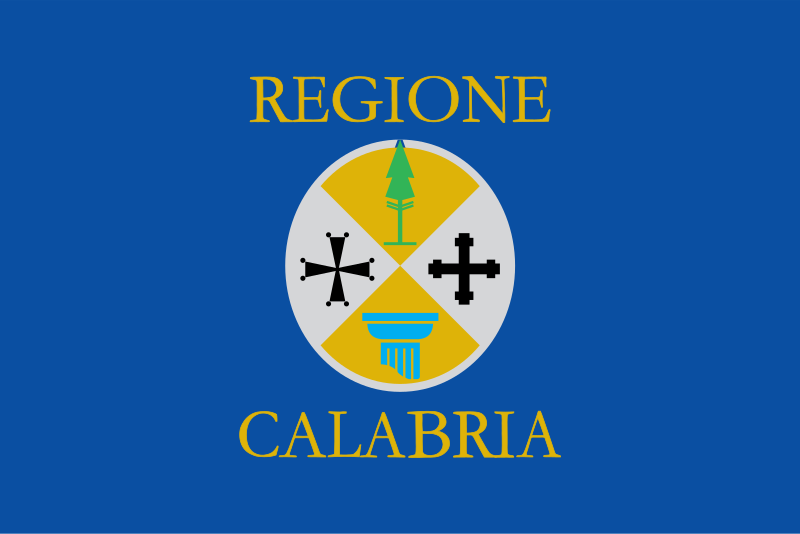 卡拉布里亚大区
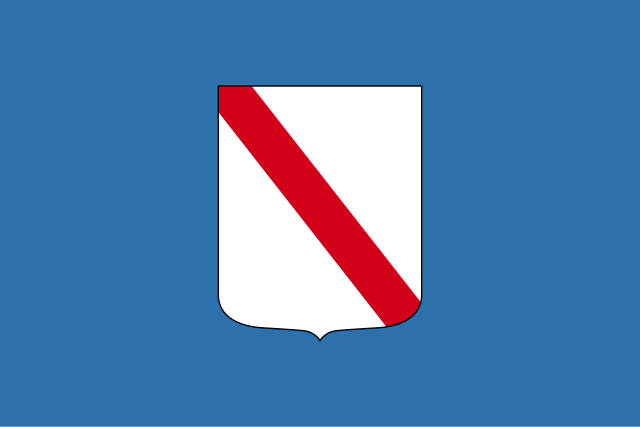 坎帕尼亚大区
 艾米利亚-罗马涅大区
意大利
拉齐奥大区
艾米利亚-罗马涅大区
意大利
拉齐奥大区
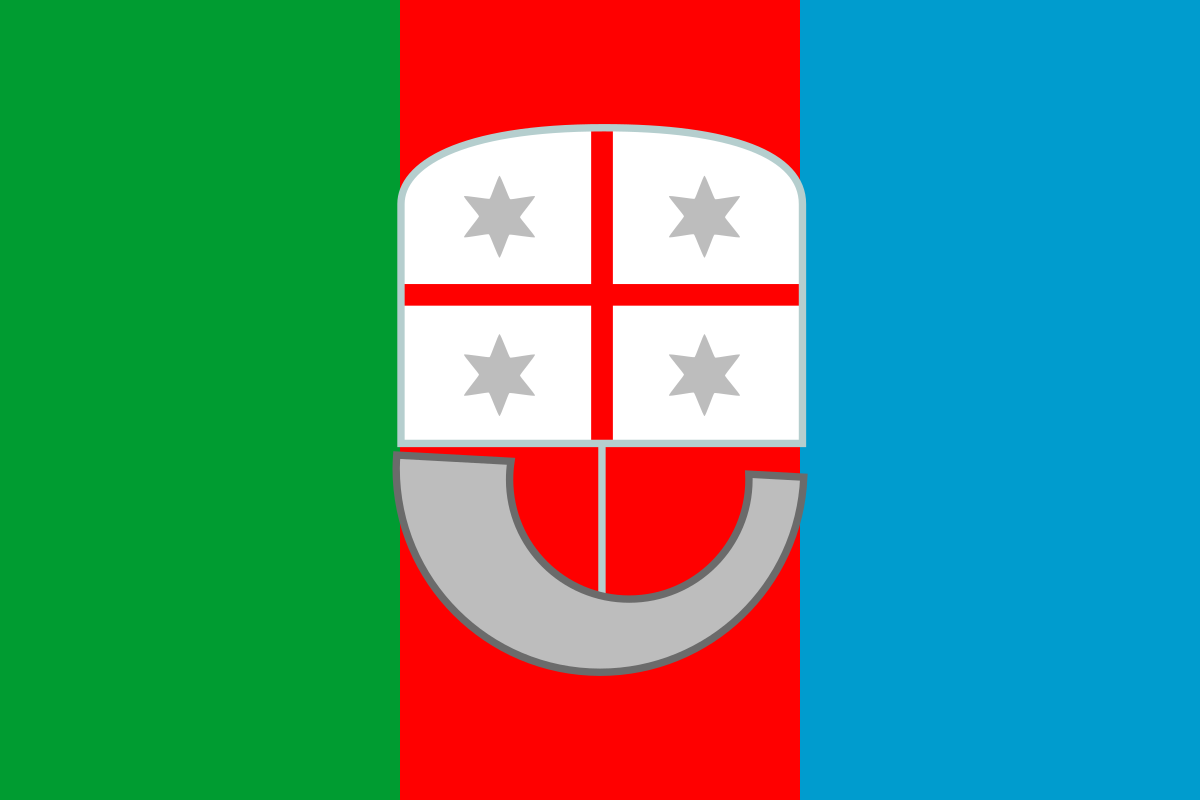 利古里亚大区
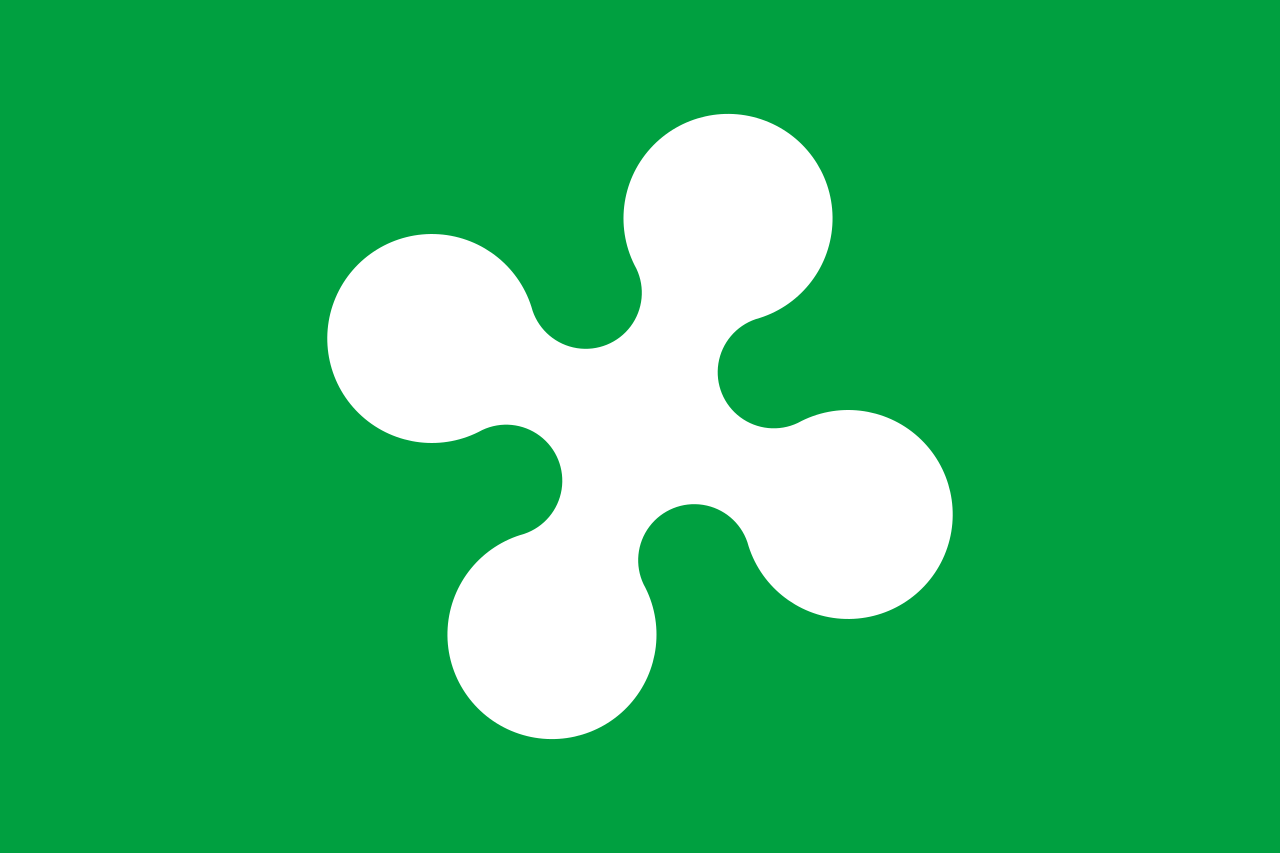 伦巴第大区
伦巴第大区
 马尔凯大区
马尔凯大区
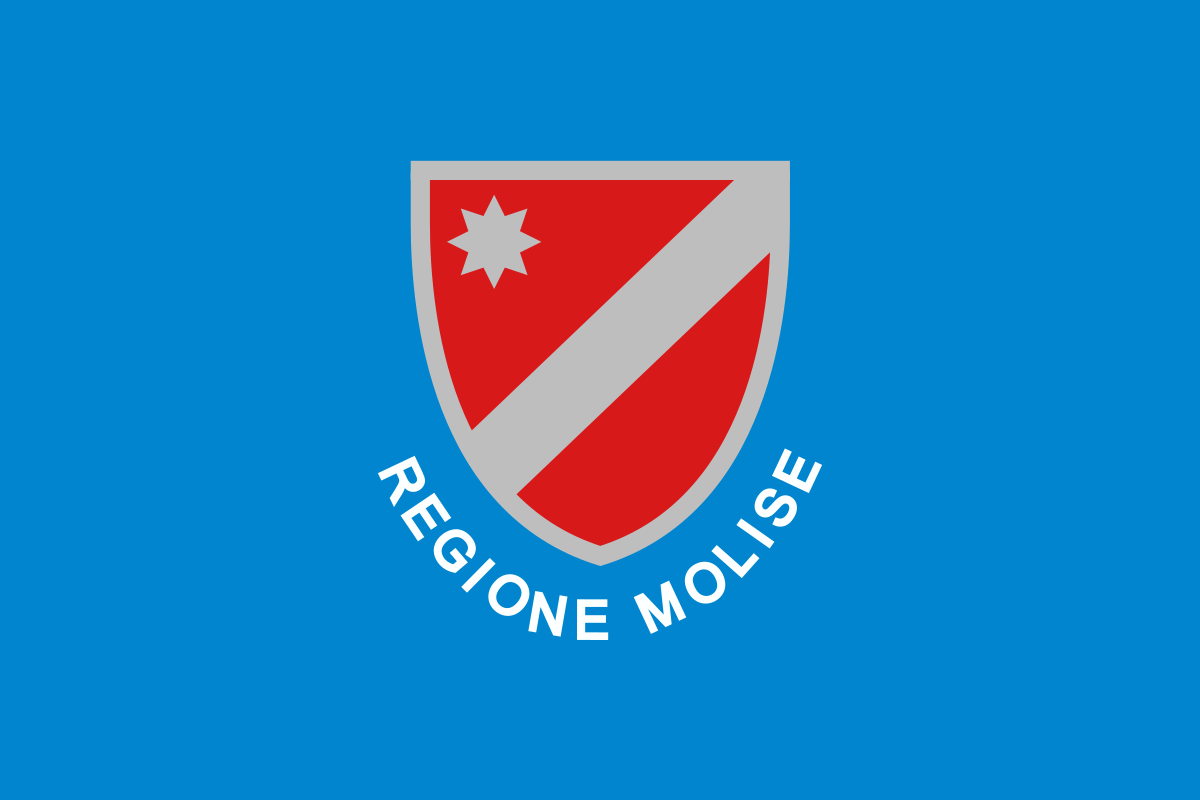 莫利塞大区
莫利塞大区
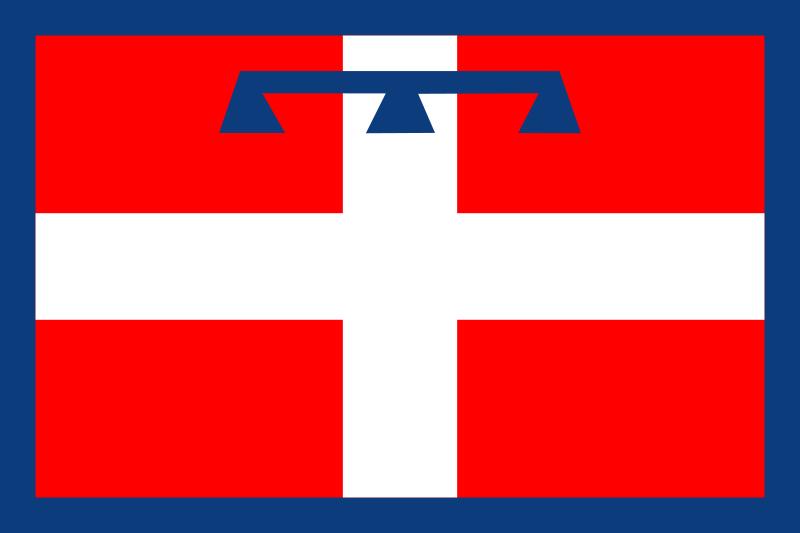 皮埃蒙特大区
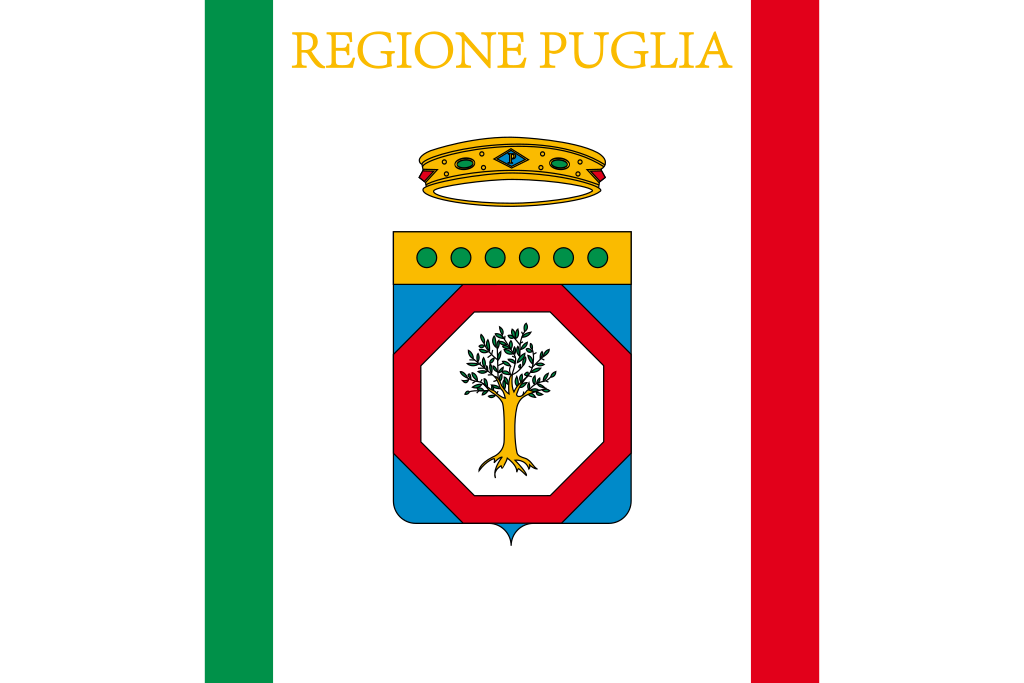 普利亚大区
普利亚大区
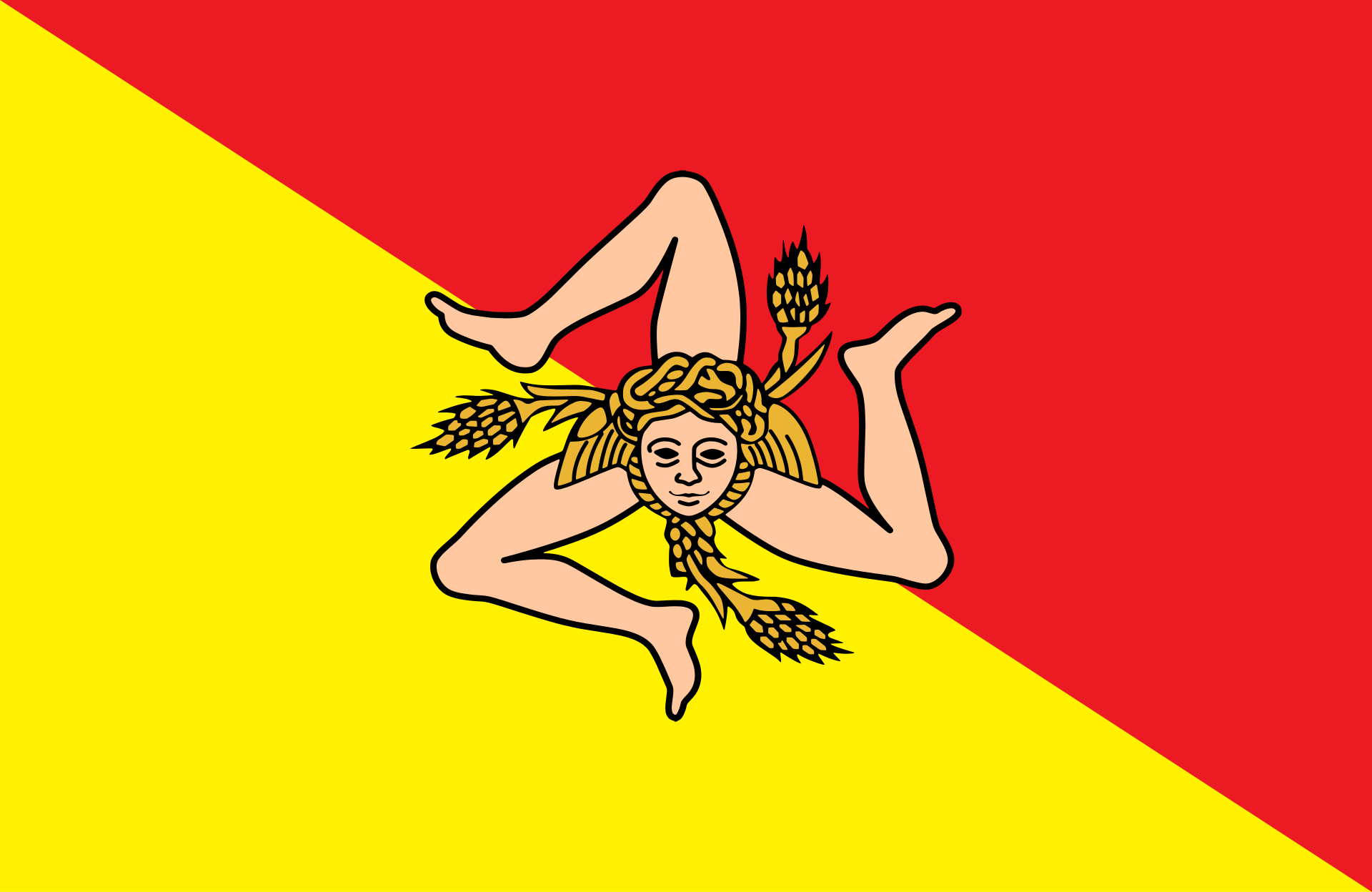 西西里大区
托斯卡纳大区
西西里大区
托斯卡纳大区
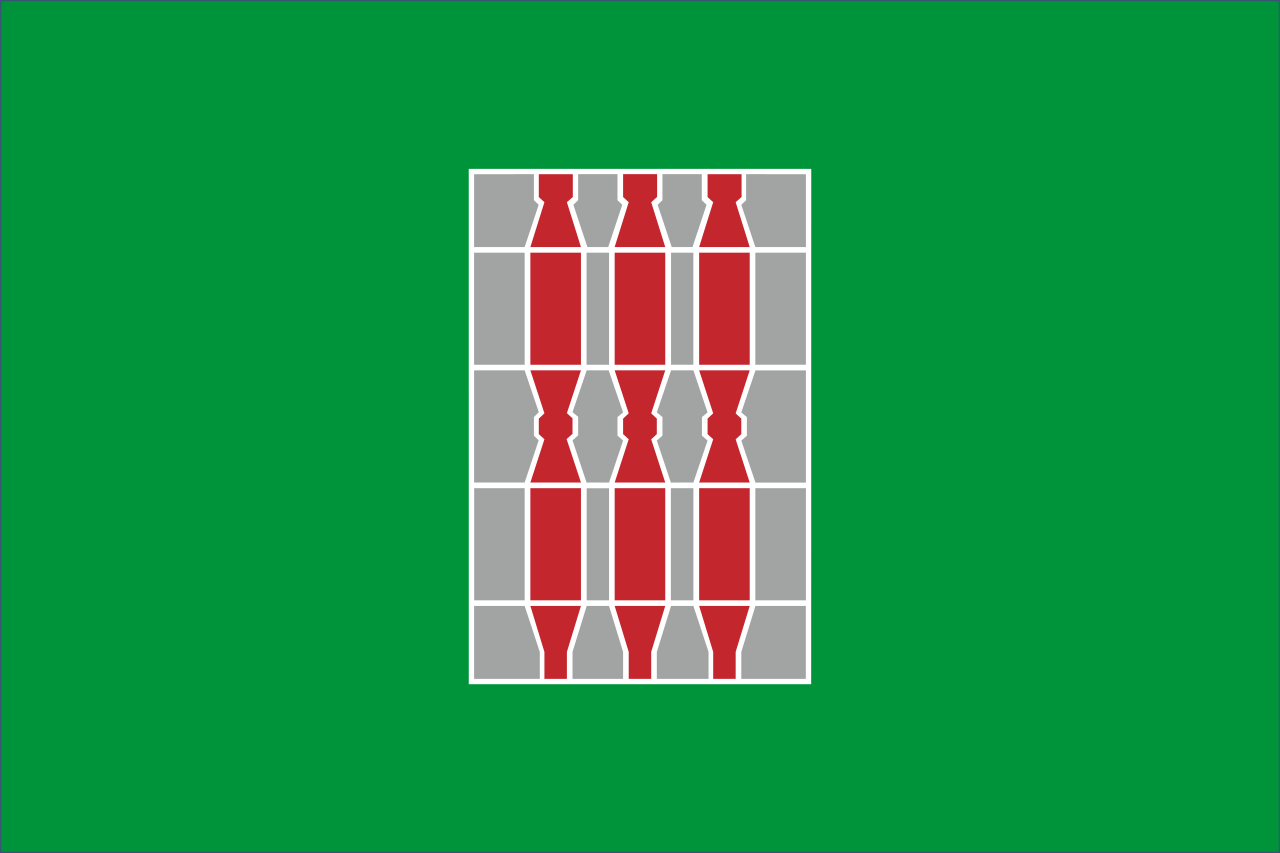 翁布里亚大区

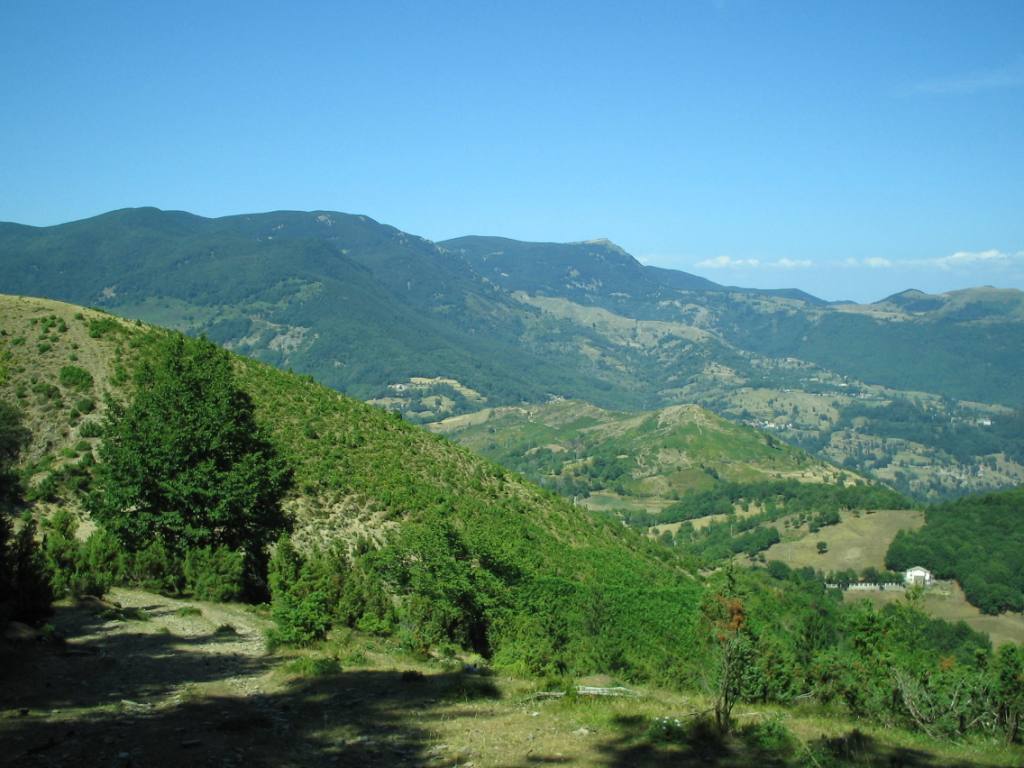
Der Apennin (auch im Plural die Apenninen; italienisch gli Appennini) ist ein rund 1500 km langer Gebirgszug in Italien (sowie zu sehr kleinen Teilen in San Marino), der einen großen Teil des Staatsgebiets durchzieht, überwiegend in Nordwest-Südost-Richtung. Über den Apennin verläuft die Hauptwasserscheide Italiens. Er ist Teil des Alpidischen Gebirgssystems. Der Großteil des Gebirges liegt auf der Apenninhalbinsel.
Der Apennin beginnt im Nordwesten Italiens und bildet im Ligurischen Apennin die Fortsetzung der Ligurischen Alpen. Die Grenze zwischen Alpen und Apennin bildet der Col di Cadibona (436 m). Von dort reicht der Apennin Richtung Osten über die Apuanischen Alpen bis zur Adriaküste, wo er sich nach Süden wendet und im Abruzzischen Apennin mit dem Massiv des Gran Sasso d’Italia (2912 m) seine größte Höhe erreicht.
Weiter südwärts teilt sich der Apennin in einzelne kleinere Gebirgsteile wie die Sila und den Aspromonte auf und findet seine Fortsetzung in den Gebirgen Nordsiziliens.
Im Apennin herrscht typisches Gebirgsklima mit niedrigen Temperaturen, jedoch starken Temperaturschwankungen und hohen Niederschlägen. Im Hügelland und den Vorgebirgen ist das Klima mediterran beeinflusst, mit Niederschlagsmengen von etwa 800 mm und einer deutlichen Sommertrockenheit. In den subalpinen Regionen steigt die Niederschlagsmenge auf über 1300 mm, wobei ein deutlicher West-Ost-Unterschied besteht.
亚平宁山脉(意大利语:Appennini[1]),位于亚平宁半岛东侧,是亚平宁半岛的主干山脉,北起阿尔卑斯山南麓,南至亚平宁半岛南端,全长超过1000公里。全境属意大利管辖。
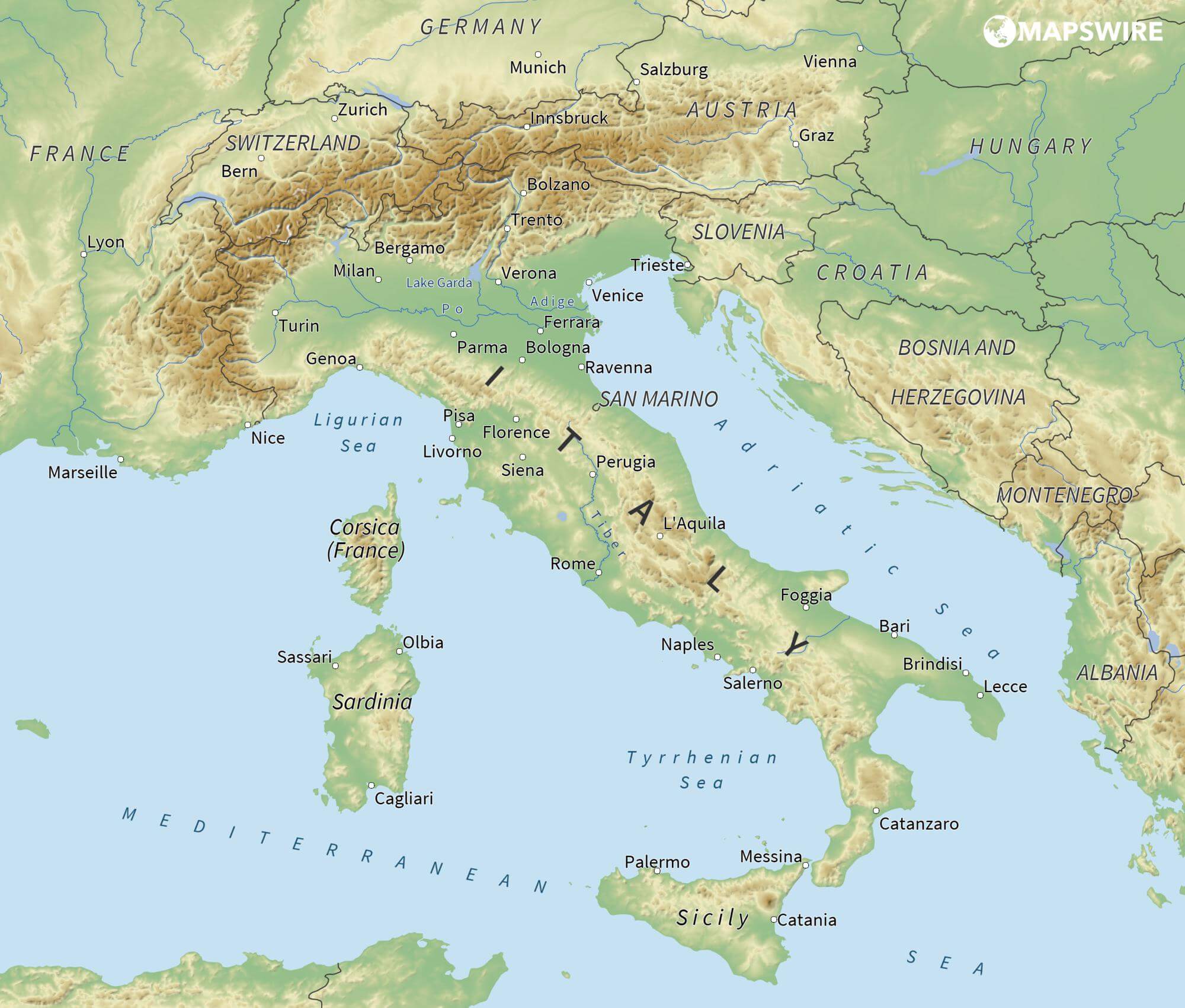
Das Adriatische Meer, kurz auch die Adria (lateinisch Mare Adriaticum; italienisch Mare Adriatico; bosnisch, kroatisch und serbisch Jadransko more oder kurz Jadran; slowenisch Jadransko morje; albanisch Deti Adriatik oder kurz Adriatiku), ist das lang gestreckte nördliche Seitenbecken des Mittelmeeres zwischen der Apenninhalbinsel und Balkanhalbinsel. Es ist nach der Stadt Adria in Italien (Provinz Rovigo) benannt. Zum Adriatischen Meer wird alles gerechnet, was nördlich der Straße von Otranto liegt.
亚得里亚海(意大利语:Mar Adriatico,斯洛文尼亚语:Jadransko morje,克罗地亚语:Jadransko more,阿尔巴尼亚语:Deti Adriatik),是地中海的一部分水域,分隔了意大利半岛(亚平宁半岛)和巴尔干半岛,也分隔了亚平宁山脉与狄那里克阿尔卑斯山脉及其临近地区。亚得里亚海西岸属于意大利,东岸则分别属于斯洛文尼亚、克罗地亚、波斯尼亚和黑塞哥维那、黑山和阿尔巴尼亚。亚得里亚海透过位于其南部的奥特朗托海峡与爱奥尼亚海相连。波河、阿迪杰河、奥凡托河等河流流入亚得里亚海;海中有近1200个岛屿,其中只有69个有人居住。
アドリア海(アドリアかい、英: Adriatic Sea ; イタリア語: Mar Adriatico ; クロアチア語: Jadransko more)は、地中海の海域の一つ。イタリア半島とバルカン半島に挟まれている。
The Adriatic Sea (/ˌeɪdriˈætɪk/) is a body of water separating the Italian Peninsula from the Balkans. The Adriatic is the northernmost arm of the Mediterranean Sea, extending from the Strait of Otranto (where it connects to the Ionian Sea) to the northwest and the Po Valley. The countries with coasts on the Adriatic are Albania, Bosnia and Herzegovina, Croatia, Italy, Montenegro and Slovenia. The Adriatic contains over 1,300 islands, mostly located along the Croatian part of its eastern coast. It is divided into three basins, the northern being the shallowest and the southern being the deepest, with a maximum depth of 1,233 metres (4,045 ft). The Otranto Sill, an underwater ridge, is located at the border between the Adriatic and Ionian Seas. The prevailing currents flow counterclockwise from the Strait of Otranto, along the eastern coast and back to the strait along the western (Italian) coast. Tidal movements in the Adriatic are slight, although larger amplitudes are known to occur occasionally. The Adriatic's salinity is lower than the Mediterranean's because the Adriatic collects a third of the fresh water flowing into the Mediterranean, acting as a dilution basin. The surface water temperatures generally range from 30 °C (86 °F) in summer to 12 °C (54 °F) in winter, significantly moderating the Adriatic Basin's climate.
The Adriatic Sea sits on the Apulian or Adriatic Microplate, which separated from the African Plate in the Mesozoic era. The plate's movement contributed to the formation of the surrounding mountain chains and Apennine tectonic uplift after its collision with the Eurasian plate. In the Late Oligocene, the Apennine Peninsula first formed, separating the Adriatic Basin from the rest of the Mediterranean. All types of sediment are found in the Adriatic, with the bulk of the material transported by the Po and other rivers on the western coast. The western coast is alluvial or terraced, while the eastern coast is highly indented with pronounced karstification. There are dozens of marine protected areas in the Adriatic, designed to protect the sea's karst habitats and biodiversity. The sea is abundant in flora and fauna—more than 7,000 species are identified as native to the Adriatic, many of them endemic, rare and threatened ones.
The Adriatic's shores are populated by more than 3.5 million people; the largest cities are Bari, Venice, Trieste and Split. The earliest settlements on the Adriatic shores were Etruscan, Illyrian, and Greek. By the 2nd century BC, the shores were under Rome's control. In the Middle Ages, the Adriatic shores and the sea itself were controlled, to a varying extent, by a series of states—most notably the Byzantine Empire, the Croatian Kingdom, the Republic of Venice, the Habsburg Monarchy and the Ottoman Empire. The Napoleonic Wars resulted in the First French Empire gaining coastal control and the British effort to counter the French in the area, ultimately securing most of the eastern Adriatic shore and the Po Valley for Austria. Following Italian unification, the Kingdom of Italy started an eastward expansion that lasted until the 20th century. Following World War I and the collapse of Austria-Hungary and the Ottoman Empire, the eastern coast's control passed to Yugoslavia and Albania. The former disintegrated during the 1990s, resulting in four new states on the Adriatic coast. Italy and Yugoslavia agreed on their maritime boundaries by 1975 and this boundary is recognised by Yugoslavia's successor states, but the maritime boundaries between Slovenia, Croatia, Bosnia-Herzegovina, and Montenegro are still disputed. Italy and Albania agreed on their maritime boundary in 1992.
Fisheries and tourism are significant sources of income all along the Adriatic coast. Adriatic Croatia's tourism industry has grown faster economically than the rest of the Adriatic Basin's. Maritime transport is also a significant branch of the area's economy—there are 19 seaports in the Adriatic that each handle more than a million tonnes of cargo per year. The largest Adriatic seaport by annual cargo turnover is the Port of Trieste, while the Port of Split is the largest Adriatic seaport by passengers served per year.
La mer Adriatique (du latin : Mare Hadriaticum ou Mare Adriaticum) est une mer séparant la péninsule italienne de la péninsule balkanique. L'Adriatique est le bras de la Méditerranée situé le plus au nord en s'étendant du canal d'Otrante (où elle rejoint la mer Ionienne) jusqu'aux villes de Venise et de Trieste et à l'embouchure du Pô. Les pays côtiers sont l'Italie, la Slovénie, la Croatie, la Bosnie-Herzégovine, le Monténégro et l'Albanie, ainsi que la Grèce par l'île de Corfou.
Il mare Adriatico è l'articolazione del mar Mediterraneo orientale situata tra la penisola italiana e la penisola balcanica; suddiviso in Alto Adriatico, Medio Adriatico e Basso Adriatico, bagna sei Paesi: Italia, Slovenia, Croazia, Bosnia ed Erzegovina, Montenegro e Albania, confinando a sud-est con il Mar Ionio.
El mar Adriático (del latín, Mare Hadriaticum) es un golfo estrecho y alargado que forma parte del mar Mediterráneo. Se encuentra situado entre la península Itálica, al oeste, y la península de los Balcanes, al este, con una anchura máxima de unos 200 km, y una longitud de unos 800 km. Su extremo meridional limita con el mar Jónico, del que lo separa el canal de Otranto. Su superficie total es de, aproximadamente, 160 000 km².
Las costas occidental, septentrional, y parte de la oriental corresponden a Italia (60% de la longitud de costa del Adriático), mientras que el resto de la costa oriental corresponde a Croacia, Eslovenia, Bosnia y Herzegovina, Montenegro y Albania. Algunos de los ríos que desembocan en el Adriático son el Reno, el Po, el Adigio, el Brenta, el Piave y el Neretva.
La costa del Adriático concentra un gran número de centros turísticos, como Venecia, que recibe el nombre de «Reina del Adriático». Tras la división de Yugoslavia, la costa croata se ha convertido también en un destino turístico muy popular.
Sus aguas sostienen industria pesquera, y se llevan a cabo prospecciones petrolíferas en este mar. Durante los años 1990, varias investigaciones revelaron que sus niveles de contaminación son muy altos.
En las últimas décadas el gobierno de Italia ha intentado hacer de él una barrera contra la inmigración ilegal, en su mayor parte proveniente de Albania.
Адриати́ческое мо́ре (итал. mare Adriatico, эмил.-ром. Mèr Adriâtic, вен. Mar Adriàtico, неап. Mar Adriateco, словен. Jadransko morje, сербохорв. Jadransko more/Јадранско море, алб. Deti Adriatik, лат. mare Hadriaticum), также Адриатика — полузамкнутое море, часть Средиземного моря между Апеннинским и Балканским полуостровами. Омывает берега Италии (более 1000 км), Словении (47 км), Хорватии (1777 км), Боснии и Герцеговины (20 км), Черногории (200 км), Албании (472 км).

 运输和交通
阿布鲁佐大区
巴西利卡塔大区
卡拉布里亚大区
坎帕尼亚大区
艾米利亚-罗马涅大区
运输和交通
阿布鲁佐大区
巴西利卡塔大区
卡拉布里亚大区
坎帕尼亚大区
艾米利亚-罗马涅大区
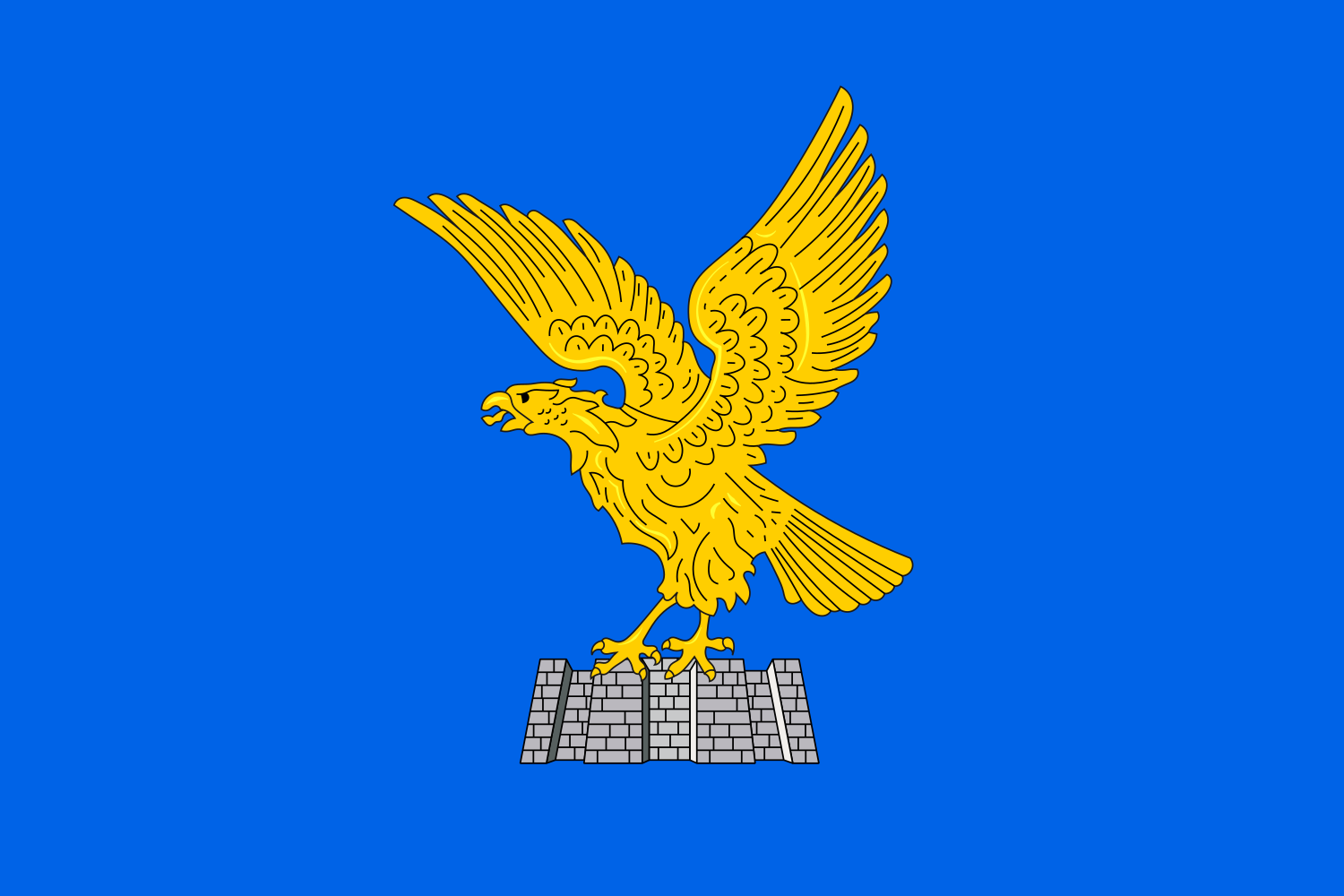 弗留利-威尼斯朱利亚
意大利
拉齐奥大区
利古里亚大区
伦巴第大区
马尔凯大区
莫利塞大区
皮埃蒙特大区
普利亚大区
弗留利-威尼斯朱利亚
意大利
拉齐奥大区
利古里亚大区
伦巴第大区
马尔凯大区
莫利塞大区
皮埃蒙特大区
普利亚大区
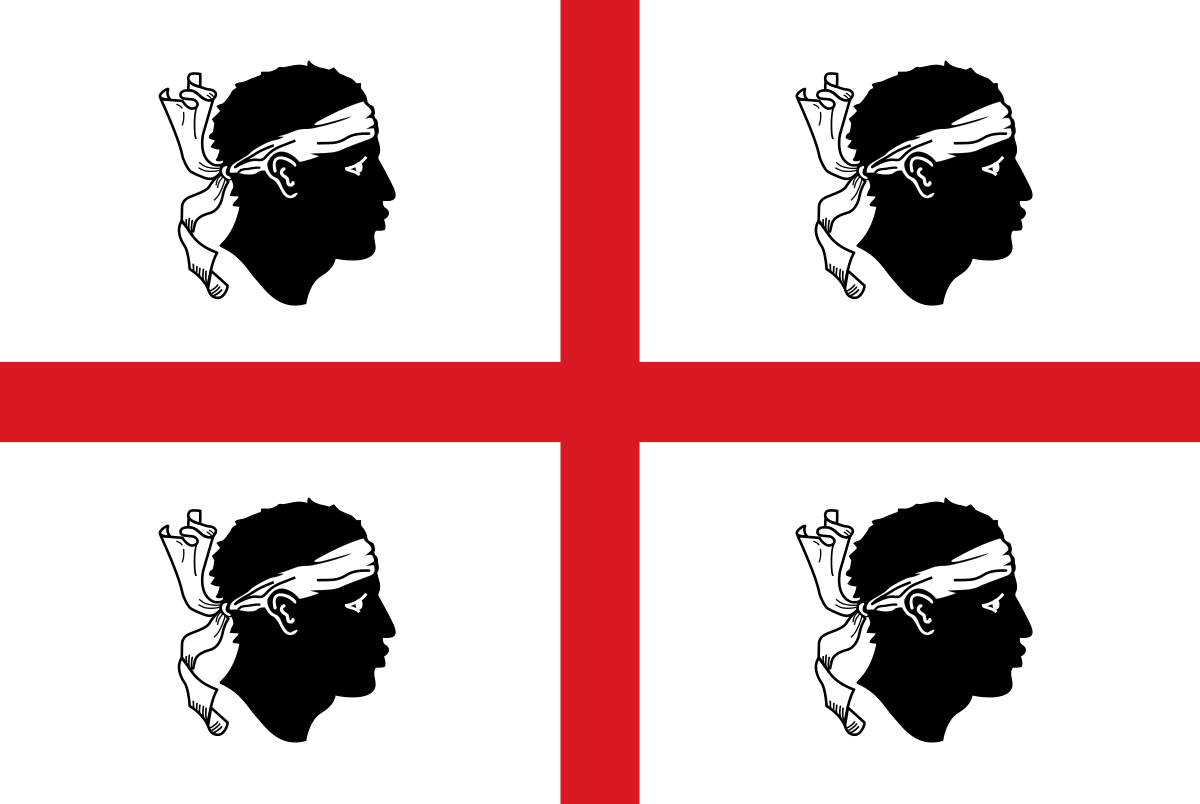 撒丁大区
西西里大区
托斯卡纳大区
撒丁大区
西西里大区
托斯卡纳大区
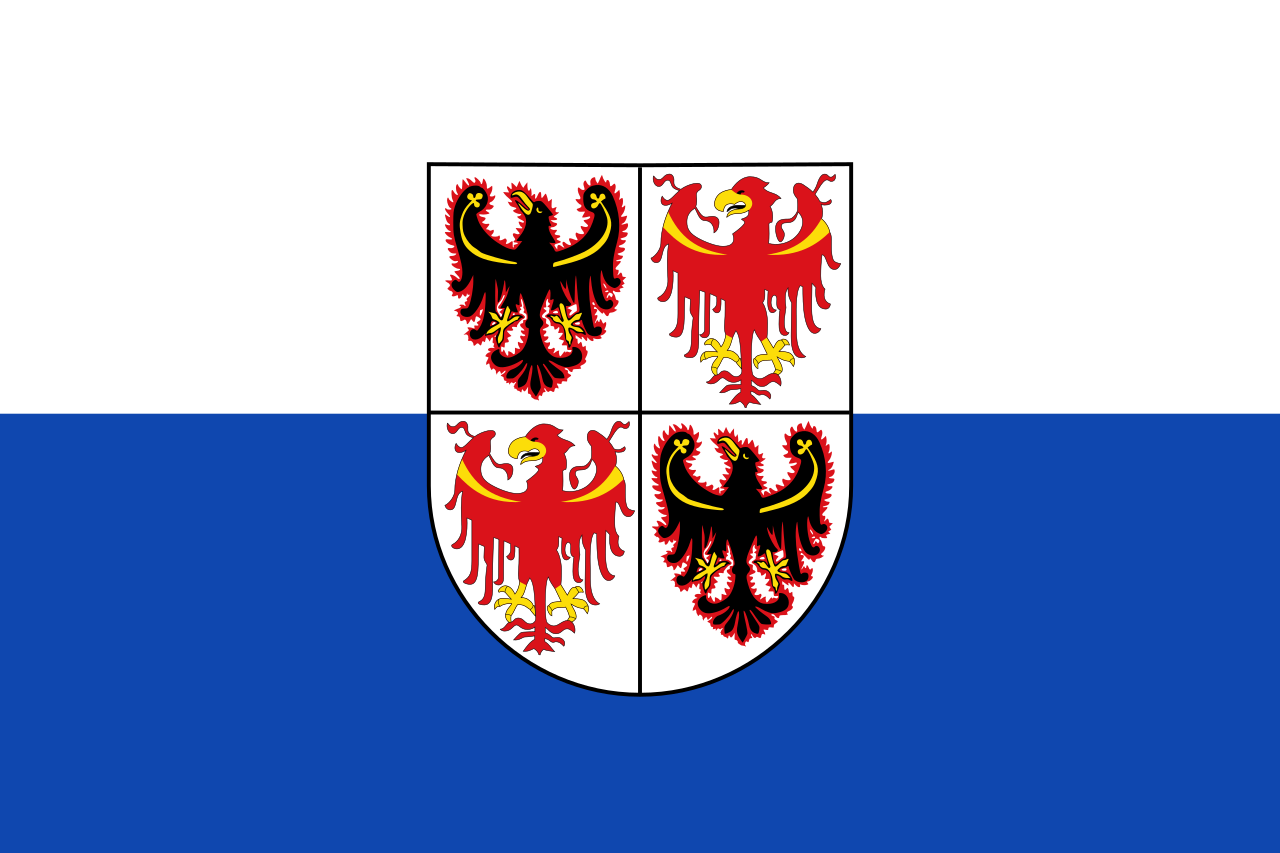 特伦蒂诺-上阿迪杰大区
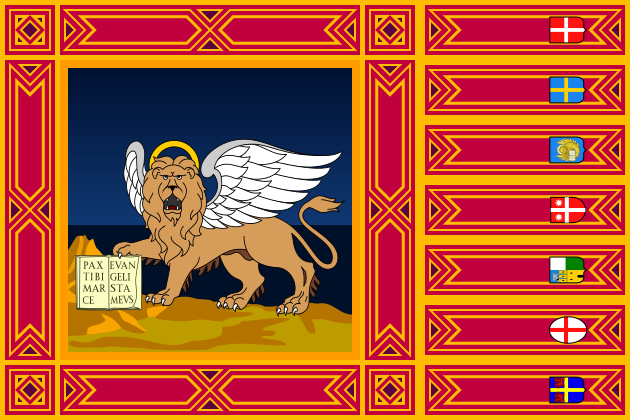 威尼托大区
威尼托大区

 能源
阿布鲁佐大区
巴西利卡塔大区
卡拉布里亚大区
坎帕尼亚大区
艾米利亚-罗马涅大区
弗留利-威尼斯朱利亚
意大利
拉齐奥大区
利古里亚大区
伦巴第大区
马尔凯大区
莫利塞大区
皮埃蒙特大区
普利亚大区
撒丁大区
西西里大区
托斯卡纳大区
特伦蒂诺-上阿迪杰大区
翁布里亚大区
能源
阿布鲁佐大区
巴西利卡塔大区
卡拉布里亚大区
坎帕尼亚大区
艾米利亚-罗马涅大区
弗留利-威尼斯朱利亚
意大利
拉齐奥大区
利古里亚大区
伦巴第大区
马尔凯大区
莫利塞大区
皮埃蒙特大区
普利亚大区
撒丁大区
西西里大区
托斯卡纳大区
特伦蒂诺-上阿迪杰大区
翁布里亚大区
 企业
*大的电力公司
企业
*大的电力公司
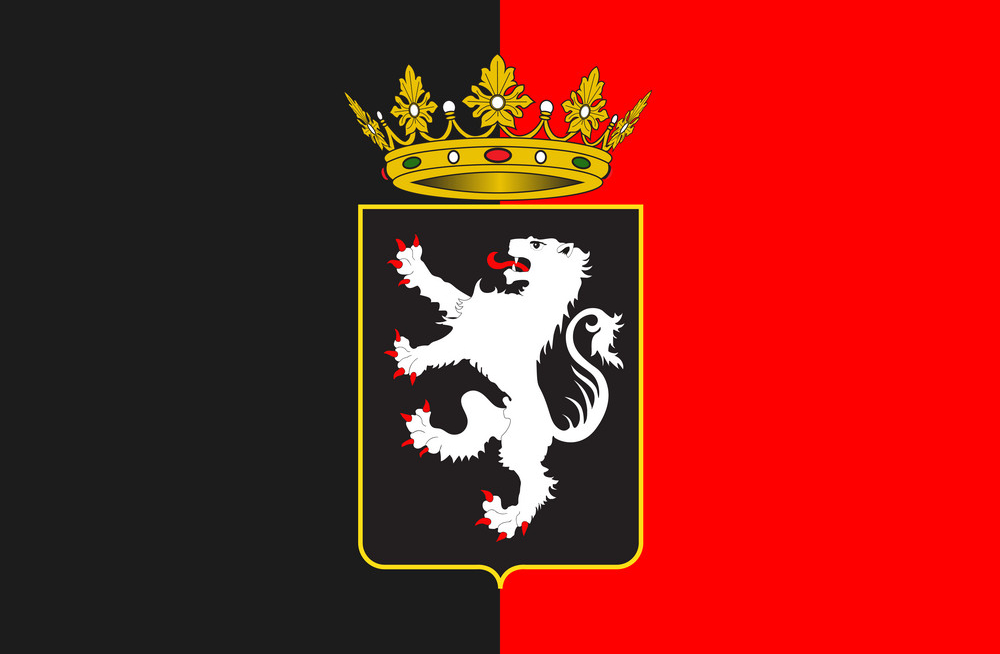 瓦莱达奥斯塔大区
威尼托大区
瓦莱达奥斯塔大区
威尼托大区
 经济和贸易
经济和贸易
 阿布鲁佐大区
巴西利卡塔大区
卡拉布里亚大区
坎帕尼亚大区
艾米利亚-罗马涅大区
弗留利-威尼斯朱利亚
拉齐奥大区
利古里亚大区
伦巴第大区
马尔凯大区
莫利塞大区
皮埃蒙特大区
普利亚大区
撒丁大区
西西里大区
托斯卡纳大区
特伦蒂诺-上阿迪杰大区
翁布里亚大区
阿布鲁佐大区
巴西利卡塔大区
卡拉布里亚大区
坎帕尼亚大区
艾米利亚-罗马涅大区
弗留利-威尼斯朱利亚
拉齐奥大区
利古里亚大区
伦巴第大区
马尔凯大区
莫利塞大区
皮埃蒙特大区
普利亚大区
撒丁大区
西西里大区
托斯卡纳大区
特伦蒂诺-上阿迪杰大区
翁布里亚大区
