

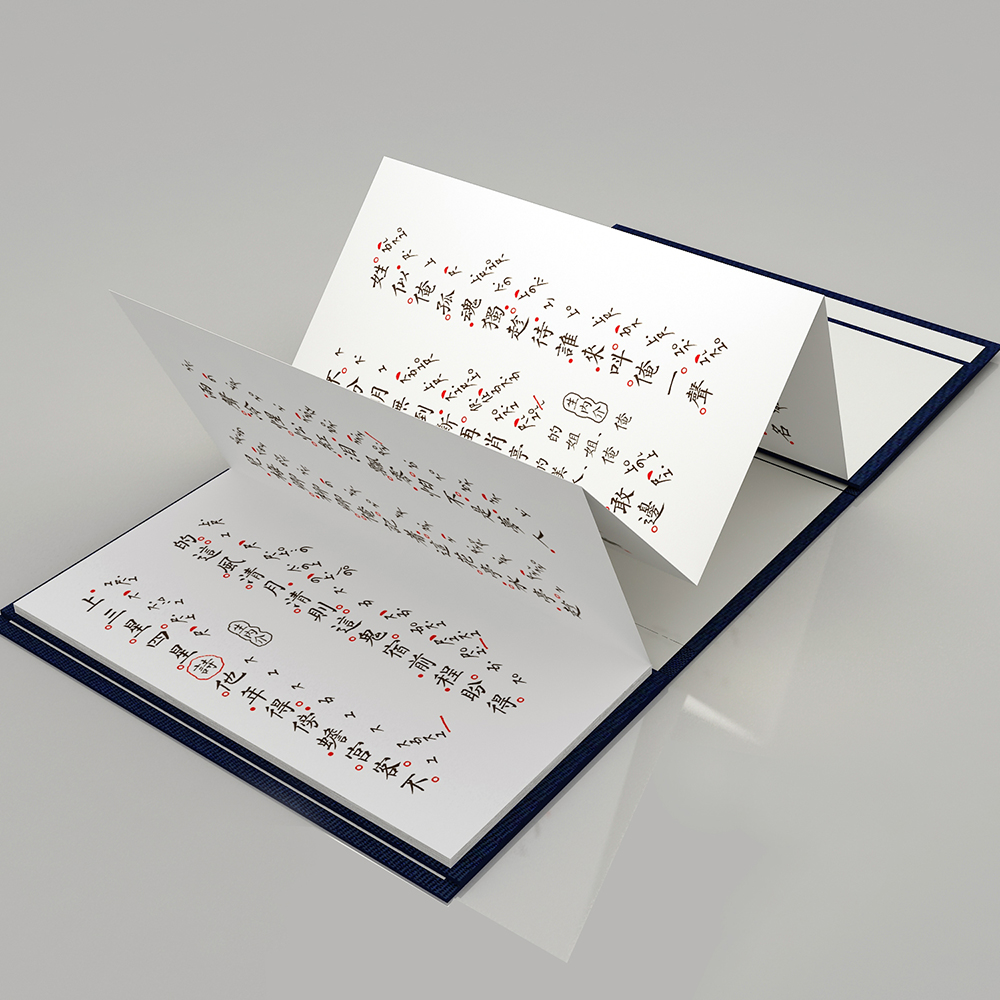








工尺chě谱是汉字文化圈特有的记谱法,源自中国唐朝时期,后传至日本、越南、朝鲜半岛、琉球等使用汉字的地区,属于文字谱的一种。今天只有传统戏曲的伶人和学习者还会使用工尺谱来演唱或记谱。
工尺谱在传统写法上由右而左直行,如同文字,但是现在亦可作横排书写。
工尺谱并非绝对音名,而是一种“可移调”(movable-do)的记谱法,和英美音乐的唱名(Solfège:do, re, mi, fa, so, la, si)类似。在中国不同地区,因为方言的差异,工尺谱所用的字会略有不同。下面的例子是工尺谱和简谱以及西方唱名的对照:
| 工尺 | 上 | 尺 | 工 | 凡 | 六 | 五 | 乙 |
|---|---|---|---|---|---|---|---|
| 简谱 | 1 | 2 | 3 | 4 | 5 | 6 | 7 |
| 唱名 | do | re | mi | fa | sol | la | ti |
| 日本简写 | ル | 人 | フ | り | 久 | ゐ |
Gongche notation or gongchepu is a traditional musical notation method, once popular in ancient China. It uses Chinese characters to represent musical notes. It was named after two of the Chinese characters that were used to represent musical notes, namely "工" gōng and "尺" chě.
Sheet music written in this notation is still used for traditional Chinese musical instruments and Chinese operas. However the notation is becoming less popular, replaced by mostly jianpu (numbered musical notation) and sometimes the standard western notation.
The notation usually uses a movable "do" system. There are variations of the character set used for musical notes. A commonly accepted set is shown below with its relation to jianpu and solfege.
| Gongche | 上 shàng |
尺 chě |
工 gōng |
凡 fán |
六 liù |
五 wǔ |
乙 yǐ |
|---|---|---|---|---|---|---|---|
| Jianpu | 1 | 2 | 3 | (4) | 5 | 6 | (7) |
| Movable do solfège syllable | do | re | mi | (between fa and fa♯) | sol | la | (between ti♭ and ti) |
| Simplified Japanese notation | ル | 人 | フ | り | 久 | ゐ | L |