









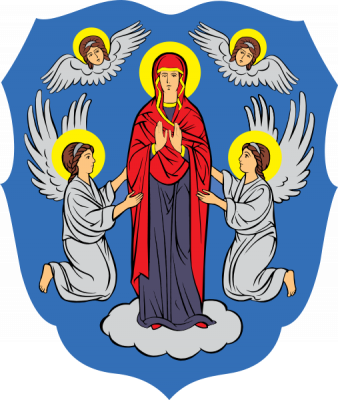
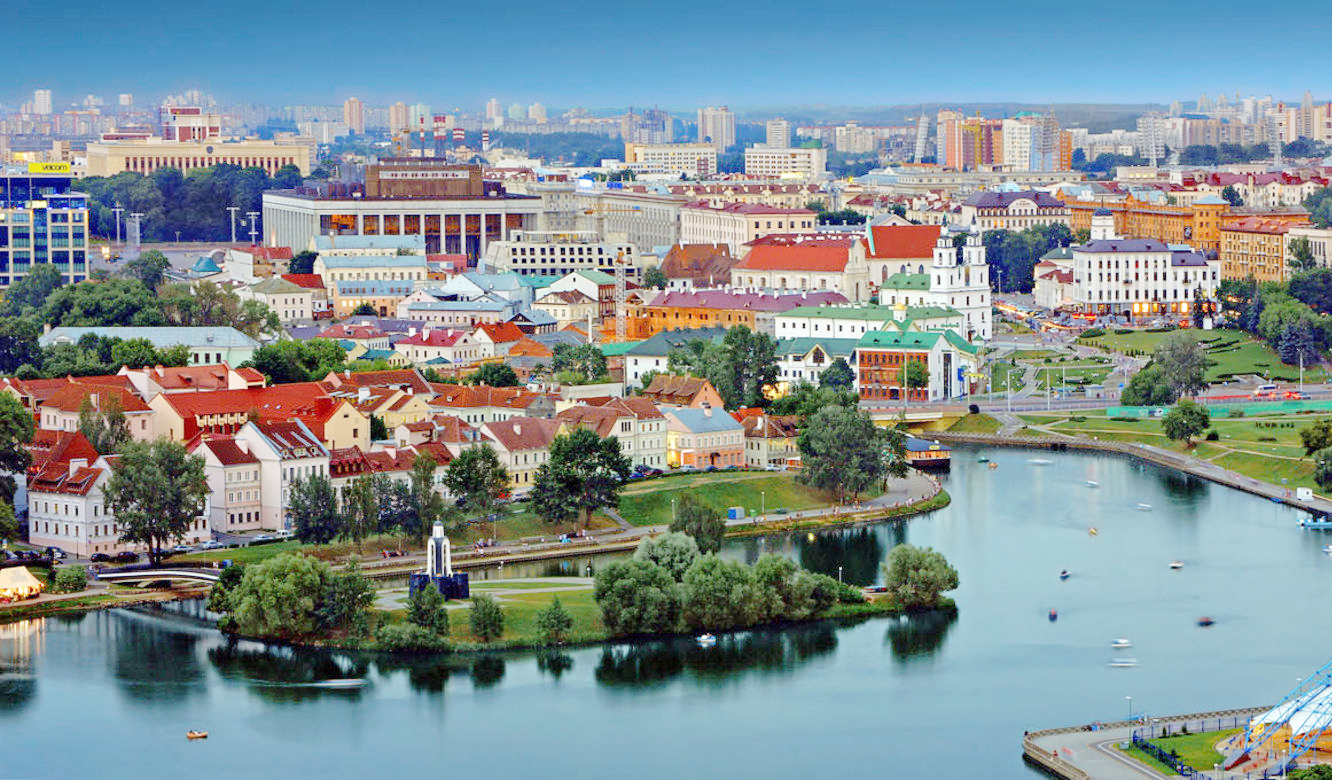
明斯克
明斯克(白俄罗斯语:Мінск,罗马化:Minsk,发音:[mʲinsk];俄语:Минск)是白俄罗斯的首都也是明斯克州的首府,约有180万居民,位于白俄罗斯的中心,斯维斯洛奇河畔。明斯克是白俄罗斯的政治、经济和文化中心,拥有多个高等院校,包括白俄罗斯国立大学。此外还有著名的马戏团、歌剧院和芭蕾舞院。
Minsk (weißrussisch Мінск, älter auch Менск, russisch Минск) ist die Hauptstadt und gleichzeitig mit etwa 1,981 Millionen Einwohnern (Stand 2018) größte Stadt Weißrusslands.[2] Sie ist zudem Hauptstadt der Minskaja Woblasz und Sitz der GUS sowie das politische, wirtschaftliche und kulturelle Zentrum von Weißrussland mit Hochschulen und Fachschulen sowie zahlreichen Kirchen, Theatern und Museen.
ミンスク(ベラルーシ語: Мінск ミーンスク、ロシア語: Минск)は、ベラルーシ共和国の首都である。国の中央部に位置し、人口は約190万人で、人口減少が進むベラルーシで稀な人口増加都市でもある。独立国家共同体 (CIS) の本部が置かれている[1]。ベレジナ川の支流シヴィスワチ川とニアミハ川の河畔に広がる。
市街は9つの地区に分かれている。特にトラクターなど自動車工業が盛ん。
ミンスクの名は、古東スラブ語で「川」を意味するMēnŭに由来するとする説や、商業都市としての歴史を反映し「交換取引」を意味するмена(miena)が語源とする説などがある。
Minsk (Belarusian: Мінск [mʲinsk], traditional Belarusian: Менск [mʲensk], Russian: Минск, Polish: Mińsk) is the capital and largest city of Belarus, situated on the Svislač and the Nyamiha Rivers. As the capital, Minsk has a special administrative status in Belarus and is the administrative centre of Minsk Region (voblasć) and Minsk District (rajon). The population in January 2018 was 1,982,444,[1] (not including suburbs) making Minsk the 11th most populous city in Europe. Minsk is the administrative capital of the Commonwealth of Independent States (CIS) and seat of its Executive Secretary.
The earliest historical references to Minsk date to the 11th century (1067), when it was noted as a provincial city within the Principality of Polotsk.[5] The settlement developed on the rivers. In 1242, Minsk became part of the Grand Duchy of Lithuania. It received town privileges in 1499.[6]
From 1569, it was a capital of the Minsk Voivodeship, in the Polish–Lithuanian Commonwealth. It was part of a region annexed by the Russian Empire in 1793, as a consequence of the Second Partition of Poland. From 1919 to 1991, after the Russian Revolution, Minsk was the capital of the Byelorussian Soviet Socialist Republic, in the Soviet Union. In June 2019, Minsk hosted the 2019 European Games.[7]
Minsk (en biélorusse : Мінск1 ; en russe : Минск) est la capitale de la république de Biélorussie. Sa population s'élevait à 1 992 685 habitants en 2019, ce qui fait d'elle la dixième localité la plus peuplée d'Europe.
Minsk (in bielorusso: Мінск o Менск; in russo: Минск) è la capitale e principale città della Bielorussia (1.981.690[1] abitanti al 2018) e sede della Comunità degli Stati Indipendenti. È anche il capoluogo della voblasc' omonima (Regione di Minsk) dalla quale è extraterritoriale, costituendosi come un'entità autonoma.
Minsk (en bielorruso, Менск o Мінск, en ruso, Минск) es la capital y ciudad más grande de Bielorrusia. Se encuentra situada en el centro del país, y es atravesada por los ríos Nyamiha y Svisloch. Es la sede administrativa de la Comunidad de Estados Independientes (CEI).
Minsk se extiende en un área de 509 km² en la que según estimaciones para el año 2017 habitan un total de 1 974 819 personas.2 Como capital del Estado, Minsk tiene un estatus administrativo especial dentro de Bielorrusia y es además la capital del vóblast de Minsk y del distrito homónimo.
Las primeras referencias históricas de la ciudad datan del siglo XI (1067), cuando se la nombra como ciudad provincial en el principado de Polotsk. El asentamiento se desarrolló en los ríos que lo atraviesan. En 1242, Minsk se convirtió en parte del Gran Ducado de Lituania y recibió el título de ciudad en 1499.
Desde 1569 fue la capital del Voivodato de Minsk, en la República de las Dos Naciones o Mancomunidad de Polonia-Lituania. En 1793 fue una de las regiones anexionadas por el Imperio ruso como consecuencia de la Segunda partición de Polonia. Entre 1919 y 1991, tras la Revolución rusa, Minsk fue la capital de la República Socialista Soviética de Bielorrusia y posteriormente, en 1991, de Bielorrusia tras la disolución de la Unión Soviética.
Минск (белор. Мінск) — столица Белоруссии, административный центр Минской области и Минского района, в состав которых не входит, поскольку является самостоятельной административно-территориальной единицей с особым (столичным) статусом. Крупнейший транспортный узел, политический, экономический, культурный и научный центр страны. Является ядром Минской агломерации. Десятый по численности населения (без учёта пригородов) город в Европе, пятый — после Москвы, Санкт-Петербурга, Киева, Ташкента на территории бывшего СССР. Город расположен недалеко от географического центра страны и стоит на реке Свислочи. Площадь составляет 348,84 км², население — 2 018 281 человек (по итогам переписи 2019 года)[2] без учёта пригородов. Город-герой.
vor 7 Jahren
vor 4 Jahren

vor 7 Jahren
vor 4 Jahren
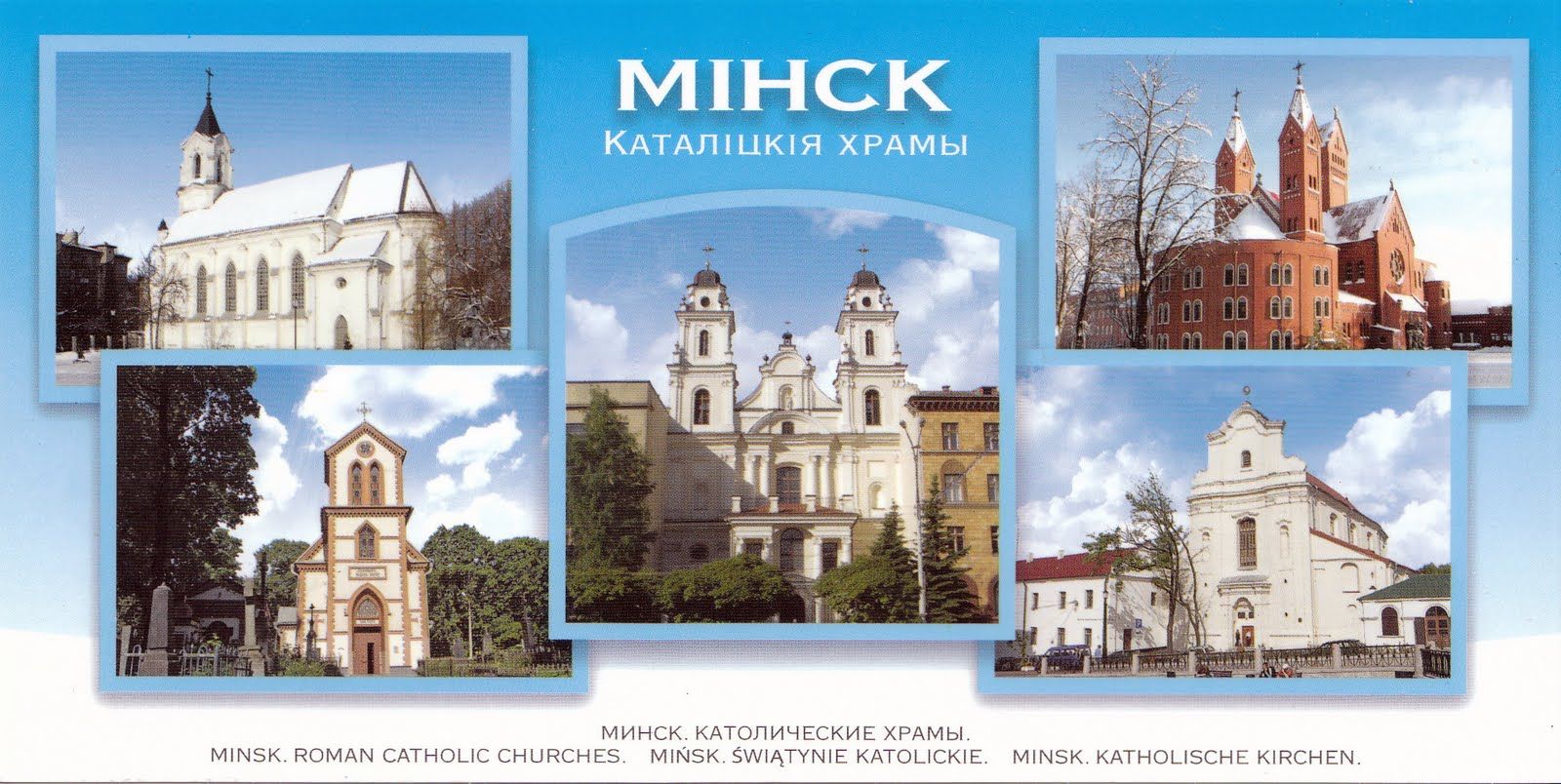

vor 7 Jahren
vor 4 Jahren
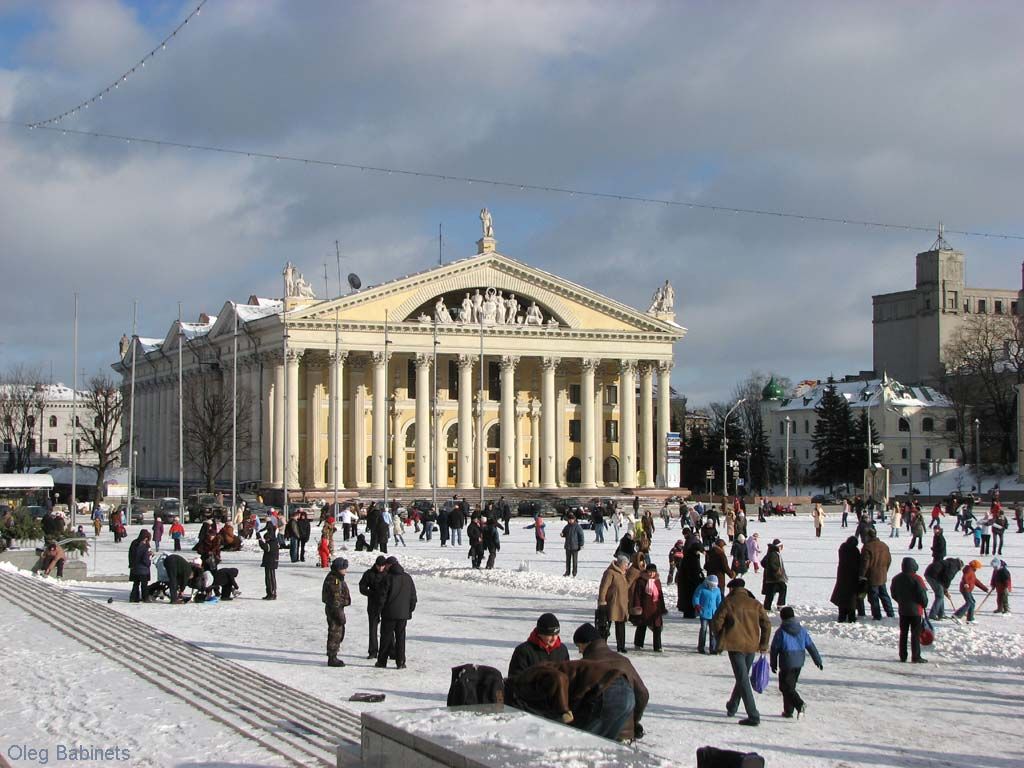

vor 9 Jahren
vor 4 Jahren

vor 20 Jahren
vor 4 Jahren
