

1. From this valley they say you are going, I will miss your bright eyes and sweet smile, For they say you are taking the sunshine, that brightens our pathways awhile. (CHORUS) Come and sit by my side if you love me, do not hasten to bid me a-dieu, but remember the Red River Valley, and the cowboy who loved you so true.
2. I’ve been thinking a long time, my darlin’, Of the sweet words you never would say, now, alas, all my fond hopes must vanish. For they say you are going away. Repeat Chorus: Come and sit by my side if you love me, do not hasten to bid me a-dieu, but remember the Red River Valley, and the cowboy who loved you so true.
3. Do you think of the valley you’re leaving? Oh, how lonely and sad it will be! Do you think of the kind hearts you’re breaking, and the pain you are causing to me? Repeat Chorus: Come and sit by my side if you love me, do not hasten to bid me a-dieu, but remember the Red River Valley, and the cowboy who loved you so true.
4. I have promised you, darlin’, that never, will a word from my lips cause you pain; And my life, it will be yours forever If you only will love me again. Repeat Chorus: Come and sit by my side if you love me, do not hasten to bid me a-dieu, but remember the Red River Valley, and the cowboy who loved you so true.





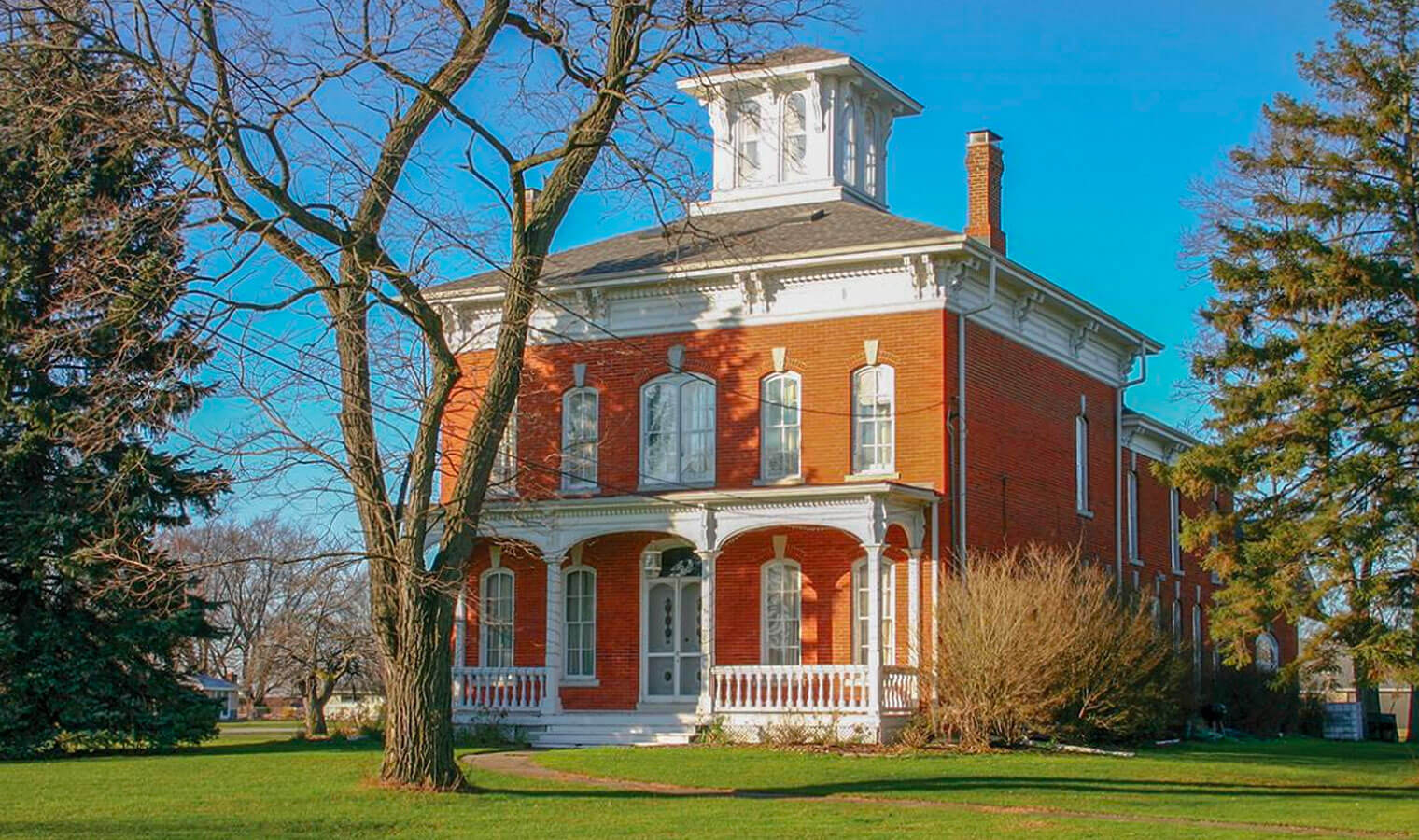
Italianate architecture continues the trend of asymmetrical design, romanticism, and Medieval influence — this time borrowing features from Medieval Italy. Italianate style is common up and down the East Coast and peaked in popularity between 1850 and 1880.
Italianate architecture features:
- Belvederes for natural light and airflow
- Overhanging eaves with decorative support brackets
- Tall and narrow or pedimented windows with rounded crowns
- Cast iron detailing and decor
Pattern books were becoming a popular way for craftsmen to build homes in different styles. This flexibility meant Italianate features were accessible for a variety of homes including large estates and urban townhouses.
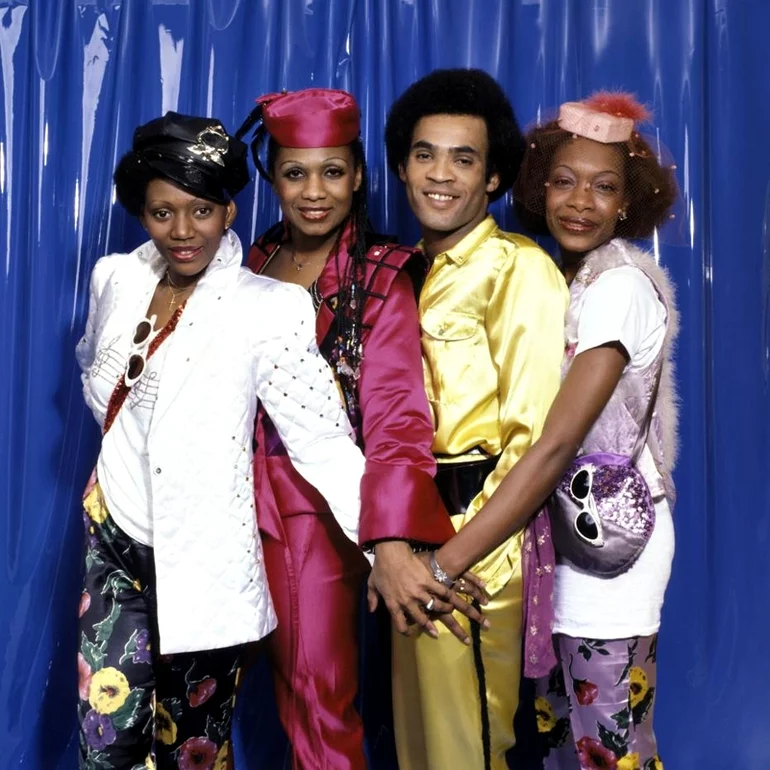

American popular music has had a profound effect on music across the world. The country has seen the rise of popular styles that have had a significant influence on global culture, including ragtime, blues, jazz, swing, rock, bluegrass, country, R&B, doo wop, gospel, soul, funk, punk, disco, house, techno, salsa, grunge and hip hop. In addition, the American music industry is quite diverse, supporting a number of regional styles such as zydeco, klezmer and slack-key.
Distinctive styles of American popular music emerged early in the 19th century, and in the 20th century the American music industry developed a series of new forms of music, using elements of blues and other genres of American folk music. These popular styles included country, R&B, jazz and rock. The 1960s and 1970s saw a number of important changes in American popular music, including the development of a number of new styles, such as heavy metal, punk, soul, and hip hop. Though these styles were not in the sense of mainstream, they were commercially recorded and are thus examples of popular music as opposed to folk or classical music.


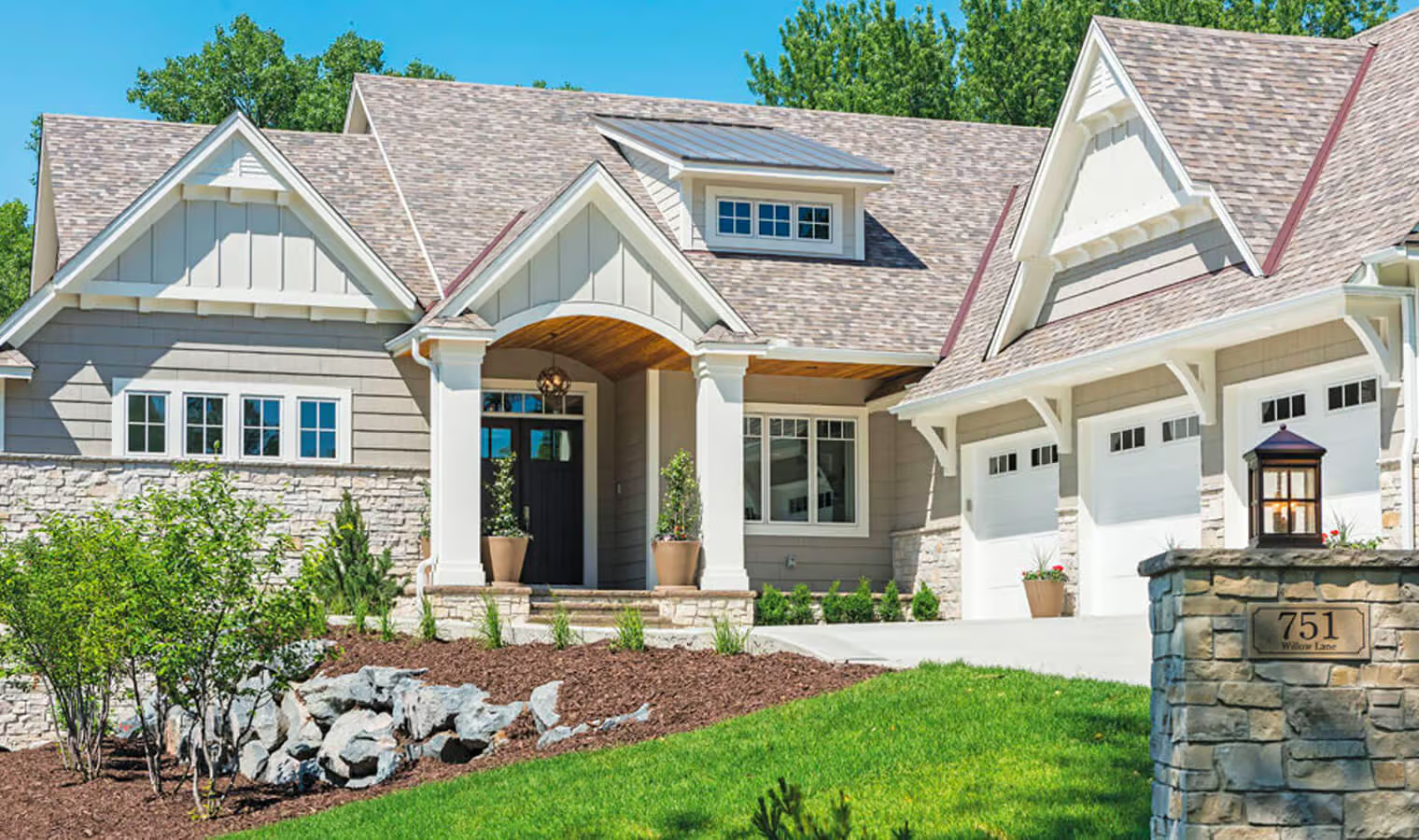
Cottage-style homes are often quaint and cozy — emphasizing charm and comfort over ornamentation. Cottage houses come in a variety of styles and can mimic bungalows, Tudor house styles, and more.
Look for these designs to identify a cottage:
- Asymmetrical exterior
- Typically one to one-and-a-half stories
- Traditional aesthetics that aren’t too rustic
- Open floor plans with wide halls and doorways
A cottage house style is extremely versatile, and its small size makes it great for small families or guest houses.



The American Academy of Arts and Sciences (abbreviation: AAA&S) is one of the oldest learned societies in the United States. It was founded in 1780 during the American Revolution by John Adams, John Hancock, James Bowdoin,[1] Andrew Oliver, and other Founding Fathers of the United States.[2] It is headquartered in Cambridge, Massachusetts.
Membership in the academy is achieved through a thorough petition, review, and election process.[3] The academy's quarterly journal, Dædalus, is published by MIT Press on behalf of the academy.[4] The academy also conducts multidisciplinary public policy research.
The Academy was established by the Massachusetts legislature on May 4, 1780, charted in order "to cultivate every art and science which may tend to advance the interest, honor, dignity, and happiness of a free, independent, and virtuous people."[6] The sixty-two incorporating fellows represented varying interests and high standing in the political, professional, and commercial sectors of the state. The first class of new members, chosen by the Academy in 1781, included Benjamin Franklin and George Washington as well as several international honorary members. The initial volume of Academy Memoirs appeared in 1785, and the Proceedings followed in 1846. In the 1950s, the Academy launched its journal Daedalus, reflecting its commitment to a broader intellectual and socially-oriented program.[7]
Since the second half of the twentieth century, independent research has become a central focus of the Academy. In the late 1950s, arms control emerged as one of its signature concerns. The Academy also served as the catalyst in establishing the National Humanities Center in North Carolina. In the late 1990s, the Academy developed a new strategic plan, focusing on four major areas: science, technology, and global security; social policy and education; humanities and culture; and education. In 2002, the Academy established a visiting scholars program in association with Harvard University. More than 75 academic institutions from across the country have become Affiliates of the Academy to support this program and other Academy initiatives.[8]
The Academy has sponsored a number of awards and prizes,[9] throughout its history and has offered opportunities for fellowships and visiting scholars at the Academy.[10]
In July 2013, the Boston Globe exposed then president Leslie Berlowitz for falsifying her credentials, faking a doctorate, and consistently mistreating her staff.[11] Berlowitz subsequently resigned.



Victorian homes were built between 1837 and 1901 while Queen Victoria reigned in Britain. “Victorian” actually refers to multiple styles that vary in influence, but each features ornate detailing and asymmetrical floor plans.
The key features of a Victorian-era home include:
- Elaborate woodwork and trim
- Towers, turrets, and dormer windows
- Steep gabled roofs
- Partial or full-width porches
Victorian homes are all about ornamentation — industrialization allowed these homes to be produced en masse and across a variety of architectural styles.