
Deutsch-Chinesische Enzyklopädie, 德汉百科

 音乐


Girolamo Alessandro Frescobaldi (getauft im September 1583 in Ferrara; † 1. März 1643 in Rom) war ein italienischer Komponist, Organist und Cembalist des Frühbarock. Er war einer der bedeutendsten Tastenmusiker Italiens, und komponierte auch Werke für Instrumentalensemble sowie weltliche und geistliche Vokalmusik.

生平与作品: 许茨1585年10月9日生于德国的巴德-吕斯特里茨——这是德国宗教改革的领袖马丁路德去世后的整整第39年——提到这点对于了解许茨的音乐不是没有意 义的,因为正是许茨,把马丁路德的关于建立德国的特别是新教的语言与音乐文化的理想在他的领域里付诸实现,如果说马丁路的教会了德国人用自己的语言思考上 帝和写作,那么正是许茨使德国人开始用自己的语言歌唱、赞美上帝的创造。在度过了漫长而多产的一生之后,许茨于1672年 11月6日卒于德累斯顿,是位长寿的音乐家。
海因里希·许茨(德语:Heinrich Schütz;1585年10月8日—1672年11月6日),德国作曲家。
许茨是巴赫之前德国最重要的作曲家之一。他曾学习法律,但是后来到威尼斯跟随乔万尼·加布里埃利学习音乐。曾在德累斯顿宫廷乐队任职。他写了第一部德国歌剧《达夫内》,但是他最主要的成就在于将意大利的声乐风格与德国复调音乐传统中,创作了大量杰出的合唱作品。其地位可以与意大利的蒙特威尔第相媲美。
Heinrich Schütz, in autografen Handschriften immer Henrich,[1] latinisiert Henricus Sagittarius (* 8. Oktoberjul. / 18. Oktober 1585greg. in Köstritz; † 6. Novemberjul. / 16. November 1672greg. in Dresden) war ein deutscher Komponist des Frühbarocks.

亨利·珀塞尔(英语:Henry Purcell,1659年9月10日-1695年11月21日),巴洛克时期的英格兰作曲家,吸收法国与意大利音乐的特点,创作出独特的英国巴洛克音乐风格。他被认为是英国最伟大的作曲家之一,独霸乐坛两百年,一直到20世纪初爱德华·埃尔加成名之前,没有一个本土生长的英国作曲家达到他的成就。
生于伦敦的西敏地区,父亲曾任查理二世的宫廷乐师。少年时是王室小礼拜堂合唱团团员,嗓子受伤后任乐器保管员。曾从约翰·布罗学习。1680年成为西敏寺的管风琴师,1682年又兼任王室小礼拜堂管风琴师。1695年初,替病逝的玛丽女王创作葬礼歌曲——《玛丽女王的送葬乐》;7月时,他为王位的推定继承人格洛斯特公爵威廉王子谱写六岁的生日歌曲;他在11月猝逝,年仅36岁。据《音乐家的罗曼史》一书,有一天,珀塞尔因夜归而被妻子拒谙门外,因感冒而冻死,葬于西敏寺内他的管风琴附近。珀塞尔在短暂的一生中创作了大量的器乐、歌曲、话剧配乐及少数歌剧,在英国古典音乐历史上有重要的地位。他的歌剧《蒂朵与艾尼亚斯》是英国歌剧名作。而他的戏剧配乐《摩尔人的复仇》中的一个主题更被20世纪作曲家布里顿用进《青少年管弦乐入门》。
Henry Purcell (zeitgenössische Betonung [ˈpɜːrsəl],[1][2] heute manchmal [pərˈsɛl];[3][4] * 10. September 1659 (?) in Westminster; † 21. November 1695 ebenda) war ein englischer Komponist des Barocks. Schon zu seinen Lebzeiten galt er als der bedeutendste englische Komponist und wurde daher mit dem Ehrentitel Orpheus britannicus gewürdigt.

让-巴蒂斯特·吕利(法語:Jean-Baptiste Lully,法语发音:[ʒɑ̃ batist lyli];1632年11月28日-1687年3月22日),原名乔瓦尼·巴蒂斯塔·卢利(義大利語:Giovanni Battista Lulli,義大利語發音:[ˈlulli]),意大利出生的法国巴洛克作曲家。他一生的大部分时间都在法国国王路易十四的宫廷里作曲,是路易十四的宫廷乐正(Surintendant de la Musique)。他控制了当时的法国音乐生活,开创了法国歌剧,发展了大经文歌和法国序曲,对当时的欧洲音乐产生了巨大影响。他的影响一直延续到亨利·珀塞尔、格奥尔格·弗里德里希·亨德尔、约翰·塞巴斯蒂安·巴赫、让-菲利普·拉莫等作曲家。
Jean-Baptiste Lully, geboren als Giovanni Battista Lulli (* 28. November 1632 in Florenz; † 22. März 1687 in Paris) war ein italienisch-französischer Komponist, Geiger, Gitarrist und Tänzer, der ab seinem 14. Lebensjahr, zunächst als „garcon de chambre“ für Anne Marie Louise d’Orléans am französischen Hof arbeitete und zu den höchsten musikalischen Ämtern Ludwigs XIV. aufstieg. Im Dezember 1661 wurde er französischer Bürger.[1] Als Schöpfer charakteristisch französischer Barockmusik gilt er als einer der einflussreichsten Komponisten der französischen Musikgeschichte.

Jean-Philippe Rameau (getauft 25. September 1683 in Dijon; † 12. September 1764 in Paris) war ein französischer Komponist, Cembalovirtuose, Organist und Musiktheoretiker.
让-菲利普·拉莫(法语:Jean-Philippe Rameau,1683年9月25日-1764年9月12日)是法国伟大的巴洛克作曲家、音乐理论家。他是继卢利之后最伟大的法国歌剧作曲家,不但是当时法国乐坛的领军人物,还是和声理论的重要奠基人。

约翰·帕赫贝尔(德语:Johann Pachelbel;1653年9月1日—1706年3月?日[注 1]),德国巴洛克时期作曲家、管风琴家,先后曾在许多地方担任过管风琴师的职位。帕海贝尔在音乐史上经常被忽略,他的作品也没有获得妥善的保管。他是“数字低音时代”的管风琴大师,事实上他的作品曾对巴赫产生过很大影响,巴赫的哥哥就曾在他门下学习。帕赫贝尔的一生写了很多的教会音乐,因为他信奉当时新兴的路德教派。著名作品包括众赞歌前奏曲78首、由三把小提琴与数字低音的《D大调卡农与吉格》等。
Johann Pachelbel[1] (getauft am 1. Septemberjul. / 11. September 1653greg. in Nürnberg; † 3. März 1706 ebenda) war ein deutscher Komponist des Barock. Er wirkte als Organist unter anderem in Wien, Eisenach, Erfurt, Stuttgart, Gotha und ab 1695 an der Sebalduskirche in Nürnberg.
 历史
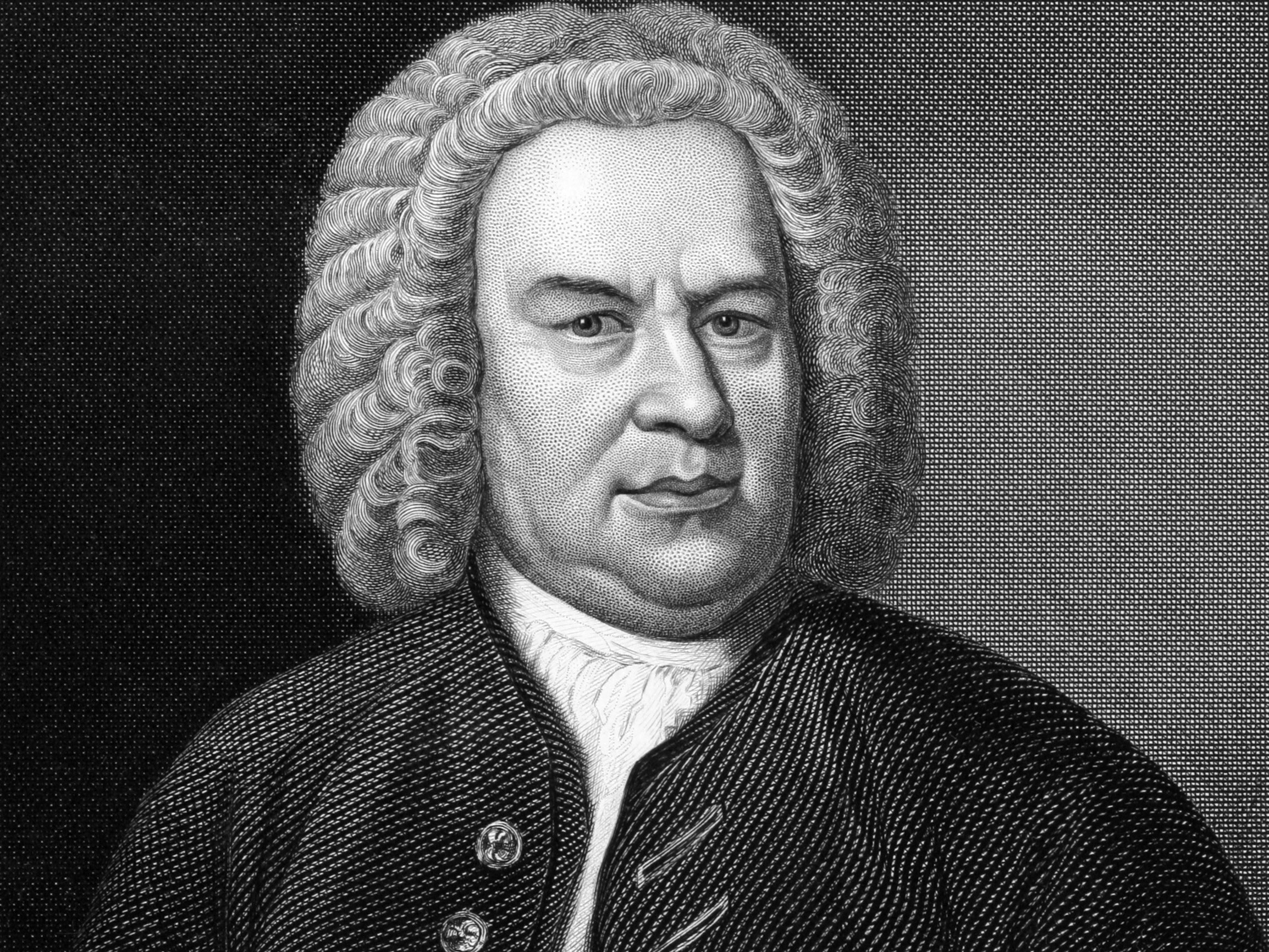
约翰·塞巴斯蒂安·巴赫(德语:Johann Sebastian Bach,1685年3月31日[儒略历3月21日]-1750年7月28日),巴洛克时期的作曲家及管风琴、小提琴、大键琴演奏家,也是巴洛克音乐的集大成者。巴赫被认为是音乐史上最伟大、最杰出、最重要的作曲家之一 [1][2]。
巴赫出生于神圣罗马帝国爱森纳赫(位于今德国图林根州)的一个音乐世家,自幼即接受音乐教育。父母亡故后,巴赫迁至奥尔德鲁夫由长兄扶养,生活清苦,15岁时即前往吕讷堡修习学业并自立更生。毕业后巴赫先后在阿恩施塔特和米尔豪森担任管风琴师(1703年-1708年),往后历任魏玛(1708年-1717年)与克滕(1717年-1723年)的宫廷乐长,以及莱比锡的教堂音乐总监(1723年-1750年)。
巴赫终生自学作曲不辍,举凡前人至晚辈的作品,无不研究。他一生极多产,其作品以质量俱佳著称,除了歌剧,几乎涉猎了当时所有的曲种,包含清唱剧、受难曲、神剧、经文歌、弥撒曲、圣咏、各种乐器的独奏曲、组曲、室内乐及协奏曲等等。尽管巴赫没有开创新风格,但他的创作广纳了德、意、法等国的音乐手法,并以娴熟的复调技巧呈现,展现了巴洛克音乐风格的精华与深奥的思想。
但由于音乐转而追求简明、轻巧的风格,巴赫的复调音乐在其身后被视为陈腐之物,其成就在数十年内未得到应有的评价,仅仅作为管风琴演奏家与教师而闻名[3]。虽然莫扎特、贝多芬等大作曲家均对巴赫推崇备至,但直到浪漫主义时代,作曲家门德尔松于1829年在柏林改编并指挥巴赫的《马太受难曲》,才使乐坛正视巴赫音乐的价值;浪漫早期以后的作曲家也多受巴赫影响。此后数代音乐家对他的作品进行了发掘、研究、整理和推广,巴赫逐渐恢复了崇高的地位。
在2005年德国电视二台票选最伟大的德国人活动中,他排名第六,在20世纪以前的人物中仅次于马丁·路德与马克思[4]。
Johann Sebastian Bach (* 21. Märzjul./ 31. März 1685greg. in Eisenach, Sachsen-Eisenach; † 28. Juli 1750 in Leipzig, Kursachsen) war ein deutscher Komponist, Kantor, Hofkonzertmeister, Violinist sowie Orgel- und Cembalovirtuose des Barocks aus Thüringen. In seiner Hauptschaffensperiode war er Thomaskantor zu Leipzig. Er ist der prominenteste Vertreter der Musikerfamilie Bach und gilt heute als einer der bekanntesten und bedeutendsten Musiker überhaupt. Insbesondere von Berufsmusikern wird er oft als der größte Komponist der Musikgeschichte angesehen.[2][3] Seine Werke beeinflussten nachfolgende Komponistengenerationen und inspirierten musikschaffende Künstler zu zahllosen Bearbeitungen.
Zu Lebzeiten wurde Bach als Virtuose, Organist und Orgelinspektor hoch geschätzt, allerdings waren seine Kompositionen nur einem relativ kleinen Kreis bekannt. Nach Bachs Tod gerieten seine Werke jahrzehntelang in Vergessenheit und wurden kaum noch öffentlich aufgeführt. Nachdem die Komponisten der Wiener Klassik sich mit Teilen von Bachs Werk auseinandergesetzt hatten, begann mit der Wiederaufführung der Matthäus-Passion unter Leitung von Felix Mendelssohn Bartholdy im Jahre 1829 die Bach-Renaissance in der breiten Öffentlichkeit. Seit der Mitte des 19. Jahrhunderts gehören seine Werke weltweit zum festen Repertoire der klassischen Musik.
Zu seinen bekanntesten Werken gehören Das wohltemperierte Clavier, die Matthäus-Passion, Die Kunst der Fuge, sein Weihnachtsoratorium, die Brandenburgischen Konzerte sowie viele Kantaten.
ヨハン・ゼバスティアン・バッハ(Johann Sebastian Bach, 1685年3月31日(ユリウス暦1685年3月21日) - 1750年7月28日)は、18世紀のドイツで活躍した作曲家・音楽家である。 バロック音楽の重要な作曲家の一人で、鍵盤楽器の演奏家としても高名であり、当時から即興演奏の大家として知られていた。バッハ研究者の見解では、バッハはバロック音楽の最後尾に位置する作曲家としてそれまでの音楽を集大成したとも評価されるが、後世には、西洋音楽の基礎を構築した作曲家であり音楽の源流であるとも捉えられ、日本の音楽教育では「音楽の父」と称された[1]。
バッハ一族は音楽家の家系で(バッハ家参照)数多くの音楽家を輩出したが、中でも、ヨハン・ゼバスティアン・バッハはその功績の大きさから、大バッハとも呼ばれている。J・S・バッハとも略記される。
Johann Sebastian Bach[a] (31 March [O.S. 21 March] 1685 – 28 July 1750) was a German composer and musician of the Baroque period. He is known for instrumental compositions such as the Brandenburg Concertos and the Goldberg Variations, and for vocal music such as the St Matthew Passion and the Mass in B minor. Since the 19th-century Bach Revival, he has been generally regarded as one of the greatest composers of all time.[3][4]
The Bach family already counted several composers when Johann Sebastian was born as the last child of a city musician in Eisenach. After being orphaned at the age of 10, he lived for five years with his eldest brother Johann Christoph, after which he continued his musical formation in Lüneburg. From 1703 he was back in Thuringia, working as a musician for Protestant churches in Arnstadt and Mühlhausen and, for longer stretches of time, at courts in Weimar, where he expanded his organ repertory, and Köthen, where he was mostly engaged with chamber music. From 1723 he was employed as Thomaskantor (cantor at St. Thomas) in Leipzig. He composed music for the principal Lutheran churches of the city, and for its university's student ensemble Collegium Musicum. From 1726 he published some of his keyboard and organ music. In Leipzig, as had happened during some of his earlier positions, he had difficult relations with his employer, a situation that was little remedied when he was granted the title of court composer by his sovereign, Augustus, Elector of Saxony and King of Poland, in 1736. In the last decades of his life he reworked and extended many of his earlier compositions. He died of complications after eye surgery in 1750 at the age of 65.
Bach enriched established German styles through his mastery of counterpoint, harmonic and motivic organisation, and his adaptation of rhythms, forms, and textures from abroad, particularly from Italy and France. Bach's compositions include hundreds of cantatas, both sacred and secular. He composed Latin church music, Passions, oratorios, and motets. He often adopted Lutheran hymns, not only in his larger vocal works, but for instance also in his four-part chorales and his sacred songs. He wrote extensively for organ and for other keyboard instruments. He composed concertos, for instance for violin and for harpsichord, and suites, as chamber music as well as for orchestra. Many of his works employ the genres of canon and fugue.
Throughout the 18th century Bach was primarily valued as an organist, while his keyboard music, such as The Well-Tempered Clavier, was appreciated for its didactic qualities. The 19th century saw the publication of some major Bach biographies, and by the end of that century all of his known music had been printed. Dissemination of scholarship on the composer continued through periodicals (and later also websites) exclusively devoted to him, and other publications such as the Bach-Werke-Verzeichnis (BWV, a numbered catalogue of his works) and new critical editions of his compositions. His music was further popularised through a multitude of arrangements, including, for instance, the Air on the G String, and of recordings, such as three different box sets with complete performances of the composer's oeuvre marking the 250th anniversary of his death.
Jean-Sébastien Bach [ ʒɑ̃sebastjɛ̃ bak]1 (en allemand : Johann Sebastian Bach [ˈjoːhan zeˈbasti̯an baχ]2 Écouter), né à Eisenach (Duché de Saxe-Eisenach) le 21 mars 1685 (31 mars 1685 dans le calendrier grégorien), mort à Leipzig le 28 juillet 1750, est un musicien, notamment organiste, et compositeur allemand.
Membre le plus éminent de la famille Bach — la famille de musiciens la plus prolifique de l'histoire —, sa carrière s'est entièrement déroulée en Allemagne centrale, dans le cadre de sa région natale, au service de petites municipalités, de cours princières sans importance politique, puis du conseil municipal de Leipzig qui lui manifestait peu de considération : il n'a ainsi jamais pu obtenir un poste à la mesure de son génie et de son importance dans l'histoire de la musique occidentale, malgré la considération de certains souverains allemands, tel Frédéric le Grand, pour le « Cantor de Leipzig ».
Orphelin de bonne heure, sa première formation a été assurée par son père Johann Ambrosius Bach, puis par son frère aîné Johann Christoph Bach, mais il a aussi été un autodidacte3 passionné de son art, copiant et étudiant sans relâche les œuvres de ses prédécesseurs et de ses contemporains, développant sa science de la composition et particulièrement du contrepoint jusqu'à un niveau inconnu avant lui et, depuis lors, jamais surpassé4. Jean-Sébastien Bach a été un virtuose de plusieurs instruments, le violon et l'alto, mais surtout le clavecin et l'orgue. Sur ces deux derniers instruments, ses dons exceptionnels faisaient l'admiration et l'étonnement de tous ses auditeurs ; il prétendait jouer tout à première vue, et pouvait improviser sur le champ une fugue à trois voix. Il avait aussi une compétence reconnue et très sollicitée en expertise de facture instrumentale.
À la croisée des principales traditions musicales européennes (pays germaniques, France et Italie), il en a opéré une synthèse très novatrice pour son temps. Bien qu'il n’ait pas créé de forme musicales nouvelles, il pratiqua tous les genres existant à son époque à l’exception de l’opéra : dans tous ces domaines, ses compositions, dont seules une dizaine ont été imprimées de son vivant, montrent une qualité exceptionnelle en invention mélodique, en développement contrapuntique, en science harmonique, en lyrisme inspiré d’une profonde foi chrétienne. La musique de Bach réalise l'équilibre parfait entre le contrepoint et l'harmonie avant que cette dernière prenne le pas à partir du milieu du XVIIIe siècle. Il est en particulier le grand maître de la fugue, du prélude de choral, de la cantate religieuse et de la suite qu’il a portés au plus haut degré d’achèvement. La principale destination de ses œuvres a beaucoup dépendu des fonctions exercées : pièces pour orgue à Mühlhausen ou Weimar, instrumentales et orchestrales à Cöthen, religieuses à Leipzig notamment.
Ses contemporains l’ont souvent considéré comme un musicien austère, trop savant et moins tourné vers l’avenir que certains de ses collègues. Il a formé de nombreux élèves et transmis son savoir à plusieurs fils musiciens pour lesquels il a composé quantité de pièces à vocation didactique, ne laissant cependant aucun écrit ou traité. Mais la fin de sa vie a été consacrée à la composition, au rassemblement et à la mise au propre d’œuvres magistrales ou de cycles synthétisant et concrétisant son apport théorique, constituant une sorte de « testament musical ».
Peu connue de son vivant au-dehors de l'Allemagne, passée de mode et plus ou moins oubliée après sa disparition, pleinement redécouverte au XIXe siècle, son œuvre, comprenant plus de mille compositions, est généralement considérée comme l'aboutissement et le couronnement de la tradition musicale du baroque : elle a fait l’admiration des plus grands musiciens, conscients de son extraordinaire valeur artistique. Objet d'un culte chez les musicologues et musiciens5 qui a cependant pu susciter l'ironie de Berlioz6, Jean-Sébastien Bach est, de nos jours, considéré comme un des plus grands compositeurs de tous les temps, si ce n'est comme le plus grand7.
Johann Sebastian Bach (pronuncia tedesca [ˈjoːhan zeˈbastjan ˈbax],[1] in italiano spesso pronunciato /ˈbak/[2]; Eisenach, 31 marzo 1685[3] – Lipsia, 28 luglio 1750) è stato un compositore e musicista tedesco del periodo barocco, 16° Thomaskantor di Lipsia dal 1723 alla morte.
Considerato uno dei più grandi geni nella storia della musica,[4] le sue opere sono notevoli per profondità intellettuale, padronanza dei mezzi tecnici ed espressivi e per bellezza artistica. La sua fama è dovuta all'ampio e magistrale utilizzo del contrappunto e all'organizzazione armonica e tematica delle sue opere e all'inclusione di temi e motivi sacri (specialmente dalla musica sacra del culto luterano) e profani, oltre che alla capacità di padroneggiare i diversi stili nazionali (principalmente lo stile tedesco, quello italiano e quello francese, che approfondì). È considerato uno dei massimi maestri dei generi musicali del canone, della cantata e della fuga.
Bach fu polistrumentista (suonava sia strumenti a tastiera sia ad arco, anche se era noto principalmente come organista) e compositore estremamente prolifico (l'indice delle sue opere, il Bach-Werke-Verzeichnis o BWV, supera il migliaio di titoli) sia di musica strumentale sia di musica vocale; compose per strumenti a tastiera decine di opere per organo (tra cui preludi, toccate, fughe, fantasie, sonate, adagi, concerti, i Preludi corali di Lipsia, l'Orgelbüchlein), clavicembalo (come il celeberrimo Clavicembalo ben temperato e le Variazioni Goldberg) e per complessi orchestrali (ad esempio i Concerti Brandeburghesi); dall'altra parte, oltre cento cantate, la Passione secondo Matteo, l'Oratorio di Natale, la Messa in Si minore e la Passione secondo Giovanni. L'Offerta musicale da lui donata a Federico II di Prussia e l'incompiuta Arte della fuga sono oggi considerate tra le opere più complesse e articolate della musica occidentale e due dei suoi vertici più elevati. Compose sia musica sacra sia didattica sia assoluta e un ruolo marginale ha nella sua opera la musica profana e secolare.
Operò una sintesi mirabile fra lo stile tedesco (di cui erano stati esponenti, fra gli altri, Pachelbel e Buxtehude) e le opere dei compositori italiani (particolarmente Vivaldi, del quale trascrisse numerosi brani, assimilandone soprattutto lo stile concertante).
La sua opera costituì la summa e lo sviluppo delle varie tendenze stilistico-compositive della sua epoca. Il grado di complessità strutturale, la difficoltà tecnica e l'esclusione del genere melodrammatico, tuttavia, resero la sua opera appannaggio solo dei musicisti più dotati e all'epoca ne limitarono la diffusione fra il grande pubblico, in paragone alla popolarità raggiunta da altri musicisti contemporanei come Händel o Telemann.
Dopo la sua morte, per motivi imputabili sia alle oggettive difficoltà tecnico-esecutive sia al cambio nel gusto imperante, la sua opera fu sostanzialmente dimenticata per quasi un secolo, sebbene celebri compositori quali Mozart e Beethoven ebbero modo di conoscerne e apprezzarne lo stile. Nel 1829 l'esecuzione della Passione secondo Matteo, diretta a Berlino da Felix Mendelssohn, riportò alla conoscenza di un vasto pubblico la qualità elevatissima dell'opera compositiva di Bach, che è da allora considerata il compendio della musica contrappuntistica del periodo barocco.
A lui sono dedicati l'asteroide 1814 Bach, il cratere Bach e l'omonima maglia sulla superficie di Mercurio.
Johann Sebastian Bach (Eisenach, en la actual Turingia, Sacro Imperio Romano Germánico, 21 de marzojul./ 31 de marzo de 1685greg.-Leipzig, en la actual Sajonia, Sacro Imperio Romano Germánico, 17 de juliojul./ 28 de julio de 1750greg.) fue un compositor, organista, clavecinista, director de orquesta, violinista, violagambista, maestro de capilla, cantor y profesor alemán del período barroco.
Fue el miembro más importante de una de las familias de músicos más destacadas de la historia, con más de 35 compositores famosos. Tuvo una gran fama como organista y clavecinista en toda Europa por su gran técnica y capacidad de improvisar música al teclado. Además del órgano y del clavecín, tocaba el violín y la viola da gamba.
Su fecunda obra es considerada la cima de la música barroca; destaca en ella su profundidad intelectual, su perfección técnica y su belleza artística, además de la síntesis de los diversos estilos nacionales de su época y del pasado. Bach es considerado el último gran maestro del arte del contrapunto1 y fuente de inspiración e influencia para posteriores compositores y músicos, tales como Joseph Haydn, Wolfgang Amadeus Mozart, Ludwig van Beethoven, Felix Mendelssohn, Robert Schumann y Frédéric Chopin, entre muchos otros.
Entre sus obras más conocidas se encuentran los Conciertos de Brandeburgo, El clave bien temperado, la Misa en si menor, la Pasión según San Mateo, El arte de la fuga, Ofrenda musical, las Variaciones Goldberg, la Tocata y fuga en re menor, varios ciclos de cantatas (entre ellas las célebres Wachet auf, ruft uns die Stimme, BWV 140 y Herz und Mund und Tat und Leben, BWV 147), el Concierto italiano, BWV 971, la Obertura en estilo francés, BWV 831, las Suites para violonchelo solo, las Sonatas y partitas para violín solo, los Conciertos para teclado y las Suites para orquesta.2
Иога́нн Себастья́н Бах (нем. Johann Sebastian Bach, произношение: [ˈjoːhan zeˈbasti̯an ˈbax] ( слушать); 21 [31] марта 1685, Эйзенах, Саксен-Эйзенах — 28 июля 1750 [н. ст.], Лейпциг, Саксония, Священная Римская империя) — немецкий композитор, органист, капельмейстер, музыкальный педагог.
Бах — автор более 1000 музыкальных произведений во всех значимых жанрах своего времени (кроме оперы). Творческое наследие Баха интерпретируется как обобщение музыкального искусства барокко[8]. Убеждённый протестант, Бах написал много духовной музыки. Его Страсти по Матфею, Месса h-moll, кантаты, инструментальные обработки протестантских хоралов — признанные шедевры мировой музыкальной классики. Бах известен как великий мастер полифонии, в его творчестве барочная полифония достигла расцвета.