
Deutsch-Chinesische Enzyklopädie, 德汉百科
 Gioachino Antonio Rossini
 Music
Music
Music
Music
 Late Classical, Romantic (Early, Middle, Late)
Music
*Art Songs
Music
*Development of music
Music
Gesang
Music
Opera
New Year's Concert of the Vienna Philharmonic
Late Classical, Romantic (Early, Middle, Late)
Music
*Art Songs
Music
*Development of music
Music
Gesang
Music
Opera
New Year's Concert of the Vienna Philharmonic

Gioachino Antonio Rossini (auch Gioacchino) [dʒoaˈkiːno anˈtɔːnjo rosˈsiːni] (* 29. Februar 1792 in Pesaro, Kirchenstaat, heute Marken; † 13. November 1868 in Passy, Paris) war ein italienischer Komponist. Er gilt als einer der bedeutendsten Opernkomponisten des Belcanto; seine Opern Il barbiere di Siviglia („Der Barbier von Sevilla“), L’italiana in Algeri („Die Italienerin in Algier“) und La Cenerentola („Aschenputtel“) gehören weltweit zum Standardrepertoire der Opernhäuser.
乔阿基诺·安东尼奥·罗西尼(義大利語:Gioachino Antonio Rossini,1792年2月29日-1868年11月13日),意大利作曲家,他生前创作了39部歌剧以及宗教音乐和室内乐。
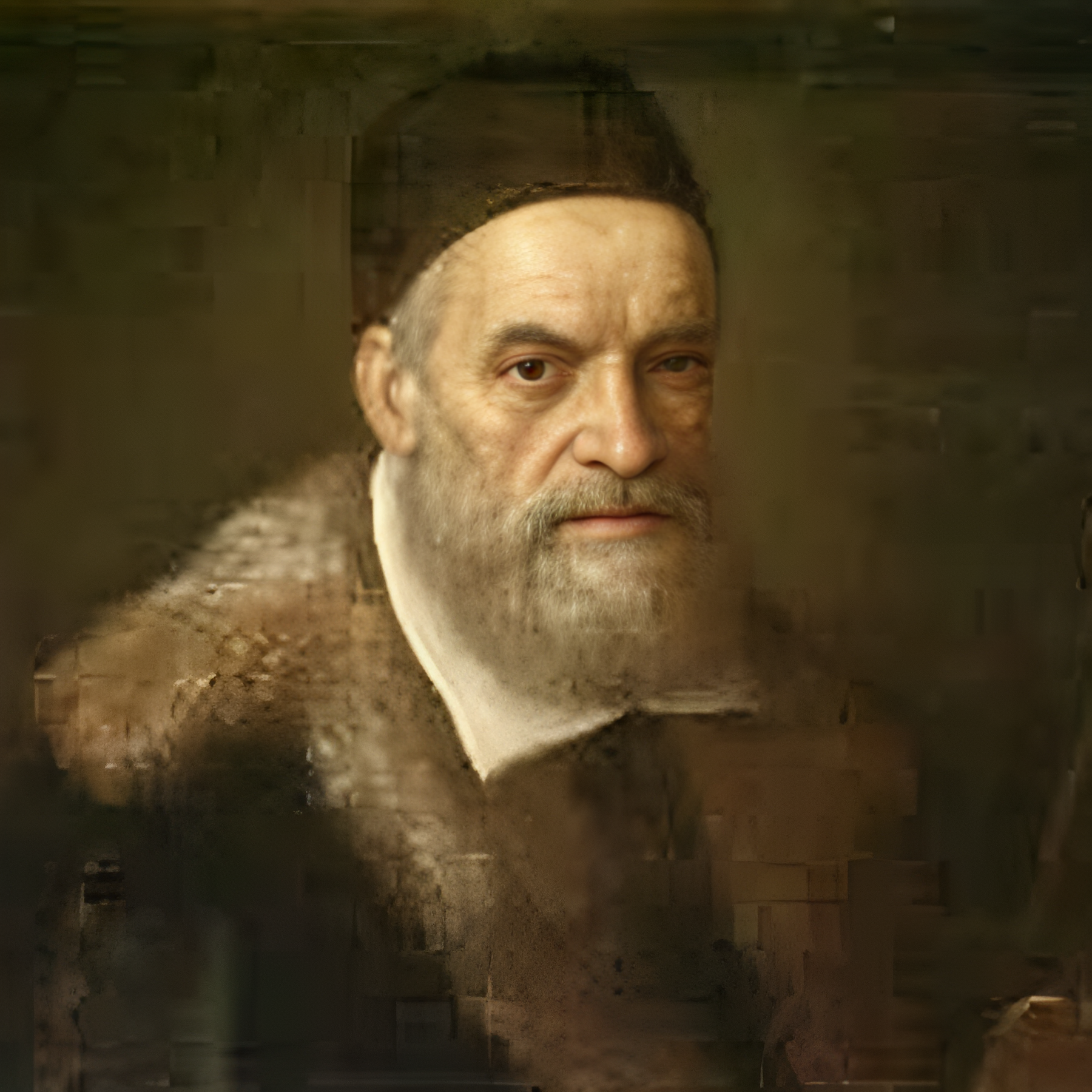
乔万尼·加布里埃利(義大利語:Giovanni Gabrieli,1554或1557年-1612年8月12日),意大利文艺复兴时期安德烈·加布里埃利之侄。曾从拉索学习,后在慕尼黑工作过,1584年任威尼斯圣马可大教堂管风琴师。其作品风格华丽,声乐和器乐的技巧都高度发展,促进了赋格曲式的形成,被认为是文艺复兴音乐的高峰,并通过其学生许茨对德国音乐产生很大影响。
Giovanni Gabrieli (* 1554/1557 in Venedig; † 12. August 1612 ebenda) war ein venezianischer Kirchenmusiker am Markusdom in Venedig und einer der bedeutendsten Musiker der Venezianischen Schule am Übergang von der Renaissance hin zum Barock. Sein avantgardistisches Werk zog Musiker aus ganz Europa nach Venedig. Sein berühmtester Schüler wurde der Deutsche Heinrich Schütz.
ジョヴァンニ・ガブリエーリ(Giovanni Gabrieli, 1554年または1557年? - 1612年8月12日)はイタリアの作曲家・オルガニスト。当時最も影響力のあった音楽家であり、ヴェネツィア楽派の頂点に立ってルネサンス音楽からバロック音楽への過渡期を代表する存在となった。諸外国、とりわけドイツ語圏から留学生を受け入れ、分割合唱による作曲技法を国外に広めた。
Giovanni Gabrieli (c. 1554/1557 – 12 August 1612) was an Italian composer and organist. He was one of the most influential musicians of his time, and represents the culmination of the style of the Venetian School, at the time of the shift from Renaissance to Baroque idioms.
Giovanni Gabrieli (ou Gabrielli), né en 1557 à Venise et mort dans la même ville le 12 août 1612, est un compositeur et organiste italien de la fin du XVIe et du début du XVIIe siècle faisant partie de l'école vénitienne.
Giovanni Gabrieli (Venezia, 1557 – Venezia, 12 agosto 1612) è stato un compositore e organista italiano.
Giovanni Gabrieli (ca. 1554/1557 – 13 de octubre de 1612) fue un compositor y organista italiano, nacido y muerto en Venecia. Uno de los más influyentes músicos de su época, representa la culminación de la escuela veneciana, enmarcándose en la transición de la música renacentista a la música barroca.
Джованни Габрие́ли (итал. Giovanni Gabrieli; около 1555, Венеция — 12 августа 1612, там же) — итальянский композитор и органист эпохи позднего Возрождения.
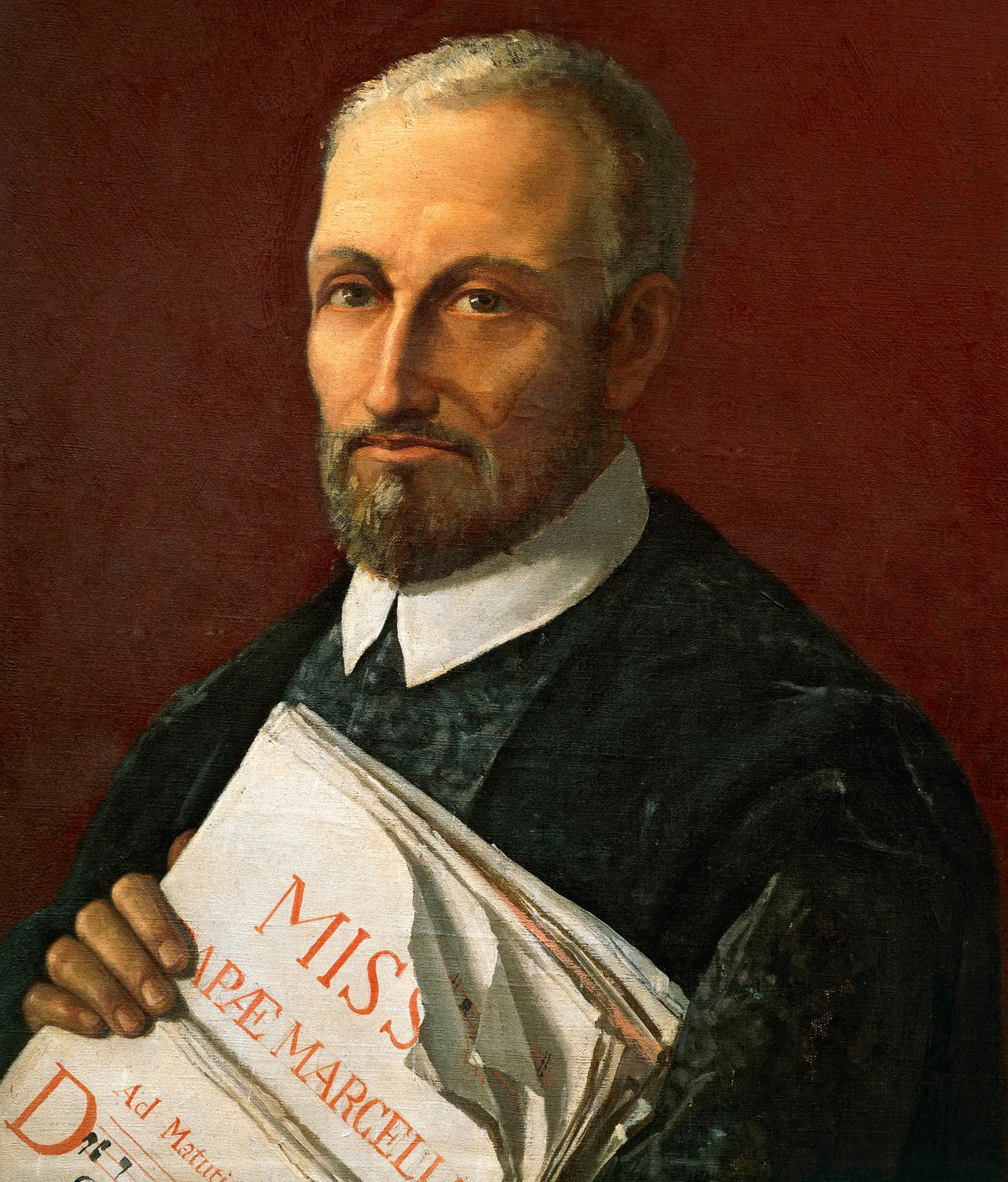
乔瓦尼·皮耶路易吉·达·帕莱斯特里纳(意大利语:Giovanni Pierluigi da Palestrina;约1525年-1594年2月2日)[1],为意大利文艺复兴后期的作曲家,也是十六世纪罗马乐派的代表音乐家[2][3]。由于帕莱斯特里纳在教会音乐中有很深的造诣,因此称为“教会音乐之父”,文艺复兴时期最杰出的作曲家之一,其作品是文艺复兴时期复音音乐的经典[2]。
Giovanni Pierluigi da Palestrina (* wahrscheinlich 1525 in Palestrina, Region Latium; † 2. Februar 1594 in Rom) war ein italienischer Komponist in der Nachfolge des franko-flämischen Stils, Sänger und Kapellmeister der Renaissance sowie ein herausragender Meister der Kirchenmusik.

Giulio Romano Caccini (* 8. Oktober 1551 in Rom; begraben 10. Dezember 1618 in Florenz) war ein italienischer Komponist, Sänger, Gesangslehrer und Instrumentalist, der an der Schnittstelle der Spätrenaissance zum Frühbarock lebte und an der Entwicklung der Oper beteiligt war.
朱利欧·罗莫洛·卡契尼(意大利语:Giulio Romolo Caccini;1551年10月8日—1618年12月10日),意大利作曲家及演唱家,活跃于巴洛克前期。卡契尼开创美声唱法(bel canto),对意大利歌剧发展有巨大的影响。
Giuseppe Verdi
Music
Music
Late Classical, Romantic (Early, Middle, Late)
Music
*Art Songs
Music
Gesang
Music
Opera
Music
*Development of music
New Year's Concert of the Vienna Philharmonic
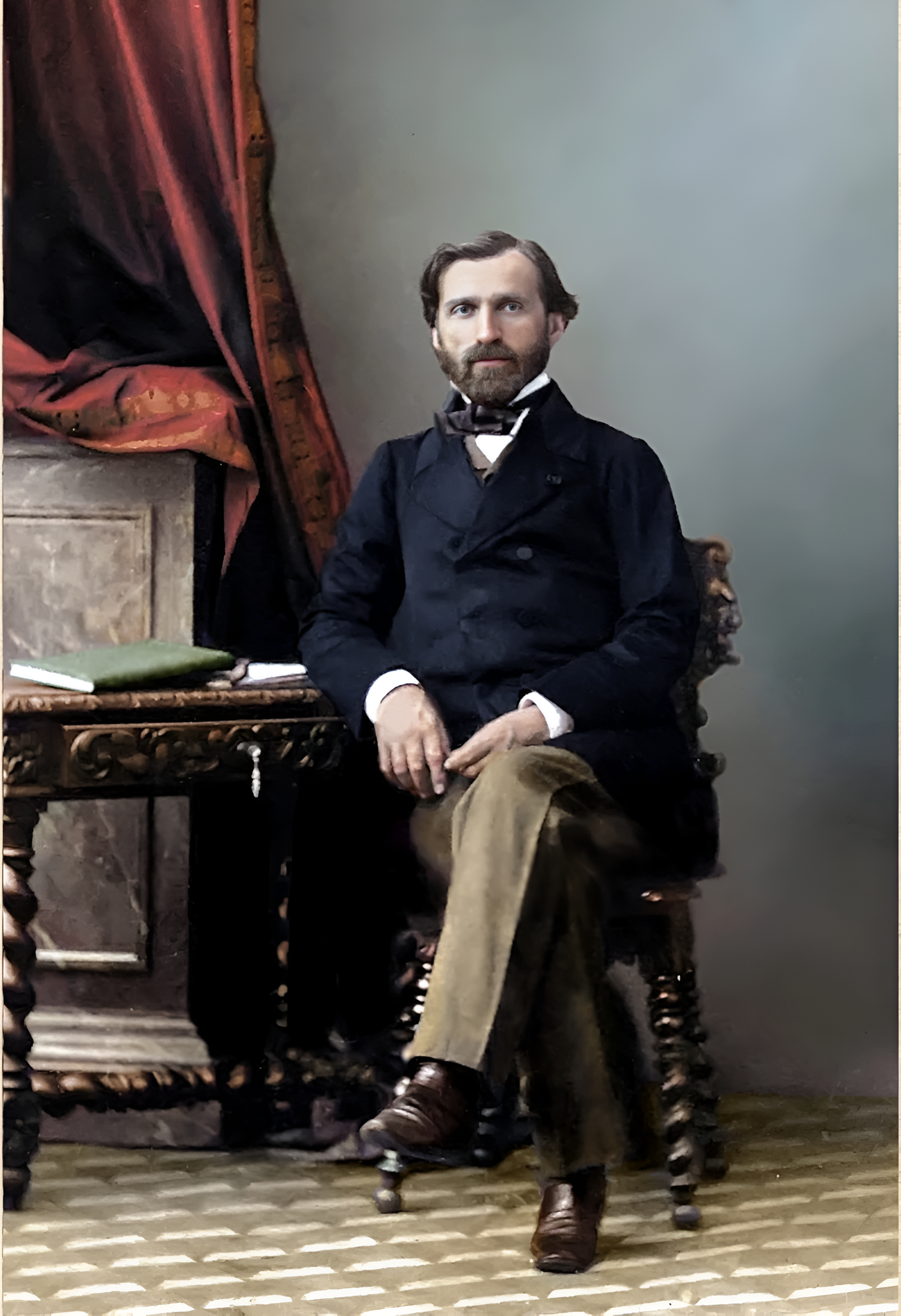
朱塞佩·福图尼诺·弗朗切斯科·威尔第(意大利语:Giuseppe Fortunino Francesco Verdi,1813年10月10日-1901年1月27日),意大利作曲家,出生于帕尔马附近的勒朗科勒,逝世于米兰。
威尔第和理查德·瓦格纳一起被认为是19世纪最有影响力的歌剧创作者[1]。
威尔第从1824年开始学习音乐,他为焦阿基诺·罗西尼的歌剧《塞维利亚的理发师》写了序曲。然后他去米兰,但那里的音乐学院拒绝接受他,他并不灰心,继续自学。
他的处女作是《奥贝尔托》(Oberto),此后他又写了《一日国王》(Un Giorno di Regno),这是他第一部喜剧,但不成功。1842年他创作了他的第一部不朽之作《纳布科》。
其后他的佳作屡出不叠。1872年他的另一部巨著《阿依达》问世。对于这部歌剧的创作目的,坊间有不少传言。实际上这歌剧并不是为开罗总督歌剧院的开幕式,也不是为苏伊士运河开航而作的。
威尔第晚年主要修改他早年的作品。威尔第支持意大利当时的独立运动,他的一些作品中有暗示这个运动的情节。直到今天还有人建议将他为《纳布科》所作的合唱《飞吧,思想,乘着金色的翅膀》(Va' pensiero, sull'ali dorate)作为意大利的国歌。
Giuseppe Fortunino Francesco Verdi (* 9. Oktober oder 10. Oktober 1813 in Le Roncole, Département Taro, Französisches Kaiserreich; † 27. Januar 1901 in Mailand) war ein italienischer Komponist der Romantik, der vor allem durch seine Opern, darunter Rigoletto, Otello und Falstaff, berühmt wurde.
ジュゼッペ・フォルトゥニーノ・フランチェスコ・ヴェルディ(Giuseppe Fortunino Francesco Verdi、1813年10月10日 - 1901年1月27日)は、19世紀を代表するイタリアのロマン派音楽の作曲家であり、主にオペラを制作した。「オペラ王」の異名を持つ。
代表作は『ナブッコ』、『リゴレット』、『椿姫』、『アイーダ』などがある。彼の作品は世界中のオペラハウスで演じられ、またジャンルを超えた展開を見せつつ大衆文化に広く根付いている。ヴェルディの活動はイタリア・オペラに変革をもたらし、現代に至る最も重要な人物と評される[1]。1962年から1981年まで、1000リレ(リラの複数形)イタリアの紙幣に肖像が採用されていた。
Giuseppe Fortunino Francesco Verdi (Italian: [dʒuˈzɛppe ˈverdi]; 9 or 10 October 1813 – 27 January 1901) was an Italian opera composer. He was born near Busseto to a provincial family of moderate means, receiving a musical education with the help of a local patron. Verdi came to dominate the Italian opera scene after the era of Gioachino Rossini, Gaetano Donizetti, and Vincenzo Bellini, whose works significantly influenced him.
In his early operas, Verdi demonstrated a sympathy with the Risorgimento movement which sought the unification of Italy. He also participated briefly as an elected politician. The chorus "Va, pensiero" from his early opera Nabucco (1842), and similar choruses in later operas, were much in the spirit of the unification movement, and the composer himself became esteemed as a representative of these ideals. An intensely private person, Verdi did not seek to ingratiate himself with popular movements. As he became professionally successful he was able to reduce his operatic workload and sought to establish himself as a landowner in his native region. He surprised the musical world by returning, after his success with the opera Aida (1871), with three late masterpieces: his Requiem (1874), and the operas Otello (1887) and Falstaff (1893).
His operas remain extremely popular, especially the three peaks of his 'middle period': Rigoletto, Il trovatore and La traviata. The bicentenary of his birth in 2013 was widely celebrated in broadcasts and performances.
Giuseppe Fortunino Francesco Verdi (/dʒuˈzɛppe fortuˈniːno franˈt͡ʃesko ˈverdi/1), né Joseph Fortunin François Verdi le 10 octobre 1813 à Roncole et mort le 27 janvier 1901 à Milan, est un compositeur romantique italien. Son œuvre, composée essentiellement d’opéras, unissant le pouvoir mélodique à la profondeur psychologique et légendaire, est l'une des plus importantes de toute l'histoire du théâtre musical.
Verdi est l’un des compositeurs d’opéras italiens les plus influents du XIXe siècle, influence comparable à celle de Bellini, Donizetti, Puccini et Rossini. Ses œuvres sont fréquemment jouées dans les opéras du monde entier et, dépassant les frontières du genre, certains de ses thèmes sont depuis longtemps inscrits dans la culture populaire comme « La donna è mobile » de Rigoletto, le « Brindisi » de La traviata, le « Va, pensiero » de Nabucco ou la « Marche triomphale » d'Aida. Les opéras de Verdi dominent encore le répertoire de l'art lyrique un siècle et demi après leur création.
Peu engagé politiquement, il a cependant autorisé l'utilisation de son image et de ses œuvres dans le processus de réunification de la péninsule italienne et demeure de ce fait, aux côtés de Garibaldi et de Cavour, une figure emblématique du Risorgimento.
Giuseppe Fortunino Francesco Verdi (Le Roncole, 10 ottobre 1813 – Milano, 27 gennaio 1901) è stato un compositore e senatore italiano.
Universalmente riconosciuto come uno dei più grandi operisti di ogni tempo, subentrò ai protagonisti italiani del teatro musicale del primo Ottocento: Gioachino Rossini, Vincenzo Bellini e Gaetano Donizetti; come Richard Wagner, interpretò in modo originale, seppur differente dal tedesco, gli elementi romantici presenti nelle sue opere, proponendo agli spettatori una chiave di lettura patriottica in molte delle sue composizioni.
Simpatizzò con il movimento risorgimentale che perseguiva l'Unità d'Italia e partecipò attivamente per breve tempo anche alla vita politica; nel corso della sua lunga esistenza stabilì una posizione unica tra i suoi connazionali, divenendo un simbolo artistico profondo dell'unità del Paese. Fu perciò che, un mese dopo la sua morte, una solenne e sterminata processione attraversò Milano, accompagnando le sue spoglie con le note del Va', pensiero, il coro degli schiavi ebrei del Nabucco. Il Va' pensiero, da lui scritto circa 60 anni prima, esprimendo di fatto i sentimenti degli italiani verso il loro eroe scomparso, dimostrò fino a che punto la musica di Verdi fosse stata assimilata nella coscienza nazionale.
Le sue opere rimangono ancora tra le più conosciute ed eseguite nei teatri di tutto il mondo, in particolare l'Aida (1871), il già citato Nabucco (1842) e la cosiddetta "triade verdiana": Rigoletto (1851), Il trovatore (1853) e La traviata (1853).
Giuseppe Fortunino Francesco Verdi (Le Roncole, Busseto, 10 de octubre de 1813 - Milán, 27 de enero de 1901) fue un compositor romántico italiano de ópera, uno de los más importantes de todos los tiempos. Su obra sirve de puente entre el bel canto de Rossini, Donizetti y Bellini, y la corriente del verismo y Puccini.
En sus primeras óperas mostró simpatía por el movimiento del Risorgimento, que buscaba la unificación de Italia. También participó brevemente como político elegido. El coro «Va, pensiero» de su tercera ópera, Nabucco (1842) —y coros similares en óperas posteriores—, estaban muy en el espíritu del movimiento de unificación y se llegó a considerar al propio compositor como un representante de estos ideales. Sin embargo, Verdi, una persona intensamente reservada, no trató de congraciarse con los movimientos populares y, a medida que tuvo éxito profesional, redujo su carga de trabajo operístico y buscó establecerse como terrateniente en su región natal. Sorprendió al mundo musical al regresar, después de su éxito con la ópera Aida (1871), con tres obras maestras tardías: su Réquiem (1874) y las óperas Otelo (1887) y Falstaff (1893).
Fue autor de algunos de los títulos más populares del repertorio lírico, como los que componen su trilogía popular o romántica de su período medio: Rigoletto, El trovador y La traviata.
Джузе́ппе Фортуни́но Франче́ско Ве́рди (итал. Giuseppe Fortunino Francesco Verdi, 10 октября 1813, деревня Ле Ронколе, Пармское герцогство, Французская империя — 27 января 1901 года, Милан, Италия[9]) — итальянский композитор.
Его творчество является одним из величайших достижений мирового оперного искусства и кульминацией развития итальянской оперы XIX века. Им созданы 26 опер[10], реквием, струнный квартет и ряд духовных пьес. Лучшие оперы композитора: «Бал-маскарад», «Риголетто», «Трубадур», «Травиата». Вершина творчества — последние оперы: «Аида», «Отелло», «Фальстаф».
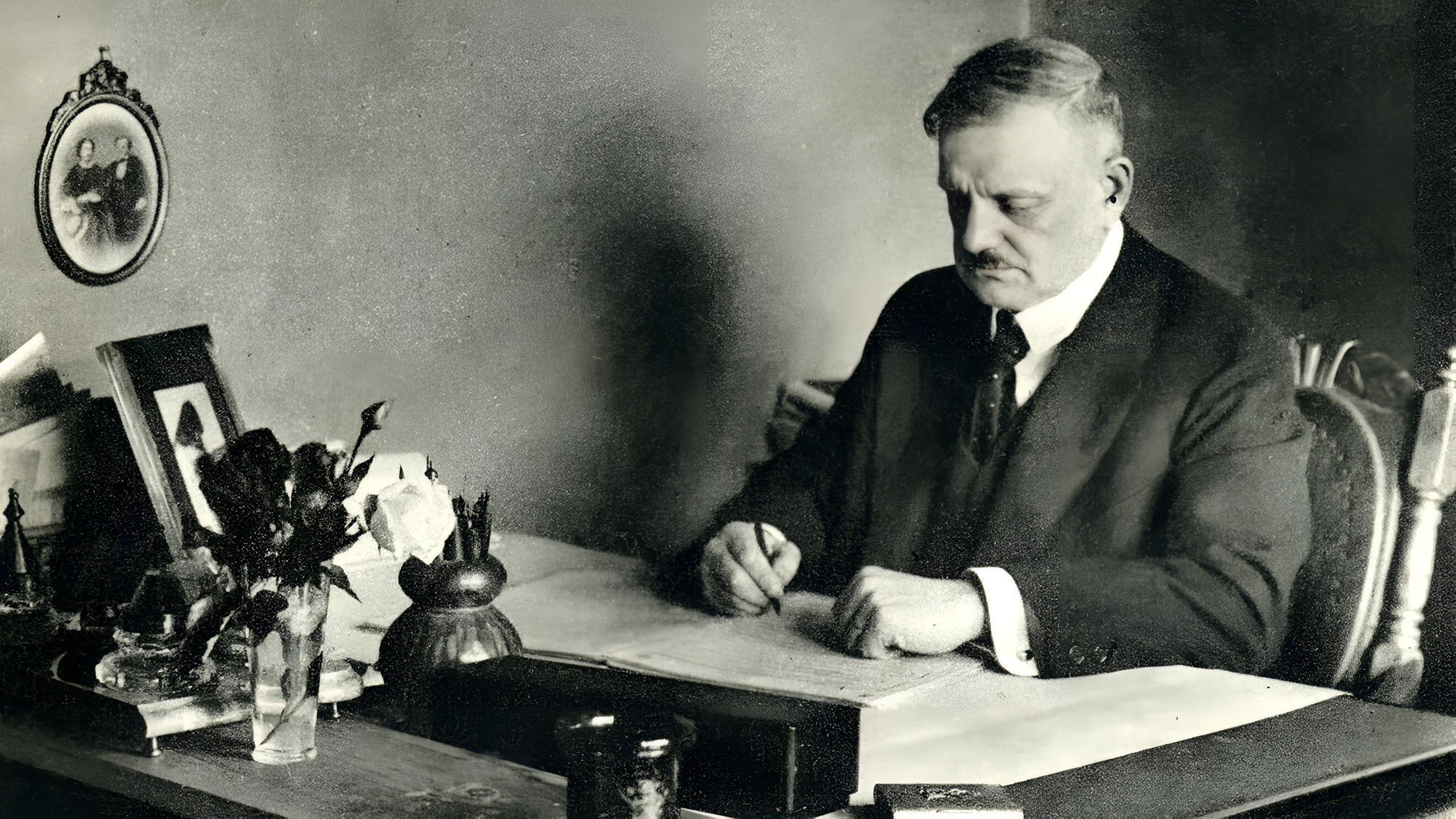
让·西贝柳斯(Jean Sibelius,名的法语发音:[ʒɑ̃],姓的瑞典语发音:[siˈbeːliʉs] (ⓘ);出生时名为约翰·尤利乌斯·克里斯蒂安·西贝柳斯(瑞典语:Johan Julius Christian Sibelius)[1];1865年12月8日—1957年9月20日),芬兰作曲家,活跃于晚期浪漫主义和早期现代主义时期。他被广泛认为是芬兰最伟大的作曲家,他的音乐常被认为在19世纪末芬兰遭受多次俄罗斯化企图时,帮助芬兰发展出了更强烈的国族认同。
Johan Julius Christian („Jean“) Sibelius (* 8. Dezember 1865 in Hämeenlinna; † 20. September 1957 in Järvenpää bei Helsinki), auch genannt Janne Sibelius, war ein finnischer Komponist am Übergang von der Spätromantik zur Moderne.
Johann Baptist Strauss
Music
Composers
Music
*Development of music
New Year's Concert of the Vienna Philharmonic
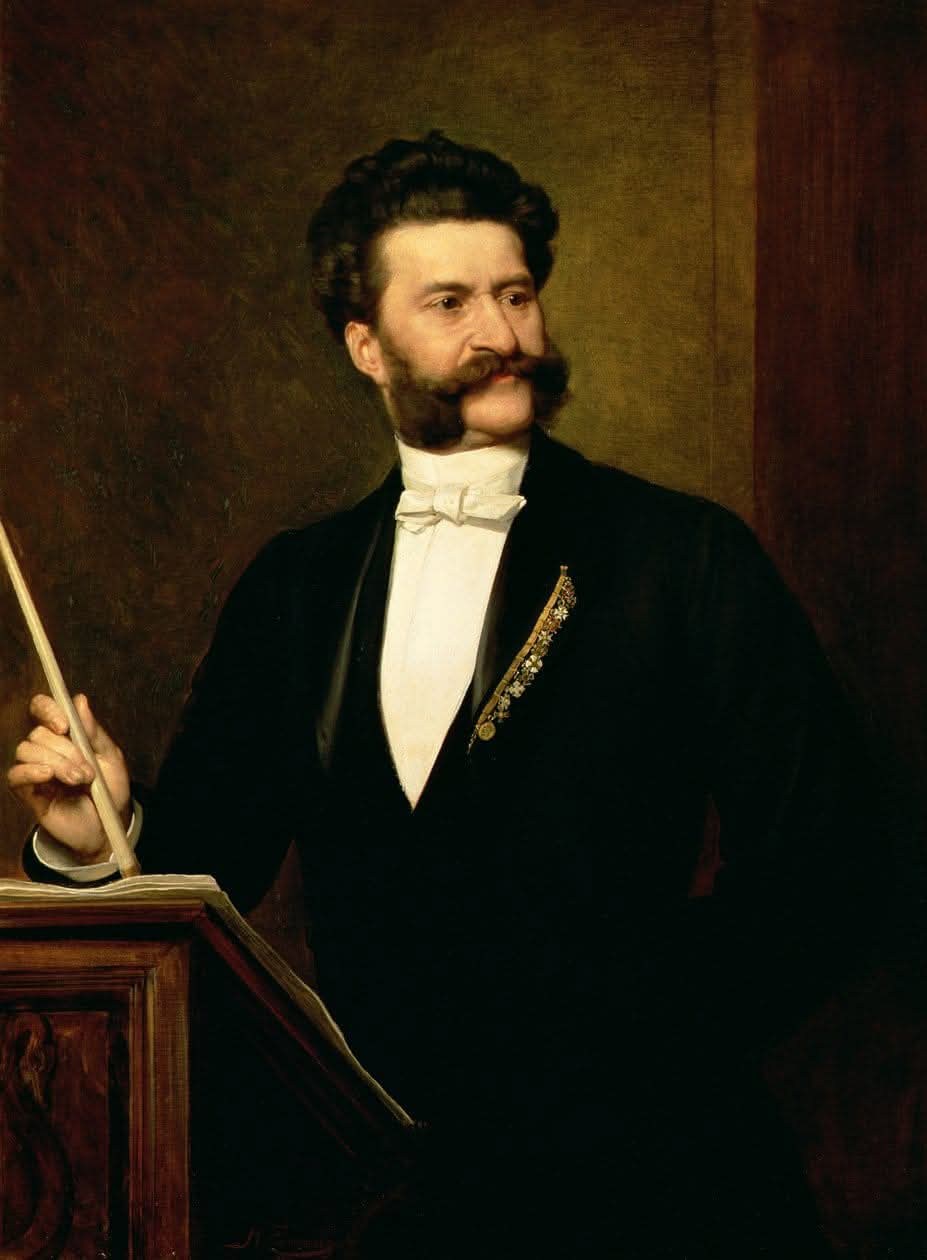
约翰·巴普蒂斯特·施特劳斯(德語:Johann Baptist Strauss,1825年10月25日-1899年6月3日),因与其父同名,故通常称为约翰·施特劳斯二世或小约翰·施特劳斯,奥地利作曲家,以圆舞曲作品最为著名,如《蓝色多瑙河》。
约翰·施特劳斯是著名音乐家老约翰·施特劳斯的儿子。他的两位弟弟约瑟夫·施特劳斯和爱德华·施特劳斯也是著名的音乐家。不过小约翰是整个家族中成就最大,名望最高的一位。他被誉为“圆舞曲之王”,为19世纪维也纳圆舞曲的流行作出了巨大的贡献[註 1]。此外他的作品的艺术成就大大超越了他的前辈们(例如约瑟夫·兰纳和老约翰·施特劳斯),也更为人所熟知。不仅是圆舞曲,他的一些波尔卡、进行曲以及轻歌剧也相当著名。
Johann Baptist Strauss (* 25. Oktober 1825[2] in St. Ulrich bei Wien, heute ein Teil von Wien-Neubau; † 3. Juni 1899 in Wien) war ein österreichisch-deutscher Kapellmeister und Komponist und wurde als „Walzerkönig“ international geschätzt. Zur Unterscheidung von seinem gleichnamigen Vater wird er auch als Johann Strauss (Sohn) bezeichnet.
ヨハン・シュトラウス2世(ドイツ語: Johann Strauss II. (Sohn), 1825年10月25日 - 1899年6月3日)は、オーストリアのウィーンを中心に活躍した作曲家・指揮者。
ヨハン・シュトラウス1世の長男。弟にヨーゼフ・シュトラウスとエドゥアルト・シュトラウス1世が、甥にヨハン・シュトラウス3世がいる。(シュトラウス家も参照)
Johann Strauss II (born Johann Baptist Strauss; 25 October 1825 – 3 June 1899), also known as Johann Strauss Jr., the Younger, the Son (German: Sohn), was an Austrian composer of light music, particularly dance music and operettas. He composed over 500 waltzes, polkas, quadrilles, and other types of dance music, as well as several operettas and a ballet. In his lifetime, he was known as "The Waltz King", and was largely responsible for the popularity of the waltz in Vienna during the 19th century. Some of Johann Strauss's most famous works include "The Blue Danube", "Kaiser-Walzer" (Emperor Waltz), "Tales from the Vienna Woods", and the "Tritsch-Tratsch-Polka". Among his operettas, Die Fledermaus and Der Zigeunerbaron are the best known.
Strauss was the son of Johann Strauss I and his first wife Maria Anna Streim. Two younger brothers, Josef and Eduard Strauss, also became composers of light music, although they were never as well known as their brother.
Johann Strauss II, dit Johann Strauss fils (Johann Strauss Sohn) ou Johann Strauss le jeune, est un compositeur autrichien né le 25 octobre 1825 à Vienne et mort le 3 juin 1899 dans la même ville1.
On lui doit en particulier de la musique de danse et des opérettes. Il a composé plus de 500 valses, polkas, quadrilles, et d'autres types de musique de danse, ainsi que plusieurs opérettes et un ballet. Surnommé « le roi de la valse », il est responsable de la popularité de la valse à Vienne au cours du XIXe siècle.
Ses deux jeunes frères, Josef et Eduard Strauss, également compositeurs de musique légère, n'ont jamais eu la notoriété de leur frère aîné. Parmi ses œuvres les plus célèbres, on peut citer Le beau Danube bleu, La Valse de l'empereur, les Histoires de la forêt viennoise et la Tritsch-Tratsch-Polka. Parmi ses opérettes, La Chauve-souris et Le Baron tzigane sont les plus connues.
Johann Strauss[1] (Vienna, 25 ottobre 1825 – Vienna, 3 giugno 1899) è stato un compositore e direttore d'orchestra austriaco figlio dell'omonimo compositore Johann Strauss.
Johann Strauss figlio, il re del valzer, è principalmente noto per la sua attività di compositore di musica da ballo e di operette. Suoi fratelli furono i compositori Josef ed Eduard Strauss. Alla sua figura e a quella degli altri membri della sua famiglia è dedicato l'annuale Concerto di Capodanno, offerto dal Wiener Philharmoniker, in diretta mondovisione dalla sala dorata del Musikverein di Vienna. Un sondaggio di opinione nel 1890 lo rivelò essere il terzo tra le personalità più celebri d'Europa: era preceduto nell'ordine dalla regina Vittoria e dal cancelliere Otto von Bismarck[2].
Johann Strauss è stato il più celebre membro di una famiglia di musicisti che, per quasi un secolo, dominò le scene musicali viennesi e oscurò artisti contemporanei a lui come Joseph Labitzky. La sua fama è legata soprattutto ai suoi valzer, alcuni dei quali ancora oggi celeberrimi, come Wiener Bonbons, Künstlerleben, Geschichten aus dem Wienerwald, Wein, Weib und Gesang, Wiener Blut, Rosen aus dem Süden, Frühlingsstimmen, Kaiser-Walzer e quello che viene considerato il valzer più famoso di tutti i tempi, An der schönen blauen Donau (Sul bel Danubio blu); per questo motivo a Strauss è stato universalmente riconosciuto l'appellativo di "re del valzer".
Fra le altre danze della sua lunga produzione (la lista delle sue opere comprende circa 500 composizioni fra valzer, polke, marce e quadriglie) vale la pena di menzionare Annen-Polka, Leichtes Blut, Éljen a Magyar!, Pizzicato Polka (scritta a quattro mani col fratello Josef), Auf der Jagd!, Unter Donner und Blitz e la Tritsch-Tratsch-Polka. Strauss seppe distinguersi anche nel campo dell'operetta, arrivando a comporne sedici nell'arco di poco meno di trent'anni. Il suo più grande successo l'ottenne con Die Fledermaus (Il Pipistrello) che, ancora oggi, è considerata il culmine di quel periodo musicale che venne rinominato Goldene Operettenära (Era d'oro dell'operetta viennese).
Johann Strauss (Neubau , 25 de octubre de 1825-Viena, 3 de junio de 1899) fue un compositor austriaco conocido especialmente por sus valses, como El Danubio azul. Hijo del compositor Johann Strauss y hermano de los compositores Josef Strauss y Eduard Strauss, Johann es el más famoso de la familia Strauss. Fue conocido en su vida como «el rey del vals» y a él se debe en gran medida la popularidad del vals en la Viena del siglo XIX. Lo revolucionó, elevándolo de una danza campesina a una de entretenimiento apta para la Corte Imperial de los Habsburgo. Sus obras gozan de mayor popularidad que las de sus predecesores, como su padre y Josef Lanner. Algunas de sus polcas y marchas son también muy conocidas, así como su opereta Die Fledermaus (El Murciélago).
Иоганн Батист Штраус II (нем. Johann Baptist Strauss; 25 октября 1825, Вена — 3 июня 1899, там же) — австрийский композитор, дирижёр и скрипач, признанный «король вальса», автор многочисленных танцевальных произведений и нескольких популярных оперетт.

约翰·帕赫贝尔(德语:Johann Pachelbel;1653年9月1日—1706年3月?日[注 1]),德国巴洛克时期作曲家、管风琴家,先后曾在许多地方担任过管风琴师的职位。帕海贝尔在音乐史上经常被忽略,他的作品也没有获得妥善的保管。他是“数字低音时代”的管风琴大师,事实上他的作品曾对巴赫产生过很大影响,巴赫的哥哥就曾在他门下学习。帕赫贝尔的一生写了很多的教会音乐,因为他信奉当时新兴的路德教派。著名作品包括众赞歌前奏曲78首、由三把小提琴与数字低音的《D大调卡农与吉格》等。
Johann Pachelbel[1] (getauft am 1. Septemberjul. / 11. September 1653greg. in Nürnberg; † 3. März 1706 ebenda) war ein deutscher Komponist des Barock. Er wirkte als Organist unter anderem in Wien, Eisenach, Erfurt, Stuttgart, Gotha und ab 1695 an der Sebalduskirche in Nürnberg.
 History
M 1500 - 2000 AD
Johann Sebastian Bach
Music
Music
Baroque period music
Music
*Development of music
Music
*Art Songs
Music
Gesang
History
M 1500 - 2000 AD
Johann Sebastian Bach
Music
Music
Baroque period music
Music
*Development of music
Music
*Art Songs
Music
Gesang
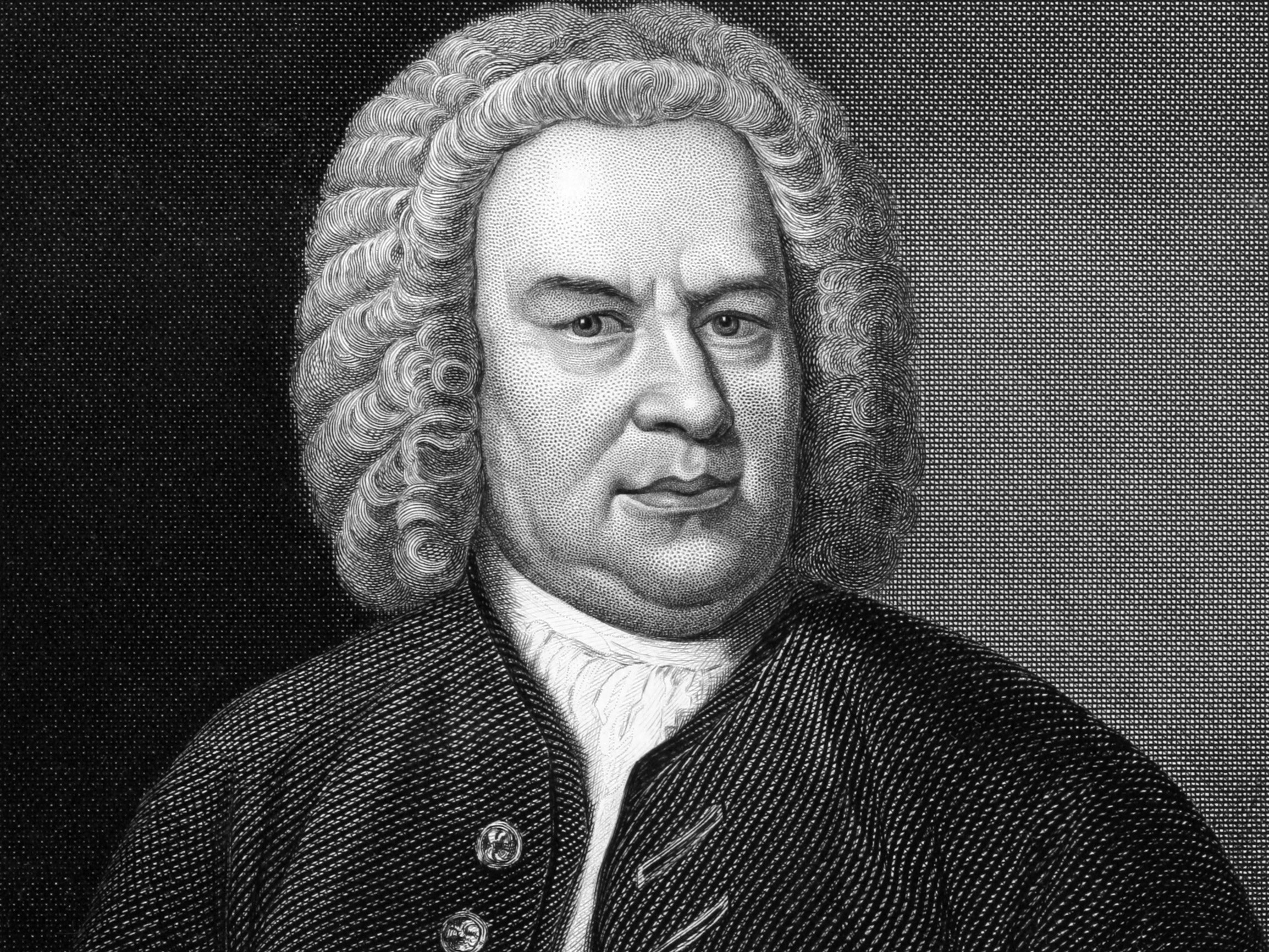
约翰·塞巴斯蒂安·巴赫(德语:Johann Sebastian Bach,1685年3月31日[儒略历3月21日]-1750年7月28日),巴洛克时期的作曲家及管风琴、小提琴、大键琴演奏家,也是巴洛克音乐的集大成者。巴赫被认为是音乐史上最伟大、最杰出、最重要的作曲家之一 [1][2]。
巴赫出生于神圣罗马帝国爱森纳赫(位于今德国图林根州)的一个音乐世家,自幼即接受音乐教育。父母亡故后,巴赫迁至奥尔德鲁夫由长兄扶养,生活清苦,15岁时即前往吕讷堡修习学业并自立更生。毕业后巴赫先后在阿恩施塔特和米尔豪森担任管风琴师(1703年-1708年),往后历任魏玛(1708年-1717年)与克滕(1717年-1723年)的宫廷乐长,以及莱比锡的教堂音乐总监(1723年-1750年)。
巴赫终生自学作曲不辍,举凡前人至晚辈的作品,无不研究。他一生极多产,其作品以质量俱佳著称,除了歌剧,几乎涉猎了当时所有的曲种,包含清唱剧、受难曲、神剧、经文歌、弥撒曲、圣咏、各种乐器的独奏曲、组曲、室内乐及协奏曲等等。尽管巴赫没有开创新风格,但他的创作广纳了德、意、法等国的音乐手法,并以娴熟的复调技巧呈现,展现了巴洛克音乐风格的精华与深奥的思想。
但由于音乐转而追求简明、轻巧的风格,巴赫的复调音乐在其身后被视为陈腐之物,其成就在数十年内未得到应有的评价,仅仅作为管风琴演奏家与教师而闻名[3]。虽然莫扎特、贝多芬等大作曲家均对巴赫推崇备至,但直到浪漫主义时代,作曲家门德尔松于1829年在柏林改编并指挥巴赫的《马太受难曲》,才使乐坛正视巴赫音乐的价值;浪漫早期以后的作曲家也多受巴赫影响。此后数代音乐家对他的作品进行了发掘、研究、整理和推广,巴赫逐渐恢复了崇高的地位。
在2005年德国电视二台票选最伟大的德国人活动中,他排名第六,在20世纪以前的人物中仅次于马丁·路德与马克思[4]。
Johann Sebastian Bach (* 21. Märzjul./ 31. März 1685greg. in Eisenach, Sachsen-Eisenach; † 28. Juli 1750 in Leipzig, Kursachsen) war ein deutscher Komponist, Kantor, Hofkonzertmeister, Violinist sowie Orgel- und Cembalovirtuose des Barocks aus Thüringen. In seiner Hauptschaffensperiode war er Thomaskantor zu Leipzig. Er ist der prominenteste Vertreter der Musikerfamilie Bach und gilt heute als einer der bekanntesten und bedeutendsten Musiker überhaupt. Insbesondere von Berufsmusikern wird er oft als der größte Komponist der Musikgeschichte angesehen.[2][3] Seine Werke beeinflussten nachfolgende Komponistengenerationen und inspirierten musikschaffende Künstler zu zahllosen Bearbeitungen.
Zu Lebzeiten wurde Bach als Virtuose, Organist und Orgelinspektor hoch geschätzt, allerdings waren seine Kompositionen nur einem relativ kleinen Kreis bekannt. Nach Bachs Tod gerieten seine Werke jahrzehntelang in Vergessenheit und wurden kaum noch öffentlich aufgeführt. Nachdem die Komponisten der Wiener Klassik sich mit Teilen von Bachs Werk auseinandergesetzt hatten, begann mit der Wiederaufführung der Matthäus-Passion unter Leitung von Felix Mendelssohn Bartholdy im Jahre 1829 die Bach-Renaissance in der breiten Öffentlichkeit. Seit der Mitte des 19. Jahrhunderts gehören seine Werke weltweit zum festen Repertoire der klassischen Musik.
Zu seinen bekanntesten Werken gehören Das wohltemperierte Clavier, die Matthäus-Passion, Die Kunst der Fuge, sein Weihnachtsoratorium, die Brandenburgischen Konzerte sowie viele Kantaten.
ヨハン・ゼバスティアン・バッハ(Johann Sebastian Bach, 1685年3月31日(ユリウス暦1685年3月21日) - 1750年7月28日)は、18世紀のドイツで活躍した作曲家・音楽家である。 バロック音楽の重要な作曲家の一人で、鍵盤楽器の演奏家としても高名であり、当時から即興演奏の大家として知られていた。バッハ研究者の見解では、バッハはバロック音楽の最後尾に位置する作曲家としてそれまでの音楽を集大成したとも評価されるが、後世には、西洋音楽の基礎を構築した作曲家であり音楽の源流であるとも捉えられ、日本の音楽教育では「音楽の父」と称された[1]。
バッハ一族は音楽家の家系で(バッハ家参照)数多くの音楽家を輩出したが、中でも、ヨハン・ゼバスティアン・バッハはその功績の大きさから、大バッハとも呼ばれている。J・S・バッハとも略記される。
Johann Sebastian Bach[a] (31 March [O.S. 21 March] 1685 – 28 July 1750) was a German composer and musician of the Baroque period. He is known for instrumental compositions such as the Brandenburg Concertos and the Goldberg Variations, and for vocal music such as the St Matthew Passion and the Mass in B minor. Since the 19th-century Bach Revival, he has been generally regarded as one of the greatest composers of all time.[3][4]
The Bach family already counted several composers when Johann Sebastian was born as the last child of a city musician in Eisenach. After being orphaned at the age of 10, he lived for five years with his eldest brother Johann Christoph, after which he continued his musical formation in Lüneburg. From 1703 he was back in Thuringia, working as a musician for Protestant churches in Arnstadt and Mühlhausen and, for longer stretches of time, at courts in Weimar, where he expanded his organ repertory, and Köthen, where he was mostly engaged with chamber music. From 1723 he was employed as Thomaskantor (cantor at St. Thomas) in Leipzig. He composed music for the principal Lutheran churches of the city, and for its university's student ensemble Collegium Musicum. From 1726 he published some of his keyboard and organ music. In Leipzig, as had happened during some of his earlier positions, he had difficult relations with his employer, a situation that was little remedied when he was granted the title of court composer by his sovereign, Augustus, Elector of Saxony and King of Poland, in 1736. In the last decades of his life he reworked and extended many of his earlier compositions. He died of complications after eye surgery in 1750 at the age of 65.
Bach enriched established German styles through his mastery of counterpoint, harmonic and motivic organisation, and his adaptation of rhythms, forms, and textures from abroad, particularly from Italy and France. Bach's compositions include hundreds of cantatas, both sacred and secular. He composed Latin church music, Passions, oratorios, and motets. He often adopted Lutheran hymns, not only in his larger vocal works, but for instance also in his four-part chorales and his sacred songs. He wrote extensively for organ and for other keyboard instruments. He composed concertos, for instance for violin and for harpsichord, and suites, as chamber music as well as for orchestra. Many of his works employ the genres of canon and fugue.
Throughout the 18th century Bach was primarily valued as an organist, while his keyboard music, such as The Well-Tempered Clavier, was appreciated for its didactic qualities. The 19th century saw the publication of some major Bach biographies, and by the end of that century all of his known music had been printed. Dissemination of scholarship on the composer continued through periodicals (and later also websites) exclusively devoted to him, and other publications such as the Bach-Werke-Verzeichnis (BWV, a numbered catalogue of his works) and new critical editions of his compositions. His music was further popularised through a multitude of arrangements, including, for instance, the Air on the G String, and of recordings, such as three different box sets with complete performances of the composer's oeuvre marking the 250th anniversary of his death.
Jean-Sébastien Bach [ ʒɑ̃sebastjɛ̃ bak]1 (en allemand : Johann Sebastian Bach [ˈjoːhan zeˈbasti̯an baχ]2 Écouter), né à Eisenach (Duché de Saxe-Eisenach) le 21 mars 1685 (31 mars 1685 dans le calendrier grégorien), mort à Leipzig le 28 juillet 1750, est un musicien, notamment organiste, et compositeur allemand.
Membre le plus éminent de la famille Bach — la famille de musiciens la plus prolifique de l'histoire —, sa carrière s'est entièrement déroulée en Allemagne centrale, dans le cadre de sa région natale, au service de petites municipalités, de cours princières sans importance politique, puis du conseil municipal de Leipzig qui lui manifestait peu de considération : il n'a ainsi jamais pu obtenir un poste à la mesure de son génie et de son importance dans l'histoire de la musique occidentale, malgré la considération de certains souverains allemands, tel Frédéric le Grand, pour le « Cantor de Leipzig ».
Orphelin de bonne heure, sa première formation a été assurée par son père Johann Ambrosius Bach, puis par son frère aîné Johann Christoph Bach, mais il a aussi été un autodidacte3 passionné de son art, copiant et étudiant sans relâche les œuvres de ses prédécesseurs et de ses contemporains, développant sa science de la composition et particulièrement du contrepoint jusqu'à un niveau inconnu avant lui et, depuis lors, jamais surpassé4. Jean-Sébastien Bach a été un virtuose de plusieurs instruments, le violon et l'alto, mais surtout le clavecin et l'orgue. Sur ces deux derniers instruments, ses dons exceptionnels faisaient l'admiration et l'étonnement de tous ses auditeurs ; il prétendait jouer tout à première vue, et pouvait improviser sur le champ une fugue à trois voix. Il avait aussi une compétence reconnue et très sollicitée en expertise de facture instrumentale.
À la croisée des principales traditions musicales européennes (pays germaniques, France et Italie), il en a opéré une synthèse très novatrice pour son temps. Bien qu'il n’ait pas créé de forme musicales nouvelles, il pratiqua tous les genres existant à son époque à l’exception de l’opéra : dans tous ces domaines, ses compositions, dont seules une dizaine ont été imprimées de son vivant, montrent une qualité exceptionnelle en invention mélodique, en développement contrapuntique, en science harmonique, en lyrisme inspiré d’une profonde foi chrétienne. La musique de Bach réalise l'équilibre parfait entre le contrepoint et l'harmonie avant que cette dernière prenne le pas à partir du milieu du XVIIIe siècle. Il est en particulier le grand maître de la fugue, du prélude de choral, de la cantate religieuse et de la suite qu’il a portés au plus haut degré d’achèvement. La principale destination de ses œuvres a beaucoup dépendu des fonctions exercées : pièces pour orgue à Mühlhausen ou Weimar, instrumentales et orchestrales à Cöthen, religieuses à Leipzig notamment.
Ses contemporains l’ont souvent considéré comme un musicien austère, trop savant et moins tourné vers l’avenir que certains de ses collègues. Il a formé de nombreux élèves et transmis son savoir à plusieurs fils musiciens pour lesquels il a composé quantité de pièces à vocation didactique, ne laissant cependant aucun écrit ou traité. Mais la fin de sa vie a été consacrée à la composition, au rassemblement et à la mise au propre d’œuvres magistrales ou de cycles synthétisant et concrétisant son apport théorique, constituant une sorte de « testament musical ».
Peu connue de son vivant au-dehors de l'Allemagne, passée de mode et plus ou moins oubliée après sa disparition, pleinement redécouverte au XIXe siècle, son œuvre, comprenant plus de mille compositions, est généralement considérée comme l'aboutissement et le couronnement de la tradition musicale du baroque : elle a fait l’admiration des plus grands musiciens, conscients de son extraordinaire valeur artistique. Objet d'un culte chez les musicologues et musiciens5 qui a cependant pu susciter l'ironie de Berlioz6, Jean-Sébastien Bach est, de nos jours, considéré comme un des plus grands compositeurs de tous les temps, si ce n'est comme le plus grand7.
Johann Sebastian Bach (pronuncia tedesca [ˈjoːhan zeˈbastjan ˈbax],[1] in italiano spesso pronunciato /ˈbak/[2]; Eisenach, 31 marzo 1685[3] – Lipsia, 28 luglio 1750) è stato un compositore e musicista tedesco del periodo barocco, 16° Thomaskantor di Lipsia dal 1723 alla morte.
Considerato uno dei più grandi geni nella storia della musica,[4] le sue opere sono notevoli per profondità intellettuale, padronanza dei mezzi tecnici ed espressivi e per bellezza artistica. La sua fama è dovuta all'ampio e magistrale utilizzo del contrappunto e all'organizzazione armonica e tematica delle sue opere e all'inclusione di temi e motivi sacri (specialmente dalla musica sacra del culto luterano) e profani, oltre che alla capacità di padroneggiare i diversi stili nazionali (principalmente lo stile tedesco, quello italiano e quello francese, che approfondì). È considerato uno dei massimi maestri dei generi musicali del canone, della cantata e della fuga.
Bach fu polistrumentista (suonava sia strumenti a tastiera sia ad arco, anche se era noto principalmente come organista) e compositore estremamente prolifico (l'indice delle sue opere, il Bach-Werke-Verzeichnis o BWV, supera il migliaio di titoli) sia di musica strumentale sia di musica vocale; compose per strumenti a tastiera decine di opere per organo (tra cui preludi, toccate, fughe, fantasie, sonate, adagi, concerti, i Preludi corali di Lipsia, l'Orgelbüchlein), clavicembalo (come il celeberrimo Clavicembalo ben temperato e le Variazioni Goldberg) e per complessi orchestrali (ad esempio i Concerti Brandeburghesi); dall'altra parte, oltre cento cantate, la Passione secondo Matteo, l'Oratorio di Natale, la Messa in Si minore e la Passione secondo Giovanni. L'Offerta musicale da lui donata a Federico II di Prussia e l'incompiuta Arte della fuga sono oggi considerate tra le opere più complesse e articolate della musica occidentale e due dei suoi vertici più elevati. Compose sia musica sacra sia didattica sia assoluta e un ruolo marginale ha nella sua opera la musica profana e secolare.
Operò una sintesi mirabile fra lo stile tedesco (di cui erano stati esponenti, fra gli altri, Pachelbel e Buxtehude) e le opere dei compositori italiani (particolarmente Vivaldi, del quale trascrisse numerosi brani, assimilandone soprattutto lo stile concertante).
La sua opera costituì la summa e lo sviluppo delle varie tendenze stilistico-compositive della sua epoca. Il grado di complessità strutturale, la difficoltà tecnica e l'esclusione del genere melodrammatico, tuttavia, resero la sua opera appannaggio solo dei musicisti più dotati e all'epoca ne limitarono la diffusione fra il grande pubblico, in paragone alla popolarità raggiunta da altri musicisti contemporanei come Händel o Telemann.
Dopo la sua morte, per motivi imputabili sia alle oggettive difficoltà tecnico-esecutive sia al cambio nel gusto imperante, la sua opera fu sostanzialmente dimenticata per quasi un secolo, sebbene celebri compositori quali Mozart e Beethoven ebbero modo di conoscerne e apprezzarne lo stile. Nel 1829 l'esecuzione della Passione secondo Matteo, diretta a Berlino da Felix Mendelssohn, riportò alla conoscenza di un vasto pubblico la qualità elevatissima dell'opera compositiva di Bach, che è da allora considerata il compendio della musica contrappuntistica del periodo barocco.
A lui sono dedicati l'asteroide 1814 Bach, il cratere Bach e l'omonima maglia sulla superficie di Mercurio.
Johann Sebastian Bach (Eisenach, en la actual Turingia, Sacro Imperio Romano Germánico, 21 de marzojul./ 31 de marzo de 1685greg.-Leipzig, en la actual Sajonia, Sacro Imperio Romano Germánico, 17 de juliojul./ 28 de julio de 1750greg.) fue un compositor, organista, clavecinista, director de orquesta, violinista, violagambista, maestro de capilla, cantor y profesor alemán del período barroco.
Fue el miembro más importante de una de las familias de músicos más destacadas de la historia, con más de 35 compositores famosos. Tuvo una gran fama como organista y clavecinista en toda Europa por su gran técnica y capacidad de improvisar música al teclado. Además del órgano y del clavecín, tocaba el violín y la viola da gamba.
Su fecunda obra es considerada la cima de la música barroca; destaca en ella su profundidad intelectual, su perfección técnica y su belleza artística, además de la síntesis de los diversos estilos nacionales de su época y del pasado. Bach es considerado el último gran maestro del arte del contrapunto1 y fuente de inspiración e influencia para posteriores compositores y músicos, tales como Joseph Haydn, Wolfgang Amadeus Mozart, Ludwig van Beethoven, Felix Mendelssohn, Robert Schumann y Frédéric Chopin, entre muchos otros.
Entre sus obras más conocidas se encuentran los Conciertos de Brandeburgo, El clave bien temperado, la Misa en si menor, la Pasión según San Mateo, El arte de la fuga, Ofrenda musical, las Variaciones Goldberg, la Tocata y fuga en re menor, varios ciclos de cantatas (entre ellas las célebres Wachet auf, ruft uns die Stimme, BWV 140 y Herz und Mund und Tat und Leben, BWV 147), el Concierto italiano, BWV 971, la Obertura en estilo francés, BWV 831, las Suites para violonchelo solo, las Sonatas y partitas para violín solo, los Conciertos para teclado y las Suites para orquesta.2
Иога́нн Себастья́н Бах (нем. Johann Sebastian Bach, произношение: [ˈjoːhan zeˈbasti̯an ˈbax] ( слушать); 21 [31] марта 1685, Эйзенах, Саксен-Эйзенах — 28 июля 1750 [н. ст.], Лейпциг, Саксония, Священная Римская империя) — немецкий композитор, органист, капельмейстер, музыкальный педагог.
Бах — автор более 1000 музыкальных произведений во всех значимых жанрах своего времени (кроме оперы). Творческое наследие Баха интерпретируется как обобщение музыкального искусства барокко[8]. Убеждённый протестант, Бах написал много духовной музыки. Его Страсти по Матфею, Месса h-moll, кантаты, инструментальные обработки протестантских хоралов — признанные шедевры мировой музыкальной классики. Бах известен как великий мастер полифонии, в его творчестве барочная полифония достигла расцвета.
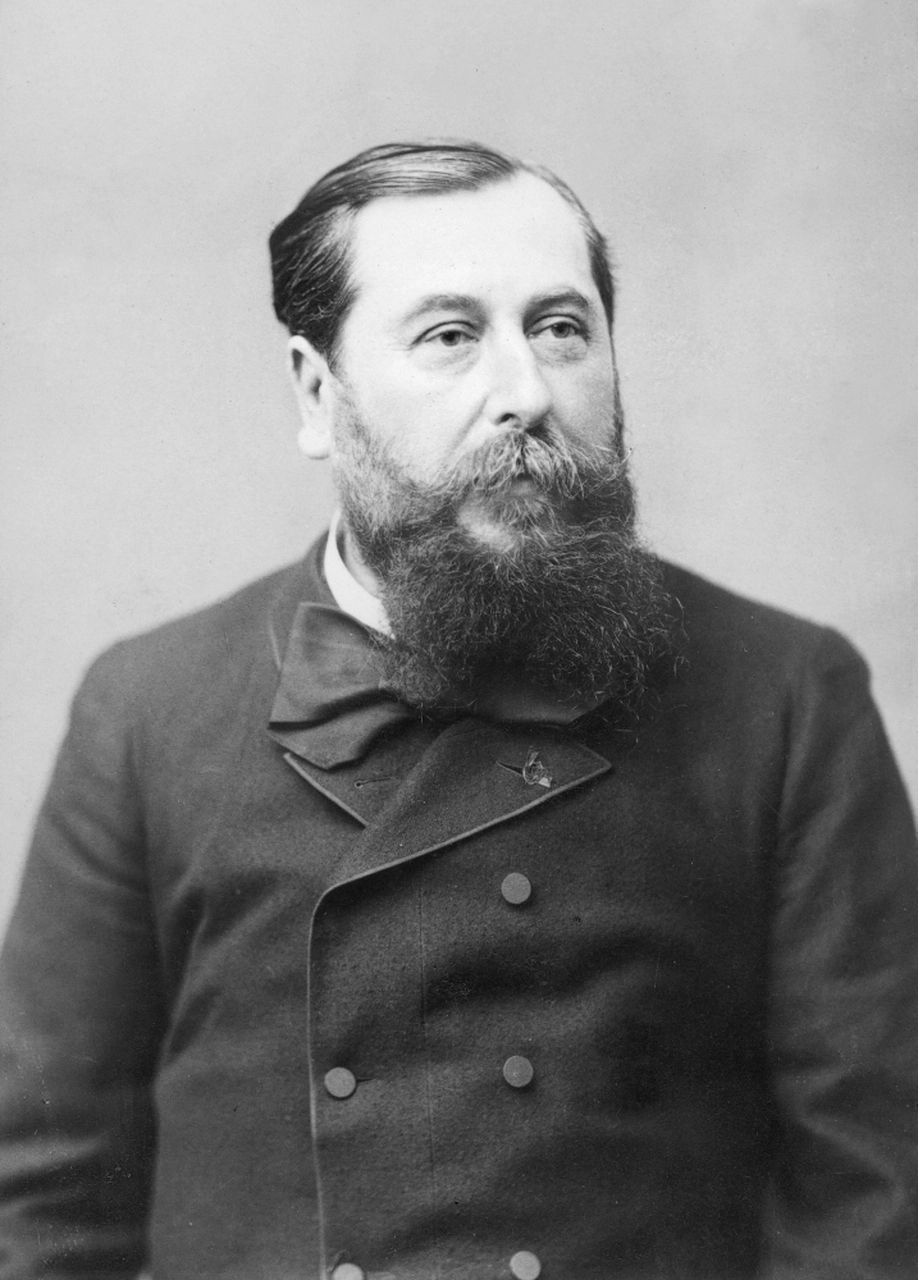
Léo Delibes [də'lib] oder Clément Philibert Léo Delibes (* 21. Februar 1836 bei Saint-Germain-du-Val (Département Sarthe); † 16. Januar 1891 in Paris) war ein französischer Komponist. Mit seiner einprägsamen Melodik, rhythmischen Brillanz und funkelnden farbigen Orchestrierung zählte er zu den beliebtesten Bühnenkomponisten der Romantik.[1] Er belebte die Ballettkunst wie seit seinem Landsmann Jean-Philippe Rameau niemand mehr, trat aber auch mit einigen Opern hervor. Daneben schuf er Kirchenmusik und Lieder.
History
M 1500 - 2000 AD
Ludwig van Beethoven
Music
Music
Opera
Music
Classic
Music
Gesang
Music
Rococo period music
Music
*Development of music
Music
*Art Songs
New Year's Concert of the Vienna Philharmonic
Viennese Classicism
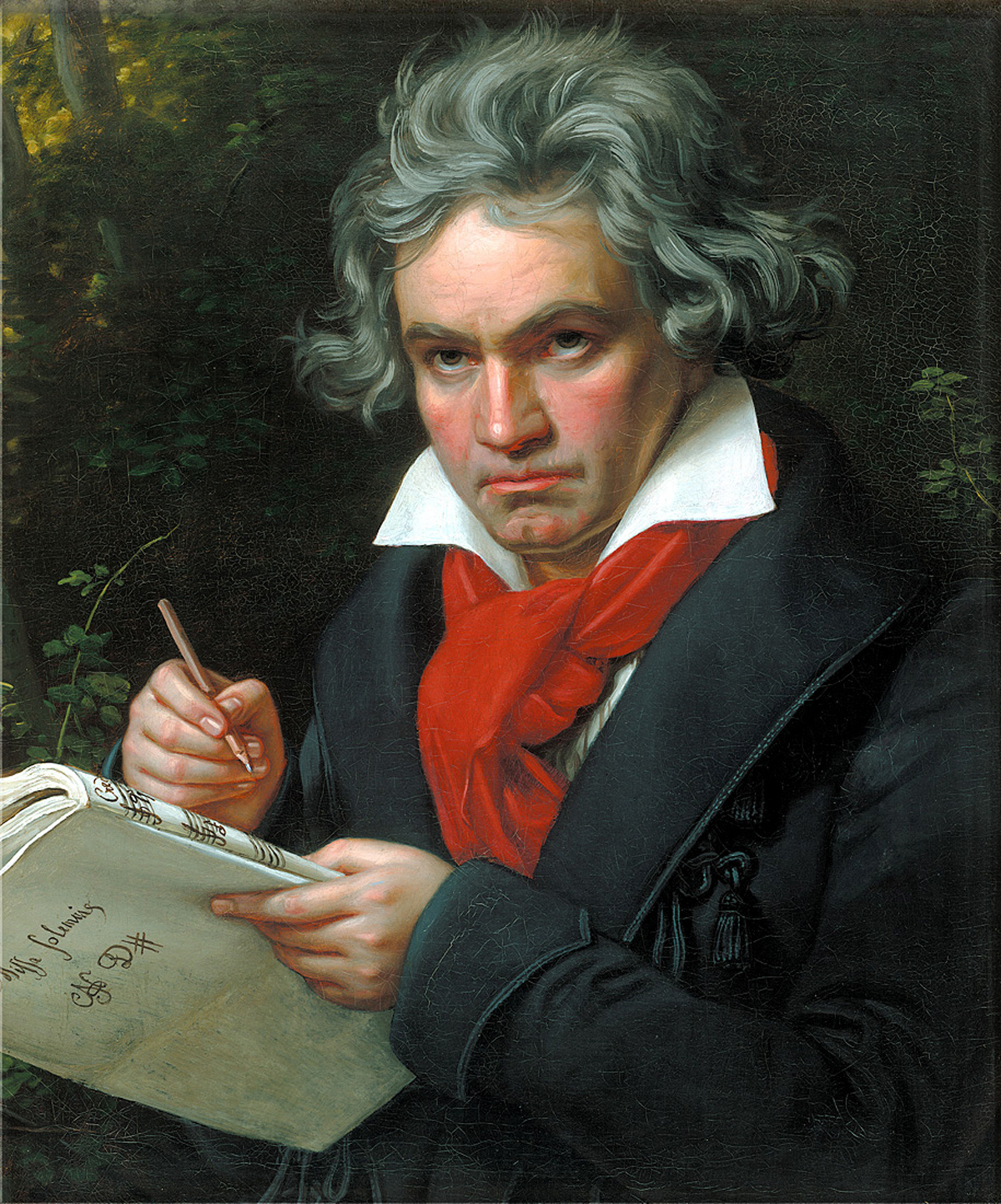
路德维希·凡·贝多芬(1770-1827) 是十八世纪后年叶以来世界最著名的德国音乐家。1770年12月26日贝多芬诞生于 德国莱茵河畔的波恩城。贝多芬生长的年代,正是约瑟夫二 世实行"开明专制"的时期,波恩的统治者也实行了一些改良的 措施。波恩成了当时德国启蒙运动的中心地之一。贝多芬的幼年 就是在这样的环境下成长起来的。但是,贝多芬童年很不幸福, 这种严酷的童 年生活,使贝多芬很早就走上了独立的以音乐谋生的道路,同时 也就养成了他坚毅倔强的性格。 从1781 年起,贝多芬在剧院工作的同时,跟乐队指挥奈弗学 习巴赫的《平均律钢琴曲》和作曲法。奈弗是位很有修养、倾向于启蒙运动的作曲家.指挥家,他对发展德国的民族歌剧、清唱 剧都曾有过贡献。贝多芬通过向这位老师学习,认识到学习德国民族音乐传统的重要,并在奈弗的引导下也接受了启蒙运动的影 响,对德国当时的进步文学发生了浓厚的兴趣。(节选)
路德维希·范·贝多芬(德语:Ludwig van Beethoven,1770年12月16日-1827年3月26日)是集古典主义大成,并一手开启浪漫主义音乐的德国作曲家,也是钢琴演奏家。自1814年开始他的听力急剧下降,于是放弃了钢琴演奏和指挥,但却坚持创作:他被誉为最伟大的作品几乎都是在双耳全聋时创作的。贝多芬对后世影响深远。一生共创作了9首编号交响曲、36首钢琴奏鸣曲(其中32首带有编号,1首未完成)、10部小提琴奏鸣曲、16首弦乐四重奏、1部歌剧及2部弥撒曲等等。这些作品对音乐发展有着深远影响,贝多芬因此在华语世界中被尊称为乐圣[1][2]。
Ludwig van Beethoven (getauft 17. Dezember 1770 in Bonn, Kurköln; † 26. März 1827 in Wien, Kaisertum Österreich) war ein deutscher Komponist und Pianist. Er führte die Wiener Klassik zu ihrer höchsten Entwicklung und bereitete der Musik der Romantik den Weg.
Zu Beginn seiner musikalischen Karriere machte sich Beethoven zunächst als Klaviervirtuose einen Namen. Zu seinen Stärken gehörte das freie Improvisieren und Fantasieren auf dem Instrument. Nach dem Umzug von Bonn nach Wien führte ihn sein Talent bald in die höchsten gesellschaftlichen Kreise der habsburgischen Metropole. Ein Gehörleiden, das sich im Laufe der Zeit zur völligen Taubheit verschlimmerte, setzte seiner Karriere als Pianist jedoch ein vorzeitiges Ende. Die Krankheit löste eine Krise aus, über die Beethoven 1802 in seinem Heiligenstädter Testament Zeugnis ablegte. Beethoven pflegte vielerlei Kontakte zu Frauen aus seinem Umfeld. Berühmt ist sein 1812 geschriebener Brief an die unsterbliche Geliebte, deren Identität bis heute nicht zweifelsfrei geklärt ist. Eine Kandidatin ist Josephine Brunsvik, deren Tochter Minona möglicherweise aus der Affäre mit Beethoven hervorging.
Mit der Verschlechterung seines Gehörs konzentrierte sich Beethoven mehr und mehr aufs Komponieren. Während andere Komponisten ihre Werke oft schnell zu Papier brachten, rang Beethoven um jede Note. Immer wieder wurde nachgearbeitet und verbessert.[1] Aus seinem umfangreichen konzertanten Werk stechen insbesondere seine neun Sinfonien hervor. Daneben schuf er u. a. fünf Klavierkonzerte, ein Violinkonzert, mehrere Ouvertüren, die Oper Fidelio, die Missa solemnis sowie eine Vielzahl kammermusikalischer Werke. Beethoven ist seinem Anspruch, ein bleibendes musikalisches Werk für die Nachwelt zu hinterlassen,[1] gerecht geworden. Seine Popularität ist ungebrochen, und heute gehört er zu den meistgespielten Komponisten der Welt.[2]
ルートヴィヒ・ヴァン・ベートーヴェン(独: Ludwig van Beethoven、標準ドイツ語ではルートヴィヒ・ファン・ベートホーフェンに近い[1]、1770年12月16日ごろ[2] - 1827年3月26日)は、ドイツの作曲家、ピアニスト。J.S.バッハなどと並んで音楽史上きわめて重要な作曲家であり、日本では「楽聖」とも呼ばれる。その作品は古典派音楽の集大成かつロマン派音楽の先駆けとされている。
Ludwig van Beethoven (/ˈlʊdvɪɡ væn ˈbeɪt(h)oʊvən/ ( listen); German: [ˈluːtvɪç fan ˈbeːthoːfn̩] ( listen); baptised 17 December 1770[1] – 26 March 1827) was a German composer and pianist. A crucial figure in the transition between the Classical and Romantic eras in Classical music, he remains one of the most recognised and influential of all composers. His best-known compositions include 9 symphonies; 5 piano concertos; 1 violin concerto; 32 piano sonatas; 16 string quartets; a mass, the Missa solemnis; and an opera, Fidelio.
Beethoven was born in Bonn, then the capital of the Electorate of Cologne and part of the Holy Roman Empire. He displayed his musical talents at an early age and was taught by his father Johann van Beethoven and composer and conductor Christian Gottlob Neefe. At the age of 21 Beethoven moved to Vienna, where he began studying composition with Joseph Haydn and gained a reputation as a virtuoso pianist. He lived in Vienna until his death. By his late 20s his hearing began to deteriorate, and by the last decade of his life he was almost completely deaf. In 1811 he gave up conducting and performing in public but continued to compose; many of his most admired works come from these last 15 years of his life.
Ludwig van Beethoven (prononcé en allemand : [ˈluːtvɪç fan ˈbeːtˌhoːfn̩] Écoutera) est un compositeur allemand né à Bonn le 15 ou 16 décembre 1770 et mort à Vienne le 26 mars 1827.
Dernier grand représentant du classicisme viennois (après Gluck, Haydn et Mozart), Beethoven a préparé l’évolution vers le romantisme en musique et influencé la musique occidentale pendant une grande partie du XIXe siècle. Inclassable (« Vous me faites l’impression d’un homme qui a plusieurs têtes, plusieurs cœurs, plusieurs âmes » lui dit Haydn vers 1793b), son art s’est exprimé à travers différents genres musicaux, et bien que sa musique symphonique soit la principale source de sa popularité, il a eu un impact également considérable dans l’écriture pianistique et dans la musique de chambre.
Surmontant à force de volonté les épreuves d’une vie marquée par la surdité qui le frappe à vingt-sept ans, célébrant dans sa musique le triomphe de l’héroïsme et de la joie quand le destin lui prescrivait l’isolement et la misère, il est récompensé par cette affirmation de Romain Rolland : « Il est bien davantage que le premier des musiciens. Il est la force la plus héroïque de l’art moderne2 ». Expression d’une inaltérable foi en l’homme et d’un optimisme volontaire, affirmant la création musicale comme action d’un artiste libre et indépendant, l’œuvre de Beethoven a fait de lui une des figures les plus marquantes de l’histoire de la musique.
Ludwig van Beethoven ([beˈtɔven] o [beˈtoven][1]; in tedesco [ˈluːtvɪç fan ˈbeːthoːfn̩][2][3]; Bonn, 16 dicembre[4] 1770 – Vienna, 26 marzo 1827) è stato un compositore e pianista tedesco.
Figura cruciale della musica colta occidentale, Beethoven fu l'ultimo rappresentante di rilievo del classicismo viennese ed è considerato uno dei più grandi e influenti compositori di tutti i tempi. Annoverato tra i massimi geni della storia della musica, nonostante la sordità (ipoacusia) che lo colpì prima ancora di aver compiuto i trent'anni, egli continuò a comporre, dirigere e suonare.
Beethoven ha lasciato una produzione musicale fondamentale, straordinaria per forza espressiva e per la capacità di evocare emozioni.[5]
L'influenza di Beethoven fu di vitale importanza per il linguaggio musicale del XIX secolo e per quelli successivi, tanto da rappresentare un modello per molti compositori. Il mito del Beethoven "artista eroico", capace di trasmettere attraverso la sua opera ogni sua emozione, esperienza personale o sentimento, crebbe moltissimo nel periodo Romantico;[6] tuttavia, pur anticipando molti aspetti del futuro Romanticismo,[7][8] la sua adesione alle regole dell'armonia nelle modulazioni, il rigetto dei cromatismi nelle melodie, la cura dell'equilibrio formale dei brani lo collocano nel solco della tradizione del classicismo.[9]
Nel catalogo delle composizioni beethoveniane hanno grande rilievo la sua produzione cameristica, quella sinfonica e le opere pianistiche.
Ludwig van Beethoven1 (Bonn, Alemania, 16 de diciembre de 17702-Viena, 26 de marzo de 1827) fue un compositor, director de orquesta y pianista alemán. Su legado musical abarca, cronológicamente, desde el Clasicismo hasta los inicios del Romanticismo. Es considerado generalmente como uno de los compositores más preclaros e importantes de la historia de la música y su legado ha influido de forma decisiva en la evolución posterior de este arte.
Siendo el último gran representante del clasicismo vienés (después de Christoph Willibald Gluck, Joseph Haydn y Wolfgang Amadeus Mozart), Beethoven consiguió hacer trascender la música del Romanticismo, influyendo en diversidad de obras musicales del siglo XIX. Su arte se expresó en numerosos géneros y aunque las sinfonías fueron la fuente principal de su popularidad internacional, su impacto resultó ser principalmente significativo en sus obras para piano y música de cámara.
Su producción incluye los géneros pianístico (treinta y dos sonatas para piano), de cámara (incluyendo numerosas obras para conjuntos instrumentales de entre ocho y dos miembros), concertante (conciertos para piano, para violín y triple), sacra (dos misas, un oratorio), lieder, música incidental (la ópera Fidelio, un ballet, músicas para obras teatrales), y orquestal, en la que ocupan lugar preponderante Nueve sinfonías.
Лю́двиг ван Бетхо́вен (нем. Ludwig van Beethoven, произношение: [ˈluːtvɪç fan ˈbeːthoːfn̩] (слушать (инф.)); 16 декабря 1770[7], Бонн, Кёльнское курфюршество, Священная Римская Империя — 26 марта 1827, Вена, Эрцгерцогство Австрия, Австрийская империя) — немецкий композитор и пианист, последний представитель «венской классической школы».
Бетховен — ключевая фигура классической музыки в период между классицизмом и романтизмом, один из наиболее исполняемых композиторов в мире. Он писал во всех существовавших в его время жанрах, включая оперу, музыку к драматическим спектаклям, хоровые сочинения. Самыми значительными в его наследии считаются инструментальные произведения: фортепианные, скрипичные и виолончельные сонаты, концерты для фортепиано, для скрипки, квартеты, увертюры, симфонии. Творчество Бетховена оказало значительное воздействие на симфонизм XIX и XX веков[8].
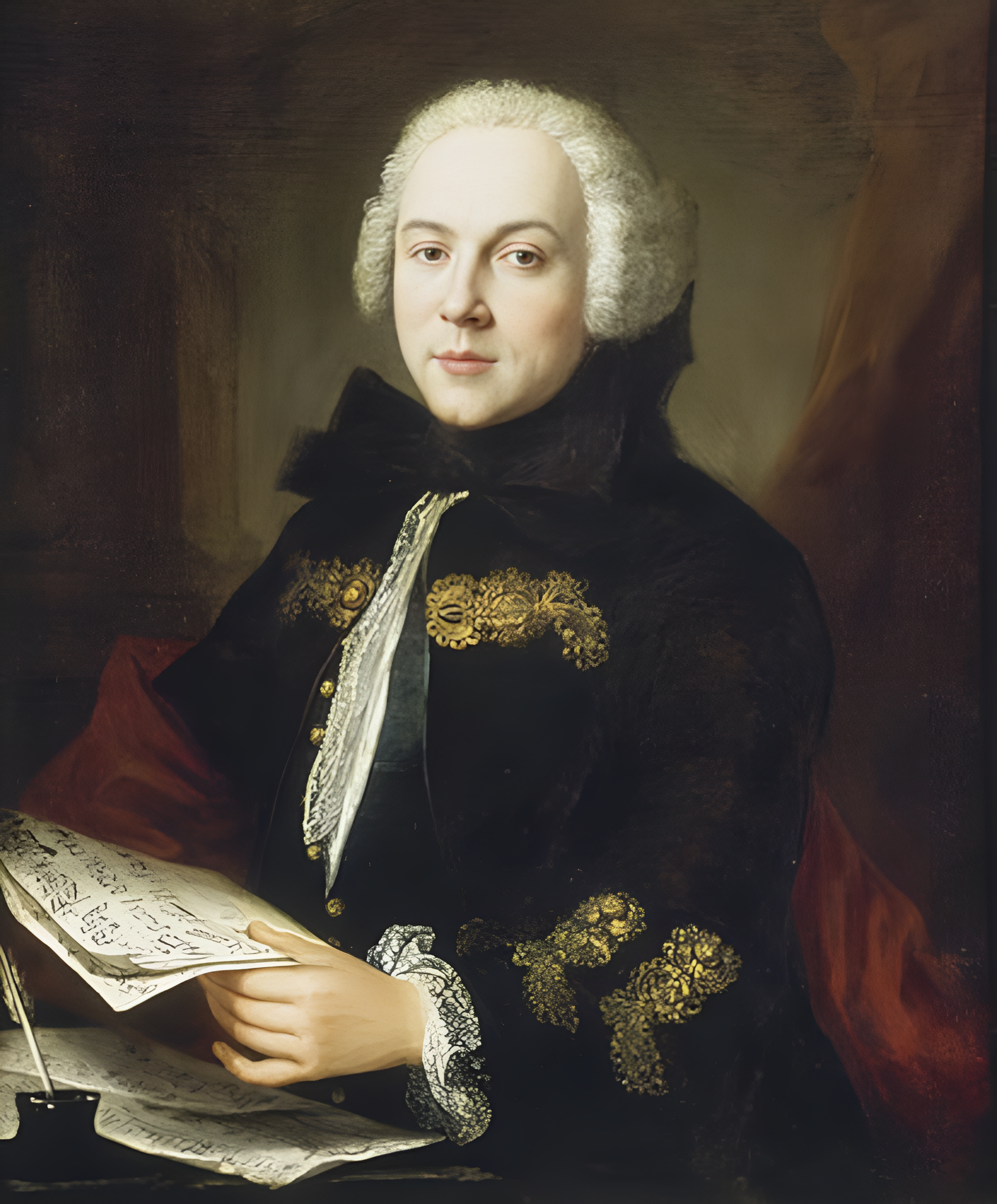
Luigi Rodolfo Boccherini (* 19. Februar 1743 in Lucca; † 28. Mai 1805 in Madrid) war ein italienischer Komponist und Cellist der vorklassischen und klassischen Epoche. Von 1768 bis zu seinem Tod lebte er in Spanien und war unter anderem von 1770 bis 1785 als Kammerkomponist des Infanten Don Luis und von 1786 bis 1797 aus der Ferne als Kammerkomponist für den preußischen König Friedrich Wilhelm II. tätig. Boccherini ist der bedeutendste italienische Komponist von Instrumentalmusik im letzten Drittel des 18. Jahrhunderts und spielte eine wichtige Rolle bei der Entwicklung verschiedener musikalischer Gattungen, darunter dem Streichquartett und dem Streichquintett. Sein heute bekanntestes Werk ist das für seinen Stil allerdings nur bedingt repräsentative Menuett aus dem Streichquintett Op. 11 Nr. 5, G. 275 (das nach den Opuszahlen des Erstdrucks auch oft auch als Op. 13 Nr. 5 bezeichnet wird).
路易吉·鲁道夫·博凯里尼(意大利语:Luigi Rodolfo Boccherini,1743年2月19日-1805年5月28日),意大利作曲家,大提琴家。