
Deutsch-Chinesische Enzyklopädie, 德汉百科
 Monaco
 Motorsport
Azerbaijan
Australia
Bahrain
Belgium
Brazil
China
Germany
Motorsport
Azerbaijan
Australia
Bahrain
Belgium
Brazil
China
Germany
 Emilia-Romagna
England
Emilia-Romagna
England
 Florida-FL
Formel-1-Weltmeisterschaft 2017
Formel-1-Weltmeisterschaft 2018
Florida-FL
Formel-1-Weltmeisterschaft 2017
Formel-1-Weltmeisterschaft 2018
 Formula 1 World Championship 2025
France
India
Italy
Japan
Canada
Katar
Kinki
Formula 1 World Championship 2025
France
India
Italy
Japan
Canada
Katar
Kinki
 Lombardia
Mexico
Monaco
Lombardia
Mexico
Monaco
 Nevada-NV
Austria
Nevada-NV
Austria
 Quebec-QC
Russia
São Paulo
Saudi Arabia
Switzerland
Shanghai Shi-SH
Singapore
Spain
Quebec-QC
Russia
São Paulo
Saudi Arabia
Switzerland
Shanghai Shi-SH
Singapore
Spain
 Sport
Sport
 Styria
 Texas-TX
Hungary
United Arab Emirates
United States
United Kingdom
Texas-TX
Hungary
United Arab Emirates
United States
United Kingdom
 Victoria-VIC

一级方程式赛车(英语:Formula One,也叫Formula 1或者F1)是由国际汽车联盟举办的最高等级的年度系列场地方程式赛车比赛,正式名称为“国际汽车联合会世界一级方程式锦标赛”。名称中“方程式”是指一组所有参赛车辆都必须遵守的规则[1]。F1赛季包括一系列的比赛,而这些所谓的“大奖赛”(Grand Prix,出自法语,本意Great Prizes)的场地是全封闭的专门赛道或者是临时封闭的普通公路。每场比赛的结果算入积分系统并以此确定两个年度世界冠军:一个给车手和另一个给制造商。F1的车手、制造商、组织者以及赛道都必须持有FIA超级驾驶执照,这是国际汽联颁发的最高级别执照。
一级方程式赛车通过产生大量的空气动力学下压力达到非常高的过弯速度,是风靡全球的赛车运动。发动机性能限制在每分钟最多15000转时,其比赛最高速度就可以超过360公里/小时。赛车过弯的横向加速度超过5个标准重力。F1赛车的性能非常依赖电子系统(牵引力控制系统和其他辅助驾驶装置自2008年已被禁止)、空气动力学、悬挂和轮胎。
Die Formel 1 ist eine vom Automobil-Dachverband Fédération Internationale de l’Automobile (FIA) festgelegte Formelserie. Hersteller konstruieren Autos, die den Formel-1-Regeln entsprechen. Diese Autos treten im Rahmen der Formel-1-Weltmeisterschaft zu Rennen in ungefähr 20 Orten pro Jahr an. Am Ende der Saison wird der Fahrer mit den meisten Punkten F1 Fahrerweltmeister und der Hersteller mit den meisten Punkten Konstrukteursweltmeister.
Die Formel 1 ist die höchstrangige von der FIA veranstaltete Rennserie des Formelsports. Sie wird als Königsklasse des Automobilsports bezeichnet, da sie den Anspruch erhebt, die höchsten technischen, fahrerischen, aber auch finanziellen Anforderungen aller Rennserien an Fahrer und Konstrukteure zu stellen. Sie wird auch kurz F1 genannt. Die F1 Weltmeisterschaft heißt offiziell FIA Formula One World Championship, bis 1980 hat sie Automobil-Weltmeisterschaft geheissen.
Formula One (also Formula 1 or F1) is the highest class of single-seater auto racing sanctioned by the Fédération Internationale de l'Automobile (FIA) and owned by the Formula One Group. The FIA Formula One World Championship has been one of the premier forms of racing around the world since its inaugural season in 1950. The "formula" in the name refers to the set of rules to which all participants' cars must conform.[2] A Formula One season consists of a series of races, known as Grands Prix (French for "grand prizes" or "great prizes"), which are held worldwide on purpose-built circuits and public roads.
The results of each race are evaluated using a points system to determine two annual World Championships: one for drivers, the other for constructors. Drivers must hold valid Super Licences, the highest class of racing licence issued by the FIA.[3] The races are required to be held on tracks graded "1" (formerly "A"), the highest grade rating issued by the FIA.[3] Most events are held in rural locations on purpose-built tracks, but there are several events in city centres throughout the world, with the Monaco Grand Prix being the most well-known.
Formula One cars are the fastest regulated road course racing cars in the world, owing to very high cornering speeds achieved through the generation of large amounts of aerodynamic downforce. The cars underwent major changes in 2017,[4] allowing wider front and rear wings, and wider tyres, resulting in cornering forces closing in on 8g and top speeds of up to approximately 375 km/h (230 mph).[5] The hybrid engines are currently limited in performance to a maximum of 15,000 rpm and the cars are very dependent on electronics—although traction control and other driving aids have been banned since 2008—and also on aerodynamics, suspension, and tyres.
While Europe is the sport's traditional base, the championship is truly global, with 11 of the 21 races in the 2018 season taking place outside Europe. With the annual cost of running a mid-tier team—designing, building, and maintaining cars, pay, transport—being US$120 million,[6] Formula One has a significant economic and job-creation effect, and its financial and political battles are widely reported. Its high profile and popularity have created a major merchandising environment, which has resulted in large investments from sponsors and budgets (in the hundreds of millions for the constructors). On 8 September 2016, it was announced that Liberty Media had agreed to buy Delta Topco, the company that controls Formula One, from private equity firm CVC Capital Partners for $4.4 billion in cash, stock, and convertible debt.[7] On 23 January 2017, it was confirmed that the acquisition had been completed, for $8 billion.[8]
La Formule 1, communément abrégée en F1, est une discipline de sport automobile considérée comme la catégorie reine de ce sport. Elle a pris au fil des ans une dimension mondiale et elle est, avec les Jeux olympiques et la Coupe du monde de football, l'un des événements sportifs les plus médiatisés.
Chaque année depuis 1950, un championnat mondial des pilotes est organisé, complété depuis 1958 par un championnat mondial des constructeurs automobiles. La compétition est basée sur des Grands Prix, courses à bord de voitures monoplaces disputées sur circuits routiers fermés permanents mais parfois tracés en ville et temporaires, comme à Monaco, Valence, Singapour, et Bakou.
Cette discipline sportive, régie par la Fédération internationale de l'automobile (FIA), est gérée par la Formula One Administration (FOA) et un ensemble de sociétés satellites contrôlées par Liberty Media. Après l'ère des artisans des années 1960 et 1970, elle a peu à peu attiré les grands constructeurs automobiles mondiaux qui y investissent des sommes élevées, en espérant tirer profit des retombées médiatiques d'éventuels succès. La Formule 1 est considérée comme la vitrine technologique de l'industrie automobile qui y expérimente des nouveautés techniques, parfois issues de la technologie spatiale et susceptibles d'être adaptées ensuite sur les voitures de série.
Outre la compétition, le terme Formule 1 désigne l'ensemble des règles techniques des voitures monoplaces qui sont mises à jour tous les ans par la FIA. Ces règles sont très strictes sur les dimensions des voitures, la cylindrée des moteurs, les technologies mises en œuvre ; elles définissent également les mesures de sécurité des voitures pour assurer la protection du pilote. Les monoplaces de course répondant aux caractéristiques de la réglementation de la Formule 1 sont généralement désignées sous le terme générique de Formules 1.
La Formula 1 o Formula Uno,[1] in sigla F1, è la massima categoria (in termini prestazionali) di vetture monoposto a ruote scoperte da corsa su circuito definita dalla Federazione Internazionale dell'Automobile (FIA).
La categoria è nata nel 1948 (in sostituzione della Formula A, a sua volta sorta solo qualche anno prima, nel 1946), diventando poi a carattere mondiale nella stagione 1950. Inizialmente definita dalla Commissione Sportiva Internazionale (CSI) dell'Associazione Internazionale degli Automobil Club Riconosciuti (AIACR), associazione antesignana della Federazione Internazionale dell'Automobile, oggi la Formula Uno è regolata dal Consiglio Mondiale degli Sport Motoristici (in inglese: World Motor Sport Council, WMSC) della Federazione Internazionale dell'Automobile.
Il termine "formula", presente nel nome, fa riferimento a un insieme di regole alle quali tutti i partecipanti, le macchine e i piloti, devono adeguarsi; esse introducono un numero di restrizioni e specifiche nelle auto, al fine di evitare le eccessive disparità tecniche tra le auto, di porre dei limiti al loro sviluppo e di ridurre i rischi di incidenti. La formula ha avuto molti cambiamenti durante la sua storia. Ad esempio, ci sono stati differenti tipi di motori, con schemi da quattro fino a sedici cilindri e con cilindrate da 1,5 a 4,5 l.
La Fórmula 1, abreviada como F1 y también denominada la «categoría reina del automovilismo»1 o «la máxima categoría del automovilismo»,23 es la competición de automovilismo internacional más popular y prestigiosa, superando a categorías de automovilismo como la NASCAR, el Campeonato Mundial de Rally, el Campeonato Mundial de Turismos o la Fórmula E, entre otras.4 A cada carrera se le denomina Gran Premio y el torneo que las agrupa se denomina Campeonato Mundial de Fórmula 1. La entidad que la dirige es la Federación Internacional del Automóvil (FIA). El Formula One Group es controlado por la empresa estadounidense Liberty Media desde septiembre de 2016.5
Los automóviles utilizados son monoplazas con la última tecnología disponible, siempre limitadas por un reglamento técnico; algunas mejoras que fueron desarrolladas en la Fórmula 1 terminaron siendo utilizadas en automóviles comerciales, como el freno de disco.6 La mayoría de los circuitos de carreras donde se celebran los Grandes Premios son autódromos, aunque también se utilizan circuitos callejeros y anteriormente se utilizaron circuitos ruteros.
El inicio de la Fórmula 1 moderna se remonta al año 1950, en el que participaron escuderías como Ferrari, Alfa Romeo y Maserati. Algunas fueron reemplazadas por otras nuevas como McLaren, Williams, Red Bull y Renault, que se han alzado varias veces con el Campeonato Mundial de Constructores. Las escuderías tienen que planear sus fichajes y renovación de contratos 2 o 3 carreras antes del fin de la temporada. Por su parte, los pilotos deben contar con la superlicencia de la FIA para competir, que se obtiene sobre la base de resultados en otros campeonatos.
 Geography
 Auvergne-Rhône-Alpes
 Baden-Wuerttemberg
 Bavaria
Germany
France
Bavaria
Germany
France
 Friuli-Venezia Giulia
Italy
Liechtenstein
Lombardia
Monaco
Austria
Friuli-Venezia Giulia
Italy
Liechtenstein
Lombardia
Monaco
Austria
 Piemonte
 Provence-Alpes-Côte d´Azur
Switzerland
Slovenia
Provence-Alpes-Côte d´Azur
Switzerland
Slovenia
 Tyrol
Tyrol
 Trentino-Alto Adige
 Vacation and Travel
 Valle d´Aosta
 Veneto
 Vorarlberg
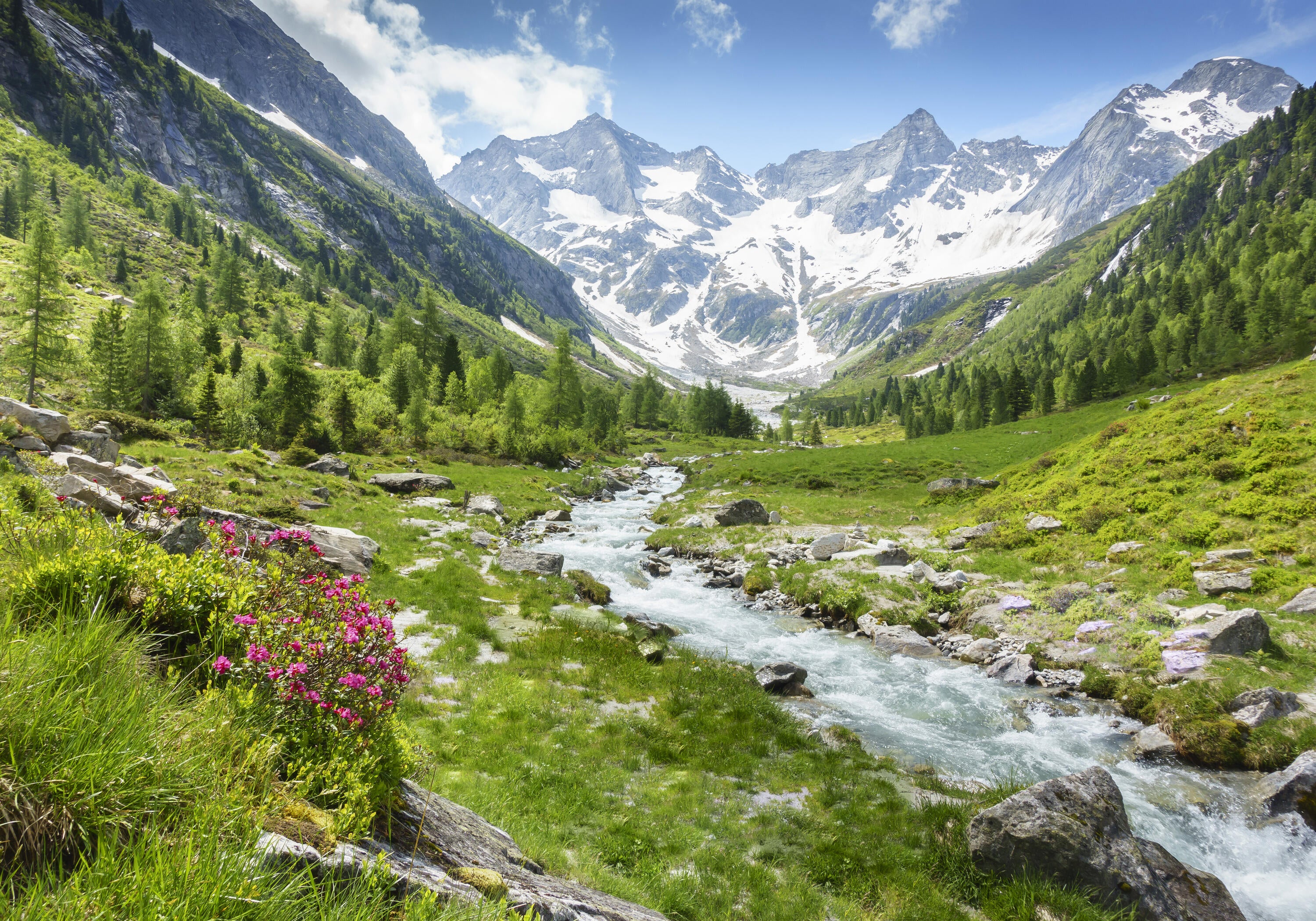
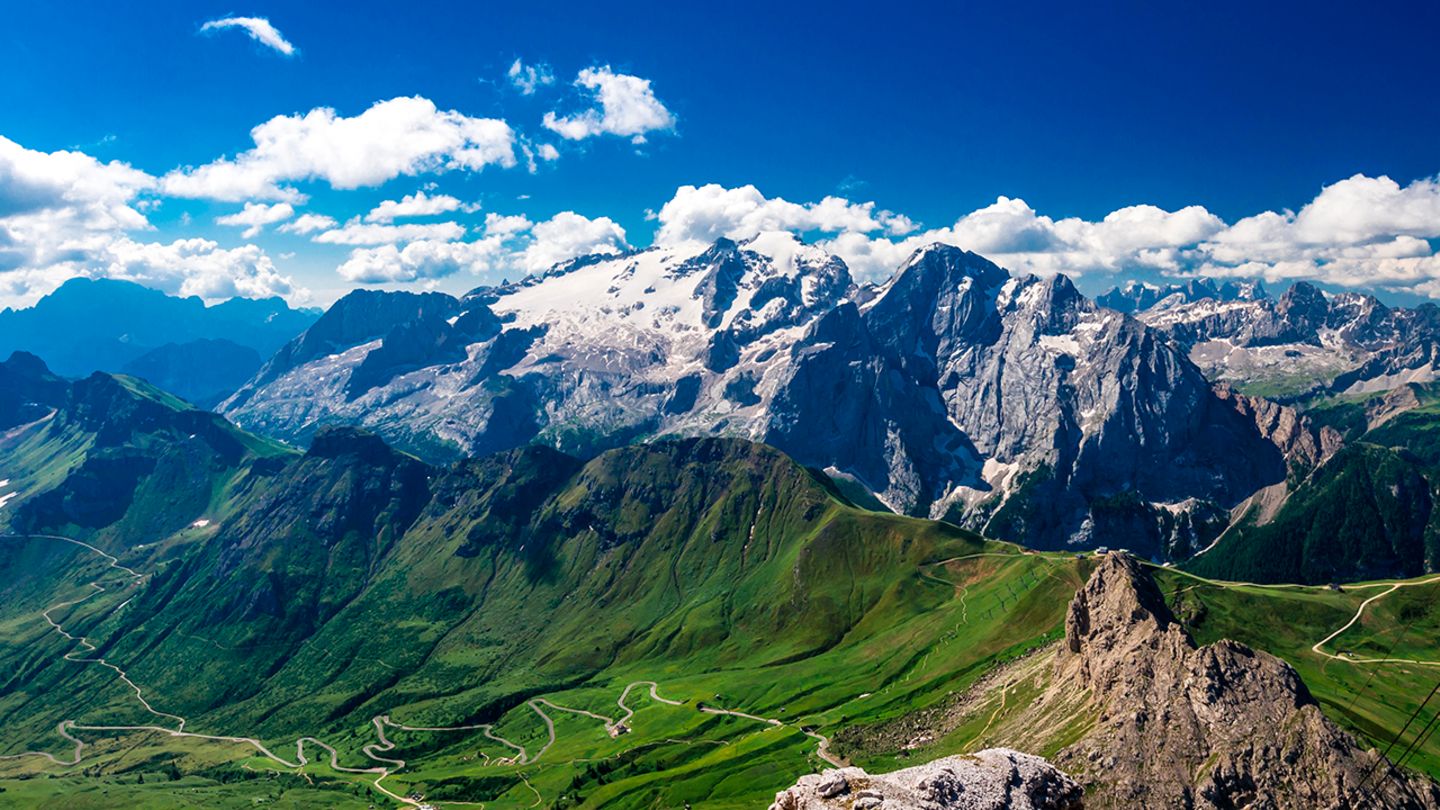
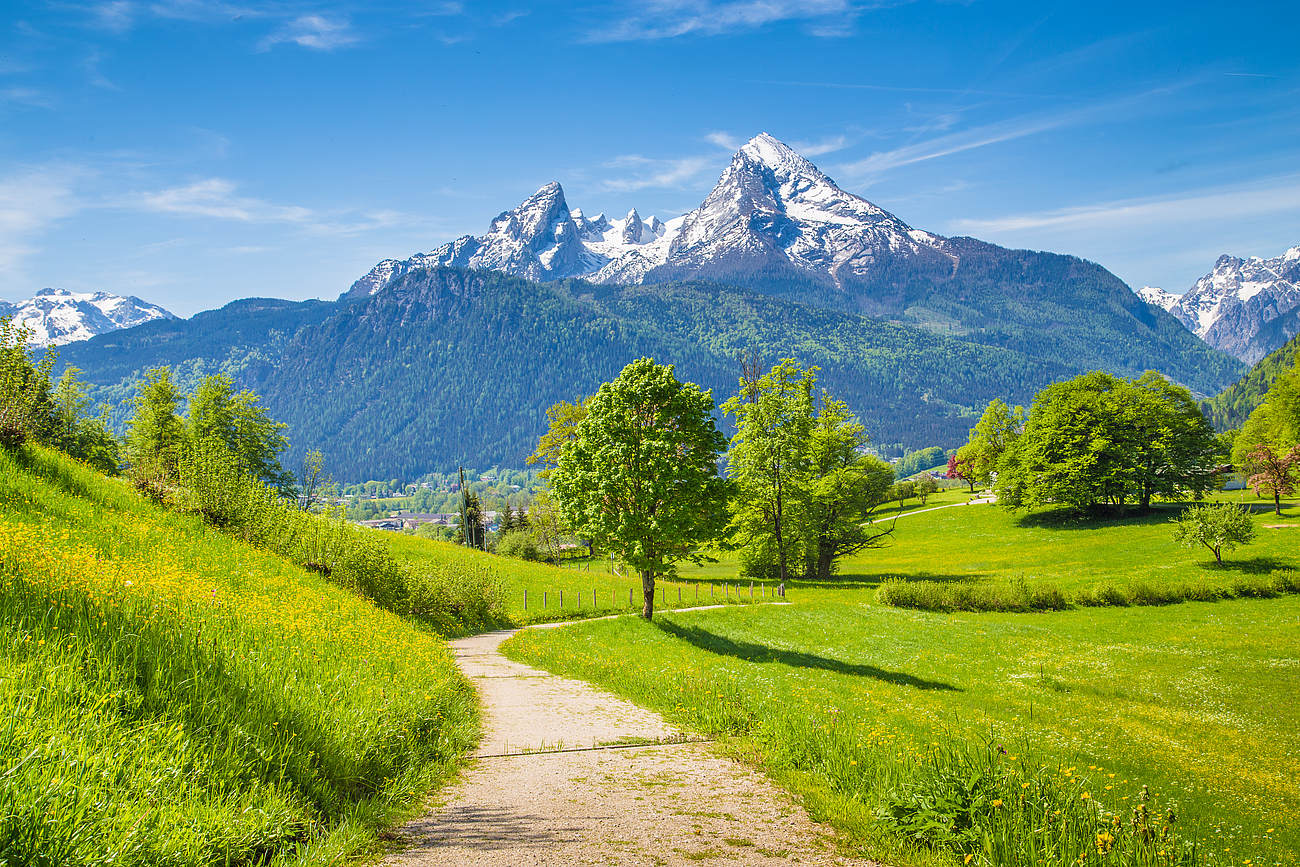
欧洲南部高大的山脉。西起法国尼斯附近地中海海岸,呈弧形向北、东延伸,经意大利北部、瑞士南部、列支敦士登、德国西南部,东止奥地利的维也纳盆地。总面积约22万平方千米。长约1200千米,宽130~260千米,东宽西窄。平均海拔3000米左右。 山脉主干向西南方向延伸为比利牛斯山脉,向南延伸为亚平宁山脉,向东南方向延伸为迪纳拉山脉,向东延伸为喀尔巴阡山脉。阿尔卑斯山脉可分为3段。西段西阿尔卑斯山从地中海岸,经法国东南部和意大利的西北部,到瑞士边境的大圣伯纳德山口附近,为山系最窄部分,也是高峰最集中的山段。勃朗峰(4810米)是整个山脉的最高点,位于法国和意大利边界。中段中阿尔卑斯山,介于大圣伯纳德山口和博登湖之间,宽度最大。有马特峰(4479米)和蒙特罗莎峰( 4634米)。东段东阿尔卑斯山在博登湖以东,海拔低于西、中两段阿尔卑斯山。
阿尔卑斯山(德语:Alpen;法语:Alpes;意大利语:Alpi;斯洛文尼亚语:Alpe)是一座位于欧洲中心的山脉,它覆盖了意大利北部边界、法国东南部、瑞士、列支敦士登、奥地利、德国南部及斯洛文尼亚。它可以被细分为三个部分,从地中海到勃朗峰的西阿尔卑斯山,从瓦莱达奥斯塔到布伦纳山口(奥地利和意大利交界处)的中阿尔卑斯山,从布伦纳山口到斯洛文尼亚的东阿尔卑斯山。欧洲许多大河都发源于此,水力资源丰富,为旅游、度假、疗养胜地。
阿尔卑斯山共有128座海拔超过4000米的山峰,其中最高峰勃朗峰海拔4810.45米[1],位于法国和意大利的交界处。山脉呈弧形,长1200千米,宽130~260千米,平均海拔约3000米,总面积约22万平方千米[2]。阿尔卑斯山北边是水汽较多的气候,而南边则较为干燥,雨量很少。
Die Alpen sind das höchste Gebirge im Inneren Europas. Es erstreckt sich in einem 1200 Kilometer langen und zwischen 150 und 250 Kilometer[1] breiten Bogen vom Ligurischen Meer bis zum Pannonischen Becken.
Die gesamte Alpenregion nimmt eine Fläche von etwa 200.000 Quadratkilometern ein.[2] Sie dehnt sich etwa 750 km von West nach Ost und ca. 400 km von Süd nach Nord aus und wird vom Rhonetal, dem Schweizer Mittelland, dem Oberlauf der Donau, der Kleinen Ungarischen Tiefebene, der Po-Ebene und dem Golf von Genua umgrenzt.
Der Alpenbogen schließt im Südwesten am Golf von Genua an den Apennin an, umfasst die Po-Ebene, verzweigt sich zum Französischen und Schweizer Jura und endet fächerförmig im Osten vor dem westpannonischen Berg- und Hügelland. Im Nordosten an der Donau bei Wien sind die Alpen durch das Wiener Becken von den geologisch verwandten Karpaten getrennt, im Südosten gehen sie in das stark verkarstete Dinarische Gebirge über. Im Norden fallen die Alpen allmählich zum österreichischen und deutschen Alpenvorland ab. Im Süden ist der Abfall zur Po-Ebene steiler. Der Gebirgszug, zu dem die Alpen gehören, erstreckt sich vom afrikanischen Atlas bis nach Südostasien.[3]
Die Gipfelhöhen in den westlichen Gebirgsstöcken liegen meist zwischen 3000 und 4300 Meter über dem Meeresspiegel, in den Ostalpen sind die Berge etwas niedriger. Der höchste Gipfel der Alpen ist der Mont Blanc mit 4810 Metern. 128 Berge der Alpen sind Viertausender, etliche Berge mehr oder weniger vergletschert. Die Alpen sind in zahlreiche Gebirgsgruppen und -ketten gegliedert.
Die Alpen bilden im „Herzen Europas“[4] eine wichtige Klima- und Wasserscheide. Sie trennen den zentralen Mittelmeerraum mit dem Etesienklima vom atlantisch beeinflussten nördlichen Mitteleuropa und stehen am Ostrand unter kontinentalem Einfluss. Auch die Entwässerung folgt diesen Großrichtungen zu Mittelmeer, Nordsee und Schwarzem Meer.
Der Alpenraum umfasst Gebiete der acht Alpenstaaten Frankreich, Monaco, Italien, Schweiz, Liechtenstein, Deutschland, Österreich und Slowenien. Er bildet den Lebensraum von 13 Millionen Menschen und genießt europäische Bedeutung als Erholungsraum.[4] Ungarn hat Anteile an Mittelgebirgen, die zu den Alpen gezählt werden, beispielsweise an Günser und Ödenburger Gebirge, wird in der Regel jedoch nicht zum Alpenraum gezählt. Seit der Frühgeschichte stellen Alpentäler und -pässe auch wichtige transeuropäische Verkehrsverbindungen dar.
アルプス山脈(アルプスさんみゃく、羅: Alpes アルペース、仏: Alpes、伊: Alpi、独: Alpen、英: Alps)は、アルプス・ヒマラヤ造山帯に属し、ヨーロッパ中央部を東西に横切る「山脈」である。オーストリア、スロベニアを東端とし、イタリア、ドイツ、リヒテンシュタイン、スイス各国にまたがり、フランスを南西端とする多国にまたがっている。アルプ(スイスの高山山腹の夏季放牧場;英語: alp,フランス語: alpe,ドイツ語: Alpe)がいっぱいであるからアルプスであると考える説と、ケルト語の alp「岩山」を語源とし、ラテン語を経由したと考える説がある。最高峰のモンブランは標高4,810.9m(2007年)で、フランスとイタリアの国境をなし、ヨーロッパの最高峰[1]でもある。
アルプス山脈はヨーロッパの多数の河川の水源地となっており、ここからドナウ川、ライン川、ローヌ川、ポー川、といった大河川が流れ出て、それぞれ黒海、北海、地中海、アドリア海へと注ぐ。
The Alps (/ælps/; French: Alpes [alp]; German: Alpen [ˈalpn̩]; Italian: Alpi [ˈalpi]; Romansh: Alps; Slovene: Alpe [ˈáːlpɛ]) are the highest and most extensive mountain range system that lies entirely in Europe,[2][note 1] stretching approximately 1,200 kilometres (750 mi) across eight Alpine countries (from west to east): France, Switzerland, Italy, Monaco, Liechtenstein, Austria, Germany, and Slovenia.[3] The mountains were formed over tens of millions of years as the African and Eurasian tectonic plates collided. Extreme shortening caused by the event resulted in marine sedimentary rocks rising by thrusting and folding into high mountain peaks such as Mont Blanc and the Matterhorn. Mont Blanc spans the French–Italian border, and at 4,810 m (15,781 ft) is the highest mountain in the Alps. The Alpine region area contains about a hundred peaks higher than 4,000 metres (13,000 ft).
The altitude and size of the range affects the climate in Europe; in the mountains precipitation levels vary greatly and climatic conditions consist of distinct zones. Wildlife such as ibex live in the higher peaks to elevations of 3,400 m (11,155 ft), and plants such as Edelweiss grow in rocky areas in lower elevations as well as in higher elevations. Evidence of human habitation in the Alps goes back to the Palaeolithic era. A mummified man, determined to be 5,000 years old, was discovered on a glacier at the Austrian–Italian border in 1991.
By the 6th century BC, the Celtic La Tène culture was well established. Hannibal famously crossed the Alps with a herd of elephants, and the Romans had settlements in the region. In 1800, Napoleon crossed one of the mountain passes with an army of 40,000. The 18th and 19th centuries saw an influx of naturalists, writers, and artists, in particular, the Romantics, followed by the golden age of alpinism as mountaineers began to ascend the peaks.
The Alpine region has a strong cultural identity. The traditional culture of farming, cheesemaking, and woodworking still exists in Alpine villages, although the tourist industry began to grow early in the 20th century and expanded greatly after World War II to become the dominant industry by the end of the century. The Winter Olympic Games have been hosted in the Swiss, French, Italian, Austrian and German Alps. At present, the region is home to 14 million people and has 120 million annual visitors.[4]
Les Alpes (prononcé [alp]) sont une chaîne de montagnes qui s'étend en Europe, recouvrant la frontière nord de l'Italie, le Sud-Est de la France, Monaco, la Suisse, le Liechtenstein, l'Autriche, le Sud de l'Allemagne et la Slovénie.
Les Alpes culminent à 4 809 mètres, au sommet du mont Blanc. On recense 82 sommets majeurs de plus de 4 000 m d'altitude (Suisse : 48, Italie : 38, France : 24). Les cols de montagne reliant les vallées ou les pays dépassent souvent les 2 000 m d'altitude. Les Alpes forment une barrière de 1 200 km entre la Méditerranée et le Danube.
Le Alpi sono la catena montuosa più importante d'Europa, situate nell'Europa centrale a cavallo dei confini di Italia, Francia, Svizzera, Liechtenstein, Germania, Austria, Slovenia e Ungheria, separando l'Europa settentrionale da quella meridionale con lo stivale italiano. Suddivise in varie sezioni e svariati sottogruppi racchiudono in sé le vette più alte del continente centrale europeo, rivestendo anche un'importanza storica, naturalistica, idrografica e turistico-economica per i rispettivi paesi.
Los Alpes son una importante cadena de montañas situada en la Europa Central. Su cumbre más alta es el Mont Blanc, con 4.810 metros de altitud. Alrededor de los Alpes, favorecidos por ríos importantes de caudal uniforme y ricas tierras de cultivo, se ubicaron desde la prehistoria diversos pueblos, principalmente celtas, como los borgoñones, leucos, lombardos, helvecios, y posteriormente germánicos en el noreste y pueblos itálicos después de la conquista de la Galia Cisalpina por Julio César. Actualmente viven unos 14 millones de personas en la región de los Alpes.
А́льпы (фр. Alpes, нем. Alpen, итал. Alpi, романш. Alps, словен. Alpe) — самый высокий и протяжённый горный хребет среди систем, целиком лежащих в Европе. При этом Кавказские горы выше, а Уральские — протяжённей, но они лежат также и на территории Азии (в зависимости от выбранного определения границы между Европой и Азией).
Альпы представляют собой сложную систему хребтов и массивов, протянувшуюся выпуклой к северо-западу дугой от Лигурийского моря до Среднедунайской низменности. Альпы располагаются на территории 8 стран: Франции, Монако, Италии, Швейцарии, Германии, Австрии, Лихтенштейна и Словении. Общая длина альпийской дуги составляет около 1200 км (по внутреннему краю дуги — около 750 км), ширина — до 260 км. Самой высокой вершиной Альп является гора Монблан высотой 4810 метров над уровнем моря, расположенная на границе Франции и Италии[1]. Всего в Альпах сосредоточено около 100 вершин-четырёхтысячников[2].
Альпы являются международным центром альпинизма, горнолыжного спорта и туризма. Туризм в Альпах начал активно развиваться в XX веке и получил большой толчок после окончания Второй мировой войны, став одним из главных направлений в конце столетия. Пять стран из восьми (Швейцария, Франция, Италия, Австрия и Германия) были хозяйками Зимних Олимпийских игр, которые проводились в альпийских объектах[3]. Несмотря на активное развитие туризма, в альпийском регионе по-прежнему существует самобытная традиционная культура, включая сельское хозяйство, деревообработку и сыроварение.
Благодаря расположению в центре Западной Европы, Альпы являются одной из наиболее изученных горных систем. Многие понятия названы по имени Альп, в частности, альпийский климатический пояс, период альпийской складчатости, альпийский тип рельефа, альпийские луга, альпинизм.
 Music
Albania
Andorra
Armenia
Azerbaijan
Australia
Bavaria
Belarus
Belgium
Bosnia Herzegovina
Bulgaria
Music
Albania
Andorra
Armenia
Azerbaijan
Australia
Bavaria
Belarus
Belgium
Bosnia Herzegovina
Bulgaria
 Campania
Denmark
Campania
Denmark
 Performing Arts
Germany
England
Estonia
Eurovision Song Contest,ESC
Performing Arts
Germany
England
Estonia
Eurovision Song Contest,ESC
 Holidays
Finland
France
Georgia
Greece
Holidays
Finland
France
Georgia
Greece
 Hessen
 Ile-de-France
Ireland
Iceland
Israel
Italy
Croatia
Latvia
Lithuania
Luxembourg
Ile-de-France
Ireland
Iceland
Israel
Italy
Croatia
Latvia
Lithuania
Luxembourg
 Madrid
Malta
Morocco
Moldawien
Monaco
Montenegro
Netherlands
Northern Ireland
Nordmazedonien
Madrid
Malta
Morocco
Moldawien
Monaco
Montenegro
Netherlands
Northern Ireland
Nordmazedonien
 North Rhine-Westphalia
Norwegen
Austria
Poland
Portugal
Provence-Alpes-Côte d´Azur
Romania
Russia
San Marino
Schottland
Sweden
Switzerland
Serbia
Slovakia
Slovenia
Spain
Czech Republic
Turkey
Ukraine
Hungary
United Kingdom
North Rhine-Westphalia
Norwegen
Austria
Poland
Portugal
Provence-Alpes-Côte d´Azur
Romania
Russia
San Marino
Schottland
Sweden
Switzerland
Serbia
Slovakia
Slovenia
Spain
Czech Republic
Turkey
Ukraine
Hungary
United Kingdom
 Vienna
Cyprus
Vienna
Cyprus



欧 洲广 播联盟主办的一项歌唱比赛,自从1956年在瑞士Lugano(卢加诺)举办第一届以后,每年会举行一次,由在上一届获得冠军的国家承办(挺有意思的)。 比赛的结果不是评委说了算,而是由全欧洲的电视观众决定。歌曲演唱完毕,会给出十分钟时间,由电视观众打投票电话进行评选,投票范围为除自己国家外的其他 所有歌手。这个大赛还有个特色就是不规定歌手必须是这个国家的“自己人”,各个国家可以根据自己的情况请“外援”,比较出名的有Celine Dion在1988年代表瑞士参赛并拿了冠军。欧洲电视歌曲大赛采用了全欧洲各国竞赛的方式,来自各国的选手带上自己最精彩的节目,让我们有了更丰富的音 乐享受,整个晚会的气氛活跃,的确有不少好歌。欧洲歌唱大赛是欧洲最高水平的比赛,每个国家都会派出代表自己国家的歌手参赛欧视歌曲大赛已成为具有优秀传 统的欧陆年度音乐大赛,虽然只是欧洲范围内的音乐赛事,但是已经成为众多本地音乐艺人走向国际舞台的最佳跳板,是同类型比赛中规模最大者之一。在2008 年,一共有43个欧洲及邻近国家派出代表参加比赛,并有1.5亿观众透过电视观看了决赛。欧洲电视歌唱大赛经过50多年的发展,已经成为欧洲规模最大、影 响力最广、商业运作最成功的文艺活动。
和国内的歌唱比赛有所不同,欧洲电视歌唱大赛突出的是跨地域性和全民参与性。本届大赛共有38个国 家参加,观看决赛的电视观众有1.5亿之众,而参加采访的各国记者人数就超过2200人。比赛规定,大赛的优胜者由参赛国观众投票决定,但投票者不得将票 投给自己国家的选手。每名参赛者表演结束后,都会留下10分钟时间给观众投票。随着通讯手段的进步,手机短信、电话和电脑网络都被列为有效的投票方式,这 些选票最终由设在德国的一个数据中心进行处理,比赛全部结束后半小时内观众即可获悉大赛最终结果。
虽然每年代表各国参赛的歌手或乐队不一 定代表该国最高水平,但一定是该国当前最流行或者最具发展潜力的音乐组合。两位在现场的芬兰小伙子告诉记者,芬兰人对洛迪乐队疯狂的演唱风格不一定都喜 欢,但芬兰人能夺取冠军相当不容易。毕竟芬兰已经参加了近40届大赛,夺冠还是头一次。
通过该项大赛走红的明星并不少见,瑞典乐队的“芭 芭”就因1974年夺冠而一举成名,席琳·迪翁也在1988年爱尔兰举办的欧洲电视歌唱比赛中获得过冠军,二人组合“神秘园”1995年曾代表挪威夺得过 大奖,甚至爱尔兰著名的《大河之舞》,也是通过在该项比赛评分间隙进行的表演而走向世界比赛中每个国家派出一个歌手或一个乐团演唱一首自选的歌曲,之后观 众透过电话、短信或网络投选最喜欢的歌手,再统计各国的票数间接选出优胜者。而胜出者所代表的国家自动成为下年决赛的东道主。
在过去52届比赛,爱尔兰代表胜出了7次,是各国之冠,联合王国、法国和卢森堡代表各胜出了5次并列第二。历届优胜者中,ABBA(1974年)和席琳·狄翁(1988年)成了国际知名的巨星。
欧洲电视歌唱大赛由欧洲广播电视联盟主办,该联盟的成员国每年通过自己的选拔方式确定本国的参赛选手和曲目。每年5月份,半决赛和决赛通过现场直播方式在承办国进行。
Der Eurovision Song Contest (ESC; übersetzt „Liederwettbewerb der Eurovision“; bis 2001 in Deutschland unter dem französischen Namen Grand Prix Eurovision de la Chanson[1]) ist ein internationaler Musikwettbewerb von Komponisten und Textdichtern, vorgetragen von Gesangsinterpreten, der seit 1956 jährlich von der Europäischen Rundfunkunion (EBU) im Rahmen der Eurovision veranstaltet wird. Die Anregung dazu war vom Sanremo-Festival beeinflusst, das bereits 1951 ins Leben gerufen wurde. Beim ESC sind die Rundfunkanstalten aller Staaten der EBU teilnahmeberechtigt. Dieser Rundfunkunion gehören mehrheitlich europäische und einige Radio- und Fernsehstationen benachbarter westasiatischer und nordafrikanischer Staaten an.
Da die Shows auch außerhalb des Sendegebiets der EBU übertragen werden, konnte der Eurovision Song Contest über die Jahre hinweg auch eine große Fangemeinde in Australien, Neuseeland, Teilen Asiens (Japan, China, Südkorea, Hongkong, Indien), Mexiko und Teilen Südamerikas, Kanada und den USA gewinnen.[2] Insgesamt werden die Übertragungen des ESC von mehr als 200 Millionen Zuschauern gesehen. Im Jahr 2016 erhielt der ESC die Karlsmedaille für europäische Medien.
ユーロビジョン・ソング・コンテスト(英語:Eurovision Song Contest、フランス語:Concours Eurovision de la Chanson)[1]は、欧州放送連合(EBU)加盟放送局によって開催される、毎年恒例の音楽コンテストである。
大会では、各国代表のアーティストはそれぞれ生放送で自らの楽曲を披露し、引き続いてそれぞれの参加国が他国に投票して大会の優勝者を決定する。各国代表の参加者は、欧州放送連合に加盟する全国網の放送局を通じて大会に参加しており、放送局は自国代表のアーティストと楽曲を決定し、また自国の視聴者に大会を生中継する。大会は1956年の第1回大会以降、毎年開催されており、世界的に見ても長寿のテレビ番組のひとつであり[2]、その視聴者の数も1億人から6億人程度と見積もられている[3][4]。ユーロビジョン・ソング・コンテストは、オーストラリア、カナダ、中華人民共和国、エジプト、インド、日本、ヨルダン、メキシコ、ニュージーランド、フィリピン、大韓民国、台湾、タイ王国、ベトナム、ウルグアイなど、大会に参加していないヨーロッパ域外の国々でも放送された[5][6][7]。2000年以降は、コンテストは公式サイトよりインターネットでも中継されており[8]、2006年には140カ国近くから7万4千人以上が視聴している[9]。
The Eurovision Song Contest (French: Concours Eurovision de la chanson),[1] often simply called Eurovision, is an international song competition held primarily among the member countries of the European Broadcasting Union. Each participating country submits an original song to be performed on live television and radio, then casts votes for the other countries' songs to determine the winner. At least 50 countries are eligible to compete as of 2018,[2] and since 2015, Australia has been allowed as a guest entrant.[3][4][5][6]
Winning the Eurovision Song Contest often provides a short-term career boost for artists, but rarely results in long-term success.[7] Some exceptions are ABBA (winner in 1974 for Sweden), Bucks Fizz (winner in 1981 for the United Kingdom), and Celine Dion (winner in 1988 for Switzerland), all of whom launched successful careers.
Based on the Sanremo Music Festival held in Italy since 1951, Eurovision has been broadcast every year since its inauguration in 1956, making it the longest-running annual international television contest and one of the world's longest-running television programmes. It is also one of the most watched non-sporting events,[8] with audience figures of between 100 million and 600 million internationally.[9][10] It has been broadcast in several countries that do not compete, such as the United States, Canada, New Zealand, and China. Since 2000, it has been broadcast online via the Eurovision website.[11] The contest has been described as having kitsch appeal.[12][13]
Ireland holds the record for most victories, with seven wins, including four times in five years in 1992, 1993, 1994, and 1996. Under the current voting system, in place since 2016, the highest-scoring winner is Salvador Sobral of Portugal who won the 2017 contest in Kiev, Ukraine, with 758 points; under the previous system, the highest-scoring winner was Alexander Rybak of Norway with 387 points in 2009.
Le Concours Eurovision de la chanson (en anglais : Eurovision Song Contest) est un événement annuel organisé par l'Union européenne de radio-télévision, l'UER. Il réunit les membres de l'Union dans le cadre d'une compétition musicale, diffusée en direct et en simultané par tous les diffuseurs participants. Il est retransmis à la télévision (par câble et satellite), la radio et sur Internet. Appelé plus communément Eurovision, d'après le réseau télévisé du même nom, il a été inventé par le directeur général de la télévision publique suisse, Marcel Bezençon, sur le modèle du Festival de Sanremo, créé peu de temps auparavant. Sa toute première édition a eu lieu le 24 mai 1956, à Lugano, en Suisse. Sept pays fondateurs ont concouru alors pour la victoire. Depuis, le Concours s'est tenu chaque année, sans aucune interruption. Le nombre de pays participants n'a cessé d'augmenter, passant de sept à une quarantaine au XXIe siècle. À travers les décennies, le Concours a évolué, s'est adapté et réinventé, accompagnant les développements technologiques et musicaux, mais aussi historiques et politiques.
L'Eurovision possède certains attributs symboliques qui ont pérennisé son ancrage dans les mémoires, comme son thème d'ouverture, le prélude orchestral du Te Deum de Marc-Antoine Charpentier. De même, sa procédure de vote, souvent perçue comme sa séquence la plus importante, se déroule selon un schéma récurrent et des règles bien précises. Elle est devenue un véritable rituel annuel.
L'Eurovision est ouvert aux seuls membres actifs de l'UER. Ces membres sont des diffuseurs soit de pays situés dans la Zone européenne de radiodiffusion soit des diffuseurs de pays situés en dehors de cette zone mais membres du Conseil de l'Europe. Tous doivent être membres de l'Union internationale des télécommunications. Cela inclut donc des pays situés en Europe, en Asie et en Afrique. Le Concours est aussi retransmis en direct sur les autres continents, notamment en Afrique du Sud, en Australie, au Canada, en Corée du Sud, aux États-Unis, en Nouvelle-Zélande et en Chine.
L'Eurovision demeure l'un des plus anciens programmes télévisés au monde, et le plus important concours musical jamais organisé. Son succès a dépassé les frontières du continent européen et il a inspiré de nombreuses autres compétitions musicales.
L'Eurovision Song Contest (o Concours Eurovision de la Chanson, anche solo Eurovision o ESC, e noto in Italia anche come Eurofestival) è un festival musicale internazionale nato nel 1956, a Lugano in Svizzera, e organizzato annualmente dai membri dell'Unione europea di radiodiffusione (UER).
Dalla prima edizione del 1956 il concorso è stato trasmesso ogni anno senza interruzioni in tutto il mondo ed è uno dei programmi televisivi più longevi. È anche l'evento non sportivo più seguito al mondo[1]: i dati di ascolto degli ultimi anni a livello internazionale sono stati stimati tra i 100 e i 600 milioni.[2][3][4][5][6]
Dal 2000 il concorso viene trasmesso anche via internet e dal 2016 viene trasmesso anche in diretta sul canale ufficiale YouTube dell'evento, che nel 2018 conta circa 2,5 milioni di iscritti.[7][8]
El Festival de la Canción de Eurovisión (en francés Concours Eurovision de la Chanson; en inglés Eurovision Song Contest) es un concurso televisivo de carácter anual, en el que participan intérpretes representantes de las televisiones (en su mayoría públicas) cuyos países son miembros de la Unión Europea de Radiodifusión. El festival ha sido transmitido cada año desde 1956, siendo el programa de televisión más antiguo que aún se transmite en el mundo,1 recibiendo en 2015 el récord Guinness como la competición musical televisiva más longeva del mundo.2 Además, es el festival de la canción más grande en términos de audiencia, la que se ha estimado entre 100 y 600 millones internacionalmente. El evento es transmitido en todo el mundo, incluso en países que no participan en el mismo. El festival es históricamente conocido por ser promotor de música pop. Sin embargo, en años recientes se han presentado en el festival varios temas pertenecientes a otros géneros, como árabe, dance, tango, reguetón, heavy metal, pop-rap, punk, rock, electrónica, entre otros.
El nombre del concurso viene de la Red de Distribución de Televisión de Eurovisión (Eurovision Network), que está controlada por la Unión Europea de Radiodifusión (UER) y puede alcanzar audiencias potenciales de más de mil millones de personas. Cualquier miembro activo de la UER puede participar en el Festival, por lo que la aptitud para formar parte de este magno evento no está determinada por la inclusión geográfica dentro del continente europeo (a pesar del prefijo «Euro» en «Eurovisión»), que no tiene que ver con la Unión Europea. Al paso de los años, el festival ha crecido de un simple experimento televisivo a una institución internacional de grandes proporciones y el término «Eurovisión» es reconocido a lo largo del mundo.
Para la edición 2015, se invitó a Australia a participar en el certamen, lo que supuso que se convierta en el primer miembro asociado de la UER (y no activo) que participa en Eurovisión, así como en el primer país oceánico.3 La edición más reciente, el Festival de la Canción de Eurovisión 2018, fue realizada entre el 8 de mayo y el 12 de mayo de 2018 en Lisboa, Portugal. Israel se proclamó ganadora con el tema «Toy», interpretado por la cantante Netta Barzilai.
Ко́нкурс пе́сни «Еврови́дение» (англ. Eurovision Song Contest; фр. Concours Eurovision de la chanson) — международный конкурс эстрадной песни среди стран-членов Европейского вещательного союза (ЕВС — англ. European Broadcasting Union)[1]. Владельцем всей интеллектуальной собственности, производящейся в рамках конкурса, также является Европейский вещательный союз[2].
В конкурсе участвует по одному представителю от каждой из стран-членов ЕВС, которые подали заявки на участие. Фестиваль проходит в прямом эфире. От каждой страны может участвовать один представитель (солист или музыкальный коллектив), исполняющий песню длительностью не более трёх минут. Во время выступления на сцене должно выступать не более шести артистов одновременно. После выступления всех участников наиболее популярная песня определяется путём голосования телезрителей и жюри, в котором участвуют все страны, выступавшие в финале и полуфинале[3].
Конкурс проходит ежегодно, начиная с 1956 года, и является одним из самых популярных неспортивных мероприятий в мире[4], с аудиторией до 600 млн зрителей[5][6]. «Евровидение» также транслируется в Киргизии, Казахстане, Канаде, Египте, Индии, Ливане, Южной Африке, Южной Корее, США и некоторых других странах, несмотря на то, что они не участвуют в конкурсе и находятся за пределами Европы[7][8]. Начиная с 2000 года, конкурс постоянно транслируется в сети Интернет[9], интернет-аудитория постоянно растёт: в 2006 году онлайн-трансляцию посмотрело 74 тысячи человек[10], в 2017 — свыше 600 тысяч.
«Евровидение» в значительной мере повлияло на известность участвовавших на нём артистов. Например, легендарные группы «АББА» (ABBA, Швеция — 1974)[11], «Чингисхан» (Dschinghis Khan, Германия — 1979)[12] и певица Селин Дион (Швейцария — 1988)[13] стали всемирно известными после триумфальных выступлений на песенном фестивале[14][15].
 European Union
Andorra
Belgium
Bulgaria
Denmark
Germany
Estonia
Finland
France
Gibraltar
Greece
European Union
Andorra
Belgium
Bulgaria
Denmark
Germany
Estonia
Finland
France
Gibraltar
Greece
 Hand in Hand
Ireland
Iceland
Italy
Croatia
Latvia
Liechtenstein
Lithuania
Luxembourg
Malta
Monaco
Netherlands
Northern Ireland
Norwegen
Austria
Poland
Portugal
Romania
San Marino
Sweden
Switzerland
Slovakia
Slovenia
Spain
Czech Republic
Hungary
Vacation and Travel
Vatican city
United Kingdom
Cyprus
Hand in Hand
Ireland
Iceland
Italy
Croatia
Latvia
Liechtenstein
Lithuania
Luxembourg
Malta
Monaco
Netherlands
Northern Ireland
Norwegen
Austria
Poland
Portugal
Romania
San Marino
Sweden
Switzerland
Slovakia
Slovenia
Spain
Czech Republic
Hungary
Vacation and Travel
Vatican city
United Kingdom
Cyprus
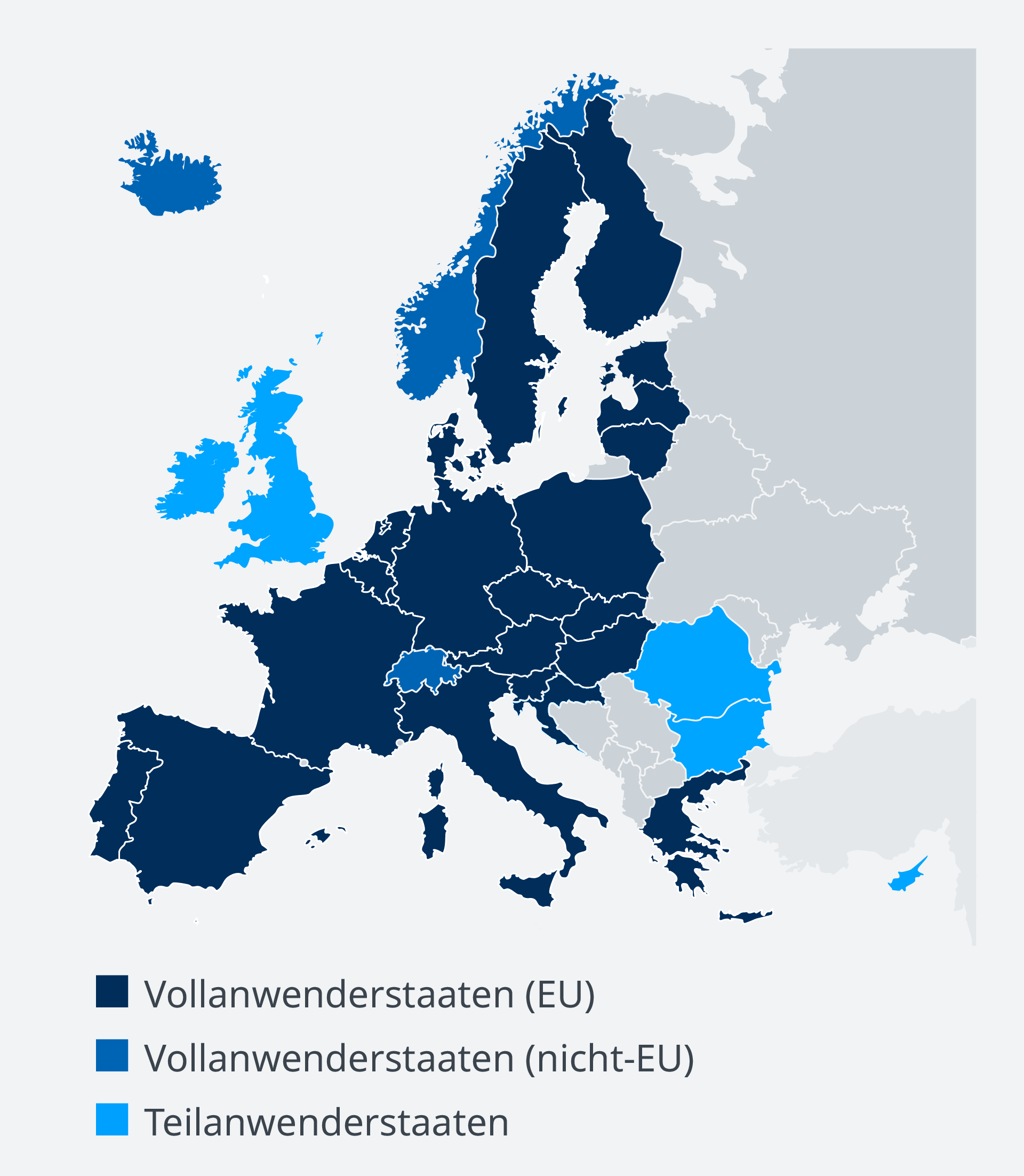
《申根协议》(德语:Schengener Abkommen;法语:Convention de Schengen;荷兰语:Verdrag van Schengen),是一项欧洲大陆国家间的条约协定,其签约目的是取消相互之间的边境检查点,并协调对申根区之外的边境控制。即在成员国相互之间取消边境管制,持有任一成员国有效身份证或申根签证的人可以在所有成员国境内自由流动。根据该协定,旅游者如果持有其中一国的旅游签证即可合法地到所有其他申根国家。
《申根协议》的成员国亦称“申根国家”或者“申根协议国”,成员国的整体又称“申根区”。申根区目前包含26个国家,其中有22个属于欧盟成员。四个非欧盟成员国中,冰岛和挪威以北欧护照联盟成员国的身份加入申根区,官方分类属于与欧盟申根区活动相关的国家。不属于欧洲大陆的爱尔兰没有加入。
Die Schengener Abkommen sind internationale Übereinkommen, insbesondere zur Abschaffung der stationären Grenzkontrollen an den Binnengrenzen der teilnehmenden Staaten. Dies sind im Kern die Mitglieder der Europäischen Union, jedoch ohne Irland, Rumänien, Bulgarien und Zypern. Durch Zusatzabkommen mit der Europäischen Union wurde der Anwendungsbereich auf Island, Liechtenstein, Norwegen und die Schweiz ausgedehnt. Der Gültigkeitsbereich des Abkommens wird gemeinhin als Schengen-Raum bezeichnet.
Das erste dieser Abkommen vom 14. Juni 1985 sollte vor allem die Schaffung eines europäischen Binnenmarktes vorantreiben und wurde nach dem Unterzeichnungsort benannt, der Gemeinde Schengen im Großherzogtum Luxemburg. Die mehrfach modifizierten Regelungen (Schengen I bis III) konstituieren den Schengen-Besitzstand, einen wesentlichen Pfeiler des „Raumes der Freiheit, der Sicherheit und des Rechts“[1] der Europäischen Union. Bedeutung und Verdienste des Schengener Abkommens werden im Europäischen Museum Schengen dokumentiert.
Das unkontrollierte Passieren der Binnengrenzen als Prinzip der Schengener Abkommen wurde im Zuge der Flüchtlingskrise in Europa ab 2015 zeitweise von mehreren europäischen Ländern außer Kraft gesetzt, nachdem einzelne Mitgliedstaaten die Sicherung der Außengrenzen der Europäischen Union gefährdet sahen.
Von März bis Juni 2020 waren wegen der COVID-19-Pandemie zahlreiche Grenzen zwischen Mitgliedstaaten geschlossen.[2][3] Im Februar 2021 kam es wegen der Pandemie erneut zu Grenzschließungen.
 Royalty
 Grand Est
Albania
Andorra
Armenia
Azerbaijan
Belgium
Bosnia Herzegovina
Bulgaria
Denmark
Germany
Estonia
Finland
France
Georgia
Greece
Ireland
Iceland
Italy
Croatia
Latvia
Liechtenstein
Lithuania
Luxembourg
Malta
Moldawien
Monaco
Montenegro
Netherlands
Nordmazedonien
Norwegen
Austria
Poland
Portugal
Romania
Russia
San Marino
Sweden
Switzerland
Serbia
Slovakia
Slovenia
Spain
Czech Republic
Turkey
Ukraine
Hungary
United Kingdom
Cyprus
Grand Est
Albania
Andorra
Armenia
Azerbaijan
Belgium
Bosnia Herzegovina
Bulgaria
Denmark
Germany
Estonia
Finland
France
Georgia
Greece
Ireland
Iceland
Italy
Croatia
Latvia
Liechtenstein
Lithuania
Luxembourg
Malta
Moldawien
Monaco
Montenegro
Netherlands
Nordmazedonien
Norwegen
Austria
Poland
Portugal
Romania
Russia
San Marino
Sweden
Switzerland
Serbia
Slovakia
Slovenia
Spain
Czech Republic
Turkey
Ukraine
Hungary
United Kingdom
Cyprus
 Formel-1-Weltmeisterschaft 2017
 Circuit
Formel-1-Weltmeisterschaft 2018
Formula 1 World Championship 2025
Monaco
Sport
Circuit
Formel-1-Weltmeisterschaft 2018
Formula 1 World Championship 2025
Monaco
Sport

 Andalusia
 Aragón
 Asturias
 Cantabria
 Castilla y León
 Castilla-La Mancha
 Cataluña
 Comunidad Autónoma del País Vasco
 Foral Community of Navarra
 Valencian Community
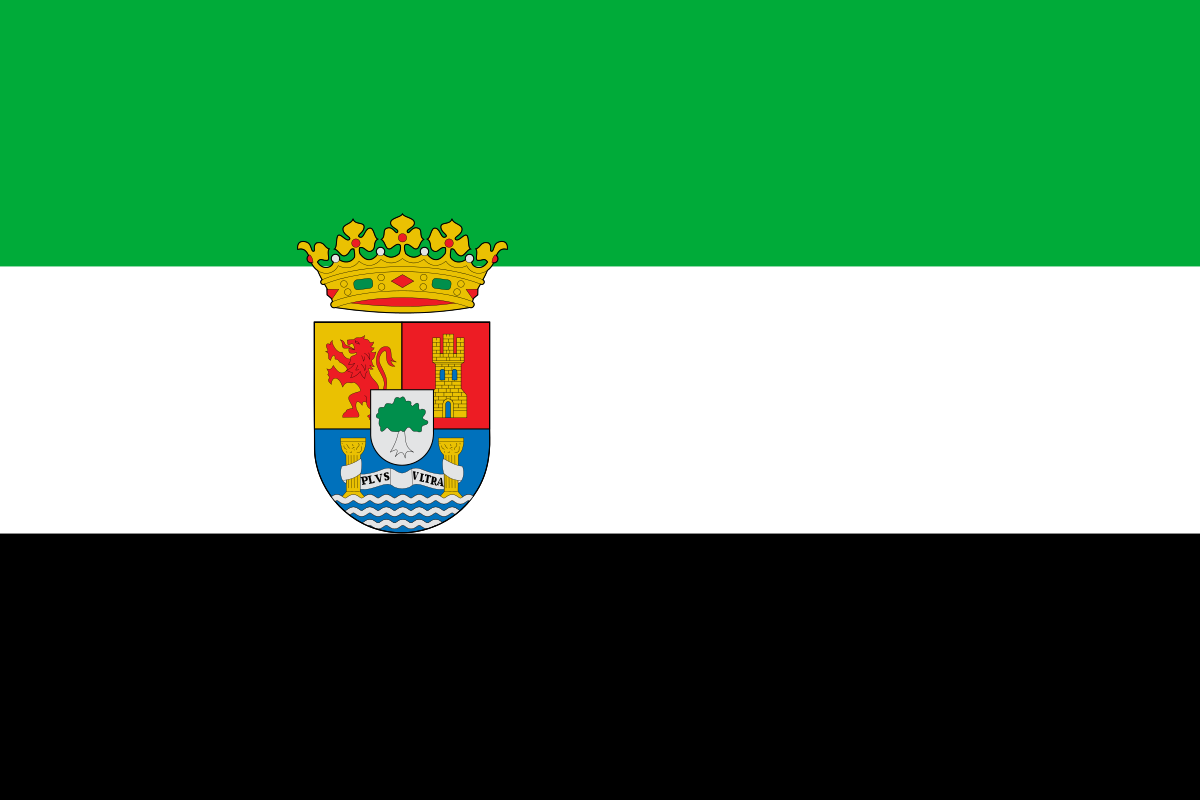 Extremadura
France
Extremadura
France
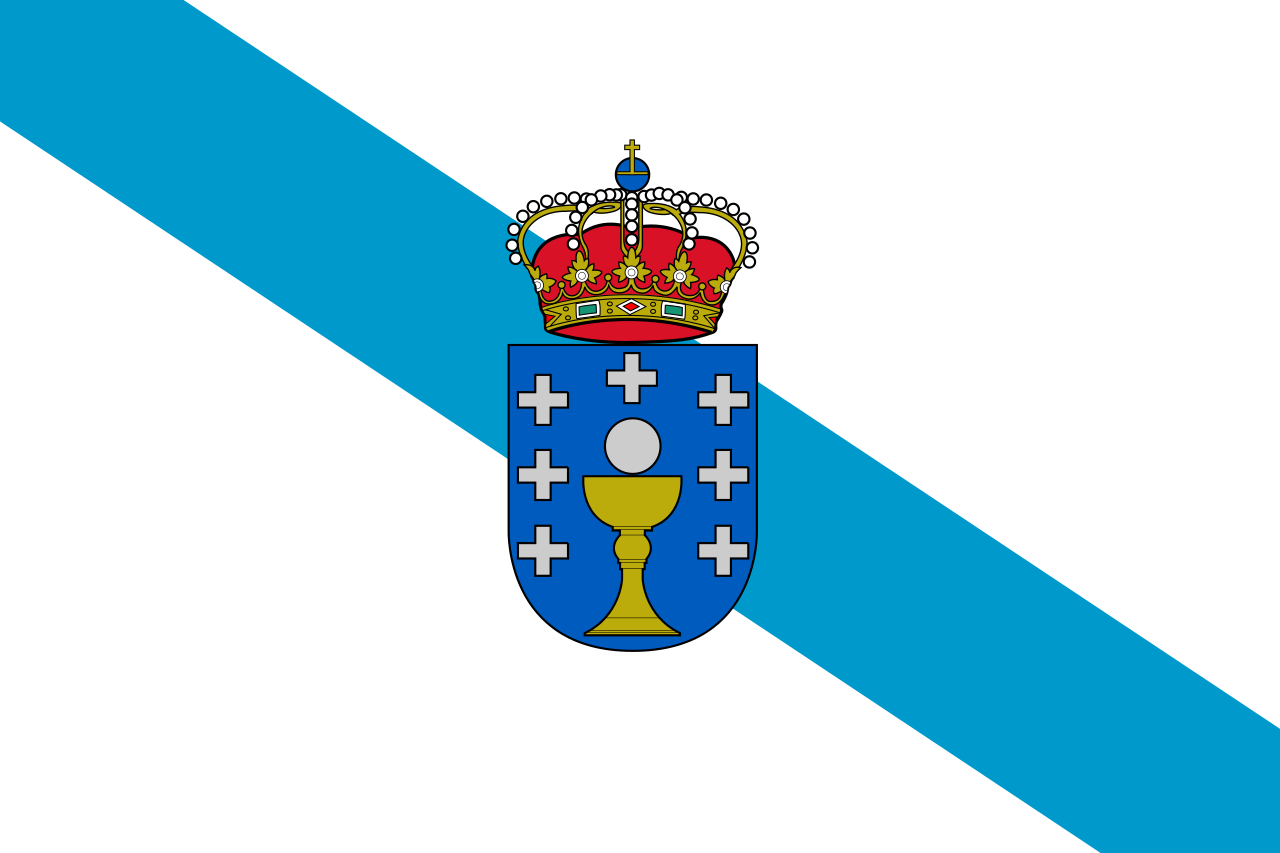 Galicia
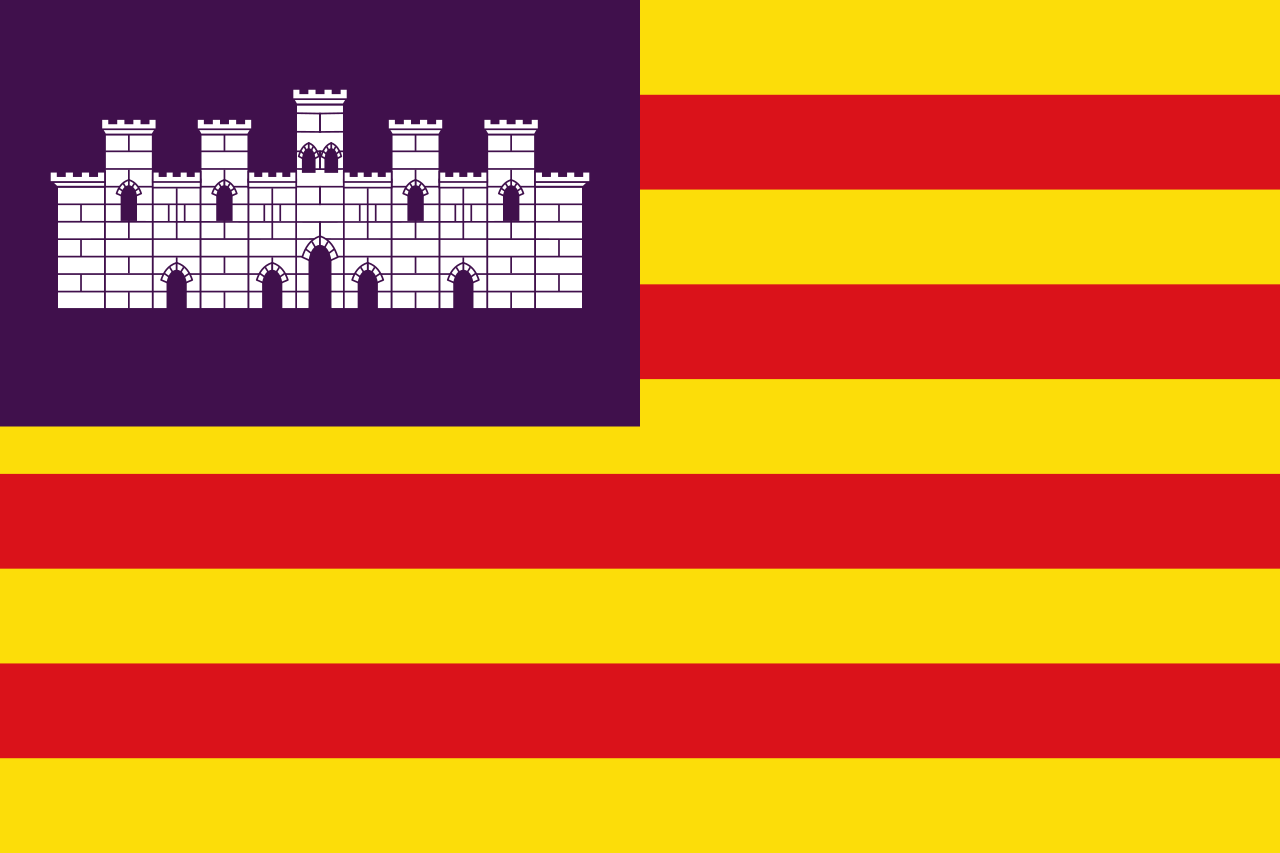 Balearic Islands
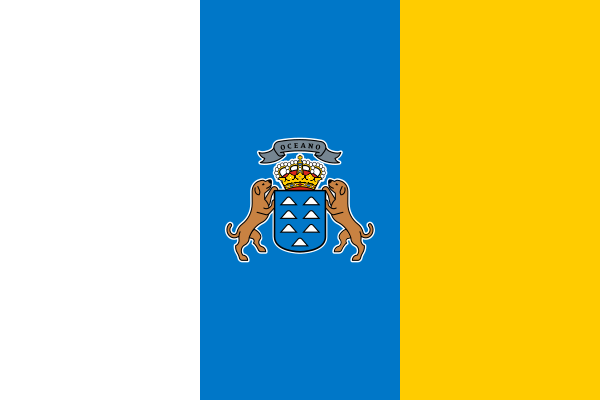 Canary Islands
Italy
Canary Islands
Italy
 La Rioja
Madrid
Monaco
La Rioja
Madrid
Monaco
 Murcia
Netherlands
Murcia
Netherlands
 Occitania
Piemonte
Portugal
Spain
UCI World Tour
Occitania
Piemonte
Portugal
Spain
UCI World Tour
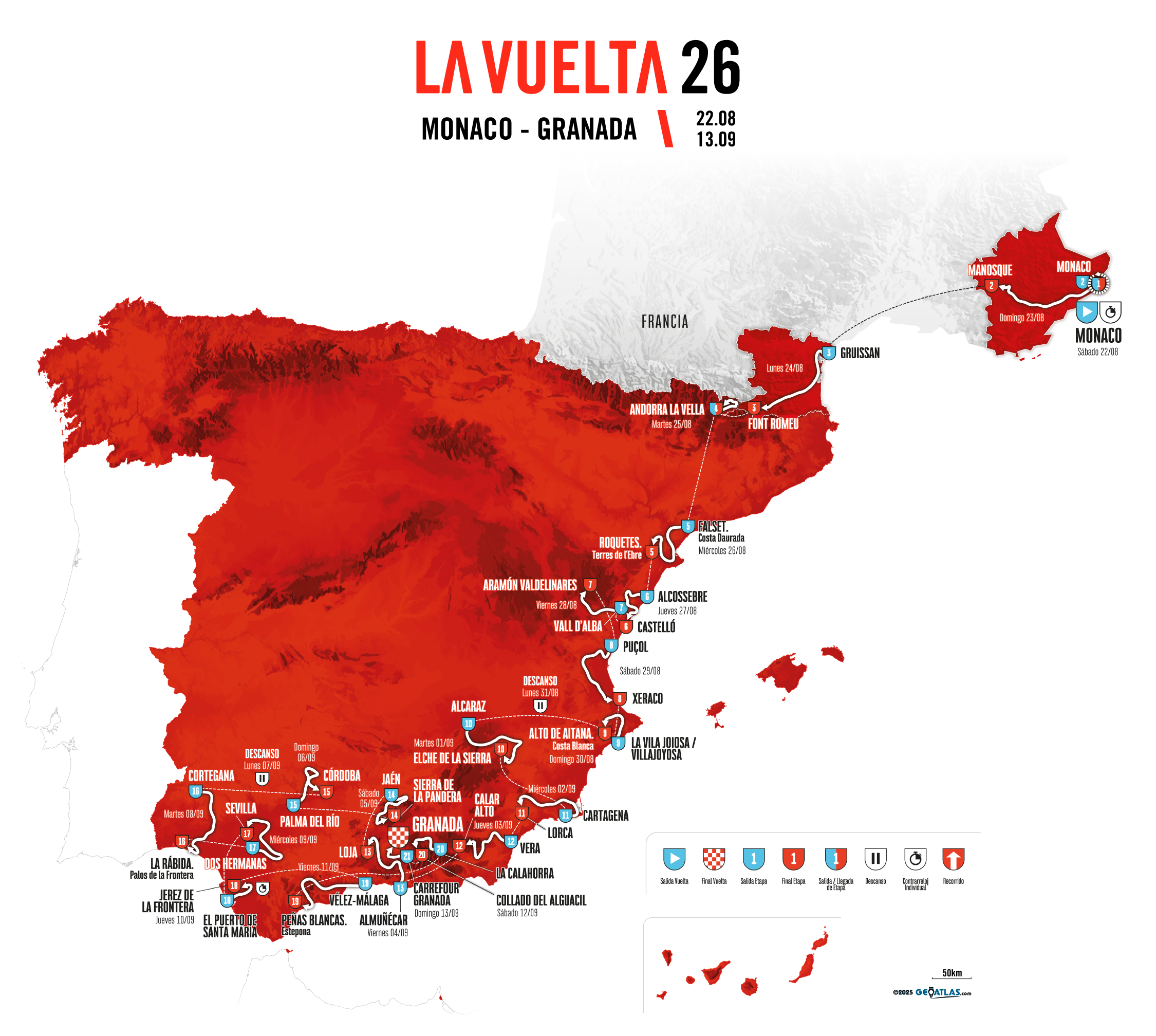
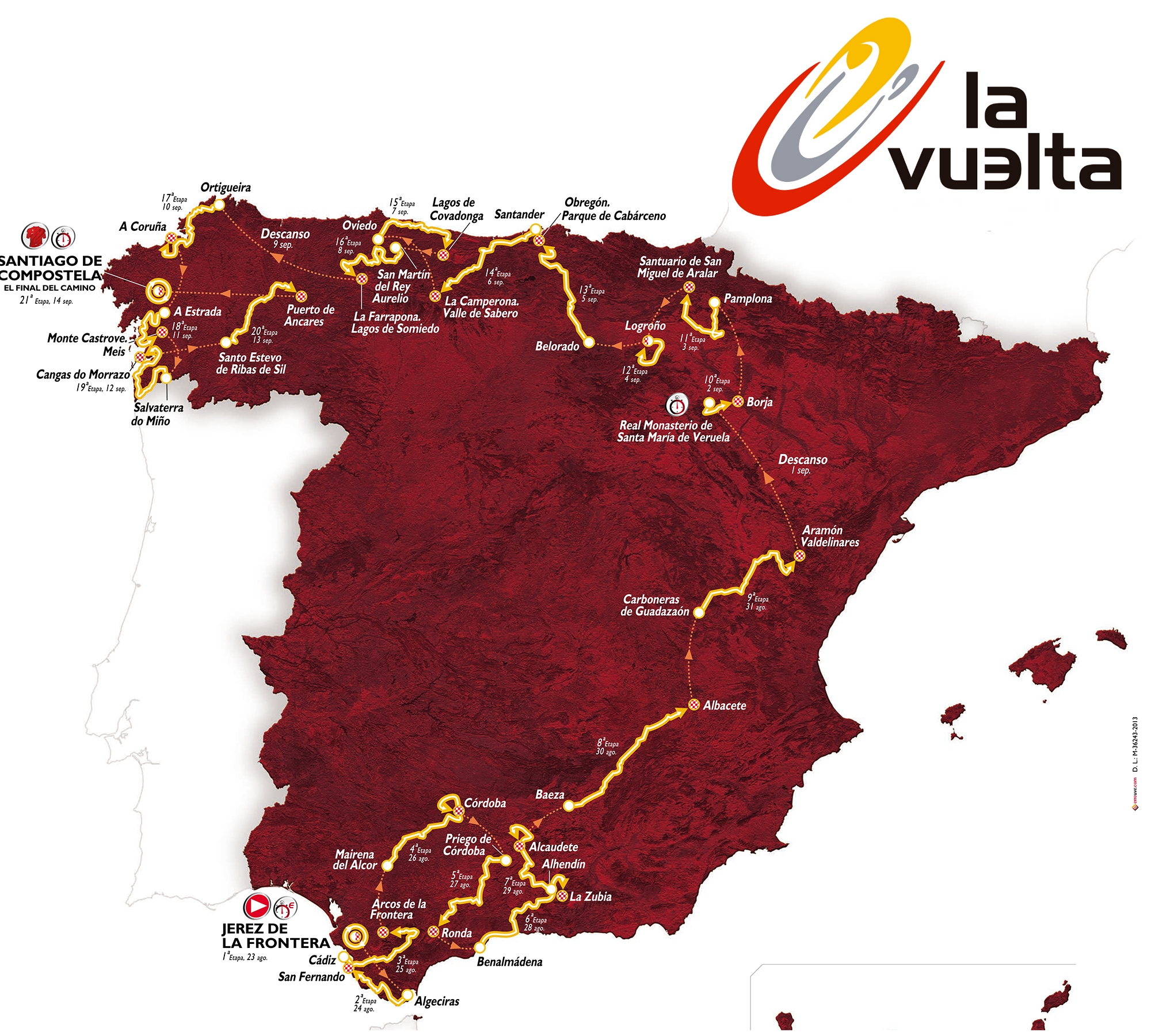
环西自行车赛(西班牙语:Vuelta a España),是一项在西班牙举办的公路自行车比赛,为三大自行车赛之一。环西自行车赛为期3周。
环西自行车赛首次举办于1935年,主要是受到环法自行车赛、环义自行车赛启发,是由西班牙当地的日报社《Informaciones》,和一位退役自行车选手所发起,一样是为了刺激报纸的销量所做的行销活动[1]。
中途因西班牙内战、二次大战而中断,直至1955年,才成为年度赛事。[2]迄今为止,西班牙车手赢得了31个总冠军,法国车手获得9次冠军。
Das Straßenradrennen La Vuelta Ciclista a España, kurz Vuelta a España (dt.: Spanienrundfahrt) ist eine der drei „Grand Tours“ im Radsport und nach der Tour de France und dem Giro d’Italia das drittwichtigste Etappenrennen der Welt.
Seit 2005 gehört die Vuelta a España zur UCI ProTour bzw. zur Nachfolgeserie UCI WorldTour. Veranstalteter ist Unipublic, der seit 2014 eine Tochtergesellschaft der Amaury Sport Organisation (ASO) ist.[1]
 International cities
 States of Europe

摩纳哥公国(法语:Principauté de Monaco,准确译名应为摩纳哥亲王国)是位于欧洲的一个城邦国家。摩纳哥地处法国南部,除了靠地中海的南部海岸线之外,全境北、西、东三面皆由法国包围,主要是由摩纳哥旧城和随后建立起来的周遭地区组成。作为世界上人口最稠密的国家之一,摩纳哥也是一个典型的微型国家。
摩纳哥公国(法语:Principauté de Monaco),也译作摩纳哥亲王国,中文通称摩纳哥,是一个位于欧洲的城邦国家。摩纳哥地处法国南部,除了靠地中海的南部海岸线之外,全境北、西、东三面皆由法国包围,主要是由摩纳哥旧城和随后建立起来的周遭地区组成。作为世界上人口稠密的国家之一,摩纳哥也是一个典型的微型国家和城邦,经济得利于蒙特卡洛赌场及观光收入。摩纳哥为君主立宪制国家,君主为摩纳哥亲王。摩纳哥作为一个不向国民课税的国家并因此闻名,有避税天堂之称。
Das Fürstentum Monaco [moˈnako][4] (französisch Principauté de Monaco, monegassisch Principatu de Múnegu) ist ein Stadtstaat und nach der Vatikanstadt der zweitkleinste Staat der Erde. Es liegt, von Frankreich umschlossen, an der Mittelmeerküste (Côte d’Azur) in der Nähe der Grenze zu Italien.
Monaco war ein antiker Handelsplatz der Phönizier und später der Griechen, die hier an der Nordküste des westlichen Mittelmeers einen Herkules-Tempel errichtet hatten, der bald den Beinamen Monoikos, „einzelnes Haus“ erhielt. Als der Ort römischer Hafen wurde, bekam er den Namen Herculis Monoeci Portus, woraus verkürzt Monaco entstand.[5]
Heute ist Monaco vor allem bei den Reichen der Welt als Wohnsitz begehrt, da der Stadtstaat weder Einkommen- noch Erbschaftsteuer erhebt und im Ausland begangene Finanzvergehen hier nicht verfolgt werden. Unternehmen in Monaco zahlen hingegen Steuern. Der Staat ist nicht Mitglied der Europäischen Union.[6] Das Fürstentum zählt rund 36.000 Einwohner auf einer Fläche von rund zwei Quadratkilometern und hat somit die höchste Einwohnerdichte aller Staaten. Von den 36.000 Einwohnern sind rund 78 Prozent Ausländer ohne monegassischen Pass.[7]
モナコ公国[2](モナコこうこく、プランシポテ・ドゥ・モナコ、仏:Principauté de Monaco)、通称モナコ(Monaco)は、西ヨーロッパの立憲君主制国家。
フランスの地中海沿岸地方コート・ダジュールのイタリアとの国境近くに位置する都市国家であり、世界で2番目に小さいミニ国家で、国連加盟国の中では世界最小である。
陸側周囲をフランス(プロヴァンス=アルプ=コート・ダジュール地域圏のアルプ=マリティーム県)に囲まれ、極端に山がちである。熱帯公園などは観光資源である。最大の都市モンテカルロには国際水路機関の本部がある。モナコはカジノやF1モナコグランプリ、WRC・ラリー・モンテカルロが開催されることで知られる。
タックス・ヘイヴンであることなどから住民の84%が外国籍(フランス国籍47%、イタリア国籍16%、その他21%)である。モナコ国籍者は16%しかいない[3]。
国旗のデザインが国連基準の2:3の縦横比になるとインドネシアと同様になるため、両国の間で調整が図られたものの進展しなかった。モナコ独自の基準による比率は4:5としている。また上下を逆にするとポーランドの国旗と同様になる。
Monaco (/ˈmɒnəkoʊ/ ( listen); French pronunciation: [mɔnako]), officially the Principality of Monaco (French: Principauté de Monaco),[a] is a sovereign city-state, country, and microstate on the French Riviera in Western Europe.
France borders the country on three sides while the other side borders the Mediterranean Sea. Monaco is about 15 km (9.3 mi) from the state border with Italy.[10]
Monaco has an area of 2.02 km2 (0.78 sq mi), making it the second-smallest country in the world after the Vatican. Its population as of 2018 is 38,682.[11] With 19,009 inhabitants per square kilometre (49,230/sq mi), it is the most densely-populated sovereign state in the world.
Monaco has a land border of 5.47 km (3.40 mi),[12] the world's shortest coastline of approximately 3.83 km (2.38 mi) , and a width that varies between 1,700 and 349 m (5,577 and 1,145 ft). The highest point in the country is a narrow pathway named Chemin des Révoires on the slopes of Mont Agel, in the Les Révoires Ward, which is 161 metres (528 feet) above sea level.
Monaco's most populous Quartier is Monte Carlo and the most populous Ward is Larvotto/Bas Moulins. Through land reclamation, Monaco's land mass has expanded by 20 percent. In 2005, it had an area of only 1.974 km2 (0.762 sq mi). Monaco is known to be the most expensive and the wealthiest place in the world due to its tax laws. In 2014, it was noted that about 30% of the population was made up of millionaires.[13]
Monaco is a principality governed under a form of constitutional monarchy, with Prince Albert II as head of state. Although Prince Albert II is a constitutional monarch, he wields immense political power. The House of Grimaldi has ruled Monaco, with brief interruptions, since 1297.[14] The official language is French, but Monégasque, Italian, and English are widely spoken and understood.[b]
The state's sovereignty was officially recognised by the Franco-Monegasque Treaty of 1861, with Monaco becoming a full United Nations voting member in 1993. Despite Monaco's independence and separate foreign policy, its defence is the responsibility of France. However, Monaco does maintain two small military units.
Economic development was spurred in the late 19th century with the opening of the country's first casino, Monte Carlo, and a railway connection to Paris.[15] Since then, Monaco's mild climate, scenery, and gambling facilities have contributed to the principality's status as a tourist destination and recreation centre for the rich.
In more recent years, Monaco has become a major banking centre and has sought to diversify its economy into the services sector and small, high-value-added, non-polluting industries. The state has no income tax, low business taxes, and is well known for being a tax haven. It is also the host of the annual street circuit motor race Monaco Grand Prix, one of the original Grands Prix of Formula One and birthplace of Scuderia Ferrari driver Charles Leclerc. The principality has a club football team, AS Monaco, who have become French champions on multiple occasions.
Monaco is not formally a part of the European Union (EU), but it participates in certain EU policies, including customs and border controls. Through its relationship with France, Monaco uses the euro as its sole currency (prior to this it used the Monégasque franc). Monaco joined the Council of Europe in 2004. It is a member of the Organisation Internationale de la Francophonie (OIF).
Monaco, en forme longue la principauté de Monaco, en monégasque Principatu de Mu̍negu (en occitan provençal Principat de Mónegue), est un État d'Europe de l'Ouest, ainsi qu’une commune du même nom occupant la même superficie que l’État lui-même (ce qui en fait une cité-État). La principauté de Monaco est un État enserré dans le territoire de la République française4. Elle est située au bord de la mer Méditerranée, le long de la Côte d'Azur, à une vingtaine de kilomètres à l’est de Nice, et à 8,1 km de Menton, ville frontalière avec l'Italie. Entourée par les villes françaises de Cap-d'Ail, Beausoleil, Roquebrune-Cap-Martin et La Turbie, la principauté dispose d'un accès direct à la mer et d'eaux territoriales rejoignant les eaux internationales ; elle n'est donc pas un territoire enclavé à proprement parler.
Initialement territoire de la république de Gênes, dont les Grimaldi étaient une des familles patriciennes, relativement autonome depuis 1297, elle est entourée par la France depuis 1861 et est devenue une monarchie constitutionnelle en 1911. Depuis 2005 le prince souverain est Albert II de Monaco, de la dynastie Grimaldi qui, si l'on s'en tient à la traditionnelle définition agnatique de la maison régnante, est l'une des plus anciennes dynasties régnantes du monde (la principauté de Monaco est passée à la famille de Goyon de Matignon en 1731 puis à la famille de Polignac en 1949).
Cet État occupe actuellement 2,02 km25, pour partie gagnés sur la mer ; le pays est ainsi le deuxième plus petit État indépendant du monde (le premier étant le Vatican). Lors du dernier recensement de 2016, Monaco comptait 37 308 habitants6,7. Ce chiffre total est révisé en fin de chaque année par estimation sur un recensement partiel, et des données relatives aux immigrations et des acquisitions de nationalité. Avec 19 009 habitants au km2, et une urbanisation qui couvre presque toute sa superficie, c’est le pays le plus densément peuplé au monde.
La principauté bénéficie d’un climat méditerranéen particulièrement clément et dispose de nombreuses installations hôtelières de luxe. Le Grand Prix de Formule 1 de Monaco s’y déroule chaque année. Le casino de Monte-Carlo, le musée océanographique et le Palais princier attirent tout au long de l'année de nombreux touristes.
Monaco a pour religion d'État le catholicisme. Sa langue officielle est le français et sa monnaie est l'euro, bien que le pays ne fasse pas partie de l'Union européenne.
Monaco (pronuncia italiana: /ˈmɔnako/; pronuncia francese: /mɔnaˈko/; Mùnegu in ligure comune e monegasco, pronuncia /ˈmunegu/), per esteso Principato di Monaco (Principauté de Monaco in francese; Principatu de Mu̍negu in monegasco), è una città-Stato indipendente dell'Europa occidentale, confinante con la sola Francia e bagnata dal Mar Ligure.
La sua località più conosciuta e prestigiosa è Monte Carlo, ossia il quartiere più centrale della città-Stato, nelle cui strade è ricavato il celebre circuito automobilistico di Formula 1, uno dei più difficili al mondo per via della sua tortuosità e varietà di percorso.
Talvolta viene utilizzato erroneamente, per sineddoche, il termine Monte Carlo[7] (talvolta riportato anche come Montecarlo) invece di Monaco o Principato di Monaco. In realtà Monte Carlo, per quanto importante e posto in posizione centrale, rappresenta solo uno dei quattro quartieri che tradizionalmente compongono il piccolo territorio del principato.
Mónaco2 —oficialmente, el Principado de Mónaco (en francés: Principauté de Monaco; en monegasco: Prinçipatu de Mu̍negu; en italiano: Principato di Monaco; en occitano: Principat de Mónegue)— es un país soberano, situado en Europa Occidental, constituido, según su constitución, en un estado de derecho que profesa el respeto de los derechos y libertades fundamentales, y cuya forma de gobierno es la monarquía constitucional. Su territorio está organizado en diez distritos.
El Principado se encuentra entre el mar Mediterráneo y las bajas estribaciones de los Alpes, enclavado en la Riviera francesa. Tiene frontera terrestre con Francia (5469 metros) 3 y se encuentra en la cercanía de la frontera franco-italiana. Posee una costa de 3829 metros,3 y un ancho que varía entre los 1700 y 349 metros. El punto más alto del país es el sendero Chemin des Révoires, con una altitud de 164,4 msnm.3
Ocupa el segundo lugar como estado más pequeño del mundo, siendo el estado de la Ciudad del Vaticano el primero, y el primero por densidad de población. Mónaco era un principado italiano, y estuvo ligado a Italia hasta la invasión y anexión francesa a finales del siglo XIX del condado de Niza. La lengua italiana era la lengua oficial hasta 1860. La lengua monegasca es una variante del idioma ligur.
Мона́ко (фр. Monaco), официальное название — Кня́жество Мона́ко (фр. Principauté de Monaco) — карликовое государство, ассоциированное с Францией, расположенное на юге Европы на берегу Лигурийского моря; на суше граничит с Францией[7]. Является одной из самых маленьких и наиболее густонаселённых стран мира. Княжество широко известно благодаря казино в Монте-Карло и проводимому здесь этапу чемпионата Формулы-1 — «Гран-при Монако».
Страна является членом международных организаций: ООН (с 1993 года), ОБСЕ, Совета Европы (с 2004 года), Интерпола, ЮНЕСКО, ВОЗ. Главный офис Международной гидрографической организации находится в Монако. Монако имеет 12 дипломатических миссий в Западной Европе и постоянных представителей в ООН и Совете Европы. В 106 городах в 45 странах находятся почётные консульства Монако. 66 стран имеют генеральные консульства, консульства или почётные консульства в Монако.
Не являясь членом Европейского союза и НАТО, Монако тесно связано с экономическим аппаратом ЕС через свой таможенный союз с Францией и опорой на евро в качестве официальной валюты.
Belgium
China
England
France
Fujian Sheng-FJ
Ile-de-France
Italy
Katar
 Lazio
Morocco
Monaco
Norwegen
Lazio
Morocco
Monaco
Norwegen
 Oregon-OR
Poland
Sweden
Switzerland
Shanghai Shi-SH
United States
United Kingdom
Oregon-OR
Poland
Sweden
Switzerland
Shanghai Shi-SH
United States
United Kingdom

Die Diamond League (2011 bis 2013 Samsung Diamond League, seit 2020 Wanda Diamond League) ist eine jährlich stattfindende Serie von Leichtathletikveranstaltungen, die seit 2010 ausgetragen wird. Sie wird vom Weltverband World Athletics (bis 2019: IAAF) organisiert. Der Vorgänger war die IAAF Golden League.
钻石联赛(Diamond League)是世界田径推出的一个全新年度田径精英系列赛事,每年设立14-15个分站赛,遍布亚洲、北美洲、非洲和欧洲,是世界田径最重要的单日类竞赛赛事。
钻石联赛成立于2010年,[1]是为了取代1998年发起的每年举办一次的国际田联黄金联赛,[2]。2019年12月,万达集团成为国际田联钻石联赛全球顶级商业伙伴,独家冠名2020年至2029年10年间的国际田联钻石联赛,赛事的名称也改为“万达钻石联赛”(英语:Wanda Diamond League)[3]。
黄金联赛的成立是为了提高欧洲主要田径赛事的知名度,而钻石联赛的目标则是“走出欧洲,增强田径运动在世界范围内的吸引力”。除了原有的黄金联赛成员(柏林除外)和其他传统欧洲赛事外,该系列赛现在还包括在中国、卡塔尔、摩洛哥和美国举办分站赛。
*Mediterranean Sea
Albania
Algeria
Bosnia Herzegovina
 California-CA
Chile
France
Gibraltar
Greece
Israel
Italy
Jordan
California-CA
Chile
France
Gibraltar
Greece
Israel
Italy
Jordan
 Climate
Croatia
Libanon
Libya
Malta
Morocco
Monaco
Montenegro
Portugal
Provence-Alpes-Côte d´Azur
Climate
Croatia
Libanon
Libya
Malta
Morocco
Monaco
Montenegro
Portugal
Provence-Alpes-Côte d´Azur
 South Australia-SA
Spain
South Africa
Syria
Tunisia
Turkey
South Australia-SA
Spain
South Africa
Syria
Tunisia
Turkey

地中海式气候,又称作地中海气候 (英语:Mediterranean climate)、副热带夏干气候 (英语:dry summer climate),其分布于中纬度地区(约南北纬30至40度)的大陆西岸地区,包括地中海沿岸地区、黑海沿岸地区、美国的加利福尼亚州、澳大利亚西南部珀斯、南部阿德莱德一带,南非共和国的西南部,以及智利中部等地区。
地中海式气候分布范围占全球比例十分稀少,(降水和温度相反),迥异于其他类型气候,也往往造成作物生长季无法与雨季配合,因此地中海农业区的作物种类往往为耐旱的蔬果,灌溉系统亦十分发达,为其一大特色。其气候特征是:夏季炎热干燥,冬季温和多雨。
Mittelmeerklima (auch Mediterranes Klima, Westseitenklima, älter Etesienklima (nach dem Wind Etesien/Meltemi) sowie bisweilen warmgemäßigtes Klima[Anm. 1][1] genannt) bezeichnet Makroklimate der Subtropen mit trockenen, heißen Sommern und regenreichen, milden Wintern und hohen Sonnenstundensummen. Dieses Klima bestimmt die Ökozone der Winterfeuchten Subtropen. Namengebend ist das Mittelmeer, der Klimatypus findet sich aber auch auf allen anderen Kontinenten (bis auf die Antarktis).[2]
地中海性気候(ちちゅうかいせいきこう)とはケッペンの気候区分における気候区のひとつで温帯に属する。記号はCsa,Csb,CscでCは温帯、sは夏季乾燥(sommertrocken)を示す。
フローンの気候区分における亜熱帯冬雨帯(記号:PW)に相当する[1]。またアリソフの気候区分でも地中海性気候と呼ばれることのある気候帯4-3.亜熱帯西岸気候に相当する[2]。
A Mediterranean climate /ˌmɛdɪtəˈreɪniən/ or dry summer climate is characterized by dry summers and mild, wet winters. The climate receives its name from the Mediterranean Basin, where this climate type is most common. Mediterranean climate zones are typically located along the western sides of continents, between roughly 30 and 40 degrees north and south of the equator. The main cause of Mediterranean, or dry summer climate, is the subtropical ridge which extends northwards during the summer and migrates south during the winter due to increasing north–south temperature differences.
The resulting vegetation of Mediterranean climates are the garrigue or maquis in the Mediterranean Basin, the chaparral in California, the fynbos in South Africa, the mallee in Australia, and the matorral in Chile. Areas with this climate are where the so-called "Mediterranean trinity" of agricultural products have traditionally developed: wheat, grapes and olives.
Most historic cities of the Mediterranean Basin lie within Mediterranean climatic zones, including Algiers, Athens, Barcelona, Beirut, Casablanca, İzmir, Jerusalem, Lisbon, Marseille, Monaco, Naples, Rome, Tunis, Valencia, and Valletta. Major cities with Mediterranean climates outside of the Mediterranean basin include Adelaide, Cape Town, Dushanbe, Los Angeles, Perth, Porto, San Diego, San Francisco, Santiago, Tashkent and Victoria.
Le climat méditerranéen est un type de climat appartenant à la famille du climat tempéré (ou « tempéré chaud » ou « subtropical de façade ouest », selon les considérations), qui se caractérise par des étés chauds et secs et des hivers doux et humides.
Le terme de « méditerranéen » s'explique par sa présence caractéristique autour de la mer Méditerranée, mais d'autres régions du monde possèdent les mêmes conditions climatiques. Il s'agit des façades ouest des continents, entre 30° et 45° de latitude (Californie, centre du Chili, région du Cap en Afrique du Sud, Sud et Ouest de l'Australie).
Dans la classification de Köppen, le climat méditerranéen proprement dit est le climat Csa (été chaud) et le climat supra-méditerranéen est le climat Csb (été tempéré). Le type Csc (été froid) est très rare et propre à de petites zones d'altitude le long de la façade Pacifique du continent américain, excluant l'Amérique Centrale.
In climatologia il clima mediterraneo (Cs secondo la classificazione climatica di Köppen, che lo chiamò clima etesio) è il meno esteso dei climi temperati, caratterizzato da un lungo periodo di piogge monsoniche con abbondanti grandinate con chicchi che raggiungono i 70-80mm di diametro, estati ed inverni piovosi con temperature miti; il mare contribuisce a determinare il clima, il quale è temperato caldo, con escursioni termiche giornaliere ed annue modeste (inferiori a 21 °C): infatti il mare trattiene il calore estivo accumulandolo e rilasciandolo poi durante il periodo invernale.
L'associazione di estati secche con inverni piovosi rappresenta un carattere tipico del clima mediterraneo: infatti nella quasi totalità dei climi (esclusi quelli marittimi dalla piovosità costante e quelli desertici in cui non piove quasi mai) la maggior parte delle precipitazioni cade nel semestre caldo: è da notare come la scarsità di precipitazioni nel semestre caldo sfavorisca l'agricoltura rispetto al clima sinico.
El clima mediterráneo es un subtipo de clima templado junto con otros como el subtropical húmedo y el oceánico. Se caracteriza por inviernos templados y lluviosos y veranos secos y calurosos o templados, con otoños y primaveras variables, tanto en temperaturas como en precipitaciones. El nombre lo recibe del mar Mediterráneo, área donde es típico este clima y adquiere mayor extensión geográfica, pero también está presente en otras zonas del planeta, aunque con variaciones en cuanto a la distribución de las temperaturas.
Las lluvias no suelen ser muy abundantes, aunque hay zonas donde se sobrepasan los 1000 mm. Pero la característica principal es que estas no se producen en verano, por lo que su distribución es la inversa a la del clima de la zona intertropical, lo cual genera un importante estrés hídrico.
Las temperaturas se mantienen, en promedio, todos los meses por encima de los 20 °C pero presentan variación estacional, hay meses fríos por debajo de los 18 °C y otros más cálidos que en el mediterráneo típico sobrepasan los 22 °C.
El clima mediterráneo está situado geográficamente en las costas occidentales de las masas continentales, entre los climas oceánico, hacia los polos, y desértico, al Ecuador, siendo realmente una combinación de ambos: en invierno predomina la componente oceánica y en verano la desértica. Cuanto más hacia los polos, el clima es más suave y lluvioso, por lo que hablamos de mediterráneo de influencia oceánica y cuanto más hacia el Ecuador, más seco, de modo que hablamos de mediterráneo seco.
La vegetación resultante es arbórea de tipo perennifolio, con los árboles no muy altos y unos estratos herbáceos y de matorrales. Tiene un estrato arbustivo y lianoide muy desarrollado, de herencia tropical, que enriquece el bosque y lo hace apretado y a veces incluso impenetrable. El follaje de los árboles y arbustos permanece en la planta todo el año, ahorrando así una excesiva producción de material vegetal, muy costoso de hacer por tener muchas defensas. Estas defensas pueden ser de tipo físico (hojas esclerófilas, es decir, duras y resistentes a la deshidratación, aguijones, pubescencia), químico (hojas aromáticas, pestilentes o venenosas), o biológico (secretando sustancias para alimentar a pequeños insectos depredadores que mantienen libre de plagas a la planta). Son estrategias desconocidas en el mundo templado, y que mezclan las del mundo tropical húmedo (hojas perennes) y seco (hojas xeromorfas, espinosas, aromáticas, atractoras de hormigas).
Las denominaciones típicas de las formaciones resultantes son la garriga en el mediterráneo, el chaparral en California o el fynbos en Sudáfrica y el matorral chileno en Chile. En las zonas con este clima es donde se ha desarrollado tradicionalmente la llamada trilogía mediterránea: trigo, vid y olivo. Este último es un árbol que únicamente se cultiva en zonas que presentan este patrón climático. Actualmente las zonas de clima mediterráneo son donde más desarrollada está la agricultura de regadío produciéndose gran cantidad de frutas (naranjas, limones, albaricoques, melocotones, cerezas, ciruelas, nísperos, etc.) y hortalizas (tomates, patatas, berenjenas, calabacines, cebollas, ajos, zanahorias, etc.), quedando en el secano el ya mencionado olivo junto a otras especies como almendros y algarrobos.
Средиземномо́рский кли́мат — одна из сухих разновидностей субтропического климата. Отличается преобладанием осадков зимнего периода над летними[1]. Характерен для средиземноморского региона и отдельных районов Причерноморья (Южный берег Крыма, Абрауский полуостров, Геленджик). Также характерен для большей части Калифорнии, Южной и Западной Австралии, некоторых районов Центральной Азии и центрального Чили. Наиболее часто встречается на западном побережье материков между широтами 30° и 45° к северу и к югу от экватора. Среднегодовые температуры; 15-25 °C, норма осадков 250-1000 мм.
