
Deutsch-Chinesische Enzyklopädie, 德汉百科
 Party and government



欧洲保守派和改革主义者(英语:European Conservatives and Reformists)是欧洲议会内的一个右翼疑欧保守主义党团,该党团反对欧洲联邦主义,持欧洲怀疑主义,并支持保守主义。党团成员除瑞典的瑞典民主党外,均为该国的主流保守派政党,其党内的成立主要是反对中间偏右保守派欧洲人民党的支持欧洲联邦主义的政策。
现在该党团在欧洲议会拥有73名议员。该党团的主要成员包括英国的保守党、捷克的公民民主党、波兰的法律与公正和瑞典的瑞典民主党。
Die Fraktion der Europäischen Konservativen und Reformer (EKR, bis Ende 2014 Fraktion Europäische Konservative und Reformisten) ist eine 2009 gegründete (national)-konservative und EU-kritische, in Teilen rechtspopulistische Fraktion im Europäischen Parlament. Mit insgesamt 77 Europaabgeordneten aus 16 Ländern ist sie die drittgrößte Fraktion des Parlaments (Stand: 30. Mai 2019[2]). Die beiden größten Parteien in der Fraktion sind die britische Konservative Partei und die polnische Recht und Gerechtigkeit (PiS). Sechs deutsche Abgeordnete gehören der Fraktion an, vier Parteilose sowie je ein Mitglied der Liberal-Konservativen Reformer sowie des Bündnis C.
Die zugeordnete europäische politische Partei ist die Allianz der Konservativen und Reformer in Europa (ACRE). Der Fraktion gehören außerdem Mitglieder der Europäischen Christlichen Politischen Bewegung (ECPM), der Europäischen Freien Allianz (EFA) sowie Abgeordnete ohne Parteizugehörigkeit auf europäischer Ebene an.
欧州保守改革グループ(おうしゅうほしゅかいかくグループ)[1]とは、反連邦主義、保守系の欧州議会の政治会派[2]。会派結成の時点では55名の欧州議会議員が所属しており、議院内において4番目の規模となる[3]。欧州保守改革グループは2009年6月の欧州議会議員選挙を受けて、欧州保守改革同盟が中心となって結成された会派である。
会派内において、とくに大きい政党はイギリスの保守党、チェコの市民民主党 とポーランドの法と正義である。この3党のほかに、ポーランドのポーランドが最も重要、5か国の議員を1人ずつ出している政党、無所属議員2名が参加している。これらの政党の多くは旧欧州人民党・欧州民主主義グループ内のグループであった欧州民主主義グループや諸国民のヨーロッパ連合という、2つの消滅した会派から参加している。
The European Conservatives and Reformists (ECR)[1] is a Eurosceptic,[6][7][8][9][10] anti-federalist[5][6][11] political group in the European Parliament. The ECR is the parliamentary group of the Alliance of Conservatives and Reformists in Europe (ACRE) European political party (formerly known as the Alliance of European Conservatives and Reformists), but also includes MEPs from four other European parties and thirteen MEPs without European party affiliation. The group focuses on reforming the European Union (EU) on the basis of Eurorealism[12] as opposed to total rejection of the EU (anti-EU-ism).[13][14]
The ECR was founded around the Movement for European Reform after the 2009 European elections at the behest of British Conservative Party leader David Cameron. During the Seventh European Parliament (2009–14), the ECR had 55 MEPs, making it the joint fourth-largest group. After the 2014 European elections, the party accepted thirteen new member parties, increasing the group membership to 75 MEPs (by May 2017) and making it the current third-largest group in the European Parliament.
The group is considered centre-right[15] to right-wing.[16] The largest parties in the group by number of MEPs are the Conservative Party of the United Kingdom and Law and Justice (PiS) of Poland.
Le groupe des Conservateurs et réformistes européens (CRE) est un groupe politique européen, regroupant à l'échelle du continent un ensemble de partis de droite et de la droite nationaliste, disposant d'un groupe au Parlement européen et à l'Assemblée parlementaire du Conseil de l'Europe. Fondé en 2009, les CRE comptent vingt-trois partis membres de seize pays différents. Les CRE se décrivent comme « une famille se situant à droite de l'échiquier politique ».
Il Gruppo dei Conservatori e Riformisti Europei (in inglese European Conservatives and Reformists Group; abbr. ECRG o ECR[5]) è un gruppo parlamentare del Parlamento europeo creato il 22 giugno 2009 da partiti conservatori[6] di destra[7][8][9] e di centro-destra[10][11][12] che si dichiarano euroscettici[6][13][14][15] e antifederalisti[6][16], in quanto si oppongono al federalismo europeo. Dal luglio 2014 è il terzo gruppo parlamentare dopo quello del Gruppo del Partito Popolare Europeo e dell'Alleanza Progressista dei Socialisti e dei Democratici.
El Grupo de Conservadores y Reformistas Europeos (GCRE; en inglés European Conservatives and Reformists, ECR) es grupo político del Parlamento Europeo salido de las elecciones europeas de 2009, correspondiente a la legislatura 2009-2014. De ideología conservadora, euroescéptica,2 y antifederalista3 tiene su base en el Movimiento para la Reforma Europea y está afiliado al europartido de la Alianza de Conservadores y Reformistas. En el Parlamento Europeo tiene una representación de 70 miembros, siendo el tercer grupo de la cámara en número de representantes.4
La mayor parte del grupo está integrado por miembros del Partido Conservador del Reino Unido, Ley y Justicia de Polonia, y el Partido Democrático Cívico de la República Checa. Además, también integra a diputados de otros cinco países, como Bélgica, Hungría, Letonia, Lituania y Holanda. La mayoría de los partidos miembros integraron este grupo tras la disolución de los Demócratas Europeos, agrupación integrada en el PPE-DE, y la Unión por la Europa de las Naciones.
Su nivel de euroescepticismo es superior al de los tres grandes grupos parlamentarios europeístas Partido Popular Europeo (Demócrata-Cristianos) y de los Demócratas Europeos (PPE-DE), Alianza Progresista de Socialistas y Demócratas (S&D) y la Alianza de los Demócratas y Liberales por Europa (ALDE), pero inferior al del grupo parlamentario más euroescéptico Europa de la Libertad y la Democracia (ELD).
Европейские консерваторы и реформисты (англ. European Conservatives and Reformists, ECR) — консервативная фракция евроскептиков-конфедератов[2][3] в Европейском парламенте. и Совете местного самоуправления СЕ[4]. Фракция на данный момент состоит из 70 членов парламента, являясь третьей по величине. Создана в 2009 году по результатам европейских выборов членами Движения за европейские реформы на основе европейской партии Альянс европейских консерваторов и реформистов.
 Albania
Andorra
Armenia
Azerbaijan
Belgium
Bosnia Herzegovina
Bulgaria
Denmark
Germany
Estonia
Albania
Andorra
Armenia
Azerbaijan
Belgium
Bosnia Herzegovina
Bulgaria
Denmark
Germany
Estonia
 European Union
Finland
France
Georgia
Greece
Ireland
Iceland
Italy
Kosovo
Croatia
Latvia
Liechtenstein
Lithuania
Luxembourg
Malta
Moldawien
Monaco
Montenegro
Netherlands
Nordmazedonien
Norwegen
Austria
Party and government
Party and government
European Union
Finland
France
Georgia
Greece
Ireland
Iceland
Italy
Kosovo
Croatia
Latvia
Liechtenstein
Lithuania
Luxembourg
Malta
Moldawien
Monaco
Montenegro
Netherlands
Nordmazedonien
Norwegen
Austria
Party and government
Party and government
 European Political Community Summit
Poland
Portugal
Romania
San Marino
Sweden
Switzerland
Serbia
Slovakia
Slovenia
Spain
Czech Republic
Turkey
Ukraine
Hungary
United Kingdom
Cyprus
European Political Community Summit
Poland
Portugal
Romania
San Marino
Sweden
Switzerland
Serbia
Slovakia
Slovenia
Spain
Czech Republic
Turkey
Ukraine
Hungary
United Kingdom
Cyprus

欧洲政治共同体(英語:European Political Community,简称:EPC),是成立于2022年的欧洲政治和战略讨论平台。该集团于2022年10月在捷克布拉格举行首届会议,欧盟所有27个成员国及17个非欧盟国家首脑与会。
Die Europäische Politische Gemeinschaft (EPG)[1] (französisch Communauté politique européenne, CPE; englisch European Political Community, EPC) ist eine europäische, zwischenstaatliche Organisation aus 47 europäischen und vorderasiatischen Staaten, die in den Bereichen Politik, Sicherheit, Energie, Verkehr, Investitionen, Infrastruktur und Personenverkehr zusammenarbeiten. Sie ist eine eigene Institution, welche weder mit der Europäischen Union (die zu den Teilnehmern der EPG gehört) noch mit dem Europarat zusammenhängt. Das EPG-Gründungstreffen fand am 6. Oktober 2022 in der tschechischen Hauptstadt Prag statt.
Im Rahmen der EPG sollen die EU-Beitrittskandidaten, die EFTA-Mitgliedstaaten sowie das Vereinigte Königreich als ehemaliges EU-Mitglied enger an die Europäische Union gebunden und ihnen so eine Möglichkeit der Mitarbeit in deren Politikfeldern gegeben werden, ohne Vollmitglied sein zu müssen. Daher wurde dieses Format auch bereits als eine Art „assoziierte EU-Mitgliedschaft“ beschrieben. Als Hintergrund ist auch zu sehen, dass die derzeitigen Beitrittskandidaten größtenteils als noch nicht beitrittsfähig angesehen werden, man ihrem Wunsch der engeren Kooperation aber (zunächst) auf diese Weise entsprechen will bzw. andere Teilnehmerstaaten derzeit nicht EU-Mitglied werden wollen. Fast alle Teilnehmer sind gleichzeitig auch Mitglied des Europarats.
Während der Vorschlag der Europäischen Politischen Gemeinschaft von 1952 ein Versuch war, eine umfassende politische Integration europäischer Staaten zu verwirklichen, und an dieser nur die sechs damaligen Mitglieder der Europäischen Gemeinschaft für Kohle und Stahl (EGKS oder auch „Montanunion“) teilnehmen sollten, hat die neue, 70 Jahre später vorgeschlagene, Gemeinschaft einen lockereren, intergouvernmentalen Ansatz.
*European Union
Belgium
Belgium
Denmark
Germany
Estonia
European Union
Member States of the European Union
Finland
France
 History
History
N 2000 - 2100 AD
Greece
History
History
History
N 2000 - 2100 AD
Greece
 Hand in Hand
Ireland
Italy
Croatia
Latvia
Lithuania
Luxembourg
Malta
Netherlands
Nobel prize
Nobel prize
Nobel Peace Prize
Austria
Party and government
Party and government
Group of the twenty most important industrial and emerging countries
Party and government
Group of Seven,G7
Poland
Portugal
Romania
Sweden
Slovakia
Slovenia
Spain
Czech Republic
Hungary
Hand in Hand
Ireland
Italy
Croatia
Latvia
Lithuania
Luxembourg
Malta
Netherlands
Nobel prize
Nobel prize
Nobel Peace Prize
Austria
Party and government
Party and government
Group of the twenty most important industrial and emerging countries
Party and government
Group of Seven,G7
Poland
Portugal
Romania
Sweden
Slovakia
Slovenia
Spain
Czech Republic
Hungary
 Economy and trade
Free trade agreement
Cyprus
Economy and trade
Free trade agreement
Cyprus
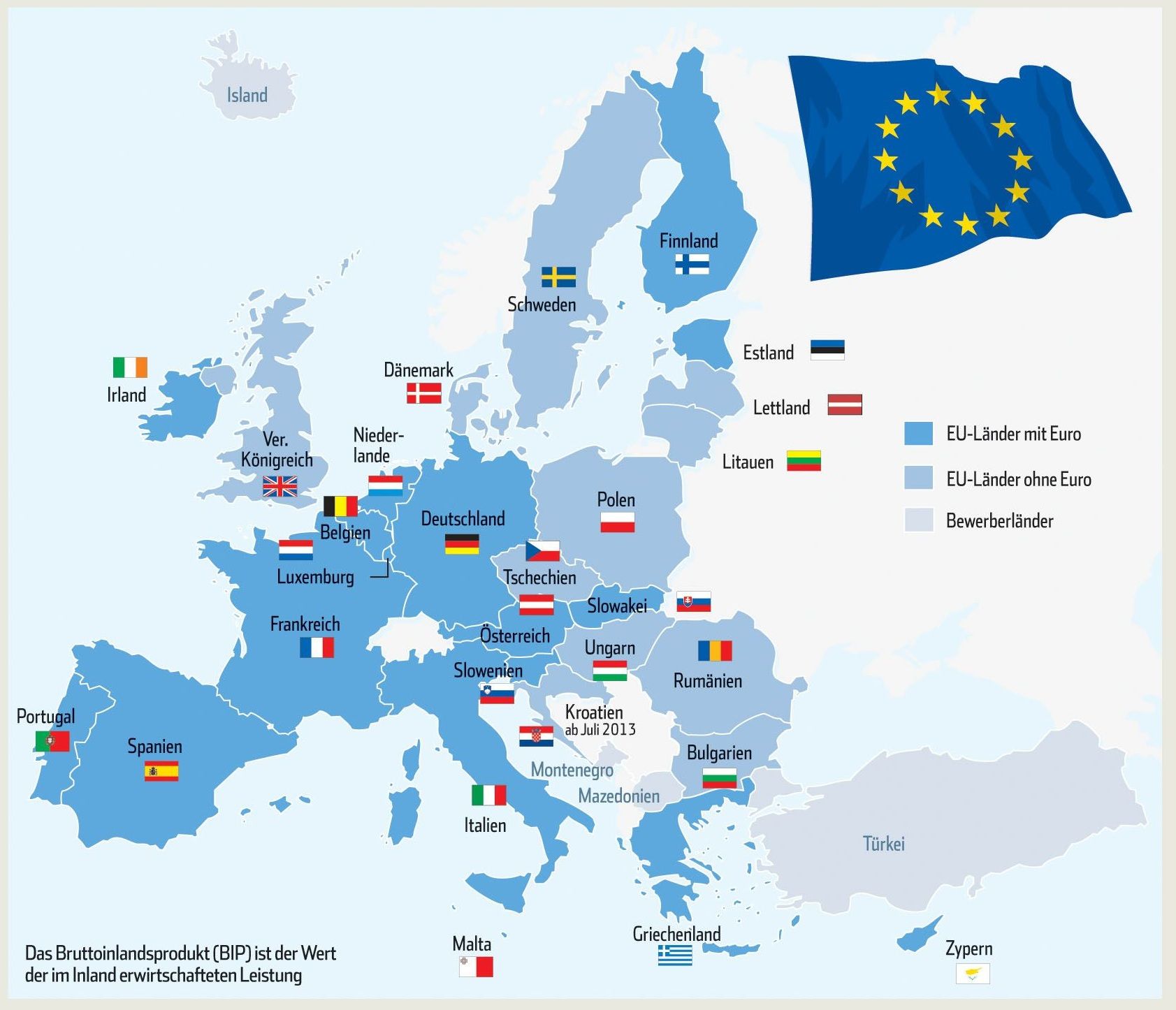
欧洲联盟(英语:European Union;法语:Union européenne;德语:Europäische Union),简称欧盟(英语:EU;法语:UE;德语:EU),是根据1993年生效的《马斯特里赫特条约》(也称《欧洲联盟条约》)所建立的政治经济联盟,现拥有28个成员国,正式官方语言有24种。规范欧盟的条约经过多次修订,目前欧盟的运作方式依照《里斯本条约》。政治上所有成员国均为议会民主国家(2008年《经济学人》民主状态调查);经济上为仅次于以美国为首的北美自由贸易区的世界上第二大经济实体,德国、法国及意大利为欧盟三大核心成员国;军事上绝大多数欧盟成员国均为北大西洋公约组织成员。
欧盟的历史可追溯至1952年建立的欧洲煤钢共同体,当时只有六个成员国。1958年又成立了欧洲经济共同体和欧洲原子能共同体,1967年统合在欧洲各共同体之下,1993年又统合在欧洲联盟之下,欧盟已经渐渐地从贸易实体转变成经济和政治联盟。同时,欧洲经济共同体和后来的欧盟在1973年至2013年期间进行了八次扩大,成员国从6个增至28个。起初推动欧盟建立的动机,是渴望重建二战后损失惨重的欧洲,以及担忧欧洲会再度陷入战争泥潭。
欧盟的主要机构有欧洲委员会(成员国家首脑组成)、欧盟理事会(成员国家部长组成的欧盟的上议院)、欧盟委员会(欧盟的行政机构)、欧洲议会(欧盟的众议院,唯一的直接民选机构)、欧洲法院、欧洲中央银行等。此外,欧洲原子能共同体也在欧洲共同体的管辖范围之内,但在法律上是独立于欧盟的国际组织。
欧元由28个成员国中的19个采纳为流通货币;《申根条约》取消了部分成员国之间的边境管制,目前已有22个欧盟成员国和4个非成员国实施。
目前欧盟的主要议题有英国脱欧、欧盟的扩大、落实《里斯本条约》、全球暖化问题、非欧元区成员国加入欧元区、主权债务危机、移民危机等。
Die Europäische Union (EU) ist ein Verbund von derzeit 28 Mitgliedstaaten. Außerhalb von Europa umfasst die EU auch einige Überseegebiete. Sie hat insgesamt mehr als eine halbe Milliarde Einwohner. Gemessen am Bruttoinlandsprodukt ist der EU-Binnenmarkt der größte gemeinsame Wirtschaftsraum[7] der Erde. Die EU stellt eine eigenständige Rechtspersönlichkeit dar und hat daher Einsichts- und Rederecht bei den Vereinten Nationen.[8] Die verbreitetsten Sprachen in der EU sind Englisch, Deutsch und Französisch. Im Jahre 2012 wurde die Europäische Union mit dem Friedensnobelpreis ausgezeichnet.[9]
Das politische System der EU, das sich im Zuge der europäischen Integration herausgebildet hat, basiert auf dem Vertrag über die Europäische Union und dem Vertrag über die Arbeitsweise der Europäischen Union. Es enthält sowohl überstaatliche als auch zwischenstaatliche Elemente. Während im Europäischen Rat und im Rat der Europäischen Union die einzelnen Staaten mit ihren Regierungen vertreten sind, repräsentiert das Europäische Parlament bei der Rechtsetzung der EU unmittelbar die Unionsbürger. Die Europäische Kommission als Exekutivorgan und der EU-Gerichtshof als Rechtsprechungsinstanz sind ebenfalls überstaatliche Einrichtungen.
Die Anfänge der EU gehen auf die 1950er-Jahre zurück, als zunächst sechs Staaten die Europäische Wirtschaftsgemeinschaft (EWG) gründeten. Eine gezielte wirtschaftliche Verflechtung sollte militärische Konflikte für die Zukunft verhindern und durch den größeren Markt das Wirtschaftswachstum beschleunigen und damit den Wohlstand der Bürger steigern. Im Lauf der folgenden Jahrzehnte traten in mehreren Erweiterungsrunden weitere Staaten den Gemeinschaften (EG) bei. Ab 1985 wurden mit dem Schengener Übereinkommen die Binnengrenzen zwischen den Mitgliedsländern geöffnet. Nach dem Fall des Eisernen Vorhangs beziehungsweise der Auflösung des Ostblockes im Jahr 1989 änderte sich die geopolitische Lage in Europa grundlegend, womit sich Möglichkeiten zur Vertiefung der Integration, aber auch zur Vorbereitung von Erweiterungen im Osten ergaben. Mit dem Vertrag von Maastricht wurde 1992 die Europäische Union gegründet, die damit Zuständigkeiten in nichtwirtschaftlichen Politikbereichen bekam. In mehreren Reformverträgen, zuletzt im Vertrag von Lissabon, wurden die überstaatlichen Zuständigkeiten der EU ausgebaut und die demokratische Verankerung der politischen Entscheidungsprozesse auf Unionsebene nachgebessert, vor allem durch nochmalige Stärkung der Stellung des Europäischen Parlaments. Eine europäische Öffentlichkeit und Identität als Voraussetzung einer supranationalen Volkssouveränität bildet sich indes erst allmählich und nicht ohne Gegenströmungen heraus. Seit den 1980er-Jahren nahm mit den Kompetenzerweiterungen und dem damit einhergehenden Bedeutungsgewinn der EU auch die öffentliche Debatte über die Verfasstheit der EU an Intensität zu; dabei wurden auch EU-skeptische Positionen vermehrt artikuliert. Im Vertrag von Lissabon wurden im Jahr 2007 auch Austrittsszenarien geregelt.
Von den 28 EU-Staaten bilden 19 Staaten eine Wirtschafts- und Währungsunion. Im Jahr 2002 wurde eine gemeinsame Währung für diese Länder, der Euro, eingeführt. Im Rahmen des Raums der Freiheit, der Sicherheit und des Rechts arbeiten die EU-Mitgliedstaaten in der Innen- und Justizpolitik zusammen. Durch die gemeinsame Außen- und Sicherheitspolitik bemühen sie sich um ein gemeinsames Auftreten gegenüber Drittstaaten. Zukunftsbezogenes gemeinsames Handeln ist Gegenstand der Initiative Europa 2020, zu der unter anderem die Digitalpolitik gehört. Die Europäische Union hat Beobachterstatus in der G7, ist Mitglied in der G20 und vertritt ihre Mitgliedstaaten in der Welthandelsorganisation.
Die EU war 2016 der weltweit zweitgrößte Wirtschaftsraum nach nominalem (hinter den USA) sowie kaufkraftbereinigten Bruttoinlandsprodukt (hinter der Volksrepublik China). Als Staatenverbund ist sie der größte Güterproduzent und die größte Handelsmacht der Welt. Die Mitgliedsstaaten haben einen der höchsten Lebensstandards weltweit, wobei es jedoch auch innerhalb der EU deutliche Unterschiede zwischen einzelnen Ländern gibt. Im Index der menschlichen Entwicklung galten 2015 26 der 28 Mitgliedstaaten als „sehr hoch“ entwickelt.
Nach der Osterweiterung in den Jahren 2004 und 2007 ist die Europäische Union infolge der Finanzkrise ab 2007 und durch die Flüchtlingskrise ab 2015 in verschiedenen Mitgliedsstaaten einer zunehmenden EU-Skepsis von Teilen der Bevölkerung ausgesetzt, die sich unter anderem in dem Brexit-Referendum von 2016 niedergeschlagen hat. Unter dem Eindruck der Krisenerscheinungen und der Zunahme von rechtspopulistischen Tendenzen in den Mitgliedstaaten der Union wird die EU-Finalitätsdebatte neuerlich intensiv geführt. Einen auf die nähere Zukunft gerichteten, stark beachteten Reformplan hat der französische Staatspräsident Emmanuel Macron mit seiner Initiative für Europa vorgelegt.
欧州連合の基本条約である欧州連合条約の正文は23言語で作成されており、そのため欧州連合の正式名称は23言語で表記される。略称としては、英語などでの表記の頭文字をとった EU があり、日本語圏においてもこの略称を使うことが多い。ただしフランス語、スペイン語など形容詞を後置する言語では UE という略称が用いられる。またアイルランド語では AE、エストニア語では EL、ラトビア語とリトアニア語では ES、キリル文字を使うブルガリア語では ЕС、ギリシア文字を使うギリシア語では ΕΕ となる。
日本語では、日本における欧州連合の代表機関である駐日欧州連合代表部や日本国政府が欧州連合という名称を使用している。また一部ではヨーロッパ連合という名称も用いる[注 1]。
ただし日本国内において、ソビエト連邦の名称問題のように一部の日本人研究者[1]はUnionに「連合」という訳語を充てることは不適切であると主張している。また欧州議会の最大会派だった欧州社会党も、同日本人研究者の指摘を受けて、日本語表記を「欧州同盟」に変更することに関する質問書を提出したことがあるが[2]、欧州委員会の側は研究社英和辞典の用例や、「連合王国 (United Kingdom)」および「国際連合 (United Nations)」などの例を挙げながら、変更する必要はないと返答した。
The European Union (EU) is a political and economic union of 28 member states that are located primarily in Europe.[13] It has an area of 4,475,757 km2 (1,728,099 sq mi) and an estimated population of over 510 million. The EU has developed an internal single market through a standardised system of laws that apply in all member states in those matters (only) where members have agreed to act as one. EU policies aim to ensure the free movement of people, goods, services and capital within the internal market,[14] enact legislation in justice and home affairs and maintain common policies on trade,[15] agriculture,[16] fisheries and regional development.[17] For travel within the Schengen Area, passport controls have been abolished.[18] A monetary union was established in 1999 and came into full force in 2002 and is composed of 19 EU member states which use the euro currency.
The EU and European citizenship were established when the Maastricht Treaty was enacted in 1993.[19] The EU traces its origins to the European Coal and Steel Community (ECSC) and the European Economic Community (EEC), established, respectively, by the 1951 Treaty of Paris and 1957 Treaty of Rome. The original members of what came to be known as the European Communities were the Inner Six: Belgium, France, Italy, Luxembourg, the Netherlands, and West Germany. The Communities and its successors have grown in size by the accession of new member states and in power by the addition of policy areas to its remit. The latest major amendment to the constitutional basis of the EU, the Treaty of Lisbon, came into force in 2009. While no member state has left the EU or its predecessors, the United Kingdom signified an intention to leave after a membership referendum in June 2016 and is negotiating its withdrawal.
The European Union provides more foreign aid than any other economic union.[20] Covering 7.3% of the world population,[21] the EU in 2017 generated a nominal gross domestic product (GDP) of 19.670 trillion US dollars, constituting approximately 24.6% of global nominal GDP[22] and 16.5% when measured in terms of purchasing power parity.[23] Additionally, 27 out of 28 EU countries have a very high Human Development Index, according to the United Nations Development Programme. In 2012, the EU was awarded the Nobel Peace Prize.[24] Through the Common Foreign and Security Policy, the EU has developed a role in external relations and defence. The union maintains permanent diplomatic missions throughout the world and represents itself at the United Nations, the World Trade Organization, the G7 and the G20. Because of its global influence, the European Union has been described as an emerging superpower.[25]
L'Union européenne (UE)Note 4 est une association politico-économique sui generis de vingt-huit États européens qui délèguent ou transmettent par traité l’exercice de certaines compétences à des organes communautaires5,6. Elle s'étend sur un territoire de 4,5 millions de kilomètres carrés7, est peuplée de plus de 512 millions d'habitants3 et est la deuxième puissance économique mondiale en termes de PIB nominal derrière les États-Unis8,9,10. L’Union européenne est régie par le traité de Maastricht (TUE) et le traité de Rome (TFUE), dans leur version actuelle, depuis le 1er décembre 2009 et l'entrée en vigueur du traité de Lisbonne. Sa structure institutionnelle est en partie supranationale et en partie intergouvernementale : le Parlement européen est élu au suffrage universel direct, tandis que le Conseil européen et le Conseil de l'Union européenne (informellement le « Conseil des ministres ») sont composés de représentants des États membres. Le président de la Commission européenne est pour sa part élu par le Parlement sur proposition du Conseil européen. La Cour de justice de l'Union européenne est chargée de veiller à l'application du droit de l'Union européenne.
La déclaration du 9 mai 1950 de Robert Schuman, alors ministre français des Affaires étrangères, est considérée comme le texte fondateur de la construction européenne. Sous l’impulsion de personnalités politiques surnommées les « pères de l'Europe »11, comme Konrad Adenauer, Jean Monnet et Alcide De Gasperi, six États créent en 1951 la Communauté européenne du charbon et de l'acier. Après l’échec d'une Communauté européenne de défense en 1954, une Communauté économique européenne est instaurée en 1957 par le traité de Rome. La coopération économique est approfondie par l’Acte unique européen en 1986. En 1992, le traité de Maastricht prend la suite de l’Acte unique et institue une union politique qui prend le nom d’Union européenne et qui prévoit la création d'une union économique et monétaire dotée d’une monnaie unique : l’euro. Instituée en 1999, la zone euro compte dix-neuf États en 2017. De nouvelles réformes institutionnelles sont introduites en 1997 et en 2001. À la suite de l’échec d’un projet de constitution européenne après le refus par référendum des peuples français et néerlandais, les institutions sont à nouveau réformées en 2009 par le traité de Lisbonne pour y intégrer les mesures prévues par ce projet de constitution.
Depuis la formation de la CEE, le nombre d'États membres est passé de 6 à 28. Les membres fondateurs de la Communauté économique européenne, en 1957, sont l'AllemagneNote 5, la Belgique, la France, l'Italie, le Luxembourg et les Pays-Bas. Ils sont rejoints en 1973 par trois membres de l'Association européenne de libre-échange : le Danemark, l'Irlande et le Royaume-Uni. L'Union s'élargit vers le sud avec d'abord l'adhésion de la Grèce en 1981, puis celle de l'Espagne et du Portugal en 1986. Entretemps, en 1985, le Groenland a décidé de se retirer en ratifiant le Traité sur le Groenland et a désormais le statut de pays et territoire d'outre-mer associé. Avec la fin de la Guerre froide, la partie orientale de l'Allemagne rejoint la Communauté économique européenne en 1990Note 6. L'Union européenne intègre en 1995 des États neutres : l'Autriche, la Finlande et la Suède. En 2004, dix nouveaux États, en majorité issus du bloc de l'Est, s'ajoutent aux quinze déjà membres : Chypre, l'Estonie, la Hongrie, la Lettonie, la Lituanie, Malte, la Pologne, la Slovaquie, la Slovénie et République tchèque. Deux États supplémentaires, la Bulgarie et la Roumanie, complètent en 2007 ce cinquième élargissement, Enfin, en 2013, la Croatie rejoint l'Union12. Le 23 juin 2016, les citoyens britanniques votent en majorité pour la sortie du Royaume-Uni de l'Union européenne dans le cadre d'un référendum. La procédure de retrait est enclenchée le 29 mars 2017 par l'activation de l'article 50 du traité sur l'Union européenne.
Le 12 octobre 2012, le prix Nobel de la paix est attribué à l'Union européenne pour « sa contribution à la promotion de la paix, la réconciliation, la démocratie et les droits de l'Homme en Europe »13.
L'Unione europea (abbreviata in UE o Ue, pron. /ˈue/[12]) è un'organizzazione internazionale politica ed economica a carattere sovranazionale, che comprende 28 paesi membri indipendenti e democratici. La sua formazione risale al trattato di Roma del 25 marzo 1957, la denominazione attuale al trattato di Maastricht del 7 febbraio 1992 (entrato in vigore il 1º novembre 1993), e l'istituzione ufficiale al 2002 con l'avvento della valuta unica ed il successivo trattato di Lisbona, dopo un lungo percorso intrapreso dalle Comunità europee precedentemente esistenti e attraverso la stipulazione di numerosi trattati, che hanno contribuito al processo di integrazione europea.
Questa garantisce la libera circolazione di persone, merci, servizi e capitali all'interno del suo territorio attraverso un mercato europeo comune e la cittadinanza dell'Unione europea, promuove la pace, i valori e il benessere dei suoi popoli, lotta contro l'esclusione sociale e la discriminazione, favorisce il progresso scientifico e tecnologico e mira alla stabilità politica, alla crescita economica e alla coesione sociale e territoriale tra gli stati membri[13], cercando di attenuare le differenze socio-economiche tra i vari stati membri e incrementarne il benessere socio-economico.
Le competenze dell'Unione europea spaziano dalle politiche economiche (agricoltura e commercio) agli affari esteri, alla difesa e alla protezione ambientale, con una politica agraria comune, una politica estera comune e la presenza di fondi strutturali per il raggiungimento degli obiettivi socio-economici preposti. In alcuni di questi campi tali funzioni la rendono dunque simile a una federazione di stati (per es. per quanto riguarda gli affari monetari o le politiche ambientali), mentre in altri settori l'Unione è più vicina a una confederazione (mancando di una Costituzione, ordinamento giuridico, politica interna e politica industriale comuni) o a un'organizzazione politica sovranazionale (come per la politica estera).
Le politiche di unione economica e monetaria dell'Unione europea hanno portato nel 2002 all'introduzione di una moneta unica, l'euro, attualmente adottato da 19 stati dell'Unione, che formano la cosiddetta eurozona, con una politica monetaria comune regolata dalla Banca centrale europea (BCE).
Il 12 ottobre 2012 è stata insignita del premio Nobel per la pace, con la seguente motivazione: «per oltre sei decenni ha contribuito all'avanzamento della pace e della riconciliazione, della democrazia e dei diritti umani in Europa».[14]
La Unión Europea (UE) es una comunidad política de derecho constituida en régimen sui géneris de organización internacional nacida para propiciar y acoger la integración y gobernanza en común de los Estados y los pueblos de Europa. Está compuesta por veintiocho Estados europeos y fue establecida con la entrada en vigor del Tratado de la Unión Europea (TUE) el 1 de noviembre de 1993.6
Con ese acto, la supraestructura «Unión Europea» aunaba y se fundaba sobre las tres Comunidades Europeas preexistentes —la Comunidad Europea del Carbón y del Acero (CECA), la Comunidad Europea de la Energía Atómica (Euratom) y la Comunidad Económica Europea (CEE/CE)— y les añadía la política exterior común y la cooperación judicial y policial, formando un sistema complejo conocido como «los tres pilares». Sin embargo, con la entrada en vigor el 1 de diciembre de 2009 del Tratado de Lisboa, la Unión Europea sucedió, por completo aunque con ciertas particularidades, a las Comunidades Europeas y asumió con ello su personalidad jurídica única como sujeto de derecho internacional.7
La Unión Europea ha desarrollado un sistema jurídico y político, el comunitario europeo, único en el mundo, que se rige por mecanismos y procedimientos de funcionamiento interno complejos, que se han extendido y evolucionado a lo largo de su historia hasta conformar, en la actualidad, un sistema híbrido de gobierno transnacional difícilmente homologable que combina elementos próximos a la cooperación multilateral, si bien fuertemente estructurada e institucionalizada, con otros de vocación netamente supranacional, regidos ambos por una dinámica de integración regional muy acentuada.
Todo esto desemboca en una peculiarísima comunidad de Derecho, cuya naturaleza jurídica y política es muy discutida, si bien sus elementos fundacionales y su evolución histórica, todavía abierta, apuntan, en el presente, a una especial forma de moderna confederación o gobernanza supranacional, acusadamente institucionalizada y con una inspiración histórico-política de vocación federal —en el sentido de un federalismo internacional nuevo, no de un Estado federal clásico— que se detecta con cierta claridad en ámbitos como la ciudadanía europea, los principios de primacía y efecto directo que le son aplicables a su ordenamiento jurídico en relación con los ordenamientos nacionales, el sistema jurisdiccional o la unión monetaria (el sistema del euro).
La Unión Europea, y antes las Comunidades, promueve la integración continental por medio de políticas comunes que abarcan distintos ámbitos de actuación, en su origen esencialmente económicos y progresivamente extendidos a ámbitos indudablemente políticos.8 Para alcanzar sus objetivos comunes, los estados de la Unión le atribuyen a esta determinadas competencias, ejerciendo una soberanía en común o compartida que se despliega a través de los cauces comunitarios.
La Unión Europea se rige por un sistema interno en régimen de democracia representativa.9 Sus instituciones son siete: el Parlamento Europeo, el Consejo Europeo, el Consejo, la Comisión Europea, el Tribunal de Justicia de la Unión Europea, el Tribunal de Cuentas y el Banco Central Europeo. El Consejo Europeo ejerce funciones de orientación política general y de representación exterior, y nombra a los jefes de las altas instituciones constitucionales; el Parlamento Europeo y el Consejo ejercen la potestad legislativa en igualdad de condiciones, tomando decisiones conjuntas —a excepción de los procedimientos legislativos especiales, donde el Parlamento desempeña un papel meramente consultivo—;1011 la Comisión o Colegio de Comisarios aplica el Derecho de la Unión, supervisa su cumplimiento y ejecuta sus políticas, y a ella corresponde en exclusiva la iniciativa legislativa ante el Parlamento y la Comisión;11 el Tribunal de Justicia ejerce las labores jurisdiccionales supremas en el sistema jurídico comunitario; el Tribunal de Cuentas supervisa y controla el buen funcionamiento y la adecuada administración de las finanzas y de los fondos comunitarios; y el Banco Central Europeo dirige y aplica la política monetaria única de la zona euro.
La Unión cuenta también con otros órganos, instancias y organismos de funciones y atribuciones diversas, como el Comité Económico y Social, el Comité de las Regiones, el Defensor del Pueblo Europeo, el Alto Representante de la Unión para Asuntos Exteriores y Política de Seguridad, entre otros.
En 2012 la Unión Europea ganó el Nobel de la Paz, que fue otorgado por unanimidad de todos los miembros del jurado, «por su contribución durante seis décadas al avance de la paz y la reconciliación, la democracia, y los derechos humanos en Europa».1213 En 2017 fue galardonada con el Premio Princesa de Asturias de la Concordia por lograr «el más largo período de paz de la Europa moderna, colaborando a la implantación y difusión en el mundo de valores como la libertad, los derechos humanos, y la solidaridad».14
Desde 2016, la Unión encara la inminente salida del Reino Unido, lo que ha precipitado, según las propias instituciones europeas, un proceso de refundación.15
Европе́йский сою́з (Евросою́з, ЕС) — экономическое и политическое объединение 28 европейских государств[8].
Нацеленный на региональную интеграцию, союз был юридически закреплён Маастрихтским договором в 1992 году (вступившим в силу 1 ноября 1993 года) на принципах Европейских сообществ[9].
С пятьюстами миллионами жителей[4] доля ЕС как целого в мировом валовом внутреннем продукте составляла в 2018 году около 23 % (21,6 трлн долларов) по паритету покупательной способности и около 19 % (16,1 трлн долларов) — по номинальному значению[5].
С помощью стандартизированной системы законов, действующих во всех странах союза, был создан общий рынок[10], гарантирующий свободное движение людей, товаров, капитала и услуг[11], включая отмену паспортного контроля в пределах Шенгенской зоны, в которую входят как страны-члены, так и другие европейские государства[12].
Союз принимает законы (директивы, законодательные акты и постановления) в сфере правосудия и внутренних дел, а также вырабатывает общую политику в области торговли[13], сельского хозяйства, рыболовства[14] и регионального развития[15].
Девятнадцать стран Союза ввели в обращение единую валюту, евро, образовав еврозону.
Будучи субъектом международного публичного права, Союз имеет полномочия на участие в международных отношениях и заключение международных договоров[16]. Сформирована общая внешняя политика и политика безопасности, предусматривающая проведение согласованной внешней и оборонной политики. По всему миру учреждены постоянные дипломатические миссии ЕС, действуют представительства в Организации Объединённых Наций, ВТО, Большой семёрке и Группе двадцати. Делегации ЕС возглавляются послами ЕС.
ЕС — международное образование, сочетающее признаки международной организации (межгосударственность) и государства (надгосударственность)[17][18], однако формально он не является ни тем, ни другим. В определённых областях решения принимаются независимыми наднациональными институтами, а в других — осуществляются посредством переговоров между государствами-членами.
Институты ЕС включают в себя Европейский совет, Европейскую комиссию (правительство), Совет Европейского союза (официальное название — Совет, обычно упоминается как Совет министров), Суд Европейского союза, Европейскую счётную палату, Европейский центральный банк и Европейский парламент. Европейский парламент избирается каждые пять лет гражданами ЕС. В 2012 году Европейскому союзу присуждена Нобелевская премия мира[19]. В 2017 году ЕС присуждена Премия принцессы Астурийской[20].

欧洲人民党(英语:European People's Party,缩写为EPP)成立于1976年,是欧盟最大的跨国中间偏右政党。欧洲人民党结合了欧洲的中间偏右基督教民主党与保守党。目前欧洲人民党是欧洲议会的第一大党。
Die Europäische Volkspartei (EVP; französisch Parti populaire européen, PPE, englisch European People’s Party, EPP) ist eine europäische politische Partei, die sich aus christlich-demokratischen und bürgerlich-konservativen bis hin zu nationalkonservativ-rechtspopulistischen Mitgliedsparteien in der Europäischen Union zusammensetzt. Daneben gehören Parteien aus nicht-EU-Ländern der EVP als assoziierte oder beobachtende Mitglieder an. Aus dem deutschen Sprachbereich sind die CDU und die CSU aus Deutschland, die ÖVP aus Österreich, die CSV aus Luxemburg sowie die CSP aus Belgien Mitglieder der EVP; die Schweizer CVP ist assoziiertes Mitglied und die Südtiroler Volkspartei hat Beobachterstatus.
Die EVP wurde 1976 von hauptsächlich christlich-demokratischen Parteien gegründet. Sie hat die Form einer internationalen Vereinigung ohne Gewinnerzielungsabsicht belgischen Rechts. Die EVP ist eine von drei europäischen Regionalabteilungen der Internationalen Demokratischen Union (IDU).
Im Europäischen Parlament stellt die EVP mit der Fraktion der Europäischen Volkspartei (Christdemokraten) die seit 1999 größte Fraktion. Derzeit gehören 216 Abgeordnete der EVP-Fraktion an, darunter auch einige, die nicht der EVP angehören (Stand: 30. Mai 2019[1]). Daneben bestehen auch EVP-Fraktionen im Ausschuss der Regionen der EU sowie in den parlamentarischen Versammlungen in anderen transnationalen Organisationen wie dem Europarat, der OSZE oder der NATO. In der Legislaturperiode 2014–2019 stellt die EVP 14 Mitglieder der Europäischen Kommission (einschließlich des Kommissionspräsidenten) und den Präsidenten des Europäischen Rates.
欧州人民党(おうしゅうじんみんとう、EPP)は、1976年創設の欧州規模の政党。欧州議会では欧州人民党に参加する各国内政党のほか、中道右派やキリスト教民主主義系の無所属議員で会派「欧州人民党グループ」を形成している。欧州人民党には、欧州諸国中40か国の保守主義政党およびキリスト教民主主義政党のうち、74の政党が加盟している。
現在の党議長は、ベルギー元首相のウィルフリート・マルテンス。2006年のローマ大会で再選された。任期は3年。ローマ大会では、副議長として、ミシェル・バルニエ(フランス、国民運動連合)、ユルキ・カタイネン(フィンランド、国民連合党)、ロイゼ・ペテルレ(スロベニア、スロベニア人民党)、オルバン・ヴィクトル(ヴィクトル・オルバン、ハンガリー、フィデス=ハンガリー市民同盟)、ペーター・ヒンツェ(ドイツ、キリスト教社会同盟)、Enda Kenny(アイルランド、フィネ・ゲール)、ヤツェク・サリウシュ=ヴォルスキ(ポーランド、市民プラットフォーム)が選出された。
The European People's Party (EPP) is a European political party with conservative[6] and liberal-conservative[2] member parties. A transnational organisation, it is composed of other political parties, not individuals. Founded by primarily Christian democratic parties in 1976, it has since broadened its membership to include liberal-conservative parties and parties with other centre-right political perspectives.[7][8][9][10]
The EPP has been the largest party in the European Parliament since 1999 and in the European Council since 2002. It is also by far the largest party in the current European Commission. The President of the European Council, President of the European Commission and the President of the European Parliament are all from the EPP. Many of the Founding fathers of the European Union were also from parties that later formed the EPP. Outside the EU the party also controls a majority in the Parliamentary Assembly of the Council of Europe. The EPP has alternated with its centre-left rival the Party of European Socialists (PES) as the largest European political party and parliamentary group.
The EPP includes major centre-right parties such as the CDU/CSU of Germany, The Republicans of France, CD&V of Belgium, KDU-ČSL of the Czech Republic, Fine Gael of Ireland, New Democracy of Greece, Forza Italia of Italy, the People's Party (PP) of Spain, the Social Democratic Party of Portugal, the Civic Platform of Poland but also Fidesz of Hungary.
Le Parti populaire européen (PPE/EPP) est un parti politique européen, regroupant à l'échelle du continent un ensemble de partis de droite et de centre droit d'inspiration démocrate chrétienne et libérale-conservatrice, disposant d'un groupe au Parlement européen et à l'Assemblée parlementaire du Conseil de l'Europe.
Fondé en 1976, le PPE compte plus de 70 partis membres de 40 pays différents, de nombreux chefs d'État et de gouvernement provenant de pays membres de l'Union européenne, treize membres de la Commission européenne, dont le président du Conseil européen, ainsi que le groupe le plus important au sein du Parlement européen. Le PPE se décrit comme « une famille se situant au centre droit de l'échiquier politique, dont les racines puisent dans l'histoire et la civilisation du continent européen et qui a, dès l'origine, œuvré pour le projet européen ».
Il Partito Popolare Europeo (acronimo PPE) è un partito politico europeo. È la famiglia politica europeista di centro e di centro-destra che raccoglie le forze generalmente classificabili come moderate, cristiano-democratiche e conservatrici.
Oltre ad essere il maggiore partito rappresentato in ciascuna delle istituzioni dell'Unione europea ed anche il più ampio del Consiglio d'Europa, è il più influente dei partiti europei ed è il più grande gruppo politico nel Parlamento europeo con 216 eurodeputati. Attualmente tutte e tre le cariche rappresentative dell'Unione Europea (il presidente del Consiglio europeo, il Presidente della Commissione europea ed il presidente del Parlamento Europeo) sono rappresentate da esponenti del PPE.
Fondato nel 1976 da partiti cristiano-democratici, ispiratisi all'azione degli statisti europeisti De Gasperi, Adenauer e Schumann nel secondo dopoguerra, successivamente ha visto l'adesione anche di soggetti appartenenti all'area di centro-destra. Tuttavia i partiti membri hanno collocazioni politiche diverse nei singoli Paesi (nella maggior parte dei casi alternative alla sinistra, ma in altri casi alleati di governo con partiti di centrosinistra, in altri ancora distinti sia dalla sinistra che dalla destra).
Il PPE raggruppa 73 partiti membri provenienti da 39 Paesi, di cui 27 sono membri dell'UE. Fra questi ritroviamo vari partiti importanti come IR in Francia, la CDU in Germania, FI in Italia, PO in Polonia ed il PP in Spagna.
È il primo partito nel Parlamento europeo dal 1999, nel Consiglio europeo dal 2002 e nell'attuale Commissione europea. Alcuni dei padri fondatori dell'Unione europea appartenevano a partiti che sono successivamente entrati a far parte del PPE.
El Partido Popular Europeo (en inglés European People's Party, abreviado EPP) es un partido político europeo de centroderecha y proeuropeo. Fue fundado en 1976 por partidos demócrata-cristianos, pero posteriormente ha ampliado su composición para incluir a conservadores y otras perspectivas de centroderecha.13
El PPE es el principal partido de la Unión Europea (UE), con más de 200 diputados en el Parlamento Europeo, todos ellos presentes en el Grupo del Partido Popular Europeo. Además cuenta con 14 miembros de la Comisión Europea, incluido el presidente Jean-Claude Juncker, y 7 en el Consejo Europeo, además de su presidente.456
Con 75 partidos repartidos en 40 países de Europa, controla 10 estados de todo el continente y cuenta con el mayor grupo de la Asamblea Parlamentaria del Consejo de Europa, con más de 190 miembros en el Grupo del Partido Popular Europeo.78
El PPE incluye partidos tan importantes como la Unión Demócrata Cristiana de Alemania, Los Republicanos de Francia o el Partido Popular de España, y cuenta con miembros en todos los estados miembros de la Unión Europea salvo el Reino Unido.2
Европе́йская наро́дная па́ртия (ЕНП) — правоцентристская общеевропейская политическая партия, основанная в 1976 году. Включает в себя христианско-демократические и консервативные партии стран Европы.
ЕНП — одна из крупнейших партий Европы, представленная во всех политических институтах Европейского союза, а также в Совете Европы. Партия включает в себя 73 коллективных члена, национальные партии из 39 стран.
Согласно их странице в Интернете ЕНП это «объединение политического центра, чьи корни лежат в глубинах истории европейской цивилизации. Она объединяет национальные партии с близкой идеологией в государствах-членах и ассоциированных членах ЕС, а также поддерживает близкие контакты со странами — возможными кандидатами».
ЕНП включает в себя 16 глав правительств стран — членов Европейского союза и 6 глав правительств стран, не входящих в ЕС, также 13 членов Европейской комиссии (в том числе председателя Комиссии), председателя Европейского совета, председателя Европейского парламента и крупнейшую фракцию в Европейском парламенте, которая состоит из 265 членов. С 2013 года президентом EPP является депутат Европарламента Жозеф Доль.
Европейская народная партия имеет молодёжное отделение, Молодёжь Европейской народной партии (англ. YEPP). Европейские студенты-демократы (англ. EDS) — группа студенческих политических партий, ассоциированная с ЕНП.
Germany
European Union
European Central Bank,ECB
Jean-Claude Trichet
European Central Bank,ECB
Mario Draghi
European Central Bank,ECB
Wim Duisenberg
European Central Bank,ECB
Christine Lagarde
 Financial
*Germany economic data
Financial
Central bank
Financial
*France economic data
Financial
*Italy economic data
Financial
*Brazil economic data
Financial
*China economic data
Financial
*India economic data
Financial
*Indonesia economic data
Financial
*Japan economic data
Financial
*Canada economic data
Financial
*Russia economic data
Financial
*United States economic data
Financial
*United Kingdom economic data
Financial
*European Union economic data
Financial
***Key regulatory authorities
Financial
*Germany economic data
Financial
Central bank
Financial
*France economic data
Financial
*Italy economic data
Financial
*Brazil economic data
Financial
*China economic data
Financial
*India economic data
Financial
*Indonesia economic data
Financial
*Japan economic data
Financial
*Canada economic data
Financial
*Russia economic data
Financial
*United States economic data
Financial
*United Kingdom economic data
Financial
*European Union economic data
Financial
***Key regulatory authorities
 Hessen
Party and government
Hessen
Party and government
 Companies
Economy and trade
Economic and political research
Companies
Economy and trade
Economic and political research

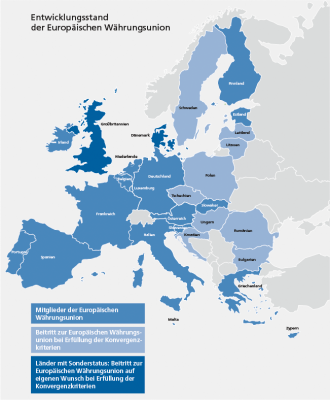

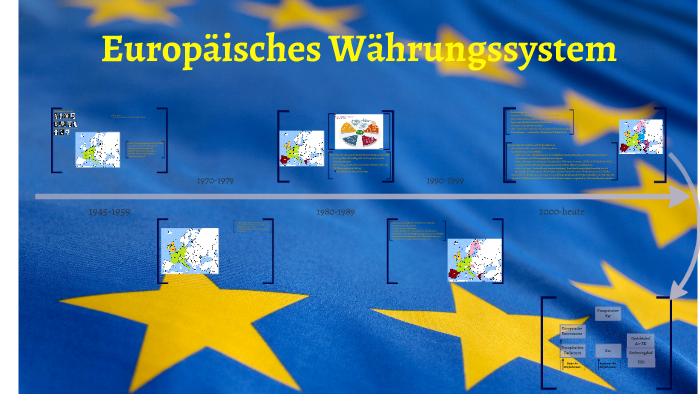
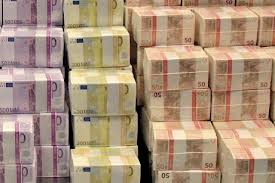
Die Europäische Zentralbank (EZB; englisch European Central Bank, ECB; französisch Banque centrale européenne, BCE) mit Sitz in Frankfurt am Main ist ein Organ der Europäischen Union. Sie ist die 1998 gegründete gemeinsame Währungsbehörde der Mitgliedstaaten der Europäischen Währungsunion und bildet mit den nationalen Zentralbanken (NZB) der EU-Staaten das Europäische System der Zentralbanken (ESZB).
Die Arbeit und die Aufgaben der EZB wurden erstmals im Vertrag von Maastricht 1992 festgelegt; seit dem Vertrag von Lissabon 2007 besitzt sie formal den Status eines EU-Organs (Art. 13 EU-Vertrag). Die wichtigsten Bestimmungen zu ihrer Funktionsweise finden sich in Art. 282 ff. AEU-Vertrag; ihre Satzung ist dem Vertrag als Protokoll Nr. 4 angehängt. Im November 2014 wurde die EZB zusätzlich mit der Aufsicht systemrelevanter Banken im Euro-Raum unter dem einheitlichen Bankenaufsichtsmechanismus (SSM) betraut. Die EZB ist eine supranationale Institution mit eigener Rechtspersönlichkeit.
Von 1998 bis 2014 war der Frankfurter Eurotower Sitz der Europäischen Zentralbank. Im November 2014 wurde der Sitz in den Neubau der Europäischen Zentralbank verlegt. Dieser wurde am 18. März 2015 unter Protesten, die von schweren Ausschreitungen begleitet waren, nach vier Jahren Bauzeit im Frankfurter Stadtteil Ostend eröffnet.
欧洲中央银行(法语:Banque Centrale Européenne;德语:Europäische Zentralbank;英语:European Central Bank),简称欧洲央行,为欧盟欧元区的中央银行,负责欧元区的金融及货币政策,总部位于德国法兰克福,成立于1998年6月1日。欧洲中央银行由其董事会负责管理,设有董事会主席,并设有理事会,包括董事会的成员及各欧洲国家各自的中央银行代表。