
Deutsch-Chinesische Enzyklopädie, 德汉百科
 Religion
 Architektur

 Geschichte
 Weltkulturerbe
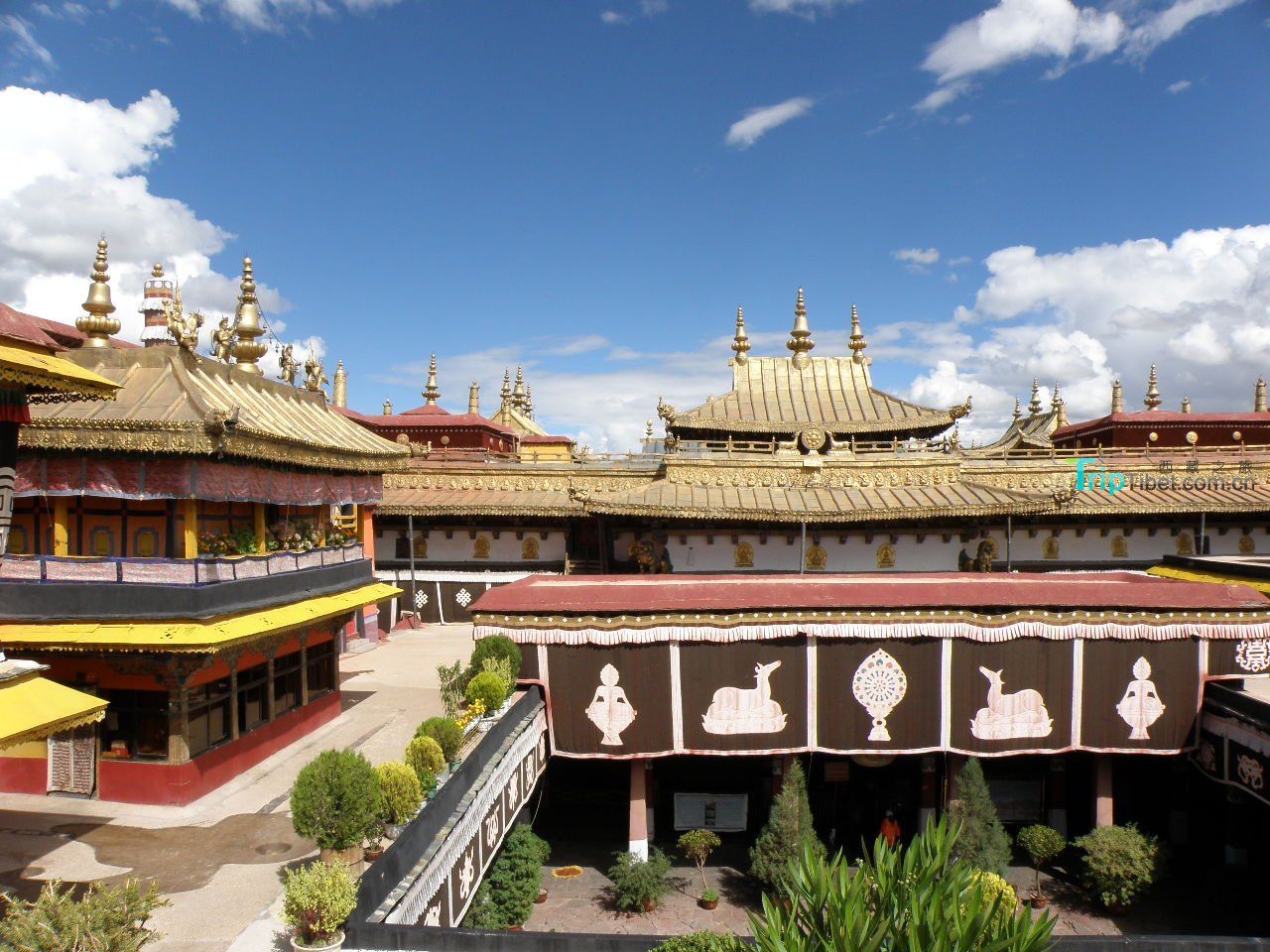
大昭寺,又名“祖拉康”、“觉康”(藏语意为佛殿),位于拉萨老城区中心,是一座藏传佛教寺院,是藏王松赞干布建造,拉萨之所以有“圣地”之誉, 与这座佛像有关。寺庙最初称“惹萨”,后来惹萨又成为这座城市的名称,并演化成当下的“拉萨”。大昭寺建成后,经过元、明、清历朝屡加修改扩建,才形成了现今的规模。
大昭寺(藏语:ཇོ་ཁང་,藏语拼音:Qokang,威利:jo khang)是位于中国西藏自治区拉萨市中心的一座藏传佛教寺院,该寺院在藏传佛教中拥有至高无上的地位。2000年,大昭寺作为布达拉宫的扩展项目被列为世界文化遗产。 大昭寺始建于七世纪吐蕃王朝的鼎盛时期,建造的目的据传说是为了供奉一尊不动金刚佛像,即释迦牟尼八岁等身像,该佛像据传是当时的吐蕃赞普松赞干布迎娶的尼泊尔尺尊公主从家乡带去的[1][2]。据说当地原为一座湖泊,但在松赞干布的努力之下,将它填平建为寺院。
之后寺院经历代扩建,目前占地25100余平方米。
值得一提的是,现在大昭寺内供奉的是唐朝文成公主带去的释迦牟尼十二岁等身像,而八岁等身像于八世纪被转供奉在小昭寺,后毁于文化大革命。在大昭寺的泥制大佛之中,安放了尺尊公主带至西藏的木制释迦牟尼佛像,相传松赞干布化身为光芒,进入佛像之中。
由于默朗钦莫及其政教合一的传统,大昭寺在文化大革命期间成为“破四旧”的目标。1966年,红卫兵攻击大昭寺,摧毁了许多佛像[3][4]。一楼松赞干布所建的观音像在文革时被扔到大街上,藏人偷偷保存其愤怒与慈悲的头像各一,后来辗转流传到印度达兰萨拉献给达赖喇嘛,成为楚拉康寺(Tsug Lagkhang)此像复制品的一部分。[5][6]大昭寺成为屠猪场,西藏人被禁止进入膜拜,直至1972年,开始重建大昭寺,1980年完成重建工程。
Der Jokhang[1] ist das bedeutendste Heiligtum innerhalb des Lhasa Tsuglagkhang und liegt inmitten der Altstadt von Lhasa, der Hauptstadt des Autonomen Gebiets Tibet der Volksrepublik China. Für die Tibeter bildet er eine Art Zentralheiligtum, zu dem man nach Möglichkeit mindestens einmal im Leben gepilgert sein sollte.
Der Legende nach wurde der Jokhang im Jahre 639 von König Songtsen Gampos nepalesischer Gemahlin, der Prinzessin Bhrikuti (tib.: khri btsun) errichtet, nachdem der ehemals an dieser Stelle gelegene Milchsee (tib. ’o thang gi mtsho) mit Hilfe der Divination von Songtsen Gampos chinesischer Gemahlin Wen Cheng trockengelegt worden war. Der zwischen 642 und 653 fertiggestellte Bau wurde von den in Begleitung Bhrikutis in das Schneeland gekommenen nepalesischen Künstlern vollendet. Ursprünglich dürfte es sich um ein relativ kleines Gebäude gehandelt haben. Indem die Anlage des Jokhang später – vermutlich insbesondere zur Zeit Tsongkhapas (1357–1419) – um zahlreiche Nebengebäude und weitere Stockwerke erweitert wurde, erhielt sie den Namen Lhasa Tsuglagkhang. Die Gesamtanlage besaß damit eine Fläche von etwa 21.500 m².[2] und bildete von dieser Zeit an die Stätte zur Abhaltung des „Großen Gebetes“ des sogenannten Mönlam Chenmo (tib.: smon lam chen mo).
Während des Aufstandes von 1959 achtete die Volksbefreiungsarmee peinlich darauf, den Tempel nicht zu beschädigen, doch während der Kulturrevolution von 1966 bis 1976 wurde der Jokhang unter Beteiligung der Bevölkerung von Lhasa geplündert und schließlich als Hauptquartier der Roten Garden sowie als Gästehaus und Filmtheater genutzt.[3]
Im Jahr 1981 wurde der Jokhang unter nationalen Denkmalschutz gestellt. Im Jahr 2000 wurde er zusammen mit dem Potala-Palast als „Historisches Ensemble Potala-Palast in Lhasa“ zum UNESCO-Weltkulturerbe erklärt. 2001 kam noch der Norbulingka dazu.
トゥルナン寺(トゥルナンじ)は、中華人民共和国チベット自治区の首府ラサにあるチベット仏教の寺院である[1]。中国名は大昭寺。一般的には本堂に相当する部分の名称であるジョカンと呼ばれることが多い。また、本堂という意味のツクラカンをつけて、トゥルナン・ツクラカンと呼ばれることもある。
正門前では、五体投地で祈る熱心なチベット仏教徒を多く見ることができる。
内部には多くのマニ車を備えた回廊があり、コルラすることが出来る。
本尊は、ソンツェン・ガンポに嫁した唐の玄宗皇帝の娘、文成公主が中国から持参したとされる釈迦牟尼像である。
The Jokhang (Tibetan: ཇོ་ཁང།, Chinese: 大昭寺), also known as the Qoikang Monastery, Jokang, Jokhang Temple, Jokhang Monastery and Zuglagkang (Tibetan: གཙུག་ལག་ཁང༌།, Wylie: gtsug-lag-khang, ZYPY: Zuglagkang or Tsuklakang), is a Buddhist temple in Barkhor Square in Lhasa, the capital city of Tibet. Tibetans, in general, consider this temple as the most sacred and important temple in Tibet. The temple is currently maintained by the Gelug school, but they accept worshipers from all sects of Buddhism. The temple's architectural style is a mixture of Indian vihara design, Tibetan and Nepalese design.
The Jokhang was founded during the reign of King Songtsen Gampo. According to tradition, the temple was built for the king's two brides: Princess Wencheng of the Chinese Tang dynasty and Princess Bhrikuti of Nepal. Both are said to have brought important Buddhist statues and images from China and Nepal to Tibet, which were housed here, as part of their dowries. The oldest part of the temple was built in 652. Over the next 900 years, the temple was enlarged several times with the last renovation done in 1610 by the Fifth Dalai Lama. Following the death of Gampo, the image in Ramcho Lake temple was moved to the Jokhang temple for security reasons. When King Tresang Detsen ruled from 755 to 797, the Buddha image of the Jokhang temple was hidden, as the king's minister was hostile to the spread of Buddhism in Tibet. During the late ninth and early tenth centuries, the Jokhang and Ramoche temples were said to have been used as stables. In 1049 Atisha, a renowned teacher of Buddhism from Bengal taught in Jokhang.
Around the 14th century, the temple was associated with the Vajrasana in India. In the 18th century the Qianlong Emperor of the Qing dynasty, following the Gorkha-Tibetan war in 1792, did not allow the Nepalese to visit this temple and it became an exclusive place of worship for the Tibetans. During the Chinese development of Lhasa, the Barkhor Square in front of the temple was encroached. During the Cultural Revolution, Red Guards attacked the Jokhang temple in 1966 and for a decade there was no worship. Renovation of the Jokhang took place from 1972 to 1980. In 2000, the Jokhang became a UNESCO World Heritage Site as an extension of the Potala Palace (a World Heritage Site since 1994). Many Nepalese artists have worked on the temple's design and construction.
Le temple ou monastère du Jokhang (tibétain : ཇོ་ཁང་, Wylie : jo khang), signifiant « maison du Jowo » en référence à la célèbre statue qu'il abrite, aussi appelé Tsuklakang, est le premier temple bouddhiste construit au Tibet. Cœur spirituel de Lhassa et lieu de pèlerinage depuis des siècles, il est situé dans le quartier du Barkhor.
Depuis 2000, le Jokhang est inscrit au patrimoine mondial de l'UNESCO dans le cadre de l'« ensemble historique du palais du Potala », et il est un des hauts-lieux touristiques de Lhassa avec le palais du Potala et le parc du Norbulingka.
Jokhang è il tempio buddista più importante di Lhasa. Il luogo è ricco di arte tipica del Tibet.
El templo de Jokhang o monasterio de Jokhang es el más famoso de los templos budistas de Lhasa en el Tíbet. Es el centro espiritual de la ciudad y tal vez su atracción turística más famosa. Está considerado por la Unesco como Patrimonio de la Humanidad junto con el Palacio de Potala y el Palacio Norbulingka.
El templo fue construido por el rey Songtsen Gampo, probablemente en 642. En origen su nombre fue Rasa Tulnang Tsuklakang. Tanto Bhirututi como Wencheng, las esposas nepalí y china del rey, aportaron como dote numerosas imágenes budistas que fueron instaladas en este templo. Jochan, junto con el templo de Ramoche, es uno de los primeros construidos en la ciudad así como uno de los más venerados ya que alberga una imagen de Jowo, el joven Buda que se dice fue esculpida en vida de Siddhārtha Gautama.
Se trata de una construcción de cuatro pisos, con tejados cubiertos con azulejos de bronce dorado. El estilo arquitectónico está basado en el diseño vihara de la India que más tarde se transformó en una mezcla entre el estilo nepalí y el de la dinastía Tang. En el tejado se encuentra unas estatuas de dos ciervos dorados que flanquean una rueda de dharma.
El complejo del templo tiene numerosos altares y habitaciones decoradas. La sala principal de los edificios del templo alberga la estatua de Jowo. También hay estatuas del rey Songtsan Gambo así como de sus dos esposas. Durante la revolución cultural se destruyeron numerosas de estas esculturas que se han reconstruido utilizando en algunos casos partes rotas de las estatuas originales.
Frente al templo se encuentra una zona cerrada que contiene algunos sauces llamados Jowo Utra (cabello del Jowo) así como un pilar erigido por los chinos en 1793 durante una epidemia de viruela. En él está grabado el tratado sino-tibetano firmado en 822, hecho cumplir por el emperador Ralpacan. El texto incluye algunas medidas de higiene para prevenir la infección de viruela.1
Джоканг (тиб. ཇོ་ཁང, Вайли Jo-khang; кит. упр. 大昭寺, пиньинь: Dàzhāosì) в городе Лхасе в Тибете — буддийский храм и монастырь, особо почитаемый тибетцами. Сюда сходятся многочисленные паломники и зарубежные туристы. Как часть общего комплекса храмов в Лхасе, является охраняемым объектом Всемирного Наследия ЮНЕСКО.
Джоканг начал строить царь Тибета Сонгцен Гампо в 639 году. Китайская принцесса Вэньчэн исследовала местность с помощью геомантии (фэншуй)[1]. На месте храма располагалось тогда небольшое озеро. Принцесса отождествила местность с телом огромной демоницы, озеро — с её гениталиями, а сердце — c тем местом, где сейчас находится храм Потала. Царь приказал осушить озеро и построить храм, а вокруг воздвигнуть ступы и монастыри, чтобы пригвоздить демоницу к земле и обезвредить.

Jongmyo ist ein konfuzianischer Schrein in der koreanischen Hauptstadt Seoul. Er dient der Ahnenverehrung für die Herrscher der Joseon-Dynastie, die Korea von 1392 bis 1910 beherrschte und den Konfuzianismus in Korea förderte. 1985 wurde Jeongjeon, die Haupthalle des Schreins, mit der Registrierungsnummer 227 in die Nationalschätze Südkoreas aufgenommen, 1995 wurde der gesamte Schrein von der UNESCO zum Weltkulturerbe erklärt.[1] Das jährlich in dem Schrein abgehaltene Ritual der Ahnenverehrung und die dazugehörige Musik wurden 2008 in die Repräsentative Liste des immateriellen Kulturerbes der Menschheit eingetragen.
宗庙(韩语:종묘/宗廟 Jongmyo)是供奉朝鲜王朝君主和王妃的灵位的太庙,1394年由朝鲜太祖李成桂下令修建。作为世界最古老的皇家儒教祠庙,宗庙于1995年获列入世界遗产。宗庙每年在5月份的第一个星期天举行祭祀朝鲜历代君主和王妃的儒教仪式——宗庙祭礼。宗庙祭礼的音乐是朝鲜宫廷音乐的一种,被称为“宗庙祭礼乐”。宗庙祭礼和宗庙祭礼乐2001年被联合国教科文组织列入人类非物质文化遗产代表作名录。
 Kunst
Kunst
 Literatur

犹太教(希伯来语:יהדות Yahadut),中文曾俗称挑筋教[注 1]或一赐乐业教,是在公元前西亚地区的游牧民族希伯来人中产生的,是犹太人的信仰、价值观和生活方式。犹太教是一神论的宗教,其主要经典是包括妥拉(摩西五经)在内的塔纳赫(即希伯来圣经,基督教称为旧约圣经),以及包括口传律法(密西拿)、口传律法注释(革马拉)以及圣经注释(米德拉什)在内的塔木德,对信奉犹太教的犹太人而言,犹太教是上帝和以色列人立约的关系[1]。
犹太人是一种宗教及种族结合的群体[2],包括生来就是犹太人,或是皈依犹太教的人。在2012年时,犹太人人口估计共1400万,约占世界总人口的0.2%[3]。其中42%住在以色列,其余42%住在美国和加拿大,剩下的大部分住在欧洲,其余的住在南美、亚洲、非洲及澳洲[4]。
犹太教崇拜独一的真神(一神信仰,希伯来语:יהוה),是希伯来人内部的民族宗教。犹太教认为《塔木德》是仅次于《希伯来圣经》的经籍。当亚历山大大帝征服希伯来人的犹太原居地后,希伯来人也易名为犹太人并散落到希腊帝国各处,公元前3世纪,希腊化的埃及托勒密王朝君主托勒密二世,召集70多位懂希腊语的犹太人,集中整理犹太教文献并译成希腊语,即目前基督教使用的希腊语圣经中的旧约全书部分,所谓七十士译本。后来犹太国被罗马帝国彻底摧毁,犹太教位于耶路撒冷的圣殿被拆毁,只留下一段残破的西墙(俗称哭墙),犹太人散落到欧亚各地。
历史上,犹太人在世界各地面对多次毁灭性的灾难和逼害。犹太人由于两千多年一直分散在世界各地,语言、文字已经分化,只是靠着统一的宗教及文化维系其单一的民族性。
基督宗教方面,由于新约圣经记载犹太人逼害基督徒,且杀害耶稣基督,尽管早年的基督徒也是犹太人,只是后来使徒保罗(圣保罗)等把基督教传至罗马帝国,信仰基督教的人远多于犹太人。
天主教会及正教会在逾千年历史一直迫害犹太人,教宗若望·保禄二世在1992年,承认天主教会对抗及歧视犹太人,造成了他们逾承受苦难昀历史。
部分犹太人向往自己民族的辉煌历史。19世纪,犹太复国主义(锡安主义)思潮兴起,各地犹太人以买地,驱赶,掠夺等手段陆续回到巴勒斯坦,建立以色列这个世界上唯一犹太国家。
由于在遵守方式和程度的差异,现今的犹太教主要有三大派系,分别是正统派、保守派及改革派。在三大派系之外,卡拉派也是犹太教的组成部分,可萨人信奉的就是卡拉派,目前卡拉派在以色列约有40000名信徒。
一些宗教学者将犹太教、基督教和伊斯兰教通称为亚伯拉罕诸教,因为三者均奉旧约中的亚伯拉罕为他们的先知。
Unter Judentum (von griechisch ἰουδαϊσμός ioudaismos, hebräisch יהדות Jahadut) versteht man einerseits die Religion, die Traditionen und Lebensweise, die Philosophie und meist auch die Kulturen der Juden (Judaismus) und andererseits die Gesamtheit der Juden.[1]
Die jüdische Religion, die als „ethischer Monotheismus“ umschrieben wird,[2] ist die älteste der monotheistischen abrahamitischen Religionen. Sie hat eine Geschichte von mehr als 3000 Jahren, in denen sie sich entwickelt hat.
Man unterscheidet zwischen aschkenasischem und sephardischem Judentum, seit dem Durchbruch der jüdischen Aufklärung gibt es zusätzlich religiöse Unterteilungen in Reformjudentum, konservatives und liberales Judentum sowie orthodoxes Judentum mit verschiedenen Strömungen.
Grundlage des Judentums ist die Torah (hier deutsch „Gesetz“),[3] das sind die fünf Bücher Moses, die den für das Judentum wichtigsten Teil der hebräischen Bibel (Tanach) bilden, sowie die die Torah erläuternden rabbinischen Schriften, die traditionellerweise als „mündliche Torah“ bezeichnet werden.
Im Jahr 2010 lebten weltweit etwa 13,5 bis 15 Millionen Juden, die meisten in Israel und in den Vereinigten Staaten von Amerika. 10 bis 15 Prozent davon werden der jüdischen Orthodoxie zugerechnet.
ユダヤ教(ユダヤきょう、ヘブライ語: יהדות[1])は、古代の中近東で始まった唯一神ヤハウェ(יהוה)を神とし、選民思想やメシア(救世主)信仰などを特色とするユダヤ人の民族宗教である。ただしメシア思想は、現在ではハバド・ルバヴィッチ派などを除いて中心的なものとなっていない。 『タナハ』(キリスト教の『旧約聖書』に当たる書物)が重要な聖典とされる。
『タナハ』 (ヘブライ語ラテン文字転記:tanakh)、『ミクラー』 (miqra') と呼ばれる書を聖典とする。これはキリスト教の『旧約聖書』に当たる書物である。ただし、成立状況が異なるので、キリスト教とは書物の配列が異なる。イスラム教でも『モーセ五書』は『コーラン』に次いで重要視される。ユダヤ教では、この他にタルムードをはじめとしたラビ文学も重視する
しかし、ユダヤ教は信仰、教義そのもの以上に、その前提としての行為・行動の実践と学究を重視し、キリスト教、特にルター主義とは違う[2]。例えば、ユダヤ教の観点からは、信仰を持っていたとしても、アミーダー・アーレーヌー・ムーサーフなどを含んだシャハリート・ミンハー・マアリーブを行わないこと、シェマア・イスラーエールを唱えないこと、ミクラーを読まないこと、食事の前とトイレの後の手洗いと祈りを行わないこと、戸口のメズーザーに手を当てて祈りを行わないこと、カシュルートを実行しないこと、タルムード・トーラー、ベート・ミドラーシュ、イェシーバー、コーレールなどミクラーとラビ文学の研究を行わないこと、シャッバートを行わないこと、パーラーシャーを読まないことなどは、ユダヤ教徒としてあるべき姿とは言えない。「信じるものは救われる」などという講義をするラビはとても考えられない。そのため改宗にも時間がかかり、単なる入信とは大きく異なる[3]。
Judaism (originally from Hebrew יהודה, Yehudah, "Judah";[1][2] via Latin and Greek) is the religion of the Jewish people. It is an ancient, monotheistic, Abrahamic religion with the Torah as its foundational text.[3] It encompasses the religion, philosophy, and culture of the Jewish people.[4] Judaism is considered by religious Jews to be the expression of the covenant that God established with the Children of Israel.[5] Judaism encompasses a wide body of texts, practices, theological positions, and forms of organization. The Torah is part of the larger text known as the Tanakh or the Hebrew Bible, and supplemental oral tradition represented by later texts such as the Midrash and the Talmud. With between 14.5 and 17.4 million adherents worldwide,[6] Judaism is the tenth largest religion in the world.
Within Judaism there are a variety of movements, most of which emerged from Rabbinic Judaism, which holds that God revealed his laws and commandments to Moses on Mount Sinai in the form of both the Written and Oral Torah.[7] Historically, this assertion was challenged by various groups such as the Sadducees and Hellenistic Judaism during the Second Temple period; the Karaites and Sabbateans during the early and later medieval period;[8] and among segments of the modern non-Orthodox denominations. Modern branches of Judaism such as Humanistic Judaism may be nontheistic.[9] Today, the largest Jewish religious movements are Orthodox Judaism (Haredi Judaism and Modern Orthodox Judaism), Conservative Judaism, and Reform Judaism. Major sources of difference between these groups are their approaches to Jewish law, the authority of the Rabbinic tradition, and the significance of the State of Israel.[10] Orthodox Judaism maintains that the Torah and Jewish law are divine in origin, eternal and unalterable, and that they should be strictly followed. Conservative and Reform Judaism are more liberal, with Conservative Judaism generally promoting a more traditionalist interpretation of Judaism's requirements than Reform Judaism. A typical Reform position is that Jewish law should be viewed as a set of general guidelines rather than as a set of restrictions and obligations whose observance is required of all Jews.[11][12] Historically, special courts enforced Jewish law; today, these courts still exist but the practice of Judaism is mostly voluntary.[13] Authority on theological and legal matters is not vested in any one person or organization, but in the sacred texts and the rabbis and scholars who interpret them.[14]
The history of Judaism spans more than 3,000 years.[15] Judaism has its roots as an organized religion in the Middle East during the Bronze Age.[16] Judaism is considered one of the oldest monotheistic religions.[17][18] The Hebrews and Israelites were already referred to as "Jews" in later books of the Tanakh such as the Book of Esther, with the term Jews replacing the title "Children of Israel".[19] Judaism's texts, traditions and values strongly influenced later Abrahamic religions, including Christianity, Islam and the Baha'i Faith.[20][21] Many aspects of Judaism have also directly or indirectly influenced secular Western ethics and civil law.[22][page needed] Hebraism was just as important a factor in the ancient era development of Western civilization as Hellenism, and Judaism, as the background of Christianity, has considerably shaped Western ideals and morality since Early Christianity.[23]
Jews are an ethnoreligious group[24] including those born Jewish, in addition to converts to Judaism. In 2015, the world Jewish population was estimated at about 14.3 million, or roughly 0.2% of the total world population.[25] About 43% of all Jews reside in Israel and another 43% reside in the United States and Canada, with most of the remainder living in Europe, and other minority groups spread throughout Latin America, Asia, Africa, and Australia.[25]
Le judaïsme (du grec Ιουδαϊσμός, yiddish : יידישקייט yiddishkeit, ladino : ג’ודאיסמו Djudaismo, allemand : Judentum, hébreu : יהדות yahadout) est variablement défini comme « une forme de vie religieuse dont la caractéristique essentielle est la croyance à un Être suprême, auteur — de quelque manière qu'on conçoive son action — de l'univers qu'il gouverne par sa providence »1, ou comme « la religion des Juifs, ainsi que la théologie, la loi et les traditions culturelles du peuple juif »2, ou comme « une religion […], une culture — résultat ou fondement de la religion, mais ayant un devenir propre, […] une sensibilité diffuse faite de quelques idées et souvenirs, de quelques coutumes et émotions, d’une solidarité avec les juifs persécutés en tant que juifs »3 ou comme « l'ensemble des rituels et des autres pratiques, des croyances et des valeurs, des loyautés historiques et politiques qui constituent l'allégeance au peuple d'Israël »4.
Cette pluralité est tributaire d’une part de l’évolution du terme au cours de l’histoire, celui-ci désignant originellement l’ensemble des traits caractérisant le peuple juif, constitué des descendants des Israélites provenant de l’antique terre d'Israël et de ceux qui les ont rejoints par la conversionnote 1, et d’autre part de la différence de perception selon l'appartenance ou non au judaïsme. Il a souvent été représenté comme une « religion juive » antithétique de la religion chrétienne, alors que des Juifs le définissent aussi au-delà ou en dehors du fait religieux5, certains philosophes, comme Daniel Boyarin ou Bernard-Henri Lévy, allant jusqu’à dire que la religion en tant que théologie édifiée par une croyance, des dogmes et une instance suprême, centrale et doctrinale « n’appartient pas à l’esprit du judaïsme »6.
Le judaïsme n’en possède pas moins ses textes fondamentaux, compilés dans le Tanakh (Torah, Nevi'im et Ketouvim), également appelé Bible hébraïque. Il y est dit que le monde a été créé par une entité une et unique, éternelle, omnipotente, omnisciente, omniprésente, juste et miséricordieuse dont le nom, considéré comme trop saint pour être prononcé, est devenu ineffable. Cet être a contracté une alliance avec les pères du peuple d’Israël, promettant de prendre ce peuple comme « trésor entre tous les peuples » pour autant que les enfants d’Israël respectent sa loi, qui comprend une composante cultuelle doublée d’une dimension éthique, ainsi que des aspects civils, matrimoniaux et législatifs. L’adhésion à cette loi induit une manière de se comporter, de se vêtir, de se nourrir, de se mouvoir propre à ceux qui y adhèrent. De plus, son interprétation qui n’a vraisemblablement jamais été unique ni unifiée engendre diverses écoles de traditions et de pensées, dont la plupart considèrent toutefois les textes comme le support écrit d’une parole divine éternelle et perpétuellement renouvelée à travers son étude au cours des générations. L’existence de cette tradition orale qui tend à affranchir la Bible des contingences historiques, permet au judaïsme, né en un lieu particulier dans un peuple particulier, de survivre à la dispersion géographique de ce peuple et à la perte de ses supports tangibles comme son autonomie politique ou le temple construit pour héberger la divinité.
Il marque l’histoire du monde avec l’émergence du monothéisme, croyance héritée par les christianismes et les différentes formes d’islam dont le développement historique a fini par marginaliser le judaïsme.
L'Ebraismo (in ebraico: יהדות?) indica sia una religione monoteista sia uno stile di vita sia una tradizione culturale diffusa all'interno del popolo ebraico, nelle varie comunità presenti in tutti i paesi del mondo.
Come religione l'odierno ebraismo, detto anche ebraismo rabbinico, è l'evoluzione maggioritaria della religione biblica, frutto secondo la tradizione, dell'alleanza (Briberit) tra Dio, indicato nella Torah con il nome di Yahweh, e il popolo ebraico. I suoi testi fondamentali sono la Torah, il Tanakh e la tradizione orale supplementare, rappresentata dai testi della Mishnah e del Talmud.
Al suo centro, il Tanakh è un resoconto del rapporto di Israele con Dio, dalla loro storia più antica fino alla costruzione del Secondo Tempio (ca. 535 a.C.). Abramo è ritenuto il primo "ebreo" e padre del popolo ebraico. Come ricompensa per il suo atto di fede in un solo Dio, gli fu promesso che Isacco, suo secondo figlio, avrebbe ereditato la Terra d'Israele (che allora si chiamava Canaan). Più tardi Giacobbe e i suoi figli furono ridotti in schiavitù in Egitto e Dio comandò Mosè di guidare l'Esodo fuori dall'Egitto. Sul Monte Sinai ricevette la Torah. Alla fine, Dio li portò alla Terra d'Israele dove il tabernacolo venne eretto nella città di Silo e per oltre 300 anni radunò la nazione compatta contro gli attacchi di nemici. Col passare del tempo, il livello spirituale della nazione declinò al punto che Dio permise che i Filistei catturassero il tabernacolo stesso. Il popolo di Israele poi disse al profeta Samuele che avevano bisogno di essere governati da un re permanente e Samuele nominò Saul come loro re. Quando il popolo convinse Saul ad andare contro un comando trasmessogli da Samuele, Dio disse a Samuele di nominare Davide in sua vece.[1]
Una volta che Davide salì al trono, disse al profeta Natan che voleva costruire un tempio permanente, e come ricompensa per le sue azioni, Dio promise a Davide che avrebbe permesso al figlio, Salomone, di costruire tale primo tempio permanente e che il trono non si sarebbe mai più discostato dai suoi figli.
La tradizione rabbinica sostiene che i dettagli e l'interpretazione della legge, chiamata Torah orale o Legge orale, erano in origine una tradizione non scritta basata su ciò che Dio aveva detto a Mosè sul Monte Sinai. Tuttavia, man mano che le persecuzioni degli ebrei aumentarono e i dettagli correvano il rischio di essere dimenticati, tali leggi orali furono registrate da Rabbi Yehudah HaNasi (Giuda il Principe) nella Mishnah, redatta verso il 200 d.C. Il Talmud è una compilazione sia della Mishnah che della Ghemara, commentari rabbinici redatti nel corso dei tre secoli successivi. La Ghemara ha origine da due importanti centri di studi ebraici, la Palestina e Babilonia. Di conseguenza, si sono sviluppati due corpi di analisi, con la relativa creazione di due opere talmudiche: la compilazione più antica si chiama Talmud di Gerusalemme (Yerushalmi), redatta durante il IV secolo in Israele. Il Talmud babilonese (Bavli) è composto dalle discussioni tenute nei centri di studio dai saggi Ravina I, Ravina II e Rav Ashi negli anni 500, pur continuando a essere modificato successivamente.[2]
Alcuni storici critici si oppongono all'idea che i testi sacri, compresa la Bibbia ebraica (Tanakh), siano stati ispirati divinamente. Molti di tali studiosi accettano i principi generali dell'ipotesi documentale e suggeriscono che la Torah consista di testi incongruenti editi insieme in un modo che enfatizza le narrazioni divergenti.[3][4][5] Molti asseriscono che durante il Primo Tempio il popolo di Israele credeva che ogni nazione avesse il proprio dio, ma che il loro fosse superiore agli altri dei.[6] Si afferma inoltre che il monoteismo stretto si sviluppò durante l'Esilio babilonese, forse come reazione al dualismo zoroastriano.[7] Secondo questa opinione, fu solo nel periodo ellenico che la maggioranza degli ebrei finirono per credere che il loro dio fosse l'unico dio, e che si formò la nozione di una nazione ebraica ben definita identica alla religione ebraica.[1][8]
L'accademico e biblista John Day asserisce che le origini dello Yahweh testamentario, El, Asherah e Baal, potrebbero essere radicate nella prima religione cananea, che si concentrava su un pantheon di dèi molto simili al pantheon greco.[9]
El término judaísmo se refiere a la religión, tradición y cultura del pueblo judío. Es la más antigua de las tres religiones monoteístas,4 junto con el cristianismo y el islam, originadas en Medio Oriente, llamadas «religiones del Libro» o «abrahámicas». Cuenta con el menor número de fieles entre ellas. Históricamente, del judaísmo derivan las religiones del cristianismo e islamismo.
Aunque no existe un cuerpo único que sistematice y fije el contenido dogmático del judaísmo, su práctica se basa en las enseñanzas de la Torá, también llamada Pentateuco, compuesto por cinco libros. A su vez, la Torá o el Pentateuco es uno de los tres libros que conforman el Tanaj (o Antiguo Testamento), a los que se atribuye inspiración divina.
En la práctica religiosa ortodoxa, la tradición oral también desempeña un papel importante. Según las creencias, fue entregada a Moisés junto con la Torá y conservada desde su época y la de los profetas. La tradición oral rige la interpretación del texto bíblico, la codificación y el comentario. Esta tradición oral fue transcrita, dando nacimiento a la Mishná, que posteriormente sería la base del Talmud y de un enorme cuerpo exegético, desarrollado hasta el día de hoy por los estudiosos. El compendio de las leyes extraídas de estos textos forma la ley judía o Halajá.
El rasgo principal de la fe judía es la creencia en un Dios omnisciente, omnipotente y providente, que habría creado el universo y elegido al pueblo judío para revelarle la ley contenida en los Diez Mandamientos y las prescripciones rituales de los libros tercero y cuarto de la Torá. Consecuentemente, las normas derivadas de tales textos y de la tradición oral constituyen la guía de vida de los judíos, aunque la observancia de las mismas varía mucho de unos grupos a otros.
Otra de las características del judaísmo, que lo diferencia de las otras religiones monoteístas, radica en que se considera no solo como una religión, sino también como una tradición, una cultura y una nación.56 Las otras religiones trascienden varias naciones y culturas, mientras que el judaísmo considera la religión y la cultura concebida para un pueblo específico. El judaísmo no exige de los no judíos unirse al pueblo judío ni adoptar su religión, aunque los conversos son reconocidos como judíos en todo el sentido de la palabra. Asimismo, el judío ha sido comisionado por sus escrituras a ser «luz a las naciones» y propagar el monoteísmo ético por todo el mundo. La religión, la cultura y el pueblo judío pueden considerarse conceptos separados, pero están estrechamente interrelacionados. La tradición y la cultura judía son muy diversas y heterogéneas, ya que se desarrollaron de modos distintos en diferentes comunidades y cada comunidad local incorporó elementos culturales de los distintos países a los que llegaron los judíos a partir de la dispersión.
Иудаи́зм, иуде́йство (др.-греч. Ἰουδαϊσμός), «иудейская религия» — религиозное, национальное и этическое[1] мировоззрение, сформировавшееся у еврейского народа, одна из древнейших монотеистических[K 1] религий человечества и самая древняя из существующих по настоящее время[3][4].
Иудеи — этнорелигиозная группа[5], включающая тех, кто был рождён евреем, и тех, кто обратился в иудаизм. В 2015 году численность иудеев во всём мире оценивалась в 14,3 миллиона, или около 0,2 % от всего населения Земли. Около 42 % всех иудеев проживает в Израиле и около 42 % проживает в США и Канаде, большинство остальных проживает в Европе[6].
Иудаизм заявляет об исторической преемственности, охватывающей более чем 3000 лет.
 Bildung und Forschung
 Wichtige Disziplinen

 Wissenschaft und Technik



 South Carolina-SC


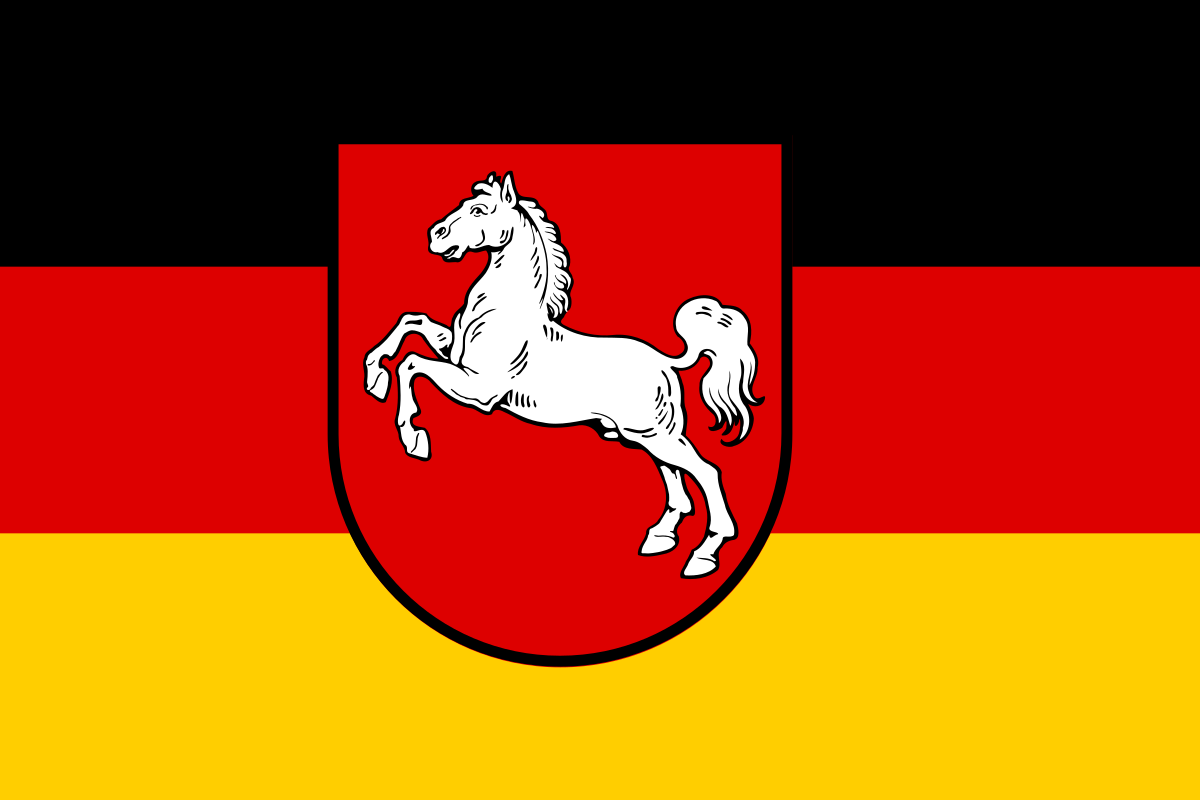 Niedersachsen
 Urlaub und Reisen
