Deutsch-Chinesische Enzyklopädie, 德汉百科
 Religion
 International cities
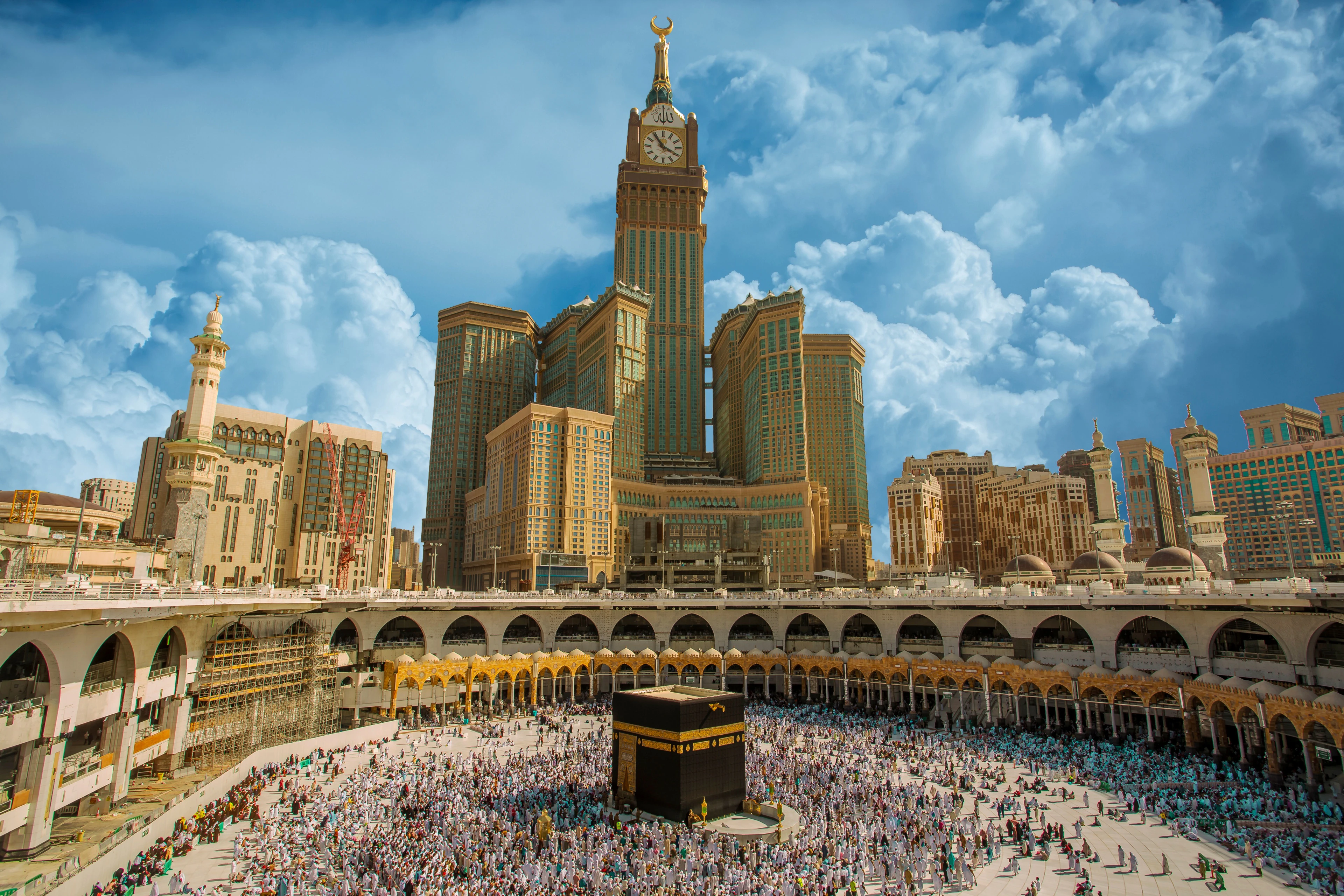

麦加(阿拉伯语:مكّة المكرمة;罗马化:Makkah Al-Mukarramah),伊斯兰教第一大圣城,全称是麦加·穆卡拉玛,意为“荣誉的麦加”,中文较罕见的翻译有满克、墨克等译名。麦加是伊斯兰教最神圣的城市,拥有天房和禁寺。麦加有名的朝觐活动每年吸引将近300万人,是伊斯兰教的五功之一。
传统上伊斯兰教认为麦加是易斯马仪(以实玛利)的后代所建。七世纪时伊斯兰教先知穆罕默德在麦加宣扬伊斯兰教,当时该地是一个重要的商业中心,在伊斯兰早期历史上扮演着重要的角色。966年后,麦加一直都由当地的谢里夫所统治,直到1924年统治权归沙特家族所有。[3]麦加进入现代后土地面积和基础建设都大大扩增。
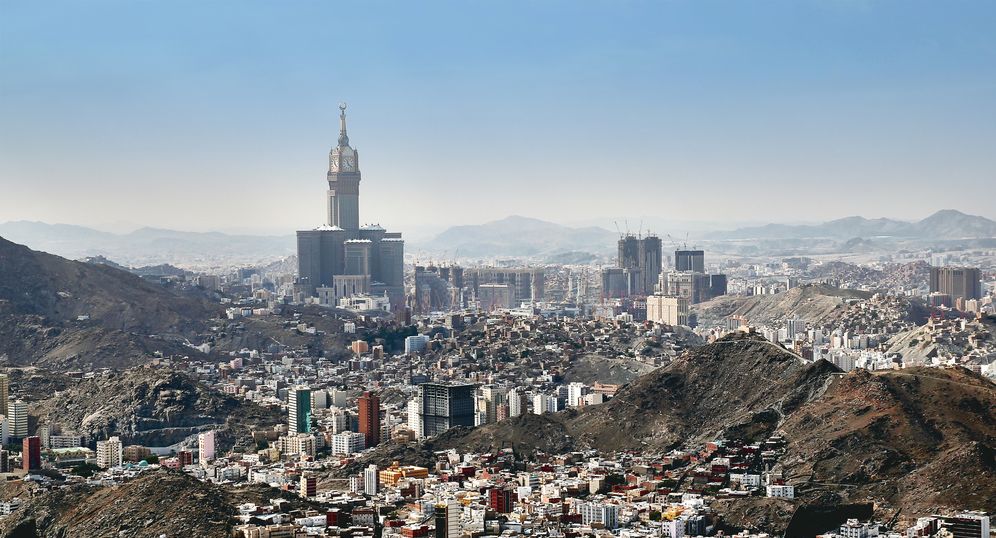
现代麦加是沙特阿拉伯麦加省的省会,麦加省是传统上的希贾兹地区。麦加共有一百七十万人口(2008),地处较为内陆的狭小山谷,距离海港吉达73公里,海拔277米高。
非穆斯林被禁止进入麦加和麦地那。
“麦加”最早见于中国南宋淳熙五年(1178年)周去非所著《岭外代答》中麻嘉国。《宋会要》称之摩迦,《诸蕃志》称之麻嘉。元朝航海家汪大渊曾出洋到过天堂。《明史》称麦加为默加。明朝宣德五年(1430年),郑和下西洋,部下马欢等七人曾到天方,带去瓷器等物品,购买狮子、驼鸡,并画《天堂图》一册回京。天方国也派遣大臣带方物随七人朝贡。
麦加的英文拼写一般为Mecca。历史上麦加曾一度被称为Becca。[4][5]
1980年代以来,沙特阿拉伯政府及其他人开始提倡Makkah的拼法,而全称则是Makkah al-Mukarramah(意为“荣誉的麦加”),这种拼写方式和阿拉伯语原音较为相近。此种拼写方式已渐渐被许多组织所采用,包括联合国[6]、美国国务院[7]以及英国的外交及联邦事务部[8],但是“Mecca”仍然是最通行的拼写方式。
Mekka (arabisch مكة, DMG Makka) ist eine Stadt mit 1.484.858 Einwohnern (Stand 2010)[1] im westlichen Saudi-Arabien und mit dem Heiligtum der Kaaba der zentrale Wallfahrtsort des Islams.[2] Jedes Jahr pilgern rund 2,5 Millionen Muslime zur Haddsch nach Mekka, während Nicht-Muslimen das Betreten der Stadt verboten ist. Mekka ist Hauptstadt der Provinz Mekka in der Region Hedschas. Aufgrund der großen religiösen Bedeutung, die die Stadt im Islam hat, wird sie im Arabischen üblicherweise mit einem ehrenden Beinamen versehen und als مكة المكرّمة Makka al-Mukarrama ‚Mekka, die Ehrwürdige‘ bezeichnet.
Mekka gilt als die Geburtsstadt Mohammeds, des Propheten des Islam. Das wichtigste Wallfahrtsziel bildet die Kaaba, ein fensterloses, würfelförmiges Gebäude im Hof der Hauptmoschee, das nach islamischer Auffassung erstmals vom Propheten Adam erbaut und dann vom Propheten Abraham wiedererbaut wurde. Historisch gesichert ist, dass die Kaaba schon in vorislamischer Zeit ein zentrales Heiligtum der arabischen Stämme des Umlandes war. In ihrer südöstlichen Ecke befindet sich ein schwarzer Stein – möglicherweise ein Meteorit (Hadschar al-Aswad), den der Überlieferung nach der Prophet Abraham vom Engel Gabriel empfing.
メッカ(アラビア語: مكة Makkah [ˈmækkæ])は、サウジアラビアのマッカ州(歴史的にいえばヒジャーズ地域)の州都である。正式名はマッカ・アル=ムカッラマ(مكة المكرمة Makkah al-Mukarramah 「栄光あるマッカ」)。別名、ウンム・アル=クラー(أم القرى Umm al-Qurā 「町々の母」)。サウジアラビア政府は、1980年代に当市の名前の公式な英語表記を、西洋人が以前から一般に用いてきた綴りである Mecca [ˈmɛkə] から Makkah [ˈmækə] に改めた[2]。
人口は1,294,167人(2004年国勢調査)。ジェッダから73km内陸に入った、狭い砂地のアブラハムの谷にあり、海抜280mである。紅海からは80km離れている[3]。
メッカは、イスラム教最大の聖地であり、祈りを捧げるところである。イスラム教徒は一日に五回決まった時刻になると、メッカの方向に向かって三度礼拝を行う。携帯電話のGPS機能などにより、遠くにいてもおおよそのメッカの方角を知る事が可能になっている。方角は大体あっていればいいという考えの人もいるらしい。近年、サウジアラビアの石油資源等による経済発達で交通網の利便性が進み、今後更にメッカを訪れる人が多くなると予想される。
メッカはイスラム教最大の聖地で、当地へのハッジ(巡礼)は体力と財力が許す限りあらゆるムスリム(イスラム教徒)が一生に一度は果たすべき義務である。これは聖典クルアーン (Q 3:97) の記述を根拠とするもので、イスラーム暦の第12月にあたるズー・アル=ヒッジャ月の8-10日に行われる巡礼である「ハッジ」のことを指し、この期間には世界中からハッジの行事に参加するため集まる。その期間以外で随時個々に行われている巡礼「ウムラ」も多くのムスリムが財力や体力の許す限り行っているため、メッカとカアバの周辺には一年を通じて絶えず巡礼者が訪れている。ムスリムはマスジド・ハラーム(聖なるモスク。カアバを保護する)を地上で最も神聖な場所と考えている。マディーナと並んでイスラム教二大聖域(メッカ、マディーナを併称する場合、「2つの聖なる禁域」という意味で、アラビア語で「ハラマイン」とも呼ばれる)とされているため、マディーナ同様イスラム教徒以外の入場はできず、通じる道路の手前にある検問所より先に行くことができない。古くからイスラム教徒に変装しメッカを訪れる異教徒がおり、中には処刑された者もいる。
Mecca (/ˈmɛkə/; Arabic: مكة[1] Makkah (Hejazi pronunciation: [ˈmakːa]) is a city in the Hejazi region of the Arabian Peninsula, and the plain of Tihamah in Saudi Arabia, and is also the capital and administrative headquarters of the Makkah Region.[6] The city is located 70 km (43 mi) inland from Jeddah in a narrow valley at a height of 277 m (909 ft) above sea level, and 340 kilometres (210 mi) south of Medina. Its resident population in 2012 was roughly 2 million, although visitors more than triple this number every year during the Ḥajj (Arabic: حَـجّ, "Pilgrimage") period held in the twelfth Muslim lunar month of Dhūl-Ḥijjah (Arabic: ذُو الْـحِـجَّـة).
As the birthplace of Muhammad, and the site of Muhammad's first revelation of the Quran (specifically, a cave 3 km (2 mi) from Mecca),[7][8] Mecca is regarded as the holiest city in the religion of Islam[9] and a pilgrimage to it known as the Hajj is obligatory for all able Muslims. Mecca is home to the Kaaba, by majority description Islam's holiest site, as well as being the direction of Muslim prayer. Mecca was long ruled by Muhammad's descendants, the sharifs, acting either as independent rulers or as vassals to larger polities. It was conquered by Ibn Saud in 1925. In its modern period, Mecca has seen tremendous expansion in size and infrastructure, home to structures such as the Abraj Al Bait, also known as the Makkah Royal Clock Tower Hotel, the world's fourth tallest building and the building with the third largest amount of floor area. During this expansion, Mecca has lost some historical structures and archaeological sites, such as the Ajyad Fortress.[10] Today, more than 15 million Muslims visit Mecca annually, including several million during the few days of the Hajj.[11] As a result, Mecca has become one of the most cosmopolitan cities in the Muslim world,[12] although non-Muslims are prohibited from entering the city.[13][14]
La Mecque1 (en arabe : مكة, makka) est une ville de l'ouest de l'Arabie saoudite, non loin de la charnière séparant le Hedjaz de l'Asir, à 80 km de la mer Rouge, et capitale de la province de la Mecque.
Lieu de naissance, selon la tradition islamique, du prophète de l'islam Mahomet à la fin du VIe siècle2, elle abrite la Kaaba au cœur de la mosquée Masjid Al-Haram (« La Mosquée sacrée ») et la tradition musulmane a lié sa fondation à Ibrahim (Abraham), ce qui en fait la ville sainte la plus sacrée de l'islam. L'accès est interdit aux personnes qui ne sont pas de confession musulmane ainsi qu'aux femmes seules, même musulmanes3.
L'histoire pré-islamique de la ville est assez obscure et difficilement accessible. C'est annuellement et depuis le VIIe siècle le lieu du pèlerinage de La Mecque (hajj) qui rassemble, depuis la fin du XXe siècle, des millions de fidèles des différentes confessions de l'islam, venus du monde entier. C'est également le lieu vers lequel se tournent pour leurs prières quotidiennes les croyants musulmans4.
Depuis les années 1970, des spéculateurs immobiliers construisent des infrastructures, avec un gigantisme comparé à Las Vegas, pour permettre d'accueillir plus de fidèles, mais détruisant dans le même temps des sites historiques islamiques5,6.
La Mecca[1][2] (AFI: /ˈmɛkka/[3]; in arabo: ﻣكة المكرّمة, Makka al-mukarrama, "Makka l'onoratissima"), è una città dell'attuale Arabia Saudita occidentale, situata nella regione dell'Hegiaz. Capoluogo della provincia omonima, è per antonomasia la città santa (prima ancora di Medina e Gerusalemme) per i musulmani. È la città in cui, per la tradizione musulmana, è nato Maometto, ricordato come profeta e rifondatore[4] dell'Islam. Contiene la più grande moschea del mondo, il Masjid al-Haram.
Si trova al centro di sette colli: Jabal Abū Siba', Jabal Safa, Jabal Marwa, Jabal Abū Milhah, Jabal Abū Ma'aya, Jabal Abū Hulaya e Jabal Abū Ghuzlan.
La Meca (en árabe, مكة المكرمة [Makkah al-Mukarrama] o simplemente مكة [Makkah]) es la principal ciudad de la región del Hiyaz,5 en la actual Arabia Saudita, y una de las más importantes de la península de Arabia. Está situada al oeste de la península y cuenta con 1 675 368 habitantes (censo de 2010), localizada en un estrecho valle, a 277 m sobre el nivel del mar; se ubica a 80 km del mar Rojo.
El nombre completo que lleva desde tiempos musulmanes es Makka al-Mukarrama, que significa "Makkah, con honor". Ptolomeo, en el siglo II, se refirió a ella con el nombre de Makoraba, helenización del árabe Makkah Harb, o "Meca de Harb" (nombre de una tribu).
Ciudad natal de Mahoma, es la más importante de todas las ciudades santas del islam, visitada cada año por millones de peregrinos. Antes de que Mahoma predicara el islam, ésta era ya para los paganos una ciudad santa, con varios lugares de importancia religiosa, entre ellos el más importante de todos: la Kaaba.
Para los musulmanes, el peregrinaje a La Meca forma parte de uno de los aspectos fundamentales de su fe, los denominados pilares del islam. Cada año, cerca de tres millones de peregrinos se dirigen a la ciudad santa para realizar el peregrinaje mayor o Hajj durante el mes musulmán de du l-hiyya.
Muchos más hacen la peregrinación menor o Umrah, que puede realizarse durante todo el año. Un cómputo aproximado de los musulmanes que visitan anualmente La Meca, alcanzaría los 13 millones de visitantes, sumando el peregrinaje mayor y menor. Muy pocos no musulmanes han podido ver los ritos y rituales del Hajj, ya que está totalmente prohibida la entrada de no creyentes en La Meca y en Medina.
Ме́кка (араб. ُمَكَّة Макка, также مكة المكرمة — Макка аль-Мукаррама — Благородная Мекка) — город в западной Саудовской Аравии, расположенный на расстоянии около 80 км от Красного моря. Является центром паломничества для мусульман (см. Хадж). Немусульманам в Мекку въезд запрещён законом страны.
Мекка — священный город мусульман. В 630 году, усилив свою позицию, мусульмане мединской общины во главе с пророком Мухаммедом вошли в Мекку, город сдался без боя, жители приняли ислам. Мекка с Каабой была превращена в религиозный центр, и мусульмане стали молиться лицом в сторону Мекки, где бы они ни находились.
В центре Мекки находится главная и крупнейшая в мире мечеть Аль-Харам (Заповедная, Великая), во внутреннем дворе которой располагается главная святыня ислама — Кааба.
К 2011 году в Мекке сооружён самый массивный в мире комплекс башен-небоскрёбов Абрадж аль-Бейт; его самое высокое здание — Королевская башня — является третьим по высоте зданием в мире и имеет самые большие и высотные в мире часы.
13 ноября 2010 года открыт надземный метрополитен Мекки — первый в стране, обеспечивает высокопровозные перемещения по городу и к местам ритуальных обрядов паломников хаджа (долины Муздалифа и Мина, гора Арафат).
В долине рядом с Меккой устроен крупнейший в мире палаточный городок паломников Мина.
В Мекке в периоды наибольшей численности паломников нередко происходят давка, пожары и прочие инциденты с ранеными и погибшими. Так, в 1990 году в пешеходном тоннеле между Меккой и Миной погибло около 1,5 тысяч паломников.

 Saxony-Anhalt
 Geography
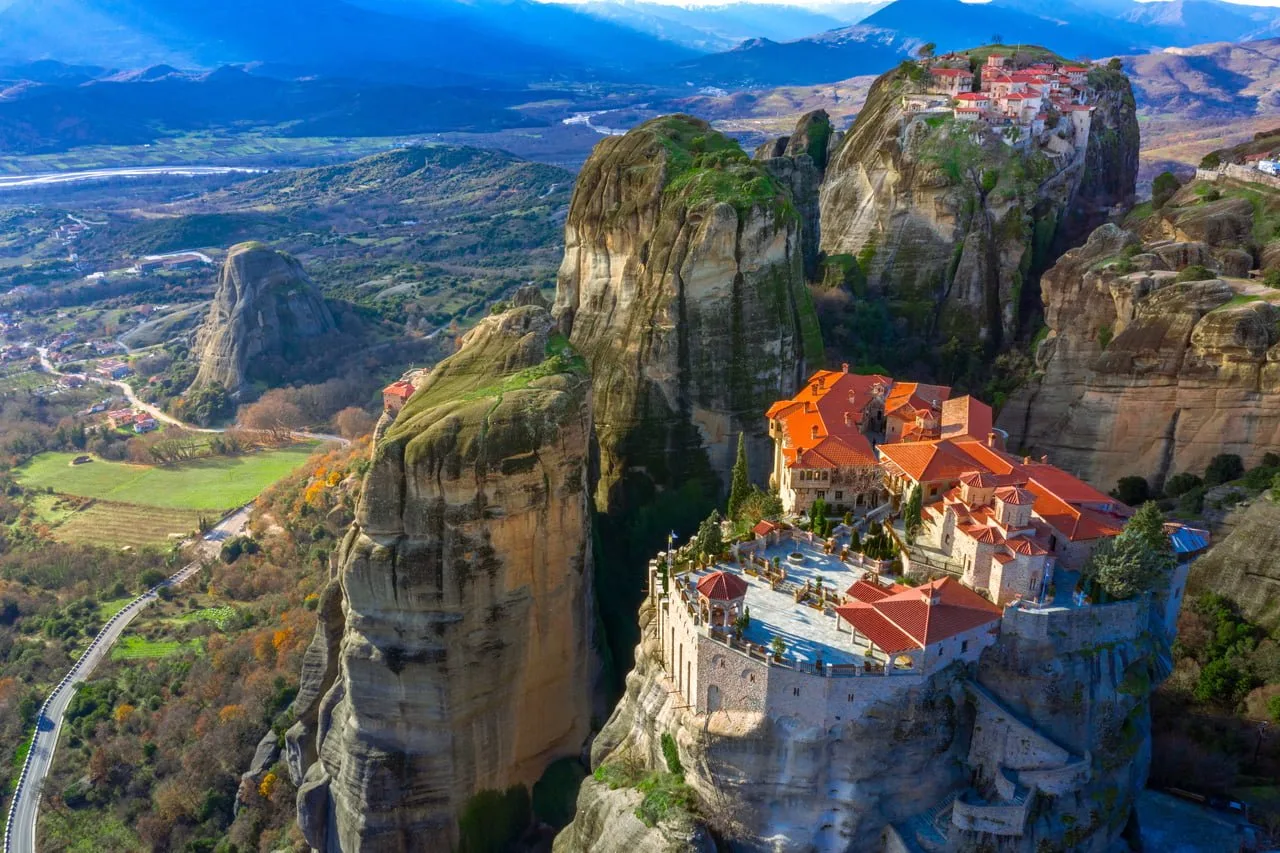
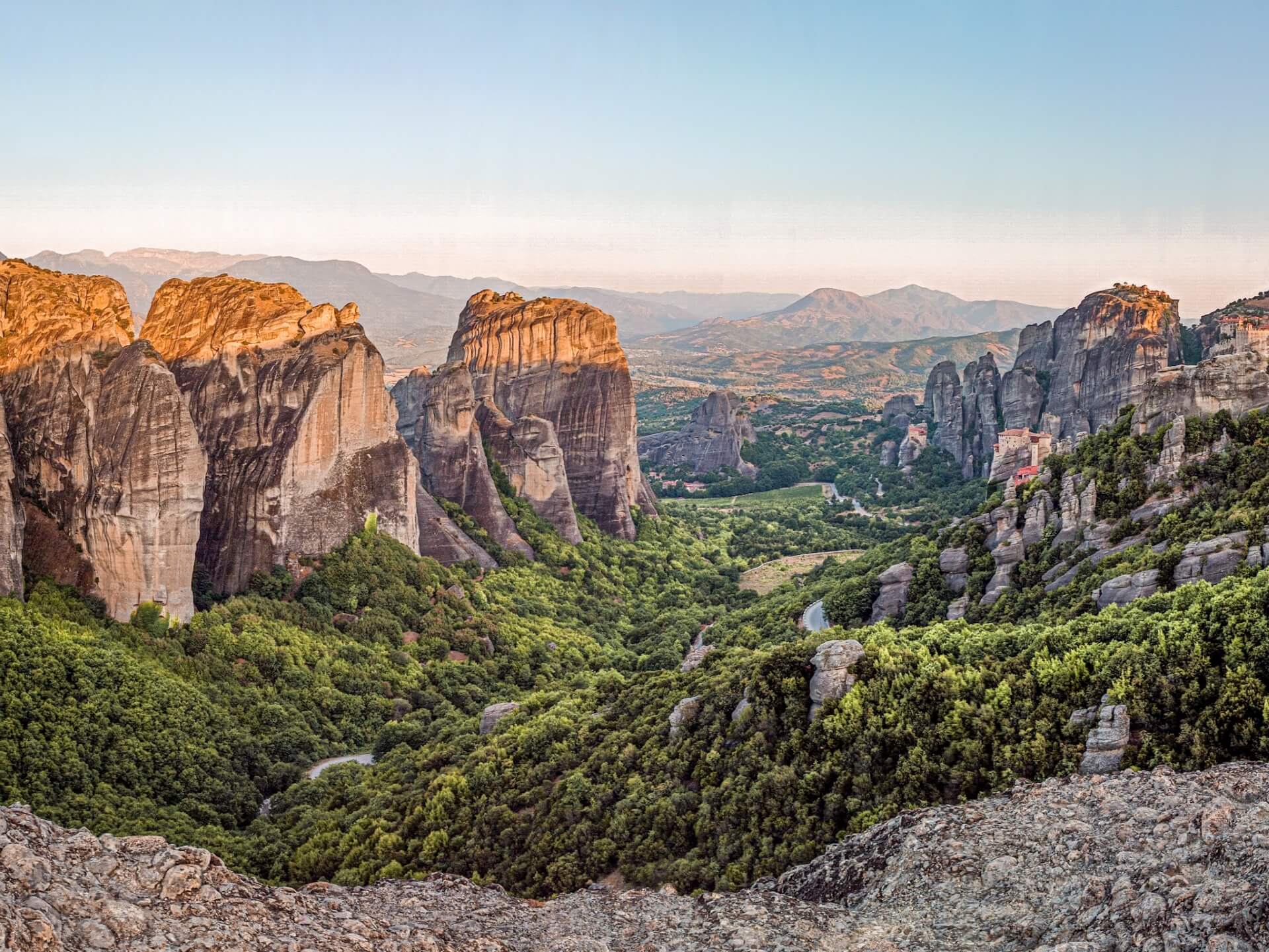
Die Metéora-Klöster (griechisch Μετέωρα (n. pl.)), östlich des Pindos-Gebirges nahe der Stadt Kalambaka in Thessalien, Griechenland gelegen, gehören zum UNESCO-Weltkulturerbe. Der Name Metéora leitet sich von altgriechisch μετέωρος metéōros, deutsch ‚in der Luft schwebend‘ (Neutrum Plural μετέωρα in der Bedeutung „Himmelserscheinungen“) ab. Dieser Name beschreibt die Lage der Klöster, die auf hohen Sandsteinfelsen gebaut wurden und bei dunstiger Luft manchmal zu schweben scheinen.
Die gesamte Anlage besteht aus 24 einzelnen Klöstern und Eremitagen, von denen heute nur noch sechs bewohnt sind. Die restlichen achtzehn Klöster sind entweder zu schwer zu erreichen oder wurden wegen Einsturzgefahr verlassen.
迈泰奥拉(希腊语:Μετέωρα,转写为Metéora,意为“悬浮的石头”、“悬浮在空中”或“在天空之上”)位于希腊中部,是东正教修道院中最大、最陡峭的建筑群之一,其重要性只仅次于阿索斯山[1]。它位于希腊中部色萨利平原的西北边缘,靠近皮尼奥斯河(Pineios)和品都斯山脉,最近的城镇为卡拉巴卡(Kalabaka)。当中有24座寺院(其中6座为完好)矗立在天然的砂岩支柱上。1988年,迈泰奥拉被列入联合国教科文组织世界遗产名录,为复合遗产。[2][3]
在迈泰奥拉6座保存至今的修道院中,有4座为修士所居住,剩余2座则是修女之居所。现今各修道院的居住人数均少于10名。今日迈泰奥拉已成希腊的旅游景点之一。
 Andalusia
 Architecture
 Mudejar architecture
Architecture
Renaissance architecture
Architecture
Islamic architecture
Religion
Spain
Mudejar architecture
Architecture
Renaissance architecture
Architecture
Islamic architecture
Religion
Spain
 World Heritage
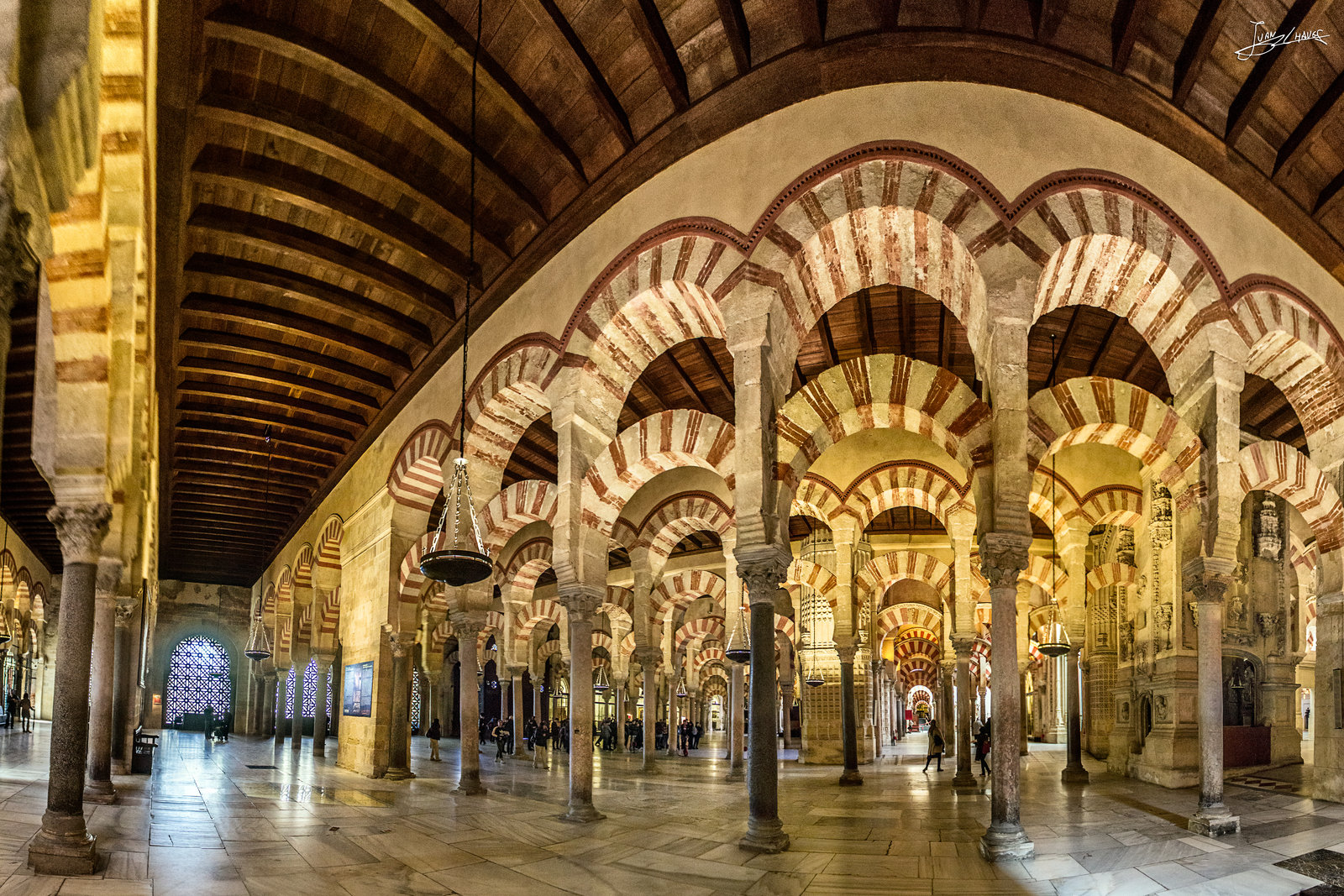
メスキータ (mezquita) とは、スペイン語でモスクという意味で、アラビア語 مسجد ("Masjid") に由来する[1]。しかし、一般的には固有名詞として、スペインアンダルシア州コルドバにあるカトリック教会の司教座聖堂「コルドバの聖マリア大聖堂 (スペイン語: Catedral de Santa María de Córdoba)」を指す場合が多い。本項は、この聖マリア大聖堂について解説する。
メスキータ (Mezquita) は「モスク」(ひざまずく場所)、ムスリム(回教徒)の礼拝堂の意味で、スペインに現存する唯一の大モスクである。アブドールラフマン1世は、グワダルキビール川の流れが変わるコルドバの小高い丘にメスキータの建設を始める。ここは紀元2世紀、戦勝祈願を行ったローマ神殿があったという伝説があり、西ゴート王国時代には聖ヴィアンテ教会があった神聖な場所であった。
The Mosque–Cathedral of Córdoba[1][2] (Spanish: Mezquita-Catedral de Córdoba), also known as the Great Mosque of Córdoba[3][2][4] (Spanish: Mezquita de Córdoba) and the Mezquita,[5][6][7] whose ecclesiastical name is the Cathedral of Our Lady of the Assumption (Spanish: Catedral de Nuestra Señora de la Asunción),[8] is the Catholic cathedral of the Diocese of Córdoba dedicated to the Assumption of the Virgin Mary and located in the Spanish region of Andalusia.[9] The structure is regarded as one of the most accomplished monuments of Moorish architecture.
According to a traditional account, a small Visigoth church, the Catholic Basilica of Saint Vincent of Lérins, originally stood on the site.[10][11][12] In 784 Abd al-Rahman I ordered construction of the Great Mosque, which was considerably expanded by later Muslim rulers. Córdoba returned to Christian rule in 1236 during the Reconquista, and the building was converted to a Roman Catholic church, culminating in the insertion of a Renaissance cathedral nave in the 16th century.[13][14]
Since the early 2000s, Spanish Muslims have lobbied the Roman Catholic Church to allow them to pray in the cathedral.[15][16] This Muslim campaign has been rejected on multiple occasions, both by the church authorities in Spain and by the Vatican.[15][17]
La mosquée-cathédrale de Cordoue, également connue sous son ancien nom de grande mosquée de Cordoue (Mezquita de Córdoba) et sous son nom ecclésiastique officiel de cathédrale Notre-Dame de l'Assomption (Catedral de Nuestra Señora de la Asunción), est un ancien temple romain qui devint église puis mosquée, et dans laquelle fut ensuite érigée une cathédrale. C'est un monument majeur de l'architecture islamique, témoin de la présence musulmane en Espagne du VIIIe au XVe siècle. Il s'agit du monument le plus accompli de l'art des Omeyyades de Cordoue. Convertie en église au XIIIe siècle après la Reconquista par le roi Ferdinand III de Castille, elle est depuis lors l'église cathédrale du diocèse de Cordoue en Espagne.
La mosquée-cathédrale de Cordoue a été classée au patrimoine mondial de l'Unesco en 1984.
La grande moschea di Cordova, oggi cattedrale dell'Immacolata Concezione di Maria Santissima in Cordova, è una delle principali espressioni dell'arte arabo-islamica e dell'architettura gotica e rinascimentale dell'Andalusia. È con l'Alhambra di Granada, la Aljafería di Saragozza e la Giralda di Siviglia la più prestigiosa testimonianza della presenza islamica in Spagna dall'VIII secolo al XIII secolo.
Mezquita-catedral de Córdoba,12 antes «Santa María Madre de Dios» o «Gran Mezquita de Córdoba», actualmente conocida como la Catedral de la Asunción de Nuestra Señora de forma eclesiástica o simplemente Mezquita de Córdoba de forma general, es un edificio de la ciudad de Córdoba, España.
Se empezó a construir como mezquita en el año 786, con la apropiación por los conquistadores musulmanes de la basílica hispanorromana de San Vicente Mártir y la reutilización de parte de los materiales, quedando reservada al culto musulmán.3 El edificio resultante fue objeto de ampliaciones durante el Emirato de Córdoba y el Califato de Córdoba. Con 23 400 metros cuadrados, fue la segunda mezquita más grande del mundo en superficie, por detrás de la Mezquita de La Meca, siendo sólo alcanzada posteriormente por la Mezquita Azul (Estambul, 1588). Una de sus principales características es que su muro de la qibla no fue orientado hacia La Meca, sino 51º grados más hacia el sur, algo habitual en las mezquitas de al-Ándalus.
En 1238, tras la Reconquista cristiana de la ciudad, se llevó a cabo su consagración como catedral de la diócesis con la Ordenación episcopal de su primer obispo, Lope de Fitero.4 El edificio alberga el cabildo catedralicio de la Diócesis de Córdoba, y por su carácter de templo católico y sede episcopal, está reservado al culto católico. En 1523, bajo la dirección de los arquitectos Hernán Ruiz, el Viejo y su hijo, se construyó su basílica cruciforme renacentista de estilo plateresco.
Hoy todo el conjunto constituye el monumento más importante de Córdoba, y también de toda la arquitectura andalusí, junto con la Alhambra, así como el más emblemático del arte omeya hispanomusulmán. Declarada como Bien de interés cultural2 y Patrimonio Cultural de la Humanidad como parte del centro histórico de la ciudad,5 se incluyó por el público entre los 12 Tesoros de España en 20076 y fue premiada como el mejor sitio de interés turístico de Europa y sexto del mundo según un concurso de TripAdvisor.7 En 2016 tuvo 1,81 millones de visitas, lo que la convierte en uno de los monumentos más visitados de España.8
Мески́та (исп. mezquita — «мечеть»), или Кóрдовская соборная мечеть — римско-католический собор (в прошлом — мечеть), расположенный в андалусском городе Кордова.[3] В Средневековье была второй по величине мечетью в мире. Является, возможно, самым замечательным памятником династии Омейядов. После испанской Реконкисты была преобразована в церковь, а некоторые детали интерьера, вроде колонн и арок, были стилистически заменены на византийский лад.
Architecture
Architecture
Romanesque architecture
 History
L 1000 - 1500 AD
History
History
L 1000 - 1500 AD
 Lower Saxony
Religion
Lower Saxony
Religion
 Vacation and Travel

 Bavaria