Deutsch-Chinesische Enzyklopädie, 德汉百科
 Religion

俄利根(古希腊语:Ὠριγένης Ōrigénēs,拉丁语:Origenes Adamantius,185年—254年)或译奥利金、奥利振,生于亚历山大港,卒于该撒利亚,是基督教中希腊教父的代表人物之一,更是亚历山太学派的重要代表人物之一,为神学家和哲学家。在神学上,他采用希腊哲学的概念,提出“永恒受生”的概念来解说圣父与圣子关系,对基督教影响至今。他的著作对基督教神学发展有很大的影响力,但是他的数项神学主张被在第二次君士坦丁堡公会议中被定为异端,因此包括天主教会与东方正教会皆未将他列为圣人。
Origenes (* 185 in Alexandria; † 253 oder 254 wahrscheinlich in Tyros) war ein frühchristlicher Bibelkommentator und Platoniker. Er erreichte als erster Christ das Niveau kaiserzeitlicher Philologie und Philosophie.

东正教是与天主教、新教并立的基督教三大派别之一,亦称正教。又因为它由流行于罗马帝国东部希腊语地区的教会发展而来,故亦称希腊正教。1453年拜占廷帝国灭亡后,俄罗斯等一些斯拉夫语系国家相继脱离君士坦丁堡普世牧首的直接管辖,建立自主教会,逐渐形成用斯拉夫语的俄罗斯正教,希腊正教目前则主要指使用拜占廷礼仪的东正教会。

 Architecture
 History
 J 0 - 500 AD
History
L 1000 - 1500 AD
History
K 500 - 1000 AD
J 0 - 500 AD
History
L 1000 - 1500 AD
History
K 500 - 1000 AD
 Art
Art
 World Heritage

正教会(希腊语:Ορθόδοξη Εκκλησία,orthódoxi ekklisía;俄语:Православная Церковь,罗马化:pravoslavnaja tserkovʹ),也称为东正教会,简称东正教,与天主教会及新教并列为基督教三大教派,信徒总人数少于天主教,但比新教最大的普世圣公宗要多出两倍,主要分布在巴尔干半岛和东欧。
东正教是与天主教、新教并立的基督教三大派别之一,亦称正教。又因为它由流行于罗马帝国东部希腊语地区的教会发展而来,故 亦称希腊正教。1453年拜占廷帝国灭亡后,俄罗斯等一些斯拉夫语系国家相继脱离君士坦丁堡普世牧首的直接管辖,建立自主教会,逐渐形成用斯拉夫语的俄罗 斯正教,希腊正教目前则主要指使用拜占廷礼仪的东正教会。
325年尼西亚公会议后,东西派教会间的矛盾日益尖锐。330年君士坦丁一世迁都君士坦丁堡后,两派在谁居教会首席问题上争斗愈烈。到1054年, 终于酿成东西教会大分裂。自9世纪起,东派教会已逐渐向保加利亚、基辅罗斯等国发展。1054年后,拜占廷帝国日益衰落。1096年,罗马教皇乌尔班二世 组织十字军东征,1204年第四次十字军攻占君士坦丁堡,东正教普世牧首区被迫迁往尼西亚。15世纪30年代,奥斯曼土尔其帝国进攻拜占廷,君士坦丁堡向 西方求救。罗马教皇尤金四世乘机于1438年召开佛罗伦萨公会议,,旨在使东派教会屈服,要求东西教派合一,从而确立教皇的首脑位置。由于东正教会的让 步,次年7月会议签署通过东西教会合一决议,确认教皇为"基督在世代表",具有全权地位,史称佛罗伦萨合一。但由于东派教会内反对派的抵制,合一未果。 1453年,拜占廷帝国被奥斯曼土耳其帝国征服,苏丹出于政治考虑,对东正教会采取宽容政策。但奥斯曼土耳其帝国的国教是伊斯兰教,所以君士坦丁堡牧首实 际上处于被征服地位。16世纪之后,一些国家和地区的正教会相继成立自主教会,君士坦丁堡牧首的实际权威性已丧失殆尽。自主教会是指在法规和行政方面享有 全部独立权,并可自选大主教和主教的教会;有时也指不依附于教郡都主教管辖的个别地区。1589年,俄罗斯正教会取得自主地位,建立牧首区。以后,使用俄 罗斯正教礼仪的教会,常通称为俄罗斯正教。(Quelle: cn.netor.com/know/christ/sum3.htm)
Orthodoxe Kirchen (von altgriechisch ὀρθός orthos ‚aufrecht, richtig‘ und δόξα doxa ,Verehrung, Glaube‘; also ‚der richtige Lobpreis oder die rechte Lehre Gottes‘; russisch Православная церковь pravoslavnaja cerkov; serbisch Православна Црква (Pravoslavna crkva); bulgarisch Православна църква; rumänisch Biserica Ortodoxă) oder byzantinisch-orthodoxe Kirchen sind die vorreformatorischen Kirchen des byzantinischen Ritus. Sie sind dabei von Beginn an sowohl katholisch als auch apostolisch in der Nachfolge der Apostel (traditio apostolica). Die selbstverwalteten Ostkirchen sind teilweise Nationalkirchen und weisen kulturelle Unterschiede auf, stehen jedoch in Kirchengemeinschaft miteinander. Angehörige der orthodoxen Kirchen verstehen sich als Einheit und sprechen daher meist von der Kirche der Orthodoxie im Singular. Die orthodoxen Kirchen bilden mit ca. 300 Millionen Angehörigen die zweitgrößte christliche Gemeinschaft der Welt.
正教会(せいきょうかい、ギリシア語: Ορθόδοξη Εκκλησία、ロシア語: Православие、英語: Orthodox Church)は、ギリシャ正教[9]もしくは東方正教会[10](とうほうせいきょうかい、Eastern Orthodox Church)とも呼ばれる、キリスト教の教会(教派)の一つ。
日本語の「正教」、英語名の"Orthodox"(オーソドックス)は、「正しい讃美」「正しい教え」を意味するギリシャ語のオルソドクシア "ορθοδοξία" に由来する[9]。正教会は使徒継承を自認し、自身の歴史を1世紀の初代教会にさかのぼるとしている[11]。
なお「東方教会」(とうほうきょうかい)が正教会を指している場合もある[9]。
例外はあるものの、正教会の組織は国名もしくは地域名を冠した組織を各地に形成するのが基本である。コンスタンディヌーポリ総主教庁、アレクサンドリア総主教庁、アンティオキア総主教庁、エルサレム総主教庁、ロシア正教会、セルビア正教会、ルーマニア正教会、ブルガリア正教会、グルジア正教会、ギリシャ正教会、日本正教会などは個別の組織名であって教会全体の名ではない。いずれの地域別の教会組織も、正教として同じ信仰を有している[12]。教会全体の名はあくまで正教会であり、「ロシア正教に改宗」「ルーマニア正教に改宗」といった表現は誤りである[13]。
なお、アルメニア使徒教会、シリア正教会、コプト正教会、エチオピア正教会なども同じく「正教会」を名乗りその正統性を自覚しているが、上に述べたギリシャ正教とも呼ばれる正教会とは別の系統に属する。英語ではこれらの教会は"Oriental Orthodox Church"とも呼ばれる。詳細は非カルケドン派正教会を参照。
The Eastern Orthodox Church, officially the Orthodox Catholic Church,[2][3][4][5] is the second-largest Christian church, with approximately 260 million baptised members.[1][6][7][8][9] It operates as a communion of autocephalous churches, each governed by its bishops in local synods.[8] Roughly half of Eastern Orthodox Christians live in Russia. The church has no central doctrinal or governmental authority analogous to the Bishop of Rome, but the Ecumenical Patriarch of Constantinople is recognised by all as primus inter pares ("first among equals") of the bishops. As one of the oldest surviving religious institutions in the world, the Eastern Orthodox Church has played a prominent role in the history and culture of Eastern and Southeastern Europe, the Caucasus, and the Near East.[10]
Eastern Orthodox theology is based on the Nicene-Constantinopolitan Creed (known simply as the Nicene Creed). The church teaches that it is the One, Holy, Catholic and Apostolic church established by Jesus Christ in his Great Commission, and that its bishops are the successors of Christ's apostles.[11] It maintains that it practices the original Christian faith, as passed down by holy tradition. Its patriarchates, reminiscent of the pentarchy, and autocephalous and autonomous churches reflect a variety of hierarchical organisation. It recognises seven major sacraments, of which the Eucharist is the principal one, celebrated liturgically in synaxis. The church teaches that through consecration invoked by a priest, the sacrificial bread and wine become the body and blood of Christ. The Virgin Mary is venerated in the Eastern Orthodox Church as the God-bearer, honoured in devotions.
The Eastern Orthodox Church shared communion with the Roman Catholic Church until the East–West Schism in 1054, disputing particularly the authority of the Pope. Before the Council of Ephesus in AD 431 the Church of the East also shared in this communion, as did the Oriental Orthodox churches before the Council of Chalcedon in AD 451, all separating primarily over differences in Christology.
The majority of Eastern Orthodox Christians live mainly in Southeast and Eastern Europe, Cyprus, Georgia and other communities in the Caucasus region, and communities in Siberia reaching the Russian Far East. There are also smaller communities in the former Byzantine regions of Africa, the Eastern Mediterranean, and in the Middle East where it is decreasing due to forced migration because of increased religious persecution in recent years.[12][13] There are also many in other parts of the world, formed through diaspora, conversions, and missionary activity.
L’Église orthodoxe aussi connue sous le nom d'Église des sept conciles ou encore Communion orthodoxe, est la troisième plus grande confession du christianisme, après l'Église catholique et l'ensemble des confessions protestantes. Elle se fonde sur les sept premiers conciles œcuméniques chrétiens et sur les dogmes qu'ils ont édictés. On estime à près de 285 millions le nombre d'orthodoxes dans le monde.
Le christianisme orthodoxe professe descendre directement des communautés fondées par les apôtres de Jésus dans les provinces orientales de l'Empire romain.
Sept de ces Églises se réclament d'une fondation par un apôtre, ou un évangéliste : au Ier siècle, l'Église orthodoxe de Constantinople fondée par l'apôtre André, l'Église d'Alexandrie et de toute l'Afrique fondée par Marc, l'Église d'Antioche et de tout l'Orient fondée par les apôtres Pierre et Paul, l'Église orthodoxe de Jérusalem fondée par l'apôtre Jacques, l'Église de Géorgie fondée par l'apôtre André, l'Église orthodoxe de Chypre fondée par Paul et l'Église orthodoxe de Grèce fondée par Paul (certaines portent la dénomination officielle d'« apostoliques », d'autres non).
Dans ces Églises, le christianisme est resté ce qu'il était avant la séparation des Églises d'Orient et d'Occident : doctrinalement défini par les sept premiers conciles seulement et organisé sur le modèle de la Pentarchie, avec des églises autocéphales, initialement au nombre de cinq patriarcats, puis quatre après le départ de l'église de Rome, puis de plus en plus nombreuses à mesure que Constantinople reconnaissait de nouveaux patriarches dans les États orthodoxes émergents. On compte aujourd'hui seize patriarcats autocéphales canoniques qui se reconnaissent mutuellement et dix-neuf églises orthodoxes autonomes reconnues par l'un ou l'autre des seize patriarcats canoniques, sans compter les obédiences indépendantes dites non-canoniques.
L'Église orthodoxe s'est répandue dans le monde à travers la diaspora des communautés d'origine et par le biais de la conversion. Elle est principalement présente dans l'antique zone de culture grecque, c'est-à-dire dans la zone orientale du bassin de la Méditerranée (Grèce, Albanie, Turquie, Syrie, Liban, Israël, Palestine, Géorgie), dans les zones de peuplement slave (Russie, Ukraine, Biélorussie, Bulgarie, Serbie, Monténégro, République de Macédoine) ainsi qu'en Roumanie et Moldavie.
La Chiesa ortodossa, talvolta indicata anche come Chiesa ortodossa orientale, Chiesa cristiana d'Oriente o Chiesa cattolica ortodossa,[1] è una comunione di Chiese cristiane nazionali, che sono o autocefale (cioè il cui capo non riconosce alcuna autorità religiosa in terra al di sopra di sé) o autonome (cioè dipendenti da un patriarcato, ma da esso distinte). Delle Chiese autocefale, nove sono patriarcati, storici o moderni.
Come è indicato nelle pubblicazioni del Dipartimento di Statistiche delle Nazioni Unite, le denominazioni usate dai vari stati per indicare le religioni non sono uniformi. Così i cattolici sono identificati come "cattolici" in Portogallo, ma "cattolici romani" in Germania,[2] e il termine "ortodosso", che in Etiopia indica soprattutto appartenenza alla Chiesa ortodossa etiope,[2] una delle Chiese ortodosse orientali,[3] in Romania indica soprattutto l'essere membri della Chiesa ortodossa romena,[2] una delle Chiese che in inglese e tedesco sono anch'esse chiamate orientali (usando però Eastern, un vocabolo distinto da Oriental, anche se sinonimo),[4] ma che in lingue che non dispongono di una simile coppia di sinonimi sono chiamate bizantine[5] o calcedonesi.[6] Queste ultime lingue attualmente riservano l'aggettivo "orientali" per le Chiese che non accettano il Concilio di Calcedonia.[3]
La Chiesa ortodossa, erede della cristianità dell'antico Impero romano, ridotto poi in quello chiamato dagli storici l'Impero bizantino, è ora suddivisa negli antichi quattro Patriarcati storici di Costantinopoli, Alessandria, Antiochia e Gerusalemme della Pentarchia (senza il quinto, d'Occidente) e in diverse altre chiese autocefale (delle quali non tutte si chiamano patriarcati). Essa ritiene che solo al proprio interno, quindi in via esclusiva, sussista la continuità della Chiesa universale fondata da Gesù Cristo (proprio come lo ritiene, da parte sua, la Chiesa cattolica romana).
La Iglesia ortodoxa, formalmente llamada la Iglesia católica apostólica ortodoxa, es una confesión cristiana, cuya antigüedad, tradicionalmente, se remonta a Jesús y a los doce apóstoles, a través de una sucesión apostólica nunca interrumpida. Es la segunda Iglesia cristiana más numerosa del mundo después de la Iglesia católica. Cuenta con entre 225 y 300 millones de fieles en todo el mundo.12
La Iglesia ortodoxa se considera la heredera de todas las comunidades cristianas de la mitad oriental del Mediterráneo.4 Su doctrina teológica se estableció en una serie de concilios, de los cuales los más importantes son los primeros Siete Concilios, llamados "ecuménicos" que tuvieron lugar entre los siglos IV y VIII. Tras varios desencuentros y conflictos, la Iglesia ortodoxa y la Iglesia católica se separaron en el llamado "Cisma de Oriente y Occidente", el 16 de julio de 1054. El cristianismo ortodoxo se difundió por Europa Oriental gracias al prestigio del Imperio bizantino y a la labor de numerosos grupos misioneros.
La Iglesia ortodoxa está en realidad constituida por 14 o, según algunas de ellas, 15 Iglesias autocéfalas que reconocen solo el poder de su propia autoridad jerárquica (por ejemplo, del patriarca de Alejandría, de Antioquía, de Constantinopla, etc. o la de metropolitanos, si es el caso), pero mantienen entre sí comunión doctrinal y sacramental.
Правосла́вная це́рковь, Православная кафолическая церковь, Восточная православная церковь — вторая по числу приверженцев после католической Христианская церковь в форме всемирного сообщества поместных церквей[1][2], как считается, возникшая около 33 года в Иерусалиме[3] и сохраняющая апостольское преемство[4][5][6]. Численность Православной церкви по разным оценкам составляет около 200[2] — 300[1][7][8] миллионов и, возможно, свыше 300 миллионов членов[9].
Православное исповедание веры в Церковь, а также определение её существенных свойств, содержатся в девятом члене Никео-Цареградского Символа веры: «Верую <…> во едину Святую, Соборную и Апостольскую Церковь (греч. <…> εἰς μίαν ἁγίαν καθολικὴν καὶ ἀποστολικὴν ἐκκλησίαν)». Единство Церкви основано на признании главой церкви одного Иисуса Христа, единство сохраняется и при наличии ряда поместных Церквей. Святость Церкви исходит от Бога и нерушима грехами отдельных её членов. Соборность, или кафоличность, означает её вселенскость (всемирность), универсальность, полноту, в противоположность сектантству и регионализму. Наконец, Церковь названа апостольской, так как она основана на преемственности от апостолов, посланных в мир свидетельствовать о вере[10][11][12].
Административно, православная Церковь не централизованна и составляется сообществом поместных церквей — автокефальных и автономных. Каждая автокефальная церковь самостоятельна и независима в делах своего административного управления от других поместных церквей, но едина с ними в вероучении и пребывает с ними в литургическом (евхаристическом общении. Автономные церкви находятся в канонической зависимости от той или иной автокефальной (кириархальной) церкви[13][14][15][16]. Однако, множество поместных и автономных церквей носит локальный характер, не отменяя наличие единой Вселенской церкви[10][17].
Учение Православной церкви содержится в Священном Предании, которое включает в себя, кроме Священного Писания, определения Вселенских и некоторых Поместных соборов, принятые всей Церковью, каноны (своды правил апостолов, Вселенских и некоторых Поместных соборов), утверждённые Церковью литургические тексты, творения Отцов Церкви, жития святых, а также обычаи Церкви[18]. При этом Священное Предание, в понимании святоотеческой литературы, «есть жизнь Святого Духа в Церкви». Священное Писание для православных христиан является наиважнейшей формой Священного Предания[19]. Православная церковь имеет иерархическое устройство[20].
Православные церкви в светской религиоведческой и церковной классификации делят на:
- Вселенское (мировое) православие — четыре из пяти патриархатов древней пентархии: Константинопольский, Александрийский, Антиохийский, Иерусалимский (церкви собственно греко-византийской традиции наряду с Церковью Кипра, особый статус которых в неразделённой Христианской церкви закреплён постановлениями Вселенских соборов) и находящиеся с ними в евхаристическом общении (то есть признанные как православные) поместные церкви;
- малочисленные православные церкви вне общения со Вселенским православием, не признанные мировым православием и являющиеся с его точки зрения неканоническими (соответственно, не находящиеся в евхаристическом общении с ними, а зачастую и между собой).

Das orthodoxe Judentum (von altgriechisch ὀρθός orthós, „richtig“ und δόξα dóxa, „Lehre“ – das heißt „der rechten Lehre angehörend“) ist eine der Hauptströmungen des heutigen Judentums neben dem konservativen Judentum, dem liberalen Judentum (bekannt auch als Reformjudentum) und dem Rekonstruktionismus. Der heutige Umgang von Juden mit den religiösen Vorschriften ist sehr unterschiedlich und umfasst ein weites Spektrum von extrem strenger Einhaltung durch ultraorthodoxe Juden über die strikte Einhaltung durch orthodoxe Juden, über eine weitgehende Beachtung durch konservative Juden – wobei einige Regelungen etwas milder als in der Orthodoxie ausgelegt werden – über eine teilweise Beachtung durch Reformjuden, bis hin zur völligen Nichtbeachtung durch säkulare Juden, die zwar die speziellen jüdischen Werte achten, das Judentum als Religion mit all ihren Vorschriften jedoch nicht praktizieren, allenfalls gelegentlich die eine oder andere Tradition beibehalten.
Das heutige orthodoxe Judentum wird meist in die beiden Hauptrichtungen modern-orthodoxes Judentum und ultraorthodoxes Judentum unterteilt; inwieweit bestimmte historische Gruppen Vorläufer bestimmter heutiger Gruppen sind, ist teilweise umstritten. So wird Rabbiner Samson Raphael Hirsch, dessen Bewegung im 19. Jahrhundert meist als neo-orthodox bezeichnet wird, sowohl von modern-orthodoxen als auch von ultraorthodoxen Juden für sich beansprucht.
Die Bezeichnung „orthodoxes Judentum“ entstand im 19. Jahrhundert als Abgrenzung zum damals entstehenden Reformjudentum.
犹太教正统派(英语:Orthodox Judaism),是犹太教中最大的宗派群体,是犹太教的保守派及传统派系,在以色列拥有特殊地位。犹太教正统派内分三个支派,分别是极端正统派(Haredi Judaism)、现代正统派(Modern Orthodox Judaism)和哈西迪教派(Hasidic Judaism)。
 Holidays
 Traditions
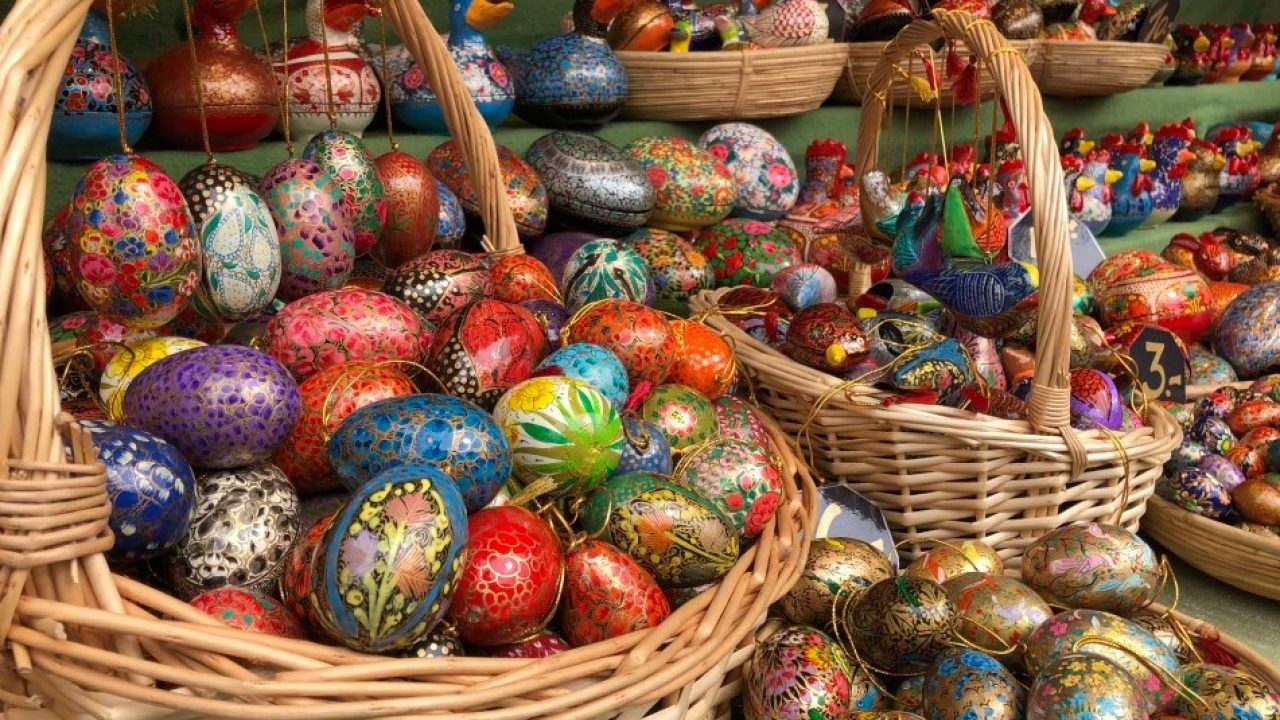
【复活节的由来和传说】在欧美各国,复活节是仅次于圣诞节的重大节日。按《圣经·马太福音》的说法,耶稣基督在十字架上受刑死后三天复活,因而设立此节。根据西方教会的传统,在春分节(3月21日)当日见到满月或过了春分见到 第一个满月之后,遇到的第一个星期日即为复活节。东方教会则规定,如果满月恰好出现在这第一个星期日,则复活节再推迟一周。因此,节期大致在3月22日至 4月25日之间。
 Architecture
Romanesque architecture
History
L 1000 - 1500 AD
Architecture
Romanesque architecture
History
L 1000 - 1500 AD
 North Rhine-Westphalia
Religion
North Rhine-Westphalia
Religion
 Vacation and Travel