
Deutsch-Chinesische Enzyklopädie, 德汉百科
 Performing Arts

 New York-NY
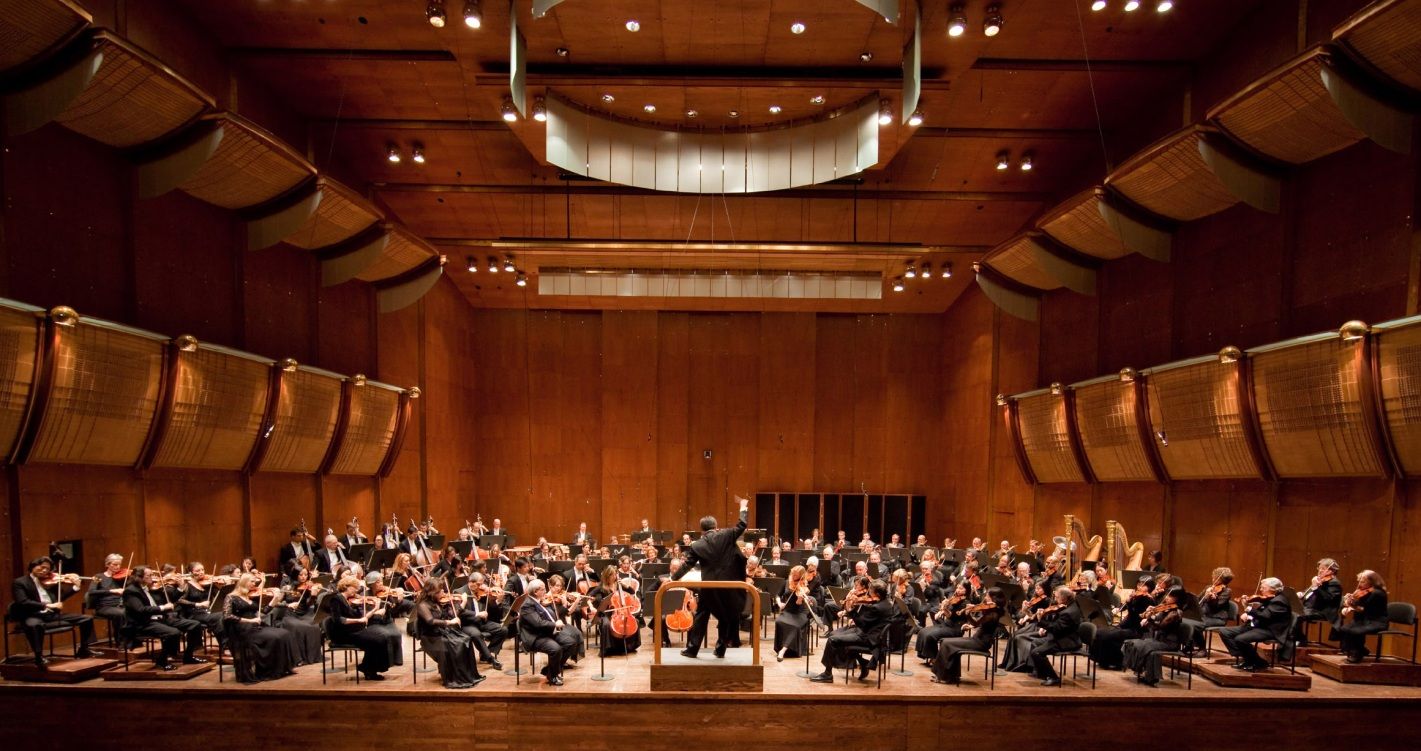
Die New Yorker Philharmoniker (englisch: New York Philharmonic) sind ein 1842 unter der Bezeichnung Philharmonic Symphony Society of New York in New York gegründetes Symphonieorchester.
Sie gehören zu den ältesten Orchestern der Welt und sind das älteste Orchester der USA. Gründer war der amerikanische Dirigent Ureli Corelli Hill. Das Orchester wird traditionell zu den Big Five gezählt.
Nachdem das Orchester 1962 von der Carnegie Hall in die Avery Fisher Hall (Lincoln Center) umzog, stehen derzeit wieder Diskussionen um den Rückzug in Carnegie Hall an.
Auf Schallplatten (insbesondere dem Label Everest) traten die New Yorker Philharmoniker in den 1950er und 60er Jahren aufgrund anderweitiger Aufnahmeverträge teilweise als Stadium Symphony Orchestra of New York auf.
ニューヨークで唯一、常設されたコンサートオーケストラである。より人口の少ないロンドン、ベルリン、パリなどが5~7団体を擁しているのに比べ異例であるが、1団体にパワーを集中させる傾向は米国の他の大都市にも見られる。2010年までに通算15,000回以上の公演を行い、現在は年間に約180回のコンサートを行なっている。1917年の初録音から現在までに2000作品以上が録音されている[3]。
その長い歴史の中で必ずしも常に最高の演奏水準を保ってきたわけではないが、伝統的に特に管楽器に名手を多く擁し、幅広いレパートリーに対応できる柔軟性を誇っている。ニューヨーク・フィルの自主制作CD“The Historical Broadcasts 1923 to 1987”のブックレットには、ニューヨーク・フィルの特徴を「どの指揮者にも合わせることのできる『カメレオンのような』柔軟性」と記されている(p.23)。逆に、他のアメリカの主要オーケストラ(たとえば、オーマンディやストコフスキーとフィラデルフィア、セルとクリーヴランド、ショルティとシカゴ、クーセヴィツキーや小澤征爾あるいはミュンシュとボストン)に比べると、特定の指揮者との長期間の結び付きは、ニューヨーク・フィルにはない。
The New York Philharmonic, officially the Philharmonic-Symphony Society of New York, Inc.,[1] globally known as New York Philharmonic Orchestra (NYPO)[2][3][4] or New York Philharmonic-Symphony Orchestra,[5] is a symphony orchestra based in New York City. It is one of the leading American orchestras popularly referred to as the "Big Five".[6] The Philharmonic's home is David Geffen Hall, located in New York's Lincoln Center for the Performing Arts.[7]
Founded in 1842, the orchestra is one of the oldest musical institutions in the United States and the oldest of the "Big Five" orchestras. Its record-setting 14,000th concert was given in December 2004.[8]
L'Orchestre philharmonique de New York (en anglais : New York Philharmonic) est le plus ancien orchestre symphonique américain et l'un des plus réputés. En 2004, il se produit principalement à l'Avery Fisher Hall, une salle de concert du Lincoln Center.
La New York Philharmonic, conosciuta ufficialmente come Philharmonic-Symphony Society of New York e universalmente come New York Philharmonic-Symphony Orchestra o New York Philharmonic Orchestra, fondata nel 1842, è la più antica orchestra attiva negli Stati Uniti. Ha sede a New York, tiene la maggior parte dei suoi concerti alla Philharmonic Hall (poi intitolatasi Avery Fisher Hall e ora ribattezzata David Geffen Hall) nel Lincoln Center for the Performing Arts ed è sempre stata considerata una della migliori orchestre sinfoniche del mondo.
Da più di quattro decenni è la più antica tra le altre istituzioni sinfoniche statunitensi in attività ed è una delle più antiche del mondo (in Europa almeno due orchestre sono più antiche); ha dato il suo concerto numero 14.000 nel dicembre del 2004 e ha partecipato all'incisione di quasi duemila album discografici.
La Orquesta Filarmónica de Nueva York (en inglés: New York Philharmonic Orchestra, abreviada como NYPO) es la orquesta sinfónica activa más antigua de Estados Unidos. Establecida en Nueva York, la Filarmónica de Nueva York realiza la mayor parte de sus conciertos en el David Geffen Hall.
 Rhode Island-RI
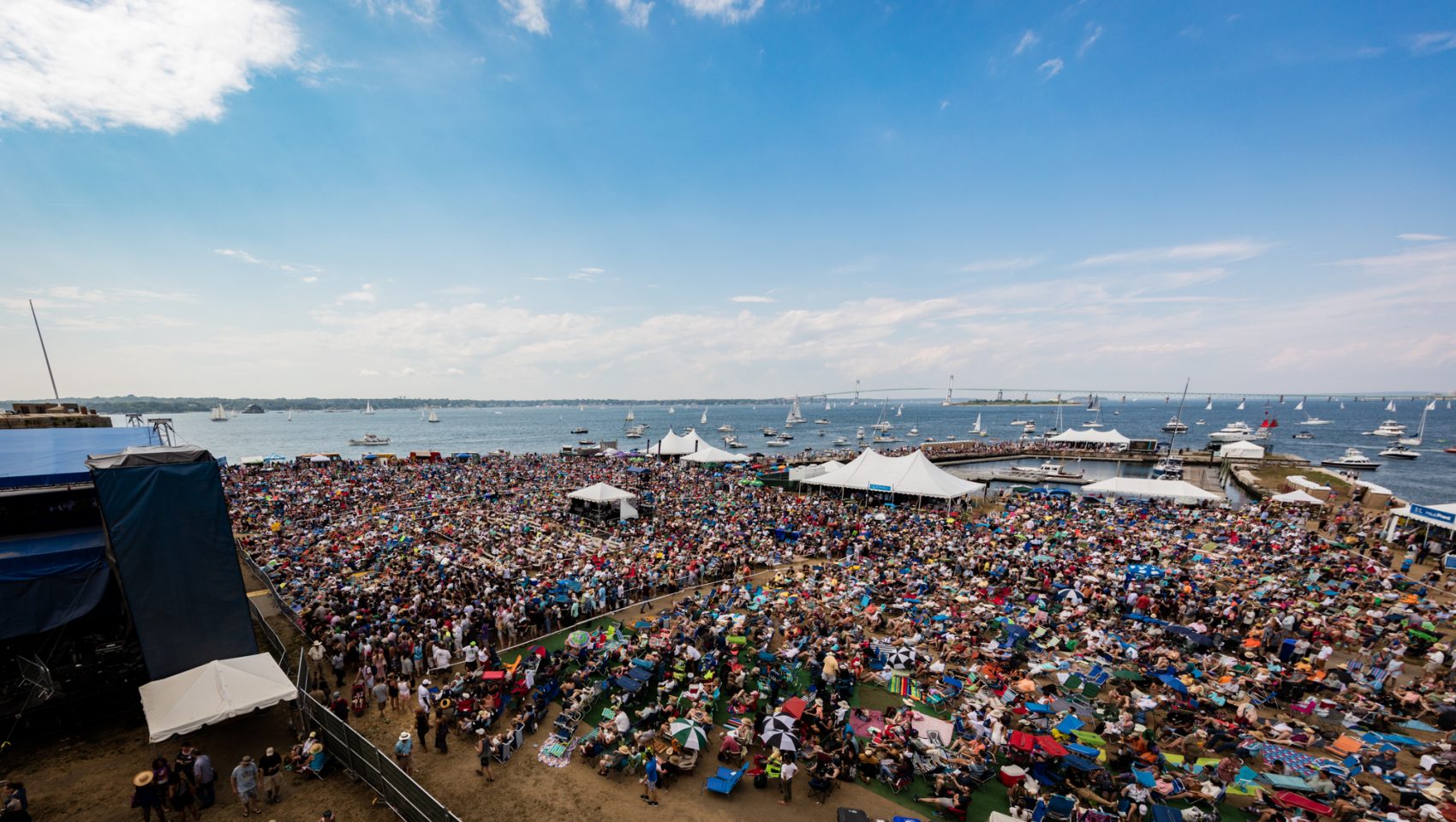
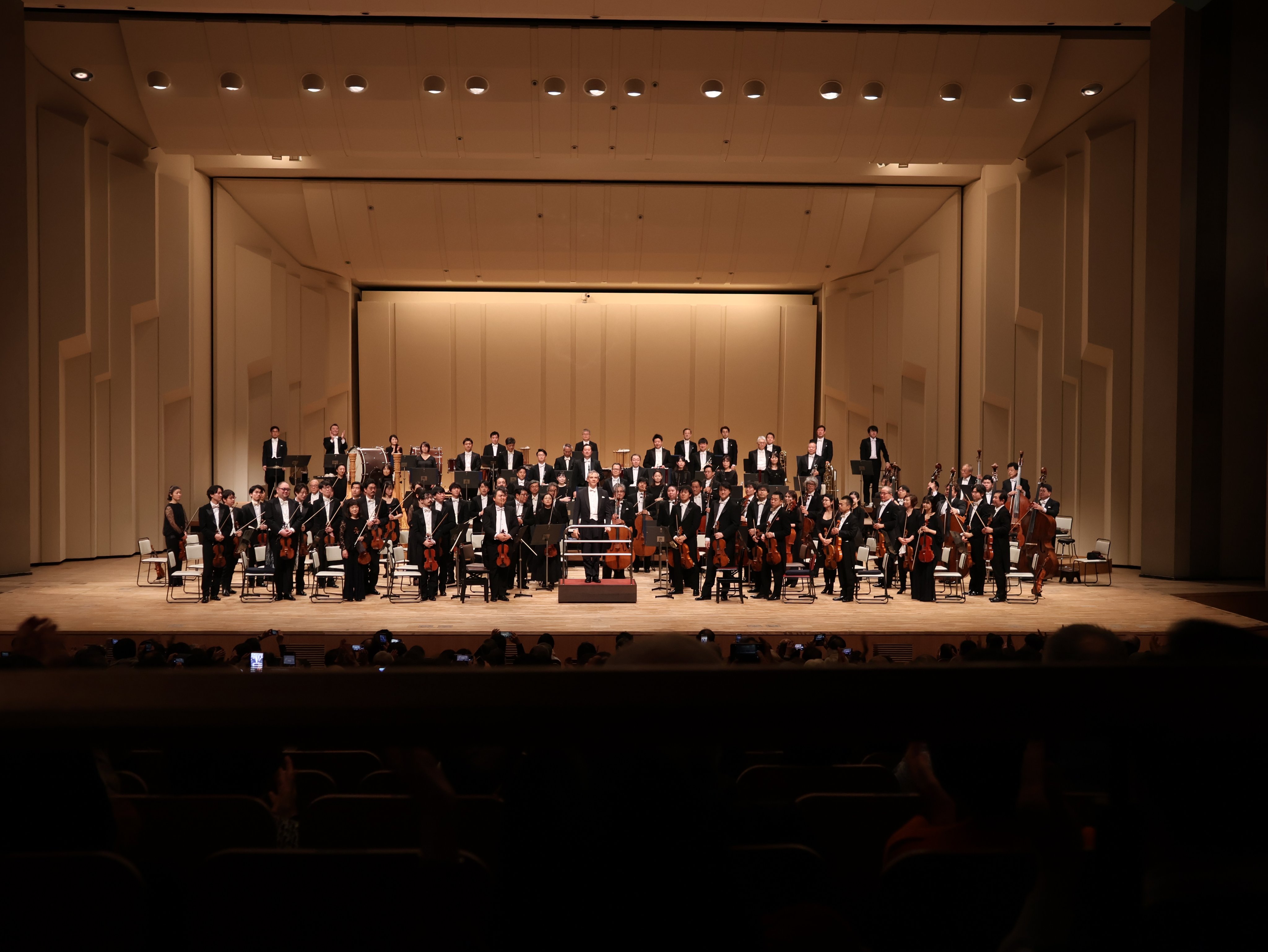
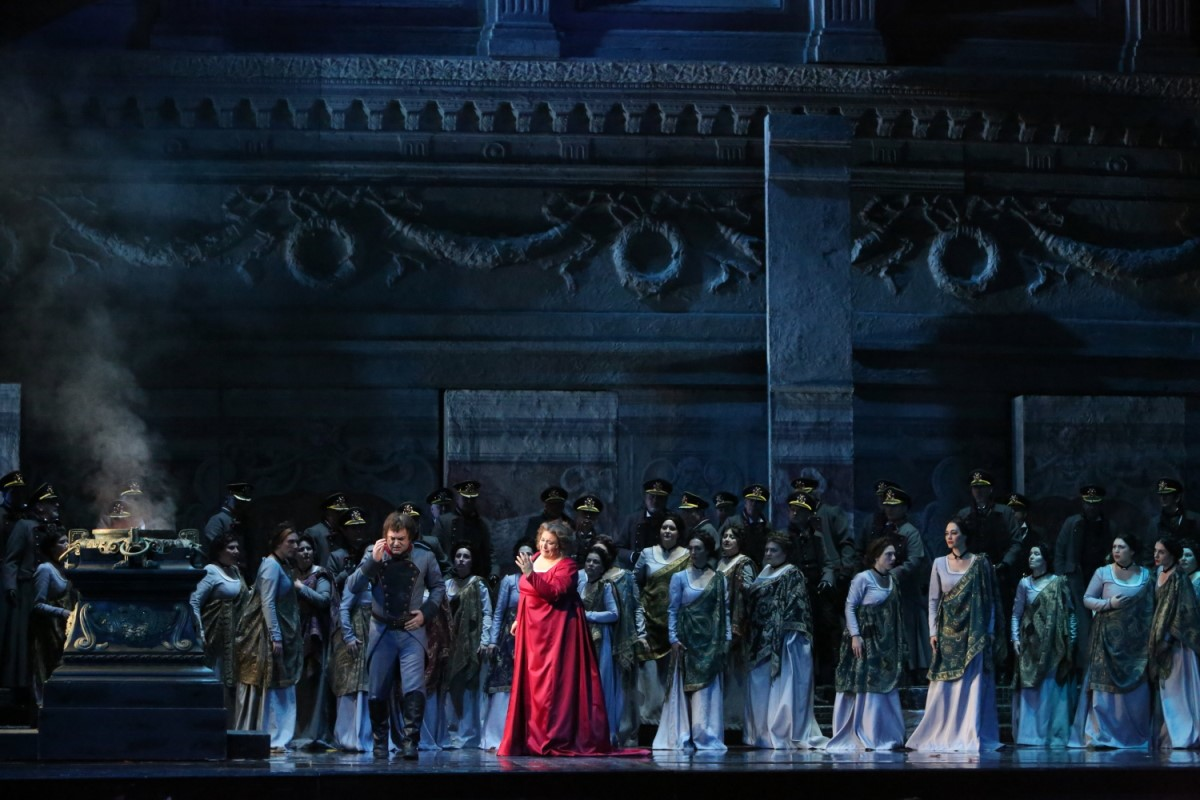
Norma ist eine tragische Oper (Originalbezeichnung: „tragedia lirica“) in zwei Akten von Vincenzo Bellini. Das Libretto stammt von Felice Romani und beruht auf einem Drama von Alexandre Soumet. Die Uraufführung mit Giuditta Pasta in der Titelrolle fand 1831 an der Mailänder Scala statt. Die Partie der Norma gilt als eine der schwierigsten und anspruchsvollsten Rollen für eine hohe Frauenstimme und fordert im Idealfall eine Darstellerin mit großen expressiven Fähigkeiten. Besonders berühmt ist die Cavatine „Casta diva“ der Norma im ersten Akt.
 Dances

挪威国家歌剧院与芭蕾舞团(挪威语:Den Norske Opera & Ballett)是挪威一家集歌剧与芭蕾舞于一体的艺术团体。
Die Norwegische Nationaloper und das Norwegische Nationalballett (norwegisch: Den Norske Opera & Ballett) sind eine norwegische Opern- und Ballettkompanie.

 Bavaria
 Vacation and Travel
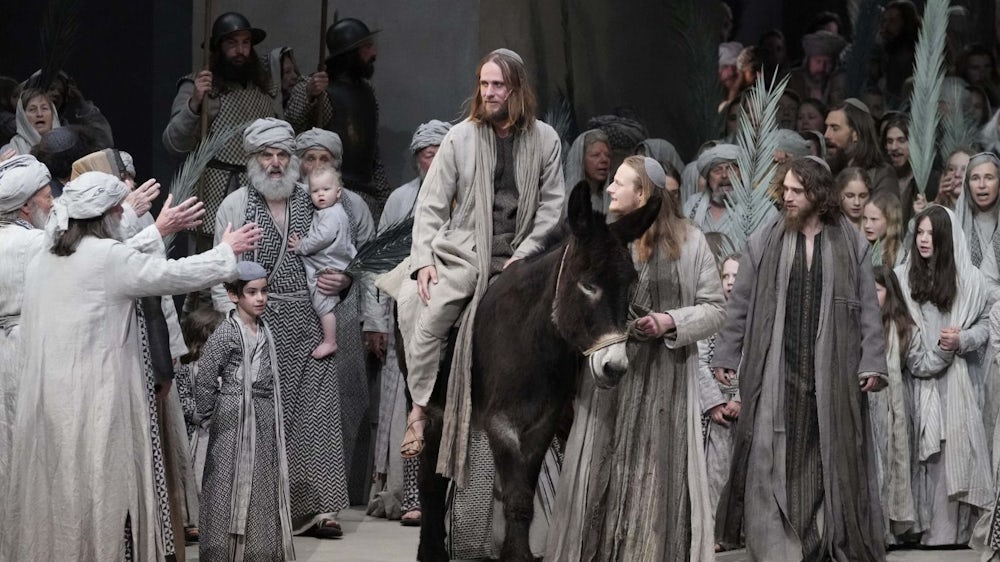
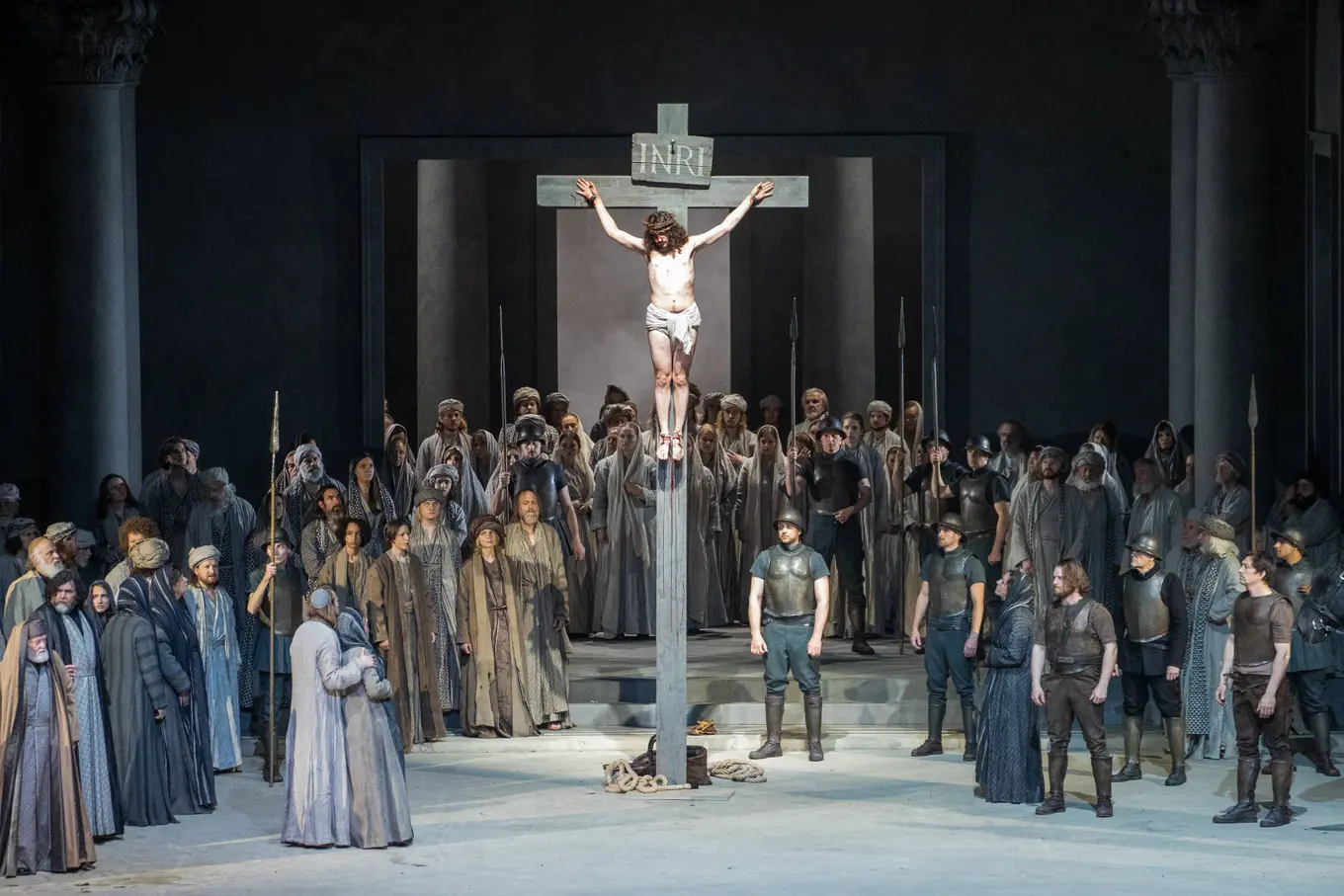
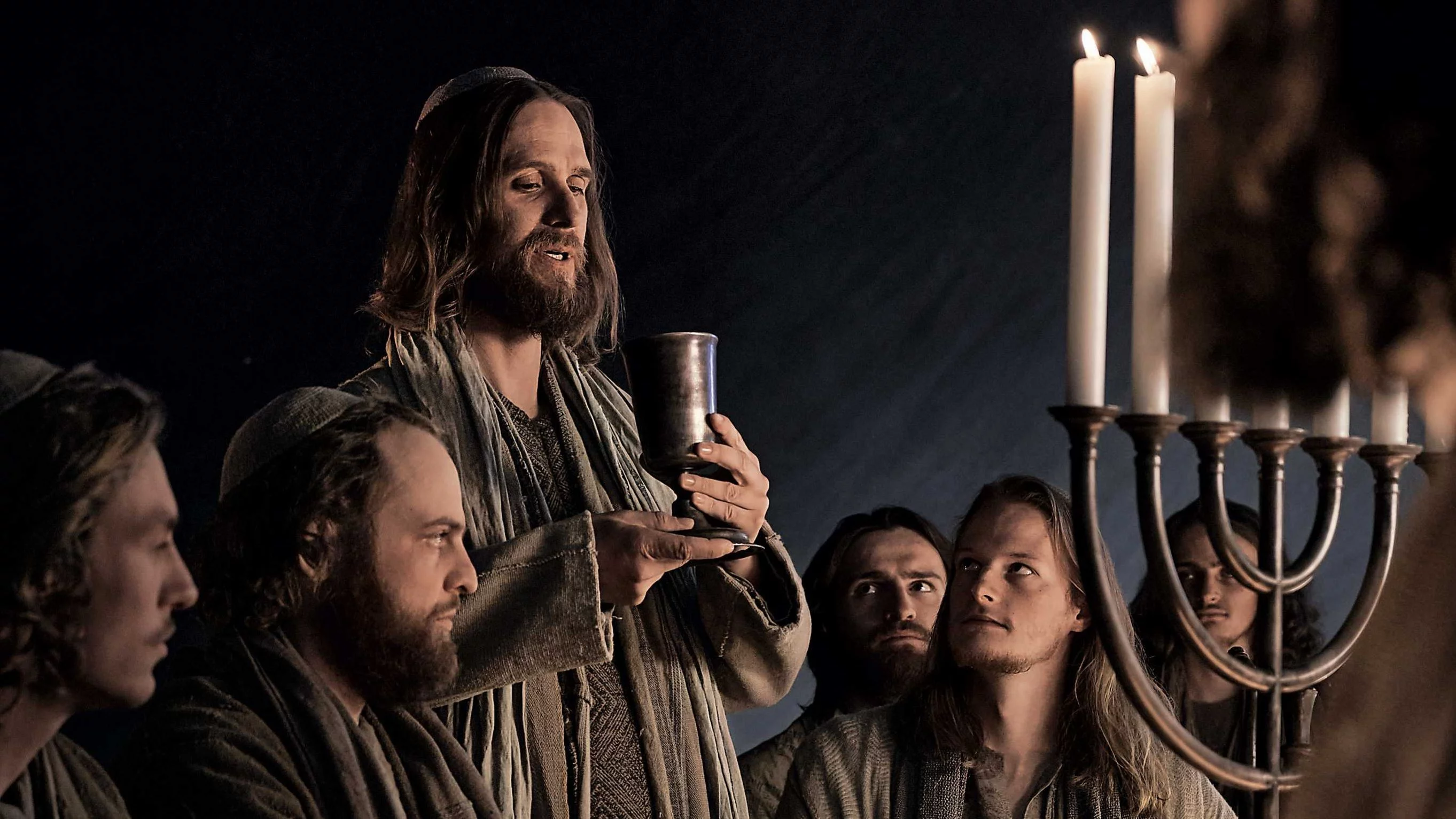
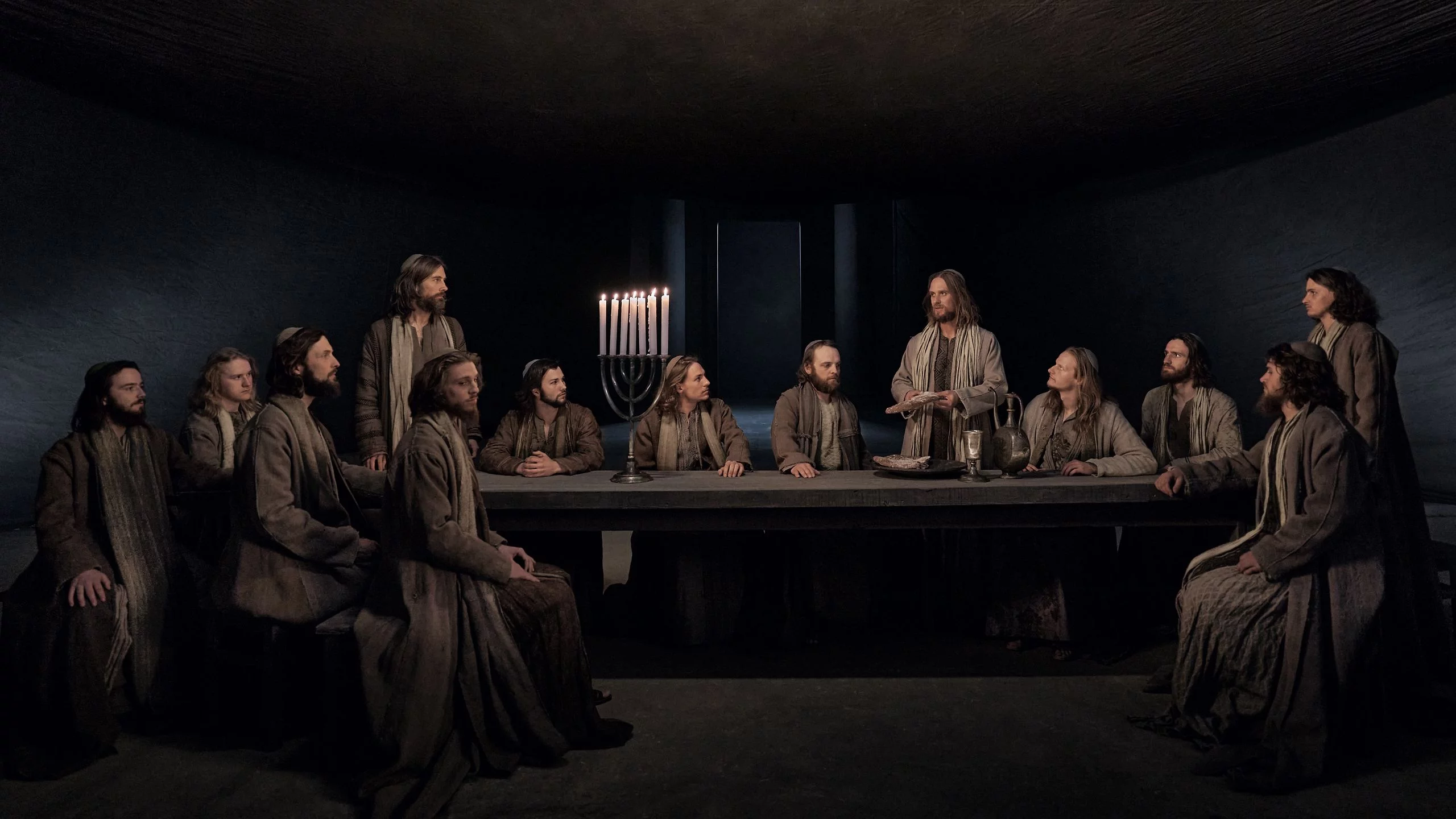
Die Oberammergauer Passionsspiele sind die weltweit bekanntesten Passionsspiele. In einer mehrere Stunden dauernden Aufführung stellen die Dorfbewohner Oberammergaus die letzten fünf Tage im Leben Jesu nach. Erstmals wurde das Passionsspiel 1634 als Einlösung eines Gelübdes nach der überstandenen Pest aufgeführt. Seit 1680 gilt ein zehnjährlicher Rhythmus, in der Regel im letzten Jahr eines Jahrzehnts.[1] Im 20. Jahrhundert gab es zwei Extra-Spielzeiten: 1934 und 1984 zur 300. und 350. Wiederkehr der ersten Aufführung. Im 21. Jahrhundert musste die für 2020 vorgesehene Aufführung wegen der Coronavirus-Pandemie auf 2022 verschoben werden.[2] Die Oberammergauer Passionsspiele wurden im Dezember 2014 in das Bundesweite Verzeichnis des immateriellen Kulturerbes im Sinne des Übereinkommens zur Erhaltung des Immateriellen Kulturerbes der UNESCO aufgenommen.
上阿默高受难剧是全球最著名的受难剧。在长达数小时的演出中,上阿默高村的村民们重现了耶稣生命中最后五天的场景。该受难剧首次于1634年上演,以履行在瘟疫结束后许下的誓言。自1680年起,该剧以十年为周期上演,通常在十年的最后一年举行。




Once is a musical based on the 2007 film of the same name by John Carney. Like the film, music and lyrics were by Glen Hansard and Markéta Irglová, including the Academy Award-winning "Falling Slowly". The book for the musical was written by Enda Walsh. The musical premiered at the New York Theatre Workshop in 2011, before transferring to Broadway in 2012. The production received eleven 2012 Tony Award nominations, and won eight including Best Musical, Best Actor and Best Book. The musical also won the 2012 Drama Desk Award for Outstanding Musical and the 2013 Grammy Award for Best Musical Theater Album. It has since spawned a London production, with a North American Tour which started on 1 October 2013.
In the musical, the cast also serves as the orchestra. A minimalist set is used, including a bar in center stage with chairs lining stage left and right. Exiting cast members simply step to the side of the stage and sit down. They serve as the orchestra from these chairs. The bar is used before the show and at intermission as a working bar for theater patrons.[1]
 Lower Austria

 Architecture
 Neoclassic architecture *
Architecture
Neo-Baroque architecture
Architecture
Beaux Art
Performing Arts
France
Neoclassic architecture *
Architecture
Neo-Baroque architecture
Architecture
Beaux Art
Performing Arts
France
 Ile-de-France
 Music
Music
Gesang
Music
Opera
Ballet
Music
Music
Gesang
Music
Opera
Ballet


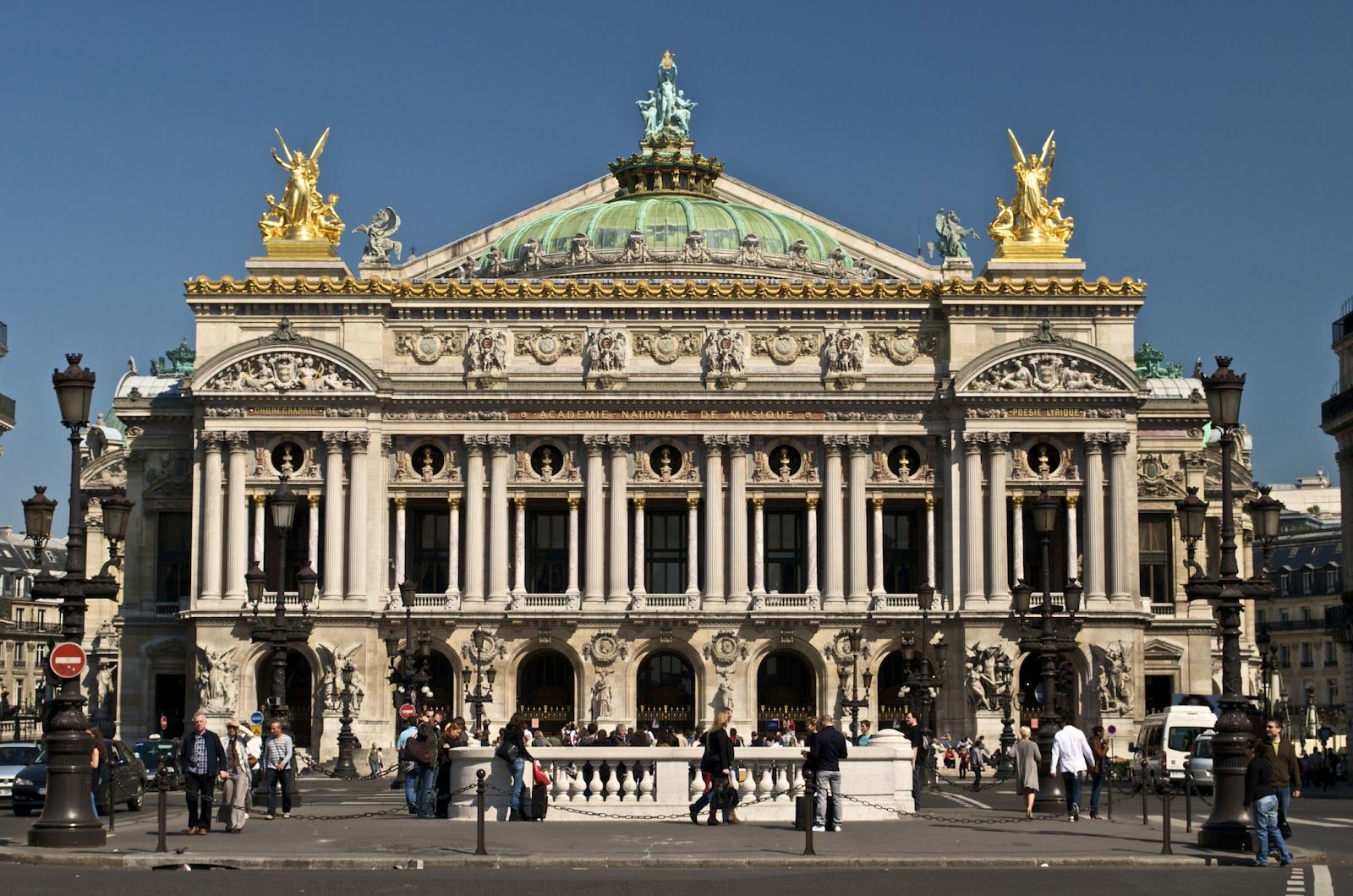
加尼叶歌剧院(法语:Opéra Garnier),通常称为巴黎歌剧院(法语:Opéra de Paris),于1861至1875年间建造,位于法国巴黎第九区,是一座拥有1979个座位的歌剧院。巴黎歌剧院是一座新巴洛克风格的建筑,由法国建筑师查尔斯·加尼叶(Charles Garnier)所设计,被认为是新巴洛克式建筑的典范之一。
在1989年坐落于巴士底广场的巴士底歌剧院落成前,加尼叶歌剧院是巴黎歌剧团的首选剧场。如今,加尼叶歌剧院多上演芭蕾舞剧目。
巴黎歌剧院与巴黎圣母院、卢浮宫以及圣心教堂被并称为巴黎的标志。
Die Opéra Garnier, auch Palais Garnier genannt, ist eines der zwei Pariser Opernhäuser, die der staatlichen Institution Opéra National de Paris unterstehen (Das zweite ist die Opéra-Comique). Die Opéra Garnier wurde 1875 eröffnet und steht am rechten Seineufer im 9. Arrondissement. Ihren Namen verdankt sie ihrem Erbauer Charles Garnier. Seit der Eröffnung der Opéra Bastille im Jahre 1989 wird die Opéra Garnier hauptsächlich für Ballettaufführungen des hauseigenen Ballettensembles Ballet de l’Opéra de Paris genutzt, führt aber nach wie vor auch klassische Opern auf.
ガルニエ宮(Palais Garnier)は、フランスの首都パリにある歌劇場である。単にオペラ座(l'Opéra)と呼ばれることもある。パリ国立オペラの公演会場の一つである。
フランスの王立オペラの歴史は1669年にさかのぼる。作曲家ロベール・カンベール(Robert Cambert)と組んで宮廷オペラを作っていた詩人ピエール・ペラン(Pierre Perrin)の請願が、財務総監コルベールの仲立ちでルイ14世に許可され、『音楽アカデミー』ができたのである。この名称は時代とともに、政治体制とともに変わった[1]。
パリの王立ないし国立のオペラ劇団が公演する劇場も転々と変わり、ガルニエ宮は13代目である。それまでの劇場は、ルーヴル美術館(フランス革命までは『ルーヴル宮』)の中や隣だったことも、約1.5km離れていたこともあった[2]。
1800年12月、第一統領だったナポレオン・ボナパルトが爆弾に見舞われたのは、8代目のテアトル・デ・ザール(Théâtre des Arts)への途次であった。1858年1月14日、ナポレオン3世が爆弾を投げられたのは、11代目のサル・ル・ペルティエ(Salle Le Peletier)の正面であった。これを機に、以前からの新オペラ座建設計画が1860年9月29日の政令で具体化し、同年12月29日、ナポレオン3世の第二帝政を称える記念碑的建造物の設計が公募された。
折から、セーヌ県知事オスマンのパリ市街区の整理再構築(パリ改造)が進行中で、建設用地は取り払われ空き地となる現在地と決まっていた。
171の応募の中に一等賞はなく、佳作が6件であった。その中からシャルル・ガルニエの案が採択され[3]、1862年7月21日に最初の礎石が置かれた。
1874年12月に工事を終え、1875年1月5日に落成式が行われた。この劇場は設計者の名から「ガルニエ宮」と呼ばれることとなった。
着工から完成までの十余年間のフランスには、1867年のメキシコ出兵の失敗、1870年の普仏戦争の敗戦とナポレオン3世の亡命(翌年没)、1871年のパリ・コミューンと第三共和政の発足などの大事件が多く、新劇場の工事を休むこともあった。
外観および内装はネオ・バロック様式の典型と言われ、たくさんの彫刻を飾り、華美な装飾を施した豪華絢爛たるものである。また建材には当時、最新の素材とされていた鉄を使用した。これによって、従来不可能とされていた巨大な空間を確保することに成功した。2167の座席が5階に配分されており、観客収容規模でも当時最大の劇場であった。
なお、ガルニエ宮正面からパレ・ロワイヤルへ直に南下するオペラ座大通り(Avenue de l'Opéra)は、この建設工事の一環として開かれた。
第二次世界大戦中のドイツ軍の占領下では、ドイツ軍の管理下で営業を続けた。1964年以降、劇場の天井画はマルク・シャガールによるものが飾られて、現代的な新味も盛り込まれている。
1989年には新しいオペラ劇場としてオペラ・バスティーユ(Opéra Bastille)が完成し、以来ガルニエ宮では、バレエと小規模オペラ、管弦楽コンサートを中心とした運用が行われている。
The Palais Garnier (pronounced [palɛ ɡaʁnje] French  (help·info)) is a 1,979-seat opera house, which was built from 1861 to 1875 for the Paris Opera. It was called the Salle des Capucines, because of its location on the Boulevard des Capucines in the 9th arrondissement of Paris, but soon became known as the Palais Garnier, in recognition of its opulence and its architect, Charles Garnier. The theatre is also often referred to as the Opéra Garnier (French (help·info)) and historically was known as the Opéra de Paris or simply the Opéra,[7] as it was the primary home of the Paris Opera and its associated Paris Opera Ballet until 1989, when the Opéra Bastille opened at the Place de la Bastille.[8] The Paris Opera now mainly uses the Palais Garnier for ballet.
The Palais Garnier has been called "probably the most famous opera house in the world, a symbol of Paris like Notre Dame Cathedral, the Louvre, or the Sacré Coeur Basilica."[9] This is at least partly due to its use as the setting for Gaston Leroux's 1910 novel The Phantom of the Opera and, especially, the novel's subsequent adaptations in films and the popular 1986 musical.[9] Another contributing factor is that among the buildings constructed in Paris during the Second Empire, besides being the most expensive,[10] it has been described as the only one that is "unquestionably a masterpiece of the first rank."[11] This opinion is far from unanimous however: the 20th-century French architect Le Corbusier once described it as "a lying art" and contended that the "Garnier movement is a décor of the grave".[12]
The Palais Garnier also houses the Bibliothèque-Musée de l'Opéra de Paris (Paris Opera Library-Museum), although the Library-Museum is no longer managed by the Opera and is part of the Bibliothèque Nationale de France.[13] The museum is included in unaccompanied tours of the Palais Garnier.[14]
L’opéra Garniera, ou palais Garniera, est un théâtre national à vocation lyrique et chorégraphique dont l'édifice est structurant dans le 9e arrondissement de Paris et dans le paysage de la capitale française. Il est situé place de l'Opéra, à l'extrémité nord de l'avenue de l'Opéra et au carrefour de nombreuses voiesb. Il est accessible par le métro (station Opéra), par le RER (ligne A, gare d'Auber) et par le bus. L'édifice s'impose comme un monument particulièrement représentatif de l'architecture éclectique et du style historiciste de la seconde moitié du XIXe siècle. Sur une conception de l’architecte Charles Garnier retenue à la suite d’un concours, sa construction, décidée par Napoléon III dans le cadre des transformations de Paris menées par le préfet Haussmann et interrompue par la guerre de 1870, fut reprise au début de la Troisième République, après la destruction par incendie de l’opéra Le Peletier en 1873. Le bâtiment est inauguré le 5 janvier 1875 par le président Mac Mahon sous la IIIe République.
Cet opéra a été appelé « opéra de Paris » jusqu'en 1989, date à laquelle l'ouverture de l'opéra Bastille, également opéra de Paris, a influé sur son appellation. On le désigne désormais par le seul nom de son architecte: « opéra Garnier » ou « palais Garnier ». Les deux opéras sont aujourd'hui regroupés au sein de l'établissement public à caractère industriel et commercial « Opéra national de Paris », institution publique française dont la mission est de mettre en œuvre la représentation de spectacles lyriques ou de ballet, de haute qualité artistique. L'opéra Garnier fait l’objet d’un classement au titre des monuments historiques depuis le 16 octobre 1923.
L'Opéra Garnier, o Palais Garnier, è un teatro situato nel IX arrondissement di Parigi, facente parte de l'Opéra national de Paris.
Dal 16 ottobre 1923 è monumento storico di Francia.
La Ópera Garnier, también conocida como Palacio Garnier u Ópera de París, es uno de los edificios más característicos del XIX Distrito de París y del paisaje urbano de la capital francesa. Napoleón III ordenó su construcción al arquitecto Charles Garnier, quien lo diseñó en Estilo Imperio.
Desde su inauguración en 1875, la ópera fue llamada oficialmente Academia Nacional de Música-Teatro de la Ópera. Conservó su título hasta 1978, cuando fue renombrada Teatro Nacional de la Ópera de París. En 1989 la Compañía de la Ópera trasladó su sede al recién construido Teatro de la Bastilla y su vieja sede recibió el nombre de Palacio Garnier, donde permanece la Academia Nacional de Música. A pesar del cambio de nombre oficial y del traslado de la Compañía de la Ópera, el Palacio Garnier sigue siendo conocido popularmente por el nombre de Ópera de Garnier en París.
Пари́жская о́пера (фр. Opéra de Paris), то же, что Гранд-опера́ (Гранд-Опера́[1]; фр. Grand Opéra), в современной Франции известна как Опера́ Гарнье́ (фр. Opéra Garnier) — театр в Париже, один из самых известных и значимых театров оперы и балета мира.
Расположена во дворце Гарнье (Palais Garnier) в IX округе Парижа, в конце проспекта Оперы (avenue de l’Opéra), около одноимённой станции метро. Здание считается эталоном эклектической архитектуры в стиле боз-ар и относится к эпохе крупных преобразований города, воплощённых Наполеоном III и префектом Османом.
Долгое время здание театра именовалось Парижской оперой, но после открытия в 1989 году второй театральной площадки для Парижской национальной оперы — Оперы Бастилии, его стали называть именем архитектора Шарля Гарнье. Оба учреждения объединены в общественно-коммерческое предприятие «Парижская национальная опера» (Opéra national de Paris).
