
漢德百科全書 | 汉德百科全书
 Religion
哲布尊丹巴呼图克图(藏语:རྗེ་བཙུན་དམ་པ་,藏语拼音:Jetsun Dampa,威利:rje btsun Dam pa;蒙古语:ᠵᠠᠪᠽᠠᠨᠳᠠᠮᠪᠠ
ᠺᠦᠲᠠᠭᠲᠦ,鲍培转写:Jabzandamba Khutagt,西里尔字母:Жавзандамба хутагт)或译哲布壯丹巴、澤卜尊丹巴、折卜尊丹巴等),蒙古语亦称温都尔格根(高位光明者)、帕克托格根(圣光明者)或博格多格根(蒙古语:ᠪᠣᠭᠳᠠ
ᠭᠡᠭᠡᠭᠡᠨ,中蒙通用转写:Boɡda gegegen,西里尔字母:Богд Гэгээн),是外蒙古藏传佛教最大的活佛世系,屬格鲁派,于17世纪初形成,与内蒙古的章嘉呼图克图并列为蒙古两大活佛。是与达赖喇嘛、班禅额尔德尼、章嘉呼图克图齐名的藏传佛教的四大活佛之一。
Jebtsundamba Khutukhtu (mongol.: ᠵᠠᠪᠽᠠᠨᠳᠠᠮᠪᠠ ᠺᠦᠲᠠᠭᠲᠦ / Жавзандамба хутагт / Dschavdsandamba chutagt, Varianten: Jevsundamba Khutukhtu; Khalkha Jetsün Dampa) ist der Titel des höchsten Lama der Gelugpa im Buddhismus in der Mongolei. Er wird auch als Bogd Gegen (ᠪᠣᠭᠳᠠᠭᠡᠭᠡᠭᠡᠨ / Богд Гэгээн / Bogd Gegeen) bezeichnet. Der 1. Jebtsundamba Khutukhtu Dsanabadsar wurde vom 5. Dalai Lama Ngawang Lobsang Gyatsho als Trülku des Taranatha anerkannt[1].
 History

 Review
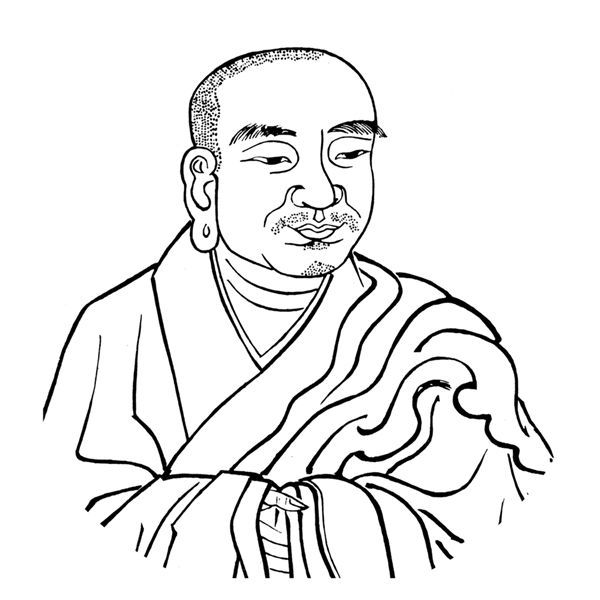
真谛(梵语:परमार्थ Paramārtha,499年—569年),音译波罗末陀,又名亲依(梵语:Kulanātha),音译拘罗那他,中国佛教四大译经家之一。
西天竺优禅尼国人,出身婆罗门种姓。少时博访众师,学通内外,尤精于大乘之说。为印度大乘佛教瑜伽行派传人,主宗无相(nirākāra)唯识学。安慧的唯识理论,主张只有“自证分”是实有,见、相二分都非实有,所以他的唯识理论是“无相唯识”。
由于博览群书,精通佛理,立志周游诸国,弘阐佛法,不畏艰险,先至扶南(今柬埔寨),后由梁武帝礼请来到中国,大同十二年达于南海(广州)。武帝太清二年(548年)抵达建业(南京),因遇侯景之乱,被迫逃难于苏杭,后开始从事佛经翻译事业,一生共翻译64部278卷,其中以《摄大乘论》、《俱舍论》、《金七十论》等最为著名。晚年(562年)因感慨“弘法非时,有阻来意”,于是坐船欲西返印度,但却被风浪所阻,又漂回广州。
受刺史欧阳?竭诚供养,智恺等人亦来皈依,由此继续其翻译、弘法事业。真谛翻译经典的特色,是一边讲学、一边翻译,译述并进,并时常从事“义疏注记”。史载他“循环辩释,反复郑重,乃得相应。一章一句,备尽研核,释义若竟,方乃著文。”在他的影响下,成立了摄论宗、俱舍宗一派。真谛之著作皆已佚失,其学说只能在吉藏、圆测、窥基、法藏等人的引述及其译作中得见。
Paramārtha (Sanskrit, Devanagari: परमार्थ; traditionelles Chinesisch: 真諦; vereinfachtes Chinesisch: 真谛; Pinyin: Zhēndì) (499-569 n. Chr.) war ein indischer Mönch aus Ujjain, der vor allem für seine produktiven chinesischen Übersetzungen buddhistischer Texte während der Zeit der Sechs Dynastien bekannt ist. Er ist als einer der vier großen Übersetzer in der chinesischen buddhistischen Geschichte bekannt (zusammen mit Kumārajīva und Xuanzang). Er ist auch für die verschiedenen mündlichen Kommentare bekannt, die er zu seinen Übersetzungen gab und die von seinen Schülern niedergeschrieben wurden (und heute nur noch in fragmentarischer Form erhalten sind). Einige von Paramārthas einflussreichen Übersetzungen sind Vasubandhus Abhidharmakośa, Asaṅgas Mahāyānasaṃgraha und Dignāgas Ālambanaparīkṣā & Hastavālaprakaraṇa.
 Architecture
 Vacation and Travel

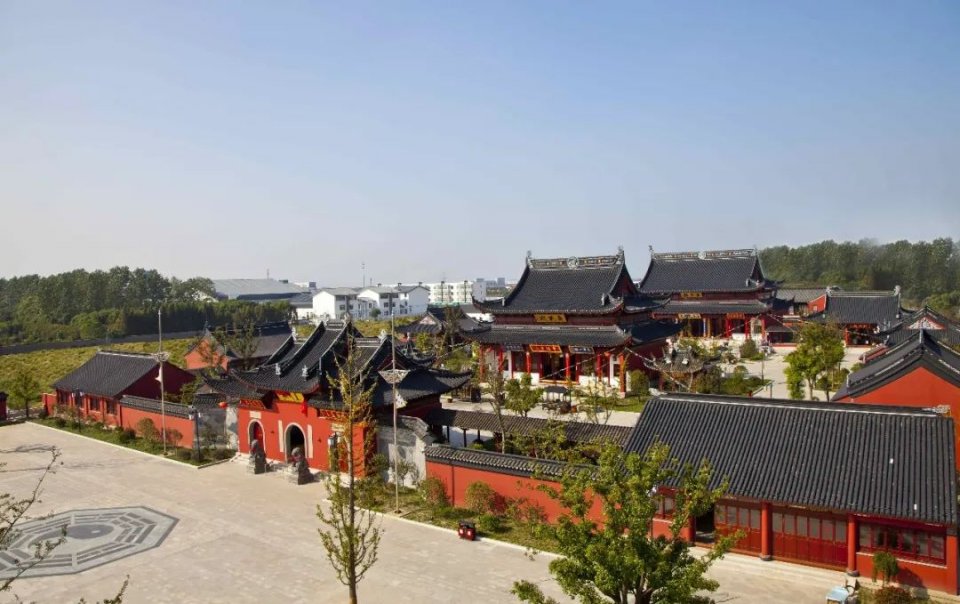

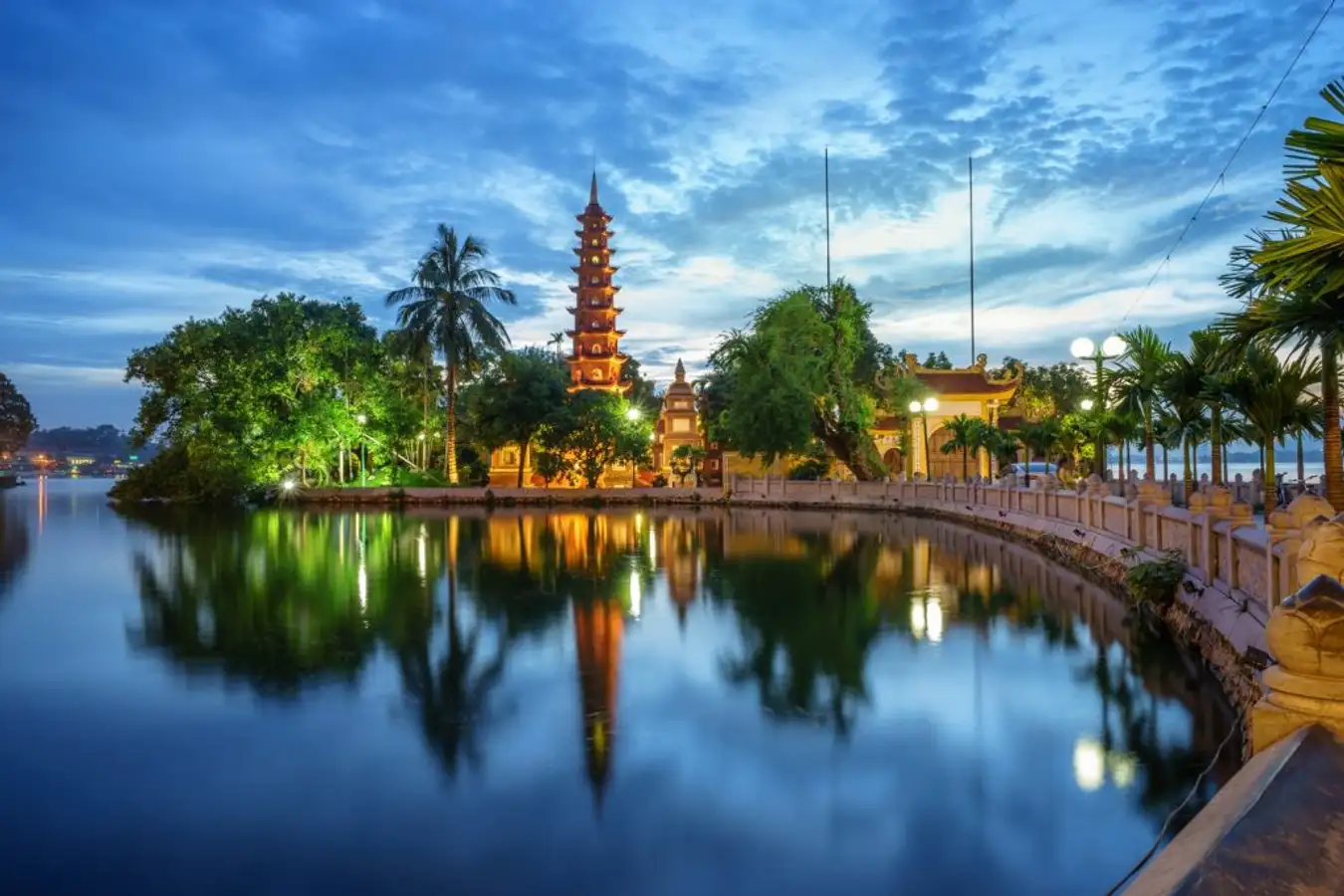
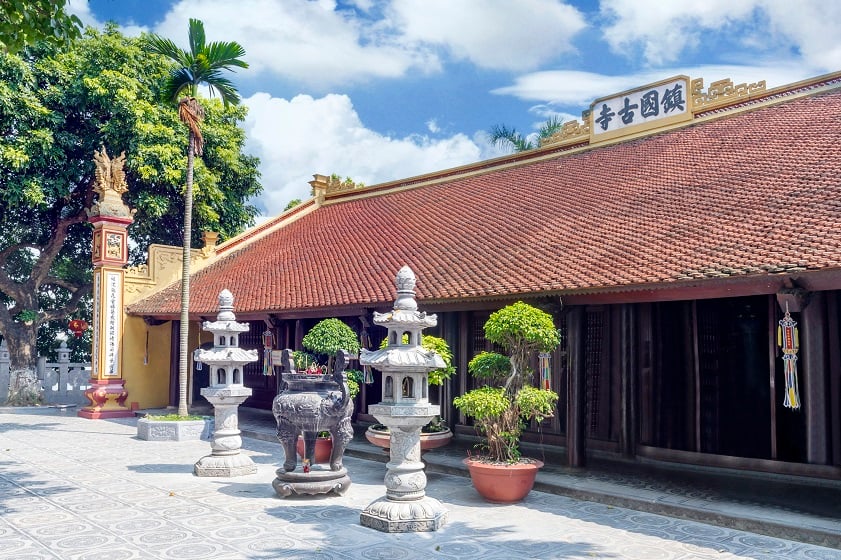


Trấn Quốc Pagode (Vietnamesisch: chùa Trấn Quốc, chữ Nôm: ?鎭國; Vietnamesisch: Trấn Quốc tự, chữ Hán: 鎮國寺), der älteste buddhistische Tempel in Hanoi, befindet sich auf einer kleinen Insel in der Nähe des südöstlichen Ufers des Westsees in Hanoi, Vietnam.
镇国寺(越南语:Chùa Trấn Quốc/?鎮國)是越南河内的一座佛寺,坐落于靠近西湖东南岸的一个小岛上。镇国寺是河内最古老的佛寺,最初建于公元六世纪李南帝统治时期,名为开国寺,选址在红河岸边。由于河流的侵蚀,该寺在1615年搬迁到西湖中的金鱼岛,即今天的所在地。一条小堤道连接着陆地。多年来,镇国寺曾命名为安国寺以及镇北寺。镇国寺位于西湖以东的一座小岛上,是河内市最古老的寺庙。这座寺年纪1500岁多并最近被评选为世界上最美的寺庙之一”。该网站还提供镇国寺的水湖和这座寺庙的亮点——菩提树。这是源自25个世纪前印度菩提伽耶释迦牟尼悟道的菩提树衍生出来的。
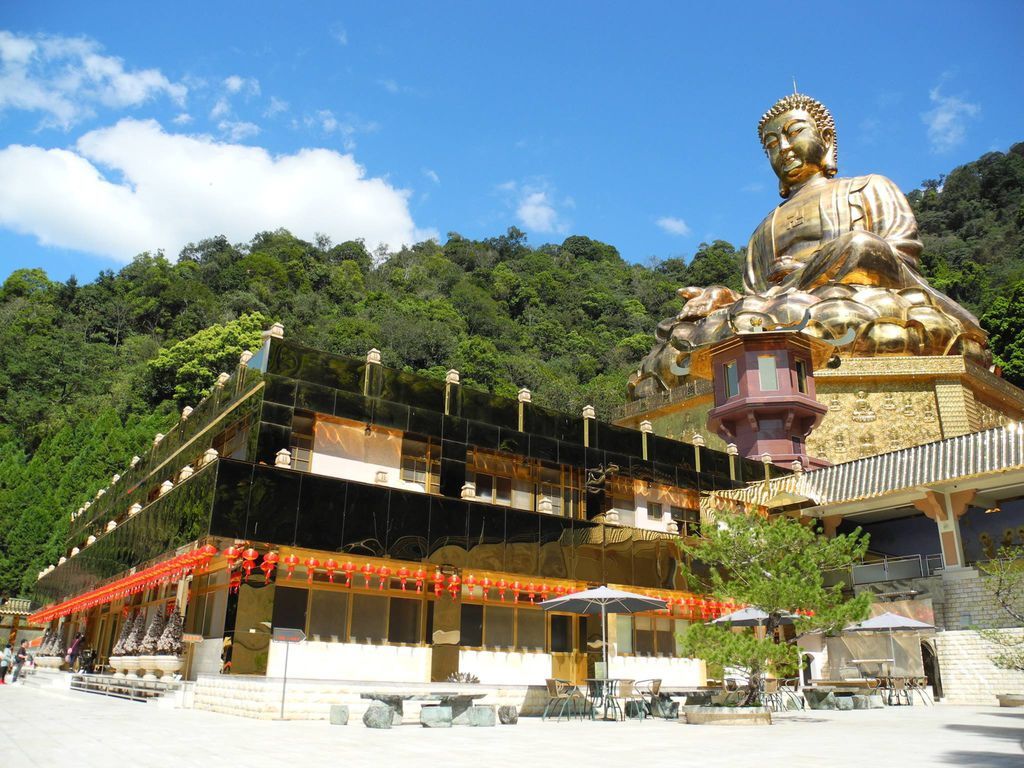


Das Chion-in (japanisch 知恩院) mit dem Bergnamen Kachōzan (華頂山) ist ein Tempel im Stadtbezirk Higashiyama der Stadt Kyōto, Japan (nördlich vom Maruyama-Park und dem Yasaka-Schrein). Er ist der Haupttempel der Jōdo-Richtung des Buddhismus.
知恩院(ちおんいん)是位在日本京都府京都市东山区的寺院,为日本净土宗镇西派的总本山。山号“华顶山”(かちょうざん)。本尊为法然上人像(本堂)及阿弥陀如来(阿弥陀堂)、开基(创立者)为法然上人。知恩院的三门(正门)始建于元和七年(1621年)由江户幕府二代将军德川秀忠兴建,高有24米,宽有50米,屋瓦用了七万块。也是日本现今少数存有的大型木造二重门。三门楼上放置释迦如来像、十六罗汉像和知恩院“七不思议”之一的白木棺。在三门上还有高挂灵元天皇御赐“华顶山”的匾额。
