
Deutsch-Chinesische Enzyklopädie, 德汉百科
 Religion
 Music charts

 Music
Music
 Architecture
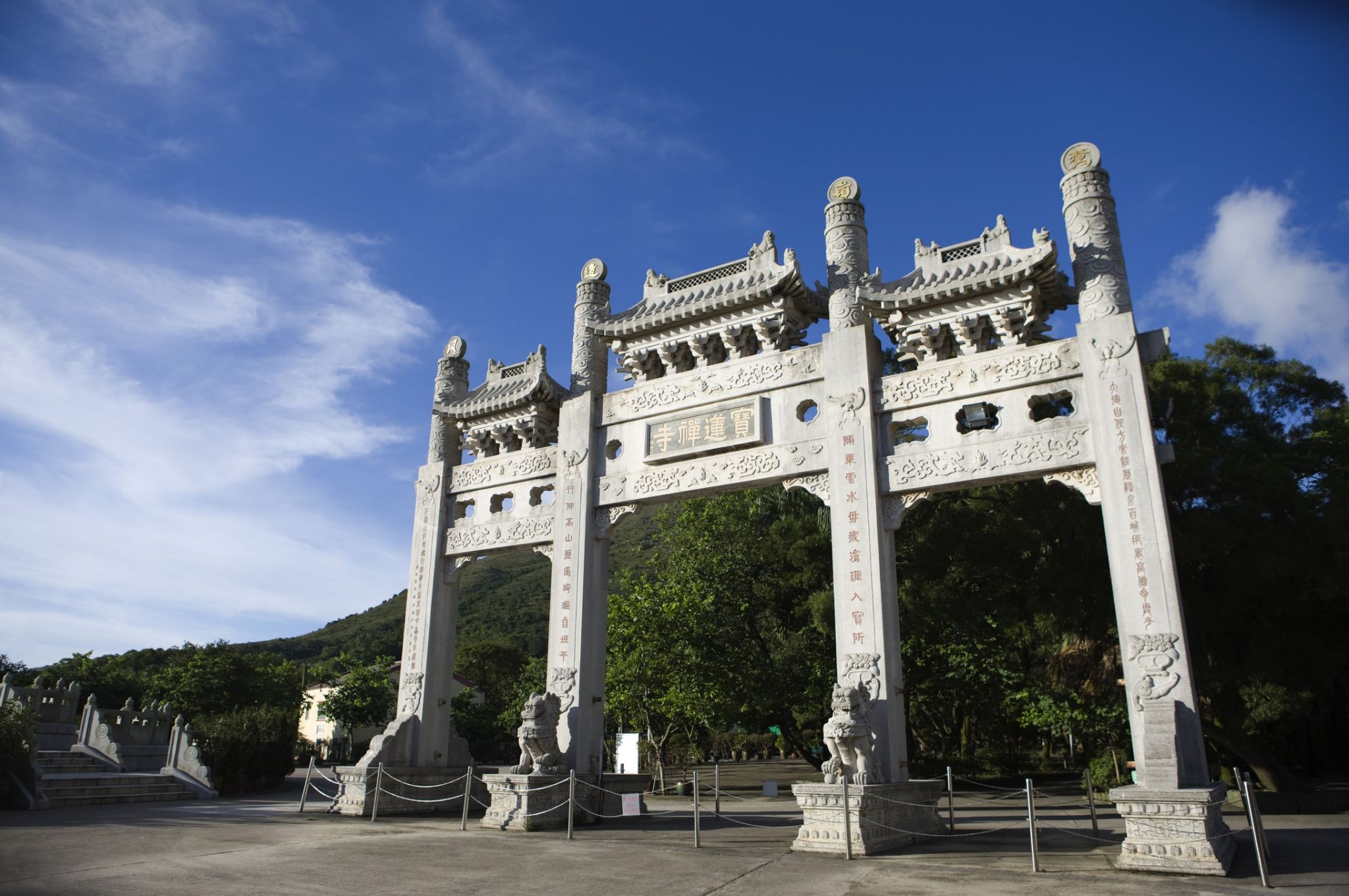
宝莲禅寺(Po Lin Monastery),或称宝莲寺,为香港一座佛教寺庙,亦为香港旅游景点之一,位于新界大屿山昂坪,介乎弥勒山与凤凰山之间。寺庙前身为大茅蓬,由中国江苏镇江金山寺的顿修、大悦和悦明三位禅师建于1906年(即清光绪三十二年)。直到1924年,第一代住持纪修和尚正式命名为宝莲禅寺。
而刻有“永破无明是最安乐”的宝莲寺第二代住持筏可法师的荣寿纪念碗子被香港本地历史学者邓家宙所收藏[1]。
Po Lin Monastery is a Buddhist monastery, located on Ngong Ping Plateau, on Lantau Island, Hong Kong.
The monastery was founded in 1906 by three monks visiting from Jiangsu Province on the Chinese mainland and was initially known simply as "The Big Hut" (大茅蓬 Tai Mao Pung). It was renamed to its present name in 1924. The main temple houses three bronze statues of the Buddha – representing his past, present and future lives – as well as many Buddhist scriptures.
Tian Tan Buddha, a giant Buddha statue completed in 1993, is an extension of the monastery.
The Ngong Ping 360, consisting of the Ngong Ping village and a gondola lift running between Tung Chung and Ngong Ping, was built near to the Po Lin Monastery. The monastery boasts many prominent architectural structures, such as the Main Shrine Hall of Buddha, the Hall of Bodhisattva Skanda.[1]
This monastery is also noted for making wooden bracelets that are only sold near the Tian Tan Buddha statue.
In 1918, three nuns ordained at this monastery established a private nunnery called Chi Chuk Lam (紫竹林) on Lantau's Lower Keung Hill (下羌山). The nunnery is dedicated to Guanyin, the Goddess of Mercy. There were about 20 jushi and nuns residing there in the 1950s, but now only an elderly abbess remains.[2]
教皇亦称“教宗”,译自拉丁文papa, 源于希腊文pappas,意指“爸爸”,最初本为古代天主教对其神职人员的一般尊称,至今在东派教会中仍有以此称神父者。天主教成为罗马帝国国教后,罗马、君土坦丁堡、亚历山大里亚、安提啊和耶路撒冷五地的主教均用此称谓来表示其宗主教之衔,而罗马主教认为此衔仅指西部教会的领袖。西罗马帝国灭亡后,罗马主教成为西方教会中的最高首领,加之756年法兰克王丕平“献土”后又在意大利形成“教皇国”世俗政权,“papa"这一称谓遂逐渐为罗马主教所独有,开始构成“教皇”之涵义。到11世纪时,罗马主教格列高利七世独占“papa"之称,从而正式形成了西方罗马天主教会的教皇制度。 “papa"一词也就作为“教皇”之专称沿用下来,即今日英语中的“pope”、德语中的“Papst'和法语中的“pape”。
按照天主教会的传统说法,耶稣基督的第一个门徒伯多禄乃众门徒之首,他于传教过程中去罗马担任了罗马教会的第一任主教。从此,罗马主教均为伯多禄的继位人,其地位因而也在其他主教之上。这便是“教皇制”的由来。所以,“教皇”的全称为“罗马教区主教、罗马教省都主教、西部宗主教;梵蒂冈君主、教皇”,亦称“宗徒伯多禄的继位人”、 “基督在世的代表”等。
在天主教会的教阶体制中,教皇享有最高的立法权和司法权,能制定或废除教会法规,指定人员组成教廷,创立教区,任命主教,而且“在伦理和信仰上永无谬误”。在11世纪前,教皇须经世俗君主或意大利贵族遴选或认可。尼古拉二世登基后于1059年决定教皇由枢机主教选举产生,但须得到法兰克王亨利一世及其继位者的认可。直到1179年第三次拉特兰会议和1274年第二次里昂会议两次确认后,才正式规定教皇可单由枢机主教选举产生,不过仍须承认法、西、奥三国君主对候选人具有否决权。20世纪初,庇护十世废除了这种世俗君主的否决权。1914年,本笃十五世遂成为单由枢机主教选为教皇的第一人。教皇当选后任职终身,不受罢免,但可自行辞职。
 North Rhine-Westphalia
 Review
 History

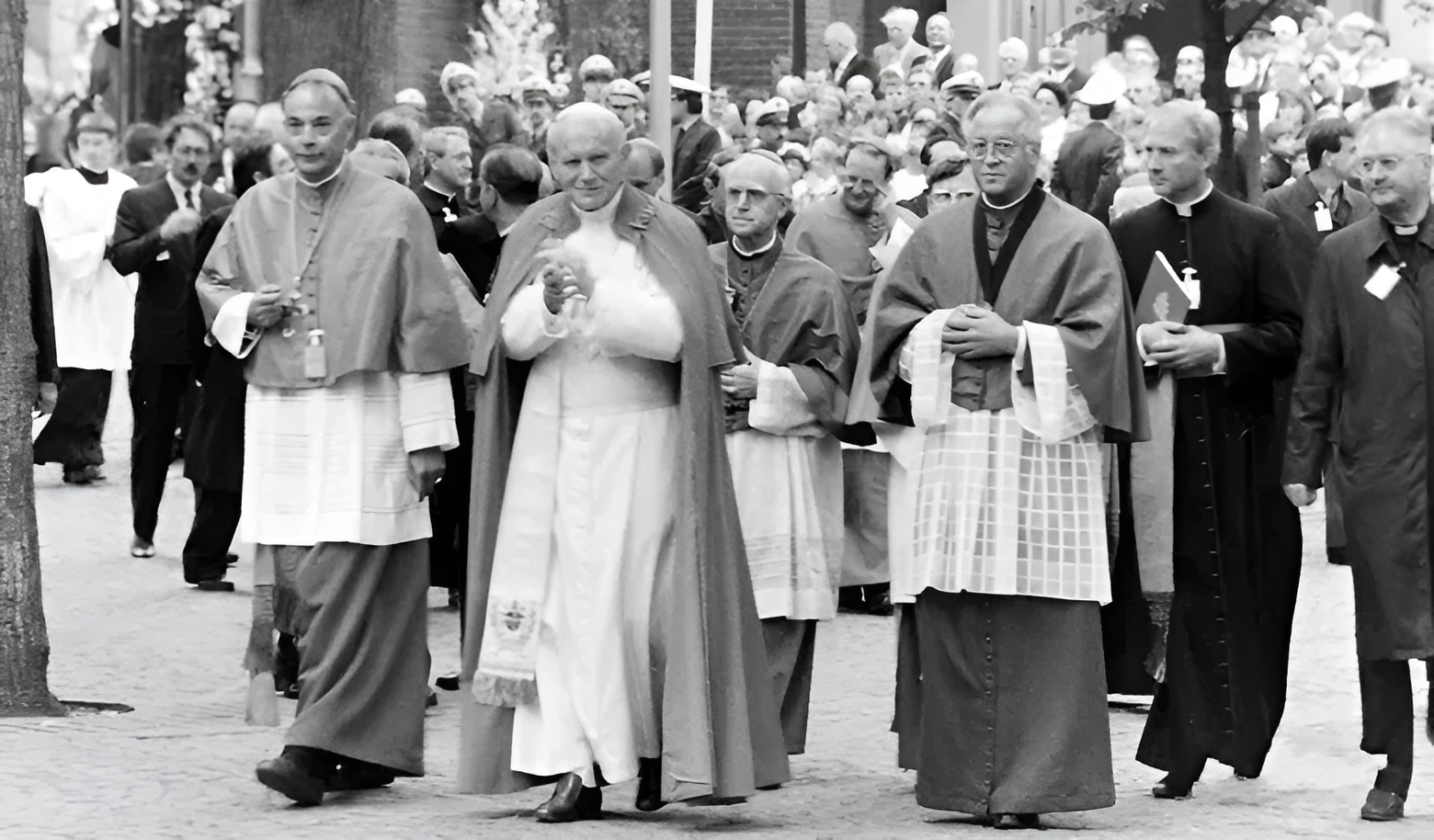
乌尔班二世(UrbanⅡ1035—1099年),罗马教皇(1088—1099年在位),中世纪四大拉丁神父之一,他在神圣罗马帝国皇帝的重压下,另辟战场,发起了十字军东征,重振了教皇的权威。他继续推行前教皇格列高利七世的教会教革和教权至上的政策,比起前任取得更大的成功。虽说格利哥里七世开始了罗马教廷与德皇长达二世纪的权力之争,但却以死于异乡的悲剧告终,而乌尔班二世终于战胜了德皇支持的敌对势力,最后在罗马站住脚,安然渡过了余生。
Urban II., vormals Odo de Chatillon, Odo de Lagery oder Eudes de Châtillon, auch Eudes de Lagery, Otto von Lagery, Otto von Châtillon, Bischof Otto von Ostia (* um 1035; † 29. Juli 1099)[1] war Papst von 1088 bis 1099.
Er rief am 27. November 1095 zum Kreuzzug auf. Durch diesen ersten Kreuzzug sollte das morgenländische Christentum (unter anderem auch Jerusalem) von der Herrschaft der Muslime befreit werden. Urban wurde am 14. Juli 1881 von Leo XIII. seliggesprochen.



 Military, defense and equipment

教皇的象征性军队是瑞士卫队,其漂亮的服装是米开朗基罗设计的。按照古老的传统,这支卫队由瑞士青年组成,他们是经过严格挑选后被招募来的。他们配备 有短剑和戟,即一种长矛,但他们也配备有相当现代化的武器。他们对教皇的忠诚是绝对的。1527年,罗马失陷,教皇逃到圣天使古堡,为保卫教皇,瑞士卫队 全体战死。(Quelle: www.worlddiy.net)
宗座瑞士近卫队(拉丁语:Pontificia Cohors Helvetica;德语:Päpstliche Schweizergarde;意大利语:Guardia Svizzera Pontificia;英语:Pontifical Swiss Guard),于1506年由教宗儒略二世建立。瑞士近卫队是现存最古老的军事组织之一。
瑞士近卫队的制服包含蓝色、红色、橙色和黄色,具有明显的文艺复兴时期外观。现代瑞士近卫队的性质,就如同教宗的保镖一样。瑞士近卫队配备的武器包含了传统的斧枪以及多项现代武器。
Die Päpstliche Schweizergarde (italienisch Guardia Svizzera Pontificia (GSP), lateinisch Pontificia Cohors Helvetica, auch Cohors Pedestris Helvetiorum a Sacra Custodia Pontificis) ist das einzige verbliebene päpstliche Militärkorps in Waffen. Sie sichert den Apostolischen Palast, die Zugänge zur Vatikanstadt sowie die Zugänge zur Sommerresidenz des Papstes im Städtchen Castel Gandolfo, und ist für die persönliche Sicherheit des Papstes verantwortlich. Die offiziellen Sprachen (Kommandosprachen) der Garde sind Deutsch und Italienisch. Die Gardisten vertreten öfter alle vier schweizerischen Landessprachen. Das Korps wurde im Jahre 1506 durch Papst Julius II. gegründet.
The Pontifical Swiss Guard (also Papal Swiss Guard, or just Swiss Guard; Latin: Pontificia Cohors Helvetica or Cohors Pedestris Helvetiorum a Sacra Custodia Pontificis; Italian: Guardia Svizzera Pontificia; German: Päpstliche Schweizergarde; French: Garde suisse pontificale) is a small force maintained by the Holy See that is responsible for the safety of the Pope, including the security of the Apostolic Palace. The Swiss Guard serves as the de facto military of Vatican City. Established in 1506 under Pope Julius II, the Pontifical Swiss Guard is among the oldest military units in continuous operation.[2]
The dress uniform is of blue, red, orange and yellow with a distinctly Renaissance appearance. The modern guard has the role of bodyguard of the Pope. The Swiss Guard is equipped with traditional weapons, such as the halberd, as well as with modern firearms. Since the assassination attempt on Pope John Paul II in 1981, a much stronger emphasis has been placed on the guard's non-ceremonial roles, and has seen enhanced training in unarmed combat and small arms.
Recruits to the guards must be unmarried Swiss Catholic males between 19 and 30 years of age who have completed basic training with the Swiss Armed Forces.[3]
La Garde suisse pontificale (en latin : Cohors Helvetica Pontificia) est une force militaire chargée de veiller à la sécurité du pape et du Vatican. Elle est la dernière Garde suisse encore existante (des détachements de mercenaires suisses servaient de garde rapprochée et protocolaire dans différentes cours européennes à partir du XVe siècle). Créée le 22 janvier 1506 sur l'ordre du pape Jules II, elle est la 2ème plus petite armée du monde avec 135 militaires contre 120 à la Compagnie des Carabiniers du Prince de Monaco.
La Guardia svizzera pontificia (detta anche semplicemente Guardia svizzera; in latino: Pontificia Cohors Helvetica o Cohors Pedestris Helvetiorum a Sacra Custodia Pontificis; in tedesco: Päpstliche Schweizergarde; in francese: Garde suisse pontificale) è un corpo armato fedelmente al servizio del papato dal 22 gennaio 1506. Si tratta dell'unico corpo di guardie svizzere ancora operativo.
La tipica uniforme colorata di foggia rinascimentale per le cerimonie solenni si accompagna ad abiti più sobri a livello operativo. La moderna guardia ha il ruolo di difesa personale del pontefice. La guardia svizzera pontificia è equipaggiata formalmente con armi tradizionali come alabarde, ma possiede in dotazione per tutte le guardie anche moderne armi da fuoco di piccola taglia.
Dal tentativo di assassinio di Giovanni Paolo II nel 1981, la guardia svizzera è stata orientata dal tradizionale ruolo meramente cerimoniale ad un ruolo più attivo nella difesa della persona del papa.
Le reclute di questo corpo devono essere necessariamente cittadini svizzeri dalla nascita, cattolici, maschi tra i 19 ed i 30 anni e devono aver fatto un periodo di formazione presso l'esercito svizzero.[1]
La Guardia Suiza (en latín: Custodes Helvetici; en italiano: Guardia Svizzera) es un cuerpo militar encargado de la seguridad del papa y de la Santa Sede. Otro cuerpo de guardias de origen suizo se encargó también de la seguridad del palacio de Versalles (Francia) durante el reinado de Luis XVI. El jefe ceremonial de la Guardia Suiza es el papa, soberano de la Ciudad del Vaticano. En la actualidad, se trata del ejército profesional más pequeño del mundo, con alrededor de 100 soldados.
Швейца́рская гва́рдия (полное название — лат. Cohors pedestris Helvetiorum a sacra custodia Pontificis «Пехотная когорта швейцарцев священной охраны Римского папы») — единственный в настоящее время вид вооружённых сил Ватикана. Её по праву можно считать старейшей армией мира, сохранившейся до наших дней. Основанная ещё в 1506 году, она на данный момент включает в себя около 100 гвардейцев, которые готовятся в швейцарских вооружённых силах и служат в Ватикане.
 Lombardia

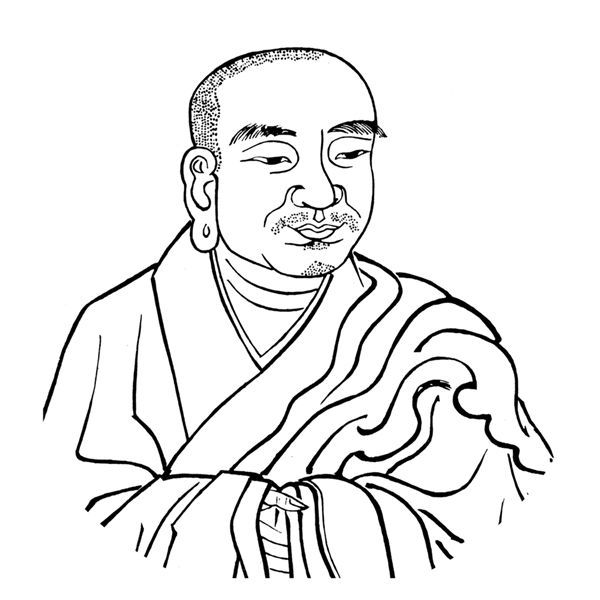
真谛(梵语:परमार्थ Paramārtha,499年—569年),音译波罗末陀,又名亲依(梵语:Kulanātha),音译拘罗那他,中国佛教四大译经家之一。
西天竺优禅尼国人,出身婆罗门种姓。少时博访众师,学通内外,尤精于大乘之说。为印度大乘佛教瑜伽行派传人,主宗无相(nirākāra)唯识学。安慧的唯识理论,主张只有“自证分”是实有,见、相二分都非实有,所以他的唯识理论是“无相唯识”。
由于博览群书,精通佛理,立志周游诸国,弘阐佛法,不畏艰险,先至扶南(今柬埔寨),后由梁武帝礼请来到中国,大同十二年达于南海(广州)。武帝太清二年(548年)抵达建业(南京),因遇侯景之乱,被迫逃难于苏杭,后开始从事佛经翻译事业,一生共翻译64部278卷,其中以《摄大乘论》、《俱舍论》、《金七十论》等最为著名。晚年(562年)因感慨“弘法非时,有阻来意”,于是坐船欲西返印度,但却被风浪所阻,又漂回广州。
受刺史欧阳?竭诚供养,智恺等人亦来皈依,由此继续其翻译、弘法事业。真谛翻译经典的特色,是一边讲学、一边翻译,译述并进,并时常从事“义疏注记”。史载他“循环辩释,反复郑重,乃得相应。一章一句,备尽研核,释义若竟,方乃著文。”在他的影响下,成立了摄论宗、俱舍宗一派。真谛之著作皆已佚失,其学说只能在吉藏、圆测、窥基、法藏等人的引述及其译作中得见。
Paramārtha (Sanskrit, Devanagari: परमार्थ; traditionelles Chinesisch: 真諦; vereinfachtes Chinesisch: 真谛; Pinyin: Zhēndì) (499-569 n. Chr.) war ein indischer Mönch aus Ujjain, der vor allem für seine produktiven chinesischen Übersetzungen buddhistischer Texte während der Zeit der Sechs Dynastien bekannt ist. Er ist als einer der vier großen Übersetzer in der chinesischen buddhistischen Geschichte bekannt (zusammen mit Kumārajīva und Xuanzang). Er ist auch für die verschiedenen mündlichen Kommentare bekannt, die er zu seinen Übersetzungen gab und die von seinen Schülern niedergeschrieben wurden (und heute nur noch in fragmentarischer Form erhalten sind). Einige von Paramārthas einflussreichen Übersetzungen sind Vasubandhus Abhidharmakośa, Asaṅgas Mahāyānasaṃgraha und Dignāgas Ālambanaparīkṣā & Hastavālaprakaraṇa.
 World Heritage

Das Patriarchenkloster Peć in Peja (serbisch Манастир Пећка патријаршија Manastir Pećka patrijaršija, albanisch Patrikana e Pejës) ist ein serbisch-orthodoxes Kloster.
佩奇牧首修道院(塞爾維亞語:Манастир Пећка патријаршија)是一座中世纪塞尔维亚正教会修道院。该修道院坐落于科索沃佩奇附近。修道院于13世纪建立,曾是塞尔维亚宗主教的居住地。14世纪,修道院经历了扩建,1346年,当塞尔维亚佩奇牧首区建立时,该修道院成为了塞尔维亚牧首的驻地。佩奇修道院由数座教堂组成,在中世纪和近现代早期,它也被当做塞尔维亚牧首、總主教们的陵寝。自2006年起,该修道院成为了科索沃中世纪古迹群的一部分。该古迹群是由佩奇修道院与其他三处塞尔维亚正教会古迹组成的联合世界遗产。
在教会辖区上,佩奇修道院属于普里兹伦和拉什卡教区。但它是由同时兼任佩奇總主教的塞尔维亚牧首直辖的。在塞尔维亚中世纪建筑中,佩奇修道院是特别的。有三座教堂连成一座,共计有四座教堂。
 Mecklenburg-Vorpommern
 Vacation and Travel
