
漢德百科全書 | 汉德百科全书
 Italien
 Energieressource
 Lazio
Lazio

 Afghanistan
Armenien
Aserbaidschan
Asian Development Bank,ADB
Asian Development Bank,ADB
Afghanistan
Armenien
Aserbaidschan
Asian Development Bank,ADB
Asian Development Bank,ADB
 Haruhiko Kuroda
Asian Development Bank,ADB
Kimimasa Tarumizu
Asian Development Bank,ADB
Masao Fujioka
Asian Development Bank,ADB
Masatsugu Asakawa
Asian Development Bank,ADB
Mitsuo Sato
Asian Development Bank,ADB
Shiro Inoue
Asian Development Bank,ADB
Tadao Chino
Asian Development Bank,ADB
Takehiko Nakao
Asian Development Bank,ADB
Takeshi Watanabe
Asian Development Bank,ADB
Taroichi Yoshida
Australien
Bangladesh
Bhutan
Brunei Darussalam
China
Dänemark
Deutschland
Haruhiko Kuroda
Asian Development Bank,ADB
Kimimasa Tarumizu
Asian Development Bank,ADB
Masao Fujioka
Asian Development Bank,ADB
Masatsugu Asakawa
Asian Development Bank,ADB
Mitsuo Sato
Asian Development Bank,ADB
Shiro Inoue
Asian Development Bank,ADB
Tadao Chino
Asian Development Bank,ADB
Takehiko Nakao
Asian Development Bank,ADB
Takeshi Watanabe
Asian Development Bank,ADB
Taroichi Yoshida
Australien
Bangladesh
Bhutan
Brunei Darussalam
China
Dänemark
Deutschland
 Europäische Union
 Finanz
Internationale Bank für Zusammenarbeit
Finnland
Frankreich
Georgien
Hongkong Tebiexingzhengqu-HK
Indien
Indonesien
Irland
Italien
Japan
Kambodscha
Kanada
Kasachstan
Kirgisistan
Laos
Luxemburg
Malaysia
Finanz
Internationale Bank für Zusammenarbeit
Finnland
Frankreich
Georgien
Hongkong Tebiexingzhengqu-HK
Indien
Indonesien
Irland
Italien
Japan
Kambodscha
Kanada
Kasachstan
Kirgisistan
Laos
Luxemburg
Malaysia
 Mongolei
Myanmar
Nepal
Neuseeland
Niederlande
Österreich
Pakistan
Papua-Neuguinea
Philippinen
Portugal
Republik Korea
Salomonen
Schweden
Singapur
Sri Lanka
Taiwan Sheng-TW
Takehiko Nakao
Thailand
Tonga
Türkei
Turkmenistan
Usbekistan
Vereinigte Staaten
Vereinigtes Königreich
Vietnam
Mongolei
Myanmar
Nepal
Neuseeland
Niederlande
Österreich
Pakistan
Papua-Neuguinea
Philippinen
Portugal
Republik Korea
Salomonen
Schweden
Singapur
Sri Lanka
Taiwan Sheng-TW
Takehiko Nakao
Thailand
Tonga
Türkei
Turkmenistan
Usbekistan
Vereinigte Staaten
Vereinigtes Königreich
Vietnam
 Wichtige internationale Organisationen
 Wirtschaft und Handel
Wirtschafts- und Politikforschung
Wirtschaft und Handel
Wirtschafts- und Politikforschung

亚洲开发银行(英语:Asian Development Bank,缩写:ADB,简称亚银、亚行、亚开行),香港旧译亚洲发展银行,属于亚太地区的政府之间金融机构,其目的是为了促进亚洲经济与社会的发展。1966年12月19日成立,有31个创始会员国,目前有68个成员体,其中亚太有49个。总部设置于菲律宾马尼拉并在世界各地拥有31个办事处。亚洲开发银行仿照世界银行的股权制度,依照成员体的资本比例,得到相应比例的投票权。2014年以来,亚洲开发银行发布亚太创意生产指数年度报告。[3][4]亚洲开发银行为联合国观察员。
The Asian Development Bank (ADB) is a regional development bank established on 19 December 1966,[4] which is headquartered in the Ortigas Center located in the city of Mandaluyong, Metro Manila, Philippines. The company also maintains 31 field offices around the world[5] to promote social and economic development in Asia. The bank admits the members of the United Nations Economic and Social Commission for Asia and the Pacific (UNESCAP, formerly the Economic Commission for Asia and the Far East or ECAFE) and non-regional developed countries.[6] From 31 members at its establishment, ADB now has 68 members.
The ADB was modeled closely on the World Bank, and has a similar weighted voting system where votes are distributed in proportion with members' capital subscriptions. ADB releases an annual report that summarizes its operations, budget and other materials for review by the public.[7] The ADB-Japan Scholarship Program (ADB-JSP) enrolls about 300 students annually in academic institutions located in 10 countries within the Region. Upon completion of their study programs, scholars are expected to contribute to the economic and social development of their home countries.[8] ADB is an official United Nations Observer.[9]
El Banco Asiático de Desarrollo (BAsD) es una organización financiera para el desarrollo económico de Asia y el Pacífico. Su objetivo principal es la erradicación de la pobreza y facilitar ayudas para mejorar el nivel de vida de la población de la región a través de préstamos y colaboración técnica.
Creado en 1966 por 31 países. Hoy cuenta con 67 miembros (48 regionales y 19 no regionales). Estados Unidos y Japón son sus principales accionistas, con el 15,6% del capital cada uno.
El Banco tiene como su principal objetivo la lucha contra la pobreza. Para ello busca promover el crecimiento económico y la cooperación en la región de Asia-Pacífico, y acelerar el proceso de desarrollo económico de sus países miembros. Las dos terceras partes de personas pobres del mundo (aquellos que viven con menos de dos dólares diarios por persona), cerca de 1.800 millones de pobres, viven en esta región. El BAsD aprobó una nueva Estrategia a Largo Plazo (2008-2020) centrada en un crecimiento económico, medioambientalmente sostenible e integración regional.
Азиа́тский банк разви́тия (англ. Asian Development Bank) — банк, основанный в 1966 году, его главной задачей является стимулировать рост экономики в Азии и на Дальнем Востоке, направляя в эти регионы прямые займы и оказывая техническое содействие.
Штаб-квартира в Маниле (Филиппины). Президентом АБР с 28 апреля 2013 года является японец Такэхико Накао. 17 января 2020 года президентом станет Масацугу Асакава, избранный 2 декабря 2019 года[1].
 Motorsport
Aserbaidschan
Australien
Bahrain
Belgien
Brasilien
China
Deutschland
Motorsport
Aserbaidschan
Australien
Bahrain
Belgien
Brasilien
China
Deutschland
 Emilia-Romagna
England
Emilia-Romagna
England
 Florida-FL
Formel-1-Weltmeisterschaft 2017
Formel-1-Weltmeisterschaft 2018
Florida-FL
Formel-1-Weltmeisterschaft 2017
Formel-1-Weltmeisterschaft 2018
 Formel-1-Weltmeisterschaft 2025
Frankreich
Indien
Italien
Japan
Kanada
Katar
Kinki
Formel-1-Weltmeisterschaft 2025
Frankreich
Indien
Italien
Japan
Kanada
Katar
Kinki
 Lombardia
Mexiko
Monaco
Lombardia
Mexiko
Monaco
 Nevada-NV
Österreich
Nevada-NV
Österreich
 Quebec-QC
São Paulo
Saudi-Arabien
Schweiz
Shanghai Shi-SH
Singapur
Spanien
Quebec-QC
São Paulo
Saudi-Arabien
Schweiz
Shanghai Shi-SH
Singapur
Spanien
 Sport
Sport
 Steiermark
 Texas-TX
Ungarn
Vereinigte Arabische Emirate
Vereinigte Staaten
Vereinigtes Königreich
Texas-TX
Ungarn
Vereinigte Arabische Emirate
Vereinigte Staaten
Vereinigtes Königreich
 Victoria-VIC

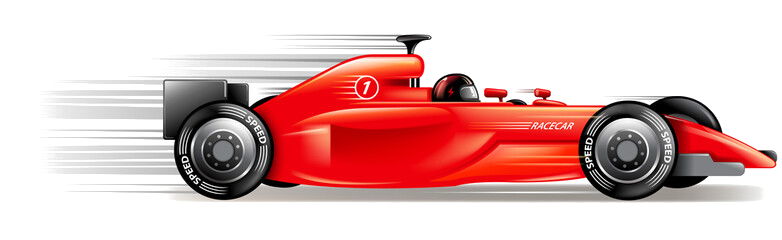
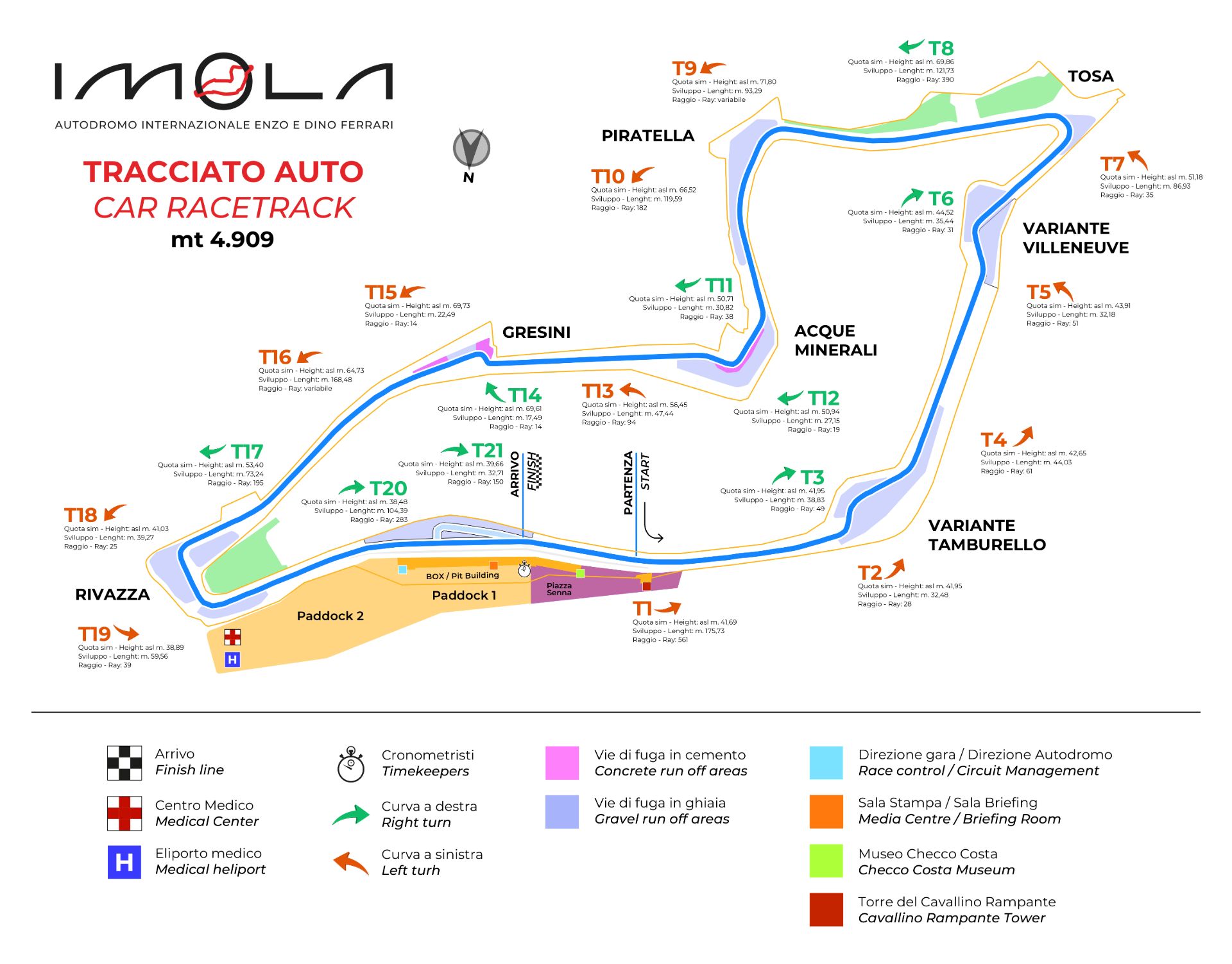
Die Formel 1 ist eine vom Automobil-Dachverband Fédération Internationale de l’Automobile (FIA) festgelegte Formelserie. Hersteller konstruieren Autos, die den Formel-1-Regeln entsprechen. Diese Autos treten im Rahmen der Formel-1-Weltmeisterschaft zu Rennen in ungefähr 20 Orten pro Jahr an. Am Ende der Saison wird der Fahrer mit den meisten Punkten F1 Fahrerweltmeister und der Hersteller mit den meisten Punkten Konstrukteursweltmeister.
Die Formel 1 ist die höchstrangige von der FIA veranstaltete Rennserie des Formelsports. Sie wird als Königsklasse des Automobilsports bezeichnet, da sie den Anspruch erhebt, die höchsten technischen, fahrerischen, aber auch finanziellen Anforderungen aller Rennserien an Fahrer und Konstrukteure zu stellen. Sie wird auch kurz F1 genannt. Die F1 Weltmeisterschaft heißt offiziell FIA Formula One World Championship, bis 1980 hat sie Automobil-Weltmeisterschaft geheissen.
一级方程式赛车(英语:Formula One,也叫Formula 1或者F1)是由国际汽车联盟举办的最高等级的年度系列场地方程式赛车比赛,正式名称为“国际汽车联合会世界一级方程式锦标赛”。名称中“方程式”是指一组所有参赛车辆都必须遵守的规则[1]。F1赛季包括一系列的比赛,而这些所谓的“大奖赛”(Grand Prix,出自法语,本意Great Prizes)的场地是全封闭的专门赛道或者是临时封闭的普通公路。每场比赛的结果算入积分系统并以此确定两个年度世界冠军:一个给车手和另一个给制造商。F1的车手、制造商、组织者以及赛道都必须持有FIA超级驾驶执照,这是国际汽联颁发的最高级别执照。
一级方程式赛车通过产生大量的空气动力学下压力达到非常高的过弯速度,是风靡全球的赛车运动。发动机性能限制在每分钟最多15000转时,其比赛最高速度就可以超过360公里/小时。赛车过弯的横向加速度超过5个标准重力。F1赛车的性能非常依赖电子系统(牵引力控制系统和其他辅助驾驶装置自2008年已被禁止)、空气动力学、悬挂和轮胎。
Formula One (also Formula 1 or F1) is the highest class of single-seater auto racing sanctioned by the Fédération Internationale de l'Automobile (FIA) and owned by the Formula One Group. The FIA Formula One World Championship has been one of the premier forms of racing around the world since its inaugural season in 1950. The "formula" in the name refers to the set of rules to which all participants' cars must conform.[2] A Formula One season consists of a series of races, known as Grands Prix (French for "grand prizes" or "great prizes"), which are held worldwide on purpose-built circuits and public roads.
The results of each race are evaluated using a points system to determine two annual World Championships: one for drivers, the other for constructors. Drivers must hold valid Super Licences, the highest class of racing licence issued by the FIA.[3] The races are required to be held on tracks graded "1" (formerly "A"), the highest grade rating issued by the FIA.[3] Most events are held in rural locations on purpose-built tracks, but there are several events in city centres throughout the world, with the Monaco Grand Prix being the most well-known.
Formula One cars are the fastest regulated road course racing cars in the world, owing to very high cornering speeds achieved through the generation of large amounts of aerodynamic downforce. The cars underwent major changes in 2017,[4] allowing wider front and rear wings, and wider tyres, resulting in cornering forces closing in on 8g and top speeds of up to approximately 375 km/h (230 mph).[5] The hybrid engines are currently limited in performance to a maximum of 15,000 rpm and the cars are very dependent on electronics—although traction control and other driving aids have been banned since 2008—and also on aerodynamics, suspension, and tyres.
While Europe is the sport's traditional base, the championship is truly global, with 11 of the 21 races in the 2018 season taking place outside Europe. With the annual cost of running a mid-tier team—designing, building, and maintaining cars, pay, transport—being US$120 million,[6] Formula One has a significant economic and job-creation effect, and its financial and political battles are widely reported. Its high profile and popularity have created a major merchandising environment, which has resulted in large investments from sponsors and budgets (in the hundreds of millions for the constructors). On 8 September 2016, it was announced that Liberty Media had agreed to buy Delta Topco, the company that controls Formula One, from private equity firm CVC Capital Partners for $4.4 billion in cash, stock, and convertible debt.[7] On 23 January 2017, it was confirmed that the acquisition had been completed, for $8 billion.[8]
La Formule 1, communément abrégée en F1, est une discipline de sport automobile considérée comme la catégorie reine de ce sport. Elle a pris au fil des ans une dimension mondiale et elle est, avec les Jeux olympiques et la Coupe du monde de football, l'un des événements sportifs les plus médiatisés.
Chaque année depuis 1950, un championnat mondial des pilotes est organisé, complété depuis 1958 par un championnat mondial des constructeurs automobiles. La compétition est basée sur des Grands Prix, courses à bord de voitures monoplaces disputées sur circuits routiers fermés permanents mais parfois tracés en ville et temporaires, comme à Monaco, Valence, Singapour, et Bakou.
Cette discipline sportive, régie par la Fédération internationale de l'automobile (FIA), est gérée par la Formula One Administration (FOA) et un ensemble de sociétés satellites contrôlées par Liberty Media. Après l'ère des artisans des années 1960 et 1970, elle a peu à peu attiré les grands constructeurs automobiles mondiaux qui y investissent des sommes élevées, en espérant tirer profit des retombées médiatiques d'éventuels succès. La Formule 1 est considérée comme la vitrine technologique de l'industrie automobile qui y expérimente des nouveautés techniques, parfois issues de la technologie spatiale et susceptibles d'être adaptées ensuite sur les voitures de série.
Outre la compétition, le terme Formule 1 désigne l'ensemble des règles techniques des voitures monoplaces qui sont mises à jour tous les ans par la FIA. Ces règles sont très strictes sur les dimensions des voitures, la cylindrée des moteurs, les technologies mises en œuvre ; elles définissent également les mesures de sécurité des voitures pour assurer la protection du pilote. Les monoplaces de course répondant aux caractéristiques de la réglementation de la Formule 1 sont généralement désignées sous le terme générique de Formules 1.
La Formula 1 o Formula Uno,[1] in sigla F1, è la massima categoria (in termini prestazionali) di vetture monoposto a ruote scoperte da corsa su circuito definita dalla Federazione Internazionale dell'Automobile (FIA).
La categoria è nata nel 1948 (in sostituzione della Formula A, a sua volta sorta solo qualche anno prima, nel 1946), diventando poi a carattere mondiale nella stagione 1950. Inizialmente definita dalla Commissione Sportiva Internazionale (CSI) dell'Associazione Internazionale degli Automobil Club Riconosciuti (AIACR), associazione antesignana della Federazione Internazionale dell'Automobile, oggi la Formula Uno è regolata dal Consiglio Mondiale degli Sport Motoristici (in inglese: World Motor Sport Council, WMSC) della Federazione Internazionale dell'Automobile.
Il termine "formula", presente nel nome, fa riferimento a un insieme di regole alle quali tutti i partecipanti, le macchine e i piloti, devono adeguarsi; esse introducono un numero di restrizioni e specifiche nelle auto, al fine di evitare le eccessive disparità tecniche tra le auto, di porre dei limiti al loro sviluppo e di ridurre i rischi di incidenti. La formula ha avuto molti cambiamenti durante la sua storia. Ad esempio, ci sono stati differenti tipi di motori, con schemi da quattro fino a sedici cilindri e con cilindrate da 1,5 a 4,5 l.
La Fórmula 1, abreviada como F1 y también denominada la «categoría reina del automovilismo»1 o «la máxima categoría del automovilismo»,23 es la competición de automovilismo internacional más popular y prestigiosa, superando a categorías de automovilismo como la NASCAR, el Campeonato Mundial de Rally, el Campeonato Mundial de Turismos o la Fórmula E, entre otras.4 A cada carrera se le denomina Gran Premio y el torneo que las agrupa se denomina Campeonato Mundial de Fórmula 1. La entidad que la dirige es la Federación Internacional del Automóvil (FIA). El Formula One Group es controlado por la empresa estadounidense Liberty Media desde septiembre de 2016.5
Los automóviles utilizados son monoplazas con la última tecnología disponible, siempre limitadas por un reglamento técnico; algunas mejoras que fueron desarrolladas en la Fórmula 1 terminaron siendo utilizadas en automóviles comerciales, como el freno de disco.6 La mayoría de los circuitos de carreras donde se celebran los Grandes Premios son autódromos, aunque también se utilizan circuitos callejeros y anteriormente se utilizaron circuitos ruteros.
El inicio de la Fórmula 1 moderna se remonta al año 1950, en el que participaron escuderías como Ferrari, Alfa Romeo y Maserati. Algunas fueron reemplazadas por otras nuevas como McLaren, Williams, Red Bull y Renault, que se han alzado varias veces con el Campeonato Mundial de Constructores. Las escuderías tienen que planear sus fichajes y renovación de contratos 2 o 3 carreras antes del fin de la temporada. Por su parte, los pilotos deben contar con la superlicencia de la FIA para competir, que se obtiene sobre la base de resultados en otros campeonatos.

 Medien und Presse

 Geographie
 Friuli-Venezia Giulia

Istrien (kroatisch/slowenisch Istra, italienisch Istria, istriotisch Eîstria) ist mit einer Fläche von etwa 3500 km² die größte Halbinsel an der nördlichen Adria. Sie erstreckt sich zwischen dem Golf von Triest und der Kvarner-Bucht vor Rijeka, im Osten reicht sie bis zur rund 1400 m hohen Učka. An der Halbinsel haben drei Staaten Anteil. Der größte Flächenanteil befindet sich auf dem Gebiet Kroatiens, ein kleinerer im Norden gehört zu Slowenien, zu Italien gehört nur das Gebiet um Muggia und dessen Umland.
伊斯特拉半岛(克罗地亚语、斯洛文尼亚语:Istra),又称伊斯特里亚,(意大利语、威尼托语:Istria),是欧洲亚德里亚海东北岸的一个三角形半岛。西临威尼斯湾。
 Architektur
 Geschichte
 Zivilisation

 Umbria
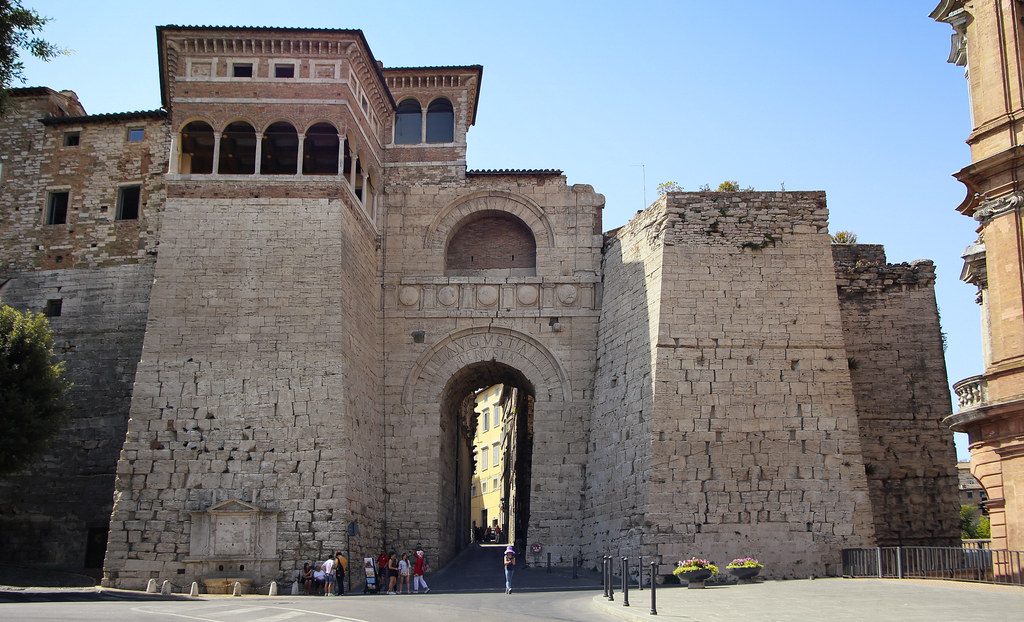
Der Etruskische Bogen (auch als Etruskisches Tor oder Augustusbogen bezeichnet) ist ein Stadttor der Stadtmauer von Perugia.
Das Stadttor in seiner heutigen Form wird an beiden Seiten von zwei mächtigen Wachtürmen flankiert. Diese Türme haben eine trapezförmige Frontseite und sind rund 20 Meter hoch. Der Torbogen selbst erreicht eine Höhe von 10 Metern. Das Tor mit dem etruskischen Bogen war als nördliches Stadttor vor allem für militärische Zwecke gedacht. Angreifer aus dem Norden sollten sehen, dass der Weg nach Rom gut bewacht war. Die Aufbauten auf dem linken Turm stammen aus der Renaissance.[1]
Das Stadttor wurde wahrscheinlich im Zusammenhang mit der Verlängerung der Via Amerina bis Perusia, wie Perugia in der Römerzeit genannt wurde, in der Mitte des 3. Jahrhunderts v. Chr. in der alten etruskischen Stadtmauer neu errichtet. Die Via Amerina führte durch die Porta Marzia ins Zentrum der Stadt und durch den etruskischen Bogen auf der anderen Seite wieder hinaus. Nach dem Perusinischen Krieg, in dem Octavian die Stadt erobert hatte, wurde auf dem Torbogen 40 v. Chr. die Inschrift Augusta Perusia angebracht. Oberhalb der Inschrift Augusta Perusia befindet sich eine weitere Inschrift, Colonia Vibia, die während der Regierungszeit von Kaiser Gaius Vibius Trebonianus Gallus (251–253 n. Chr.), der aus Perusia stammte, angebracht wurde.
伊特鲁里亚拱门(Arco Etrusco)或奥古斯都凯旋门是意大利佩鲁贾的伊特鲁里亚城墙上的七个城门之一。它建于公元前3世纪下半叶,公元前40年由奥古斯都修复。
左塔的涼廊系16世纪增建,同一塔底部的喷泉在1621年完成。
 Unternehmen

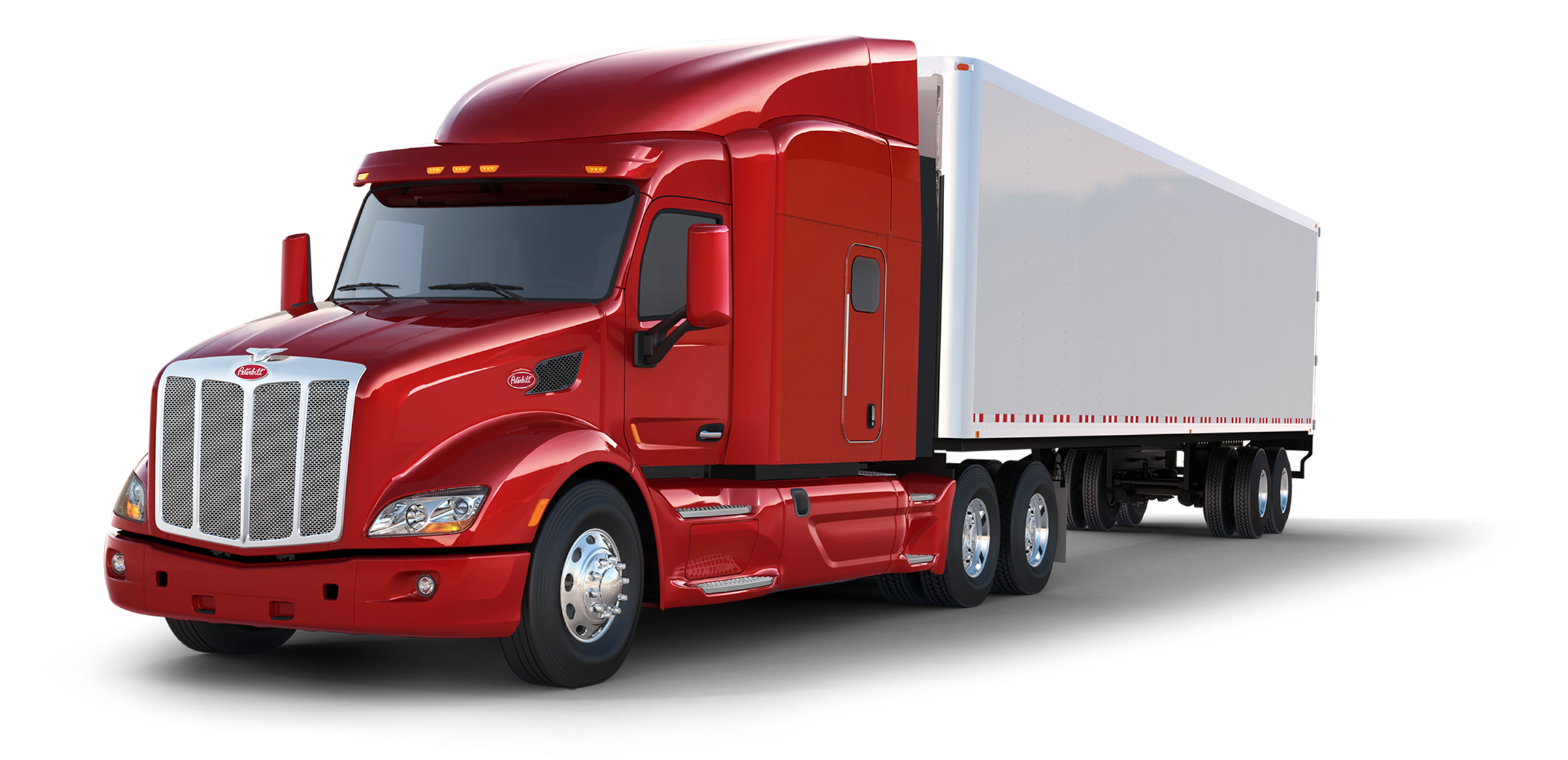 Automobil
IVECO
Automobil
*Nutzfahrzeuge
Automobil
*Wohnwagen,Caravan
Automobil
*Motor
Automobil
*Reisebus und Bus
Automobil
Astra
Automobil
Magirus
Automobil
***Technologie
Italien
Automobil
IVECO
Automobil
*Nutzfahrzeuge
Automobil
*Wohnwagen,Caravan
Automobil
*Motor
Automobil
*Reisebus und Bus
Automobil
Astra
Automobil
Magirus
Automobil
***Technologie
Italien
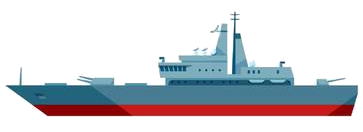
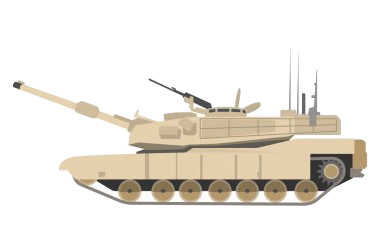
 Militär,Verteidigung und Ausrüstung
 Piemonte



 IT-Times
