Deutsch-Chinesische Enzyklopädie, 德汉百科
 Music
Music

 History
 Architecture
 Art
Art
 Literature
 Review
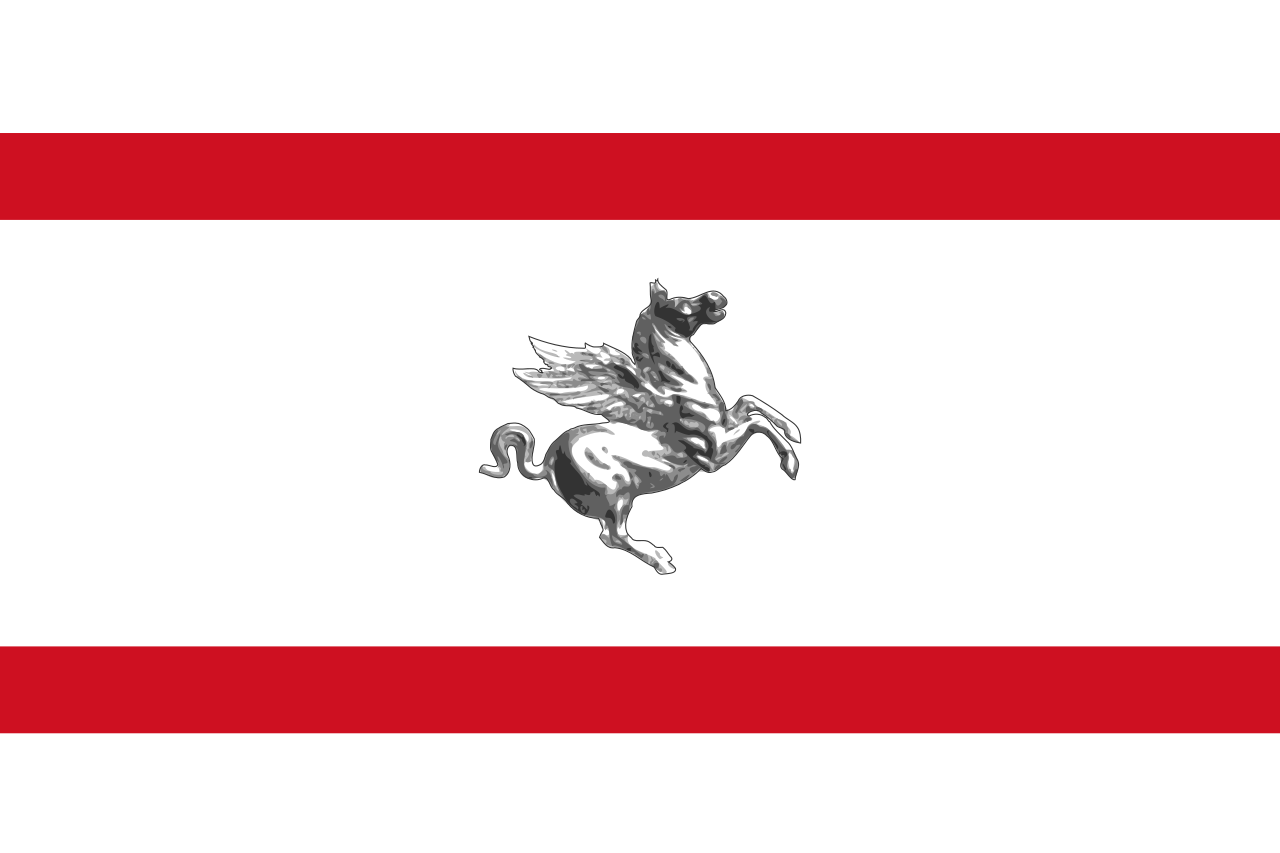 Toscana

文艺复兴是14~16世纪反映西欧各国正在形成中的资产阶级要求的思想、文化运动。其主要中心最初在意大利,16世纪扩及德意志、尼德兰、英国、法国和 西班牙等地。“文艺复兴”的概念在14~16世纪时己被意大利的人文主义作家和学者所使用。该词源自意大利文“Rinascita”,一般多写为法文 “Renaissance”。它概括了乔托以来的文艺活动的特点,被世界各国沿用至今。中国曾有人直译为“再生”或“再生运动”,但“文艺复兴”的译法己 被普遍接受。当时人们认为,文艺在希腊、罗马古典时代曾高度繁荣,但在中世纪“黑暗时代”却衰败湮没,直到14世纪以后才获得“再生”与“复兴”。因此, 文艺复兴着重表明了新文化以古典为师的一面,但它并非单纯的古典复兴,实际上是反封建的新文化的创造。文艺复兴主要表现在科学、文学和艺术的普遍高涨,但 因各国的社会经济和历史条件不同,在各国带有各自的特征。
意大利文艺复兴 13世纪末14世纪初,意大利在欧洲最早产生资本主义萌芽;但由于政治、经济发展不平衡,先进地区只限于少数几个城市,尤以佛罗伦萨、 威尼斯为最。地处意大利中部的佛罗伦萨出现了以毛织、银行、布匹加工业等为主的七大行会,它们不仅控制佛罗伦萨的经济,也直接掌握城市政权。佛罗伦萨的最 高权力机构——长老会议的成员只能由七大行会从其会员中遴选,贵族被剥夺参政权,广大工人处于无权地位。在这种政治、经济背景下的佛罗伦萨,成为意大利乃 至整个欧洲的文艺复兴发源地和最大中心。
文艺复兴运动是一场发生在14世纪至16世纪的欧洲的反封建、反神学的资产阶级思想文化运动。它起源于意大利,后扩展至欧洲各国。文艺复兴并不是复古,而是强调“人文主义”,以人为本。一般认为佛罗伦萨、威尼斯等城市是意大利文艺复兴的中心。“文艺复兴”一词的意大利语源由ri-(意为“重新”)和nascere(意为“出生”)构成[1]。文艺复兴时期的思想基础是人文浪漫主义,它源于罗马人文主义的概念和对普罗塔哥拉斯等古典希腊哲学的重新发现,后者说“人是万物的尺度”。
“文艺复兴”一词亦可粗略地指代这一历史时期,但由于欧洲各地因其引发的变化并非完全一致,故“文艺复兴”只是对这一时期的通称。这场文化运动基本上以复兴古罗马为名,动机大致上是要改变中世纪社会逐渐严重的腐败,却不是将古罗马原样重现,反而是加入新思考和检讨,所以做出实际上是一种彻底不同的新型态文化变革,其中虽囊括了对古典文献的重新学习和承接,却在绘画方面透过直线透视法的发展,以及逐步而广泛开展的中古时代教育变革,乃至于人体结构、化学、天文技术和科学知识的追求等等,这些极重要的近代科学发展,除了打破神权时代,也打破了希腊罗马的古文化。传统观点认为,这种知识上的转变让文艺复兴发挥了衔接中世纪和近代的作用。尽管文艺复兴在知识、文学、社会和政治各个方面都引发了巨大变革,但令其闻名于世的或许还在于这一时期的艺术成就,以及列奥纳多·达芬奇、米开朗基罗等博学家做出的创新贡献。[2][3]
一般认为,文艺复兴始于意大利,这与其北部兴盛的地中海贸易有关,商人除了将当时中东和希腊获得的古罗马文献汇集于此进行研究,富裕的风雅绅商更倾力支持着艺术创作。正式的发展是从14世纪托斯卡纳的佛罗伦萨开展的,但对此尚有质疑之声[4]。就这场运动的起源和特点而言,多种理论已经提出了各自的见解,但其关注的焦点不尽相同:其中包括有当时佛罗伦萨的社会和公民的特点;当地的政治结构;当地统治阶级美第奇家族的赞助[5];以及奥斯曼土耳其人攻陷君士坦丁堡后,大批流入意大利的希腊语学者及书籍[6][7][8]。史学上关于文艺复兴的内容很多且颇为复杂,而“文艺复兴”作为词汇的作用,及其作为历史过渡期的意义,都引发了史学家的诸多争论。[9]文艺复兴一词能否作为是中世纪后的文化“进步”,一些史学家对此是持怀疑态度的:他们认为,这个阶段只是对古典时代抱持悲观与缅怀的时期,社会早就不是单纯的捡拾古人的思想,反而是巨大创新的重塑了一个时代。[10]而另一些人则关注两个时代之间的连续性。[11]实际上,现在已有人提出不应继续使用这个词汇,因为他们认为“文艺复兴”一词只是现代主义的产物,是使用历史来验证和发扬当代理想的工具[12]。“文艺复兴”一词也被用于其他历史或文化运动,如卡洛林文艺复兴和12世纪的文艺复兴就是这样的例子。
Renaissance [rənɛˈsɑ̃s] (entlehnt aus französisch renaissance „Wiedergeburt“) beschreibt die europäische Kulturepoche in der Zeit des Umbruchs vom Mittelalter zur Neuzeit im 15. und 16. Jahrhundert. Sie war von dem Bemühen um eine Wiederbelebung der kulturellen Leistungen der griechischen und römischen Antike gekennzeichnet. Ausgehend von den Städten Norditaliens beeinflussten die Künstler und Gelehrten der Renaissance mit ihrer innovativen Malerei, Architektur, Skulptur, Literatur und Philosophie auch die Länder nördlich der Alpen, wenn auch in jeweils unterschiedlicher Ausprägung. Die Bezeichnung „Renaissance“ entstand selbst erst im 19. Jahrhundert.
Bereits im Mittelalter hatte Europa auf die Antike zurückgeschaut, doch erst im Spätmittelalter wurden wichtige antike Texte wiederentdeckt und zugänglich gemacht. Im Renaissance-Humanismus wurde das antike Staatswesen studiert. Als für die Renaissance charakteristisch gelten ferner die vielen damals gemachten Erfindungen und Entdeckungen, die man als Folge eines allgemeinen geistigen Erwachens beschreiben kann (siehe Technik in der Renaissance).
Als Kernzeitraum der Renaissance wird in der Kunstgeschichte das 15. (Quattrocento) und 16. Jahrhundert (Cinquecento) angesehen. Die Spätrenaissance wird auch als Manierismus bezeichnet. Das Ende der Epoche vollzieht sich im beginnenden 17. Jahrhundert in Italien durch den neu hervortretenden Stil des Barock. Außerhalb Italiens dominierten noch längere Zeit Formen der Gotik; die Übergänge sind hier fließend und ihre Einschätzung hängt davon ab, ob ein engerer Stilbegriff der Renaissance verwendet wird oder ein weiterer Epochenbegriff. Im protestantischen Nordeuropa wird der Epochenbegriff der Renaissance von dem der Reformation überlagert.
Als Künstler der Renaissance sind besonders Italiener wie Alberti, Donatello, Botticelli, Leonardo da Vinci, Bramante, Raffael, Michelangelo und Tizian sowie im deutschen Sprachraum Albrecht Dürer und die Donauschule bekannt. Zu dieser Epoche gehören aber auch bedeutende Schriftsteller von Dante Alighieri bis William Shakespeare. Der Staatsphilosoph Niccolò Machiavelli gilt als Analytiker und Vertreter einer selbstbewussten Machtpolitik. Erasmus von Rotterdam wiederum steht für Moral und Selbstreflexion. In der Musik verbindet man die Epoche vor allem mit verstärkter Mehrstimmigkeit und neuer Harmonie etwa bei Orlando di Lasso.
ルネサンス(仏: Renaissance[† 1][† 2])は「再生」「復活」を意味するフランス語であり、一義的には、古典古代(ギリシア、ローマ)の文化を復興しようとする文化運動である。14世紀にイタリアで始まり、やがて西欧各国に広まった(文化運動としてのルネサンス)。また、これらの時代(14世紀 - 16世紀)を指すこともある(時代区分としてのルネサンス)。
日本では長らく文芸復興と訳されており、ルネサンスの時代を「復興期」と呼ぶこともあったが[1]、文芸に限らず広義に使われるため、現在では訳語として文芸復興という言葉は余り使われない。ルネッサンスとも表記されるが[2]、現在の歴史学、美術史等ではルネサンスという表記が一般的である。
The Renaissance (UK: /rɪˈneɪsəns/ rin-AY-sənss, US: /ˈrɛnəsɑːns/ ( listen) REN-ə-sahnss)[2][a] was a period in European history marking the transition from the Middle Ages to modernity and covering the 15th and 16th centuries. It occurred after the Crisis of the Late Middle Ages and was associated with great social change. In addition to the standard periodization, proponents of a "long Renaissance" may put its beginning in the 14th century and its end in the 17th century.[4] The traditional view focuses more on the early modern aspects of the Renaissance and argues that it was a break from the past, but many historians today focus more on its medieval aspects and argue that it was an extension of the Middle Ages.[5][6]
The intellectual basis of the Renaissance was its version of humanism, derived from the concept of Roman humanitas and the rediscovery of classical Greek philosophy, such as that of Protagoras, who said that "man is the measure of all things." This new thinking became manifest in art, architecture, politics, science and literature. Early examples were the development of perspective in oil painting and the revived knowledge of how to make concrete. Although the invention of metal movable type sped the dissemination of ideas from the later 15th century, the changes of the Renaissance were not uniform across Europe: the first traces appear in Italy as early as the late 13th century, in particular with the writings of Dante and the paintings of Giotto.
As a cultural movement, the Renaissance encompassed innovative flowering of Latin and vernacular literatures, beginning with the 14th-century resurgence of learning based on classical sources, which contemporaries credited to Petrarch; the development of linear perspective and other techniques of rendering a more natural reality in painting; and gradual but widespread educational reform. In politics, the Renaissance contributed to the development of the customs and conventions of diplomacy, and in science to an increased reliance on observation and inductive reasoning. Although the Renaissance saw revolutions in many intellectual pursuits, as well as social and political upheaval, it is perhaps best known for its artistic developments and the contributions of such polymaths as Leonardo da Vinci and Michelangelo, who inspired the term "Renaissance man".[7][8]
The Renaissance began in the 14th century in Florence, Italy.[9] Various theories have been proposed to account for its origins and characteristics, focusing on a variety of factors including the social and civic peculiarities of Florence at the time: its political structure, the patronage of its dominant family, the Medici,[10][11] and the migration of Greek scholars and their texts to Italy following the Fall of Constantinople to the Ottoman Turks.[12][13][page needed][14] Other major centres were northern Italian city-states such as Venice, Genoa, Milan, Bologna, and Rome during the Renaissance Papacy or Belgian cities such as Bruges, Ghent, Brussels, Leuven or Antwerp.
La Renaissance est une période de l'époque moderne associée à la redécouverte de la littérature, de la philosophie et des sciences de l'Antiquité, qui a pour point de départ la Renaissance italienne. En effet, la Renaissance est l'œuvre, à Florence (Italie), des artistes qui peuvent y exprimer librement leur art : une Pré-Renaissance se produit dans plusieurs villes d'Italie dès les XIIIe et XIVe siècles (Duecento et Trecento). La Renaissance s'exprime au XVe siècle dans la plus grande partie de l'Italie, en Espagne, en Flandre et en Allemagne, sous la forme de ce que l'on appelle la Première Renaissance (Quattrocento) ; ainsi en Flandre, sur les quatre primitifs flamands (Jan Van Eyck, Hans Memling, Jheronimus Bosch, Brueghel Den Oude), les deux premiers vivent au XVe siècle. La Renaissance concerne l'ensemble de l'Europe au XVIe siècle (Cinquecento).
On parle de Renaissance artistique au sens où les œuvres de cette époque ne s'inspirent plus du Moyen Âge mais de l'art gréco-romain.
Il Rinascimento si sviluppò in Italia tra la fine del Medioevo e l'inizio dell'Età Moderna in un arco di tempo che va dall'inizio del quindicesimo secolo, fino alla fine del sedicesimo secolo.[1] I suoi limiti cronologici conoscono ampie differenze tra discipline ed aree geografiche.[2]
Vissuto dalla maggior parte dei suoi protagonisti come un'età di cambiamento, maturò un nuovo modo di concepire il mondo e se stessi, sviluppando le idee dell'umanesimo, nato in ambito letterario nel quattordicesimo secolo per il rinato interesse degli studi classici, per opera soprattutto di Francesco Petrarca[3], e portandolo a influenzare per la prima volta anche le arti figurative e la mentalità corrente.
Renacimiento es el nombre dado en el siglo XIX a un amplio movimiento cultural que se produjo en Europa Occidental durante los siglos XV y XVI. Fue un periodo de transición entre la Edad Media y los inicios de la Edad Moderna. Sus principales exponentes se hallan en el campo de las artes, aunque también se produjo una renovación en las ciencias, tanto naturales como humanas. La ciudad de Florencia, en Italia, fue el lugar de nacimiento y desarrollo de este movimiento, que se extendió después por toda Europa.
El Renacimiento fue fruto de la difusión de las ideas del humanismo, que determinaron una nueva concepción del hombre y del mundo. El término «renacimiento» se utilizó reivindicando ciertos elementos de la cultura clásica griega y romana, y se aplicó originariamente como una vuelta a los valores de la cultura grecolatina y a la contemplación libre de la naturaleza tras siglos de predominio de un tipo de mentalidad más rígida y dogmática establecida en la Europa medieval. En esta nueva etapa se planteó una nueva forma de ver el mundo y al ser humano, con nuevos enfoques en los campos de las artes, la política, la filosofía y las ciencias, sustituyendo el teocentrismo medieval por el antropocentrismo.
El historiador y artista Giorgio Vasari fue el primero que utilizó la palabra "renacimiento" (rinascita) para describir la ruptura con la tradición artística medieval, a la que calificaba como un estilo de bárbaros, que más tarde recibirá el calificativo de Gótico. Vasari opinaba que las artes habían entrado en decadencia al hundirse el Imperio Romano y solo habían sido rescatadas por los artistas de la Toscana a partir del siglo XIII.1
El concepto actual de Renacimiento (del francés Renaissance) fue formulado a mediados del siglo XIX por el historiador francés Jules Michelet, en su obra Renaissance et Réforme, publicada en 1855.2 Por primera vez, Michelet usó el término en el sentido de un periodo histórico, que abarcaría desde el descubrimiento de América hasta Galileo, y lo consideró más importante por sus desarrollos científicos que por el arte o la cultura. Michelet, que era nacionalista francés y republicano, le atribuyó al Renacimiento unos valores democráticos opuestos a los de la Edad Media precedente y un protagonismo francés.3
El otro historiador que tuvo gran influencia en dar forma al concepto de Renacimiento fue el suizo Jacob Burckhardt, quien lo definió como el periodo entre Giotto y Miguel Ángel, es decir, del siglo XIV a mediados del xvi. Buckhardt destacaba del Renacimiento el surgimiento del espíritu individualista moderno, que la Edad Media habría cohibido.4
Desde una perspectiva de la evolución artística general de Europa, el Renacimiento significó una «ruptura» con la unidad estilística que hasta ese momento había sido «supranacional». El Renacimiento no fue un fenómeno unitario desde los puntos de vista cronológico y geográfico: su ámbito se limitó a la cultura europea y a los territorios americanos recién descubiertos, a los que las novedades renacentistas llegaron tardíamente. Su desarrollo coincidió con el inicio de la Edad Moderna, marcada por la consolidación de los estados europeos, los viajes transoceánicos que pusieron en contacto a Europa y América, la descomposición del feudalismo, el ascenso de la burguesía y la afirmación del capitalismo. Sin embargo, muchos de estos fenómenos rebasan por su magnitud y mayor extensión en el tiempo el ámbito renacentista.5
Возрожде́ние, или Ренесса́нс (фр. Renaissance, итал. Rinascimento от лат. renasci «рождаться опять, возрождаться»[1]) — имеющая мировое значение эпоха в истории культуры Европы, пришедшая на смену Средним векам и предшествующая Просвещению и Новому времени. Приходится — в Италии — на начало XIV века (повсеместно в Европе — с XV—XVI веков) — последнюю четверть XVI века и в некоторых случаях — первые десятилетия XVII века. Отличительная черта эпохи Возрождения — светский характер культуры, её гуманизм и антропоцентризм (то есть интерес, в первую очередь, к человеку и его деятельности). Расцветает интерес к античной культуре, происходит её «возрождение» — так и появился термин.
Термин Возрождение встречается уже у итальянских гуманистов, например, у Джорджо Вазари. В современном значении термин был введён в обиход французским историком XIX века Жюлем Мишле[2]. В настоящее время термин Возрождение превратился в метафору культурного расцвета.
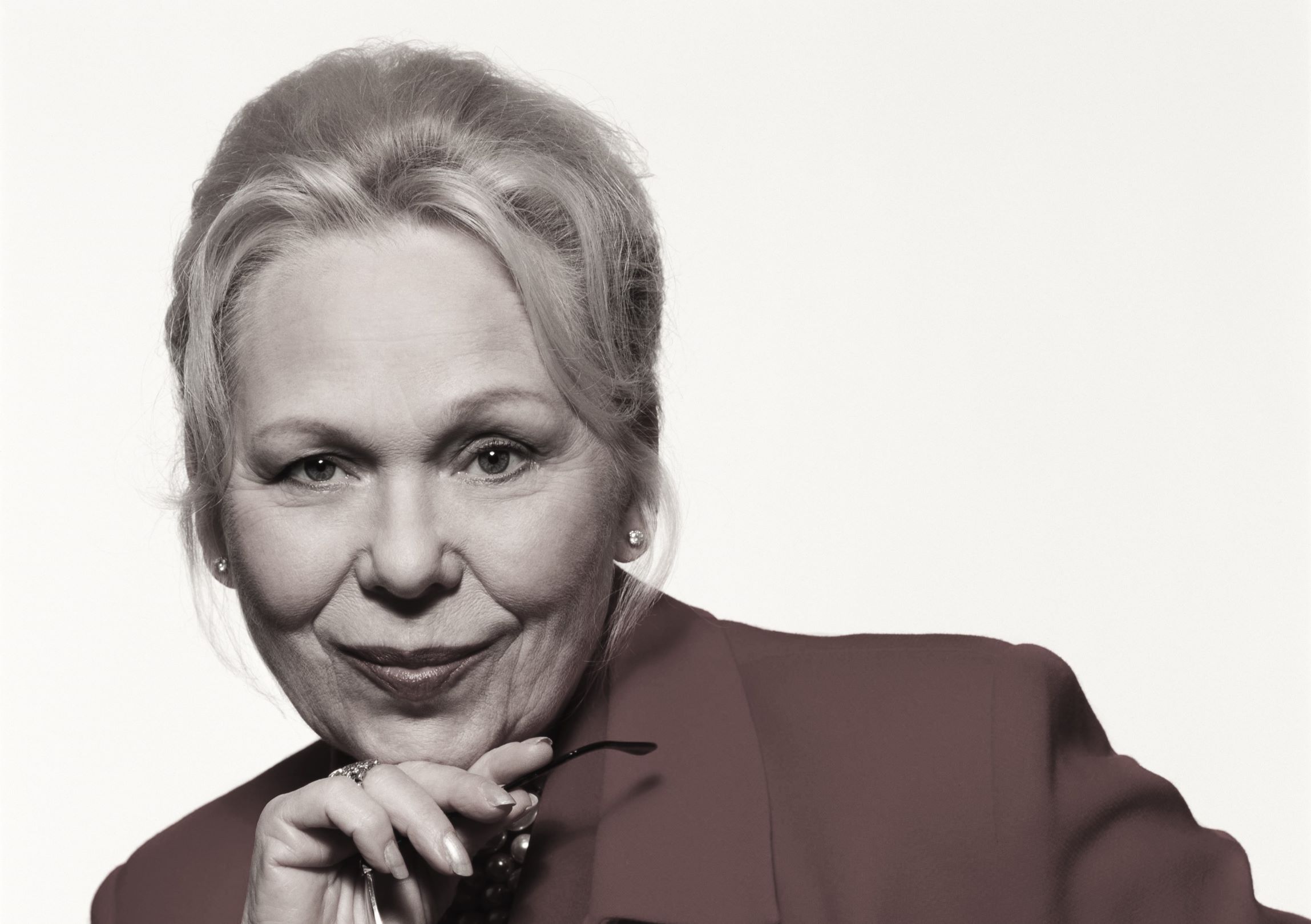
Renata Scotto (* 24. Februar 1934 in Savona; † 16. August 2023 ebenda) war eine italienische Opernsängerin (Sopran) und Opernregisseurin. Sie gilt als eine der bedeutendsten italienischen Sopranistinnen in der zweiten Hälfte des 20. Jahrhunderts.
雷纳塔·史科朵 (Renata Scotto,1934年2月24日—2023年8月16日),意大利女高音歌唱家,以其戏剧表演及音乐天赋而闻名于世。自2002年退休而来,史科朵开始从事导演歌剧的工作,并在意大利和纽约建立歌剧学院,并亲自授课。
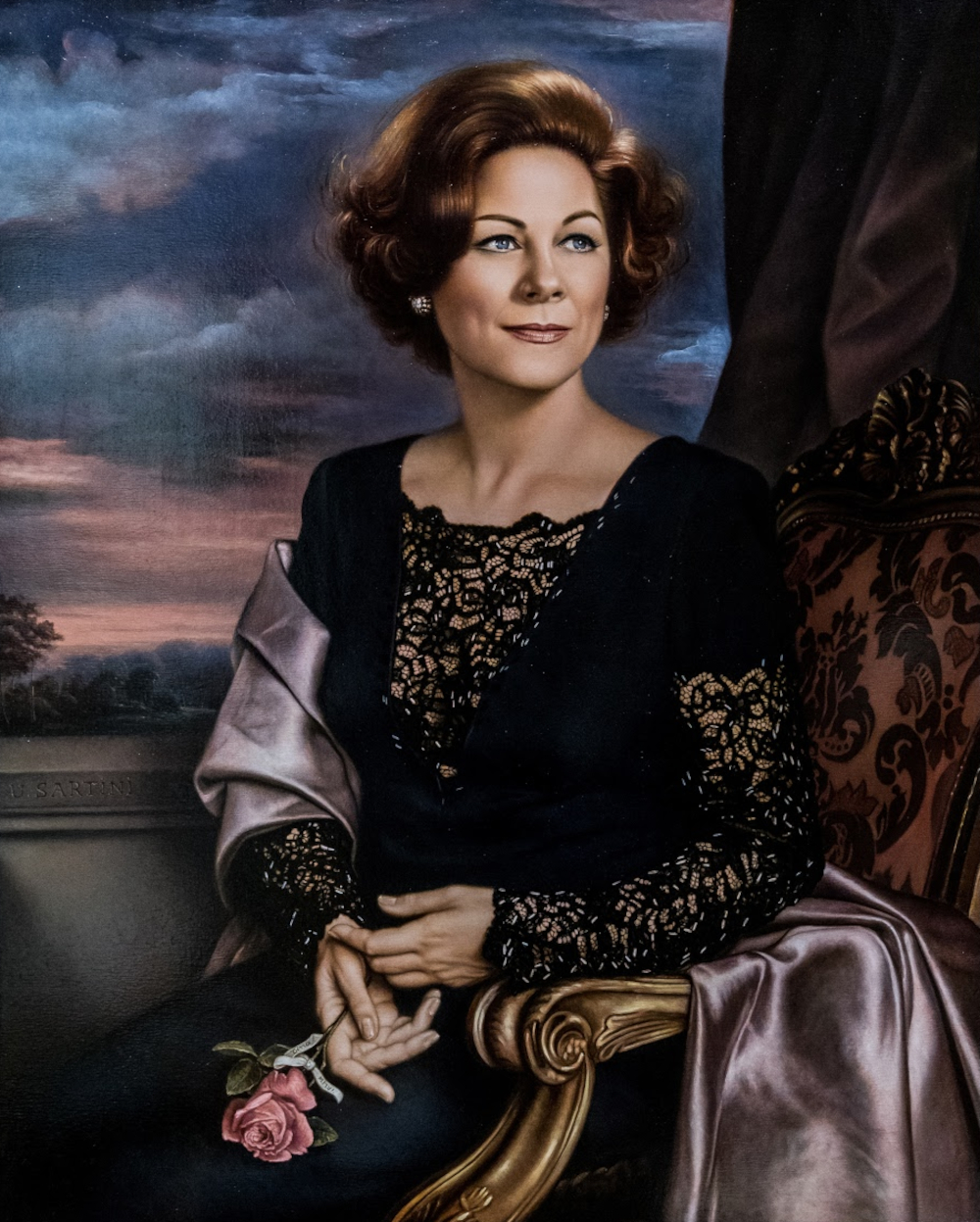
雷纳塔·苔芭尔蒂(Renata Ersilia Clotilde Tebaldi,1922年2月1日—2004年12月19日),是一位意大利女高音歌剧演唱家,歌剧界认为她有着“天使般的美丽歌喉”。
苔芭尔蒂出生于一个音乐世家,其父是佩萨罗一所学校的小提琴音乐老师。在1950年代到60年代,她与当时走红的著名意大利男高音歌唱家马里奥·德·摩纳哥被誉为是一对“黄金搭档”。
Renata Ersilia Clotilde Tebaldi (* 1. Februar 1922 in Pesaro; † 19. Dezember 2004 in San Marino), bekannt als die „Engelsstimme“, war eine italienische Opernsängerin (Spinto-Sopran).