
Deutsch-Chinesische Enzyklopädie, 德汉百科
 Royalty
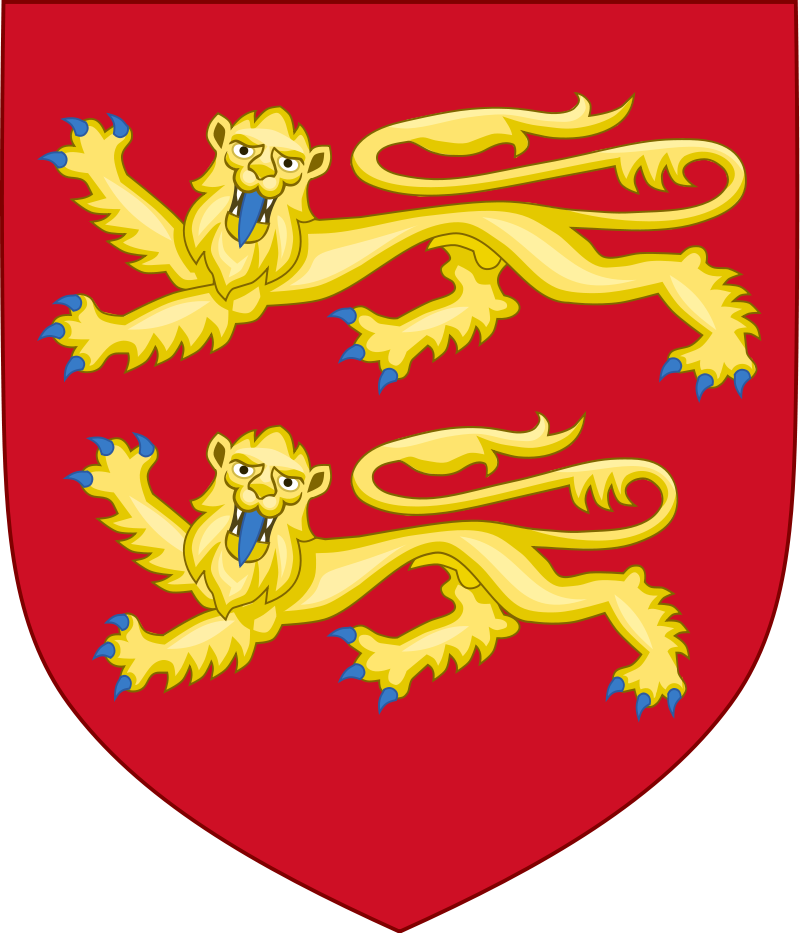
Die Rolloniden, auch Haus Normandie (französisch: Rollonides oder Maison de Normandie; englisch: House of Normandy), sind die Familie der normannischen Grafen und Herzöge der Normandie ab dem Beginn des 10. Jahrhunderts sowie der Könige von England von 1066 bis 1135. Die Rolloniden sind Nachkommen des ersten normannischen Fürsten Rollo.
Nach dem Tod König Heinrichs I. usurpierte Stephan von Blois den englischen Thron und das Herzogtum Normandie. Die Hauptlinie des Geschlechts starb 1167 mit Kaiserin Matilda aus. Die auf das Haus Normandie folgende Plantagenet-Dynastie berief sich auf die Erbrechte Matildas. Sämtliche späteren englischen Monarchen inklusive des heute regierenden Hauses Windsor stammen von den Rolloniden ab. Die Nebenlinien Clare und FitzWalter bestanden im Mannesstamm noch bis ins 14. bzw. 15. Jahrhundert.
诺曼底王朝(法语:Maison de Normandie;911年-1135年)是起源于法国诺曼底地区的贵族家族,其家族拥有的头衔包含鲁昂伯爵、诺曼底公爵,以及在诺曼征服英格兰后的英格兰国王。该家族的创始者为被西法兰克王国招安的归化维京人罗洛,在确立统治后迅速融入法国文化与封建制度[1][2]。该家族所统治的诺曼人影响了西欧与南欧乃至于中东地区的政治与军事发展,并全面的重新塑造中世纪英格兰的社会面貌,大量法语词汇涌入古英语,使至今仍有至少1/3的英语单词源自诺曼法语。
 History
 L 1000 - 1500 AD
Könighaus
Herzog von Holstein
Könighaus
Großherzog von Oldenburg
Könighaus
Herzog von Schleswig
Könighaus
King of Denmark
Könighaus
König von Griechenland
Könighaus
König von Norwegen
Könighaus
König von Schweden
Könighaus
Emperor of Russia
L 1000 - 1500 AD
Könighaus
Herzog von Holstein
Könighaus
Großherzog von Oldenburg
Könighaus
Herzog von Schleswig
Könighaus
King of Denmark
Könighaus
König von Griechenland
Könighaus
König von Norwegen
Könighaus
König von Schweden
Könighaus
Emperor of Russia
 Lower Saxony
Royalty
Lower Saxony
Royalty
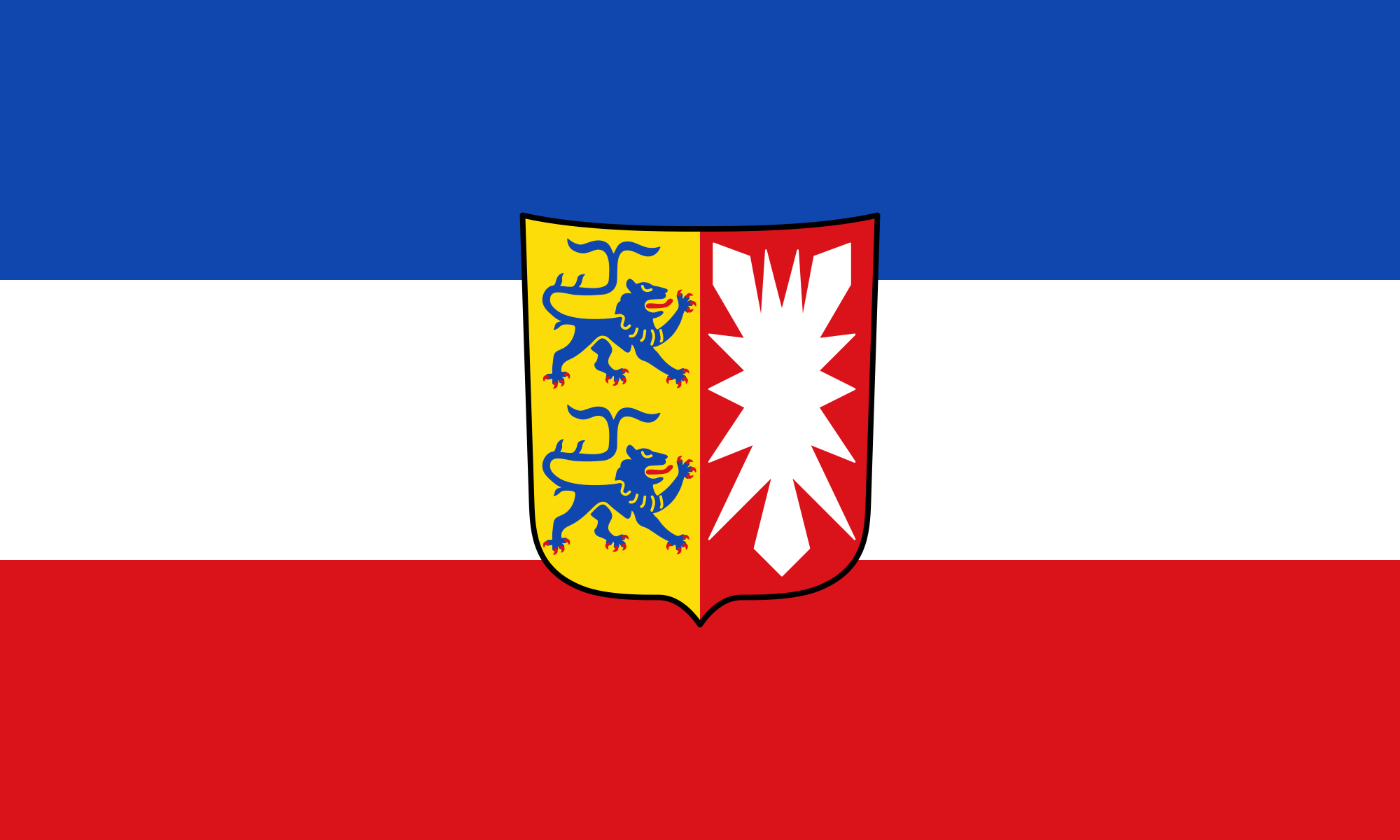 Schleswig-Holstein


金雀花王朝(House of Plantagenet),在法国又名安茹王朝(House of Anjou)。王室家族是一个源于法国安茹的贵族,从12世纪起统治英格兰,首任英格兰国王是亨利二世。除家族原有世袭领地安茹伯国(1060年–1203年),该朝曾统治过诺曼底公国(1144年–1204年及1415年–1450年)、英格兰王国(1154年–1485年)、阿基坦公国(1153年–1453年),一度拥有从比利牛斯山到苏格兰边境的广大统治版图,后世称此时期的英格兰王国为“安茹帝国”。金雀花王朝的正式君王有八位,统治着1154年–1399年的英格兰。1399年理查二世逝世后的英格兰由该朝的两分支系——兰开斯特王朝和约克王朝先后统治,而这两家族因为王位争夺而爆发了15世纪后半叶的玫瑰战争。
金雀花王朝期间,英国文化艺术逐渐成形,最能表现中世纪文学精神的诗人杰弗里·乔叟便处于这个时代。哥特式建筑在这时期盛行,著名的威斯敏斯特大教堂和约克大教堂正是根据该建筑形式重修的。政治、社会形态也在发展,如宪法史上极具影响力的《大宪章》便是约翰王签署的,英格兰议会、模范会议源于该朝。而较专门的教育机构也建立起来了,包括牛津大学和剑桥大学。而金雀花王朝时期政治气候多变,此间的“百年战争”便是一次代表性历史事件。
Das Haus Anjou-Plantagenêt (französisch [ɑ̃ˈʒu-ˌplɑ̃taʒ'nɛ], englisch [ɑːn'ʤuː-plæn'tæʤənɪt][1]) war eine französischstämmige Herrscherdynastie, die von 1154 bis 1399 in direkter Linie und bis 1485 in den Nebenlinien Lancaster und York die Könige von England stellte. Neben dem französischen Herrschergeschlecht der Kapetinger und den Kaiserhäusern der Ottonen, Salier und Staufer gehören die Plantagenets zu den bedeutendsten Dynastien des hochmittelalterlichen Westeuropas.Im Mannesstamm existiert die Familie bis heute in den Somerset-Dukes von Beaufort weiter, die von der Bastardlinie Beaufort abstammen.
プランタジネット朝(プランタジネットちょう、英: Plantagenet dynasty [plænˈtædʒənət])は、中世イングランド王国の王朝。フランスの貴族であったアンジュー伯アンリが1154年にイングランド王ヘンリー2世となり、1399年にリチャード2世が廃されるまで続いた。ただし、その後に続くランカスター朝、ヨーク朝ともプランタジネット家の男系の傍系であるため、広義ではプランタジネット朝に含まれる。この場合はヨーク朝のリチャード3世が最後のプランタジネット朝の王となる。ヨーク朝を滅ぼして王位を得たテューダー朝およびその後のすべての王朝は、女系でプランタジネット家の血を引いている。アンジュー伯家から興ったことから、その初期(ヘンリー2世からジョンまで)についてはアンジュー朝(Angevin Dynasty)とも呼ばれる。
The House of Plantagenet[nb 1] (/plænˈtædʒənɪt/) was a royal house which originated from the lands of Anjou in France. The name Plantagenet is used by modern historians to identify four distinct royal houses: the Angevins, who were also counts of Anjou; the main body of the Plantagenets following the loss of Anjou; and the Plantagenets' two cadet branches, the houses of Lancaster and York. The family held the English throne from 1154, with the accession of Henry II, until 1485, when Richard III died in battle.
Under the Plantagenets, England was transformed – although this was only partly intentional. The Plantagenet kings were often forced to negotiate compromises such as Magna Carta. These constrained royal power in return for financial and military support. The king was no longer just the most powerful man in the nation, holding the prerogative of judgement, feudal tribute and warfare. He now had defined duties to the realm, underpinned by a sophisticated justice system. A distinct national identity was shaped by conflict with the French, Scots, Welsh and Irish, and the establishment of English as the primary language.
In the 15th century, the Plantagenets were defeated in the Hundred Years' War and beset with social, political and economic problems. Popular revolts were commonplace, triggered by the denial of numerous freedoms. English nobles raised private armies, engaged in private feuds and openly defied Henry VI.
The rivalry between the House of Plantagenet's two cadet branches of York and Lancaster brought about the Wars of the Roses, a decades-long fight for the English succession, culminating in the Battle of Bosworth Field in 1485, when the reign of the Plantagenets and the English Middle Ages both met their end with the death of King Richard III. Henry VII, of Lancastrian descent, became king of England; five months later, he married Elizabeth of York, thus ending the Wars of the Roses, and giving rise to the Tudor dynasty. The Tudors worked to centralise English royal power, which allowed them to avoid some of the problems that had plagued the last Plantagenet rulers. The resulting stability allowed for the English Renaissance, and the advent of early modern Britain.
Plantegenêt (ou Plantagenet selon la graphie anglaise) est le nom d'une maison royale issue des comtes d'Anjou et du Maine. Ses membres devinrent rois de Jérusalem de 1131 à 1205, puis rois d'Angleterre de 1154 à 1485. Ils furent également ducs de Normandie et d'Aquitaine, comtes du Poitou et de Nantes, seigneurs d'Irlande (très brièvement ducs de Bretagne), rois de Germanie, seigneurs de Chypre, etc.
Les maisons de Lancastre et d'York sont deux des branches des Plantegenêt.
Le nom « Plantegenêt » est apparu au XIIe siècle avec Geoffroy V d'Anjou mais il fut donné, a posteriori, à l'ensemble de la dynastie des comtes d'Anjou de cette maison.
I Plantageneti furono una casata comitale medievale, anche chiamati seconda casa d'Angiò o Angiò-Plantageneti. Divenne una casata di rango regale con Enrico II d'Inghilterra, figlio di Goffredo V d'Angiò il Bello. Goffredo, nato nel 1113, sposò Matilde, figlia di Enrico I d'Inghilterra. Il nome della casata prende origine dal latino planta genistae, ovvero «pianta di ginestra», dal momento che il suo simbolo fu il fiore di detta fabacea.
Le origini dei Plantageneti sono individuabili nel Gâtinais (odierna Centro-Valle della Loira) e successivamente nell'Angiò (Paesi della Loira), di cui divenne la prima casa comitale sin dal IX secolo. In seguito assunse, oltre al governo dell'Inghilterra (1154-1485), quello di Normandia (1144–1204, 1346–60 e 1415-50), di Guascogna e Aquitania (1153–1453), ma nel 1206 perdette la stessa contea di Angiò, passata alla corona francese con Filippo Augusto. La dinastia plantageneta, includendo anche i rami cadetti di Lancaster e di York, conta quindici sovrani d'Inghilterra e regnò ininterrottamente dal 1154 al 1485.
La ramificazione occorse quando nella seconda metà del XIV secolo due figli di Edoardo III non eredi al trono, Giovanni di Gand ed Edmondo di Langley, divennero duchi rispettivamente di Lancaster e di York, dando origine così ai due sottorami familiari; il ramo principale finì quando Riccardo II fu deposto dal suo cugino Enrico IV, figlio del duca di Lancaster.
L'ultimo Lancaster fu Enrico VI che si alternò sul trono con il primo degli York, Edoardo IV. L'ultimo York, e in assoluto l'ultimo della discendenza dei Plantageneti, fu Riccardo III, che fu ucciso in battaglia nel 1485 da Enrico VII, che quindi portò al trono la propria dinastia, i Tudor.
La Casa de Plantagenet fue la dinastía reinante en Inglaterra entre 1154 y 1399. Después de que el último Plantagenet fuera obligado a abdicar, la corona pasó a dos ramas secundarias de la dinastía: primero la Casa de Lancaster y posteriormente la Casa de York. La dinastía acabó finalmente en 1485 con la muerte de Ricardo III, dando comienzo al gobierno de la Casa de Tudor.
La dinastía tiene su origen en Francia, más precisamente en el condado de Anjou. En 1127, Godofredo V de Anjou se casó con Matilde, única hija del rey Enrique I de Inglaterra.
En 1135, tras la muerte de Enrique I, Esteban de Blois, sobrino del rey, se hizo coronar rey de Inglaterra como Esteban I. Sin embargo, las luchas entre los partidarios de Esteban y los de Matilde llevaron a una guerra civil, conocida como "anarquía inglesa".
En 1151 el hijo de Matilde y Godofredo V de Anjou, Enrique, heredó el condado de Anjou tras la muerte de su padre, como Enrique I de Anjou.
En 1153 Esteban firmó el Tratado de Wallingford, por el que se ponía fin a la Anarquía Inglesa y se designaba como sucesor al hijo de Matilde, el duque de Anjou Enrique I, que sería coronado como Enrique II de Inglaterra.
La dinastía Anjou comenzó a ser conocida como dinastía Plantagenet, debido a una característica de la vestimenta de Godofredo V de Anjou. Este personaje usaba como cimera una ramita de retama (o genista, o hiniesta), y en el francés antiguo (que se hablaba entonces en Inglaterra), "hiniesta" se decía "genest" (posteriormente y hoy, genêt). Esto le valió en su época el apodo de "Godofredo Plantagenest", luego "Plantagenet". Desde entonces, la Casa pasó a ser conocida como de los Plantagenet.1
En 1399 Enrique de Lancaster obligó a su primo el rey Ricardo II a cederle la Corona. Comenzando así la Casa de Lancaster, rama de la Casa de Plantagenet.
En 1455 estalló la Guerra de las Dos Rosas que enfrentó a dos ramas de la dinastía Plantagenet, la Casa de Lancaster (reinante) y la Casa de York. Finalmente, Eduardo de York se convirtió en rey. La Casa de York ostentó la Corona hasta la batalla de Bosworth (1485), en la que el rey Ricardo III es derrotado y muerto por el ejército de Enrique Tudor. Tras la batalla Enrique es coronado rey, acabando así la Casa de Plantagenet y naciendo la de Tudor.
Плантагене́ты (фр. Plantagenêt, англ. Plantagenets) — королевская династия французского происхождения, одна из ветвей дома Гатине-Анжу, основные владения которой (графство Анжу) изначально находились во Франции, но впоследствии значительно расширились. В результате Плантагенеты оказались правителями Англии (1154—1399), Нормандии (1144—1204, 1346—1360 и 1415—1450), а также Гаскони и Гиени (1153—1453). Однако в ходе конфликтов с французскими королями Плантагенеты были вынуждены уступить само графство Анжу Франции в 1206 году.

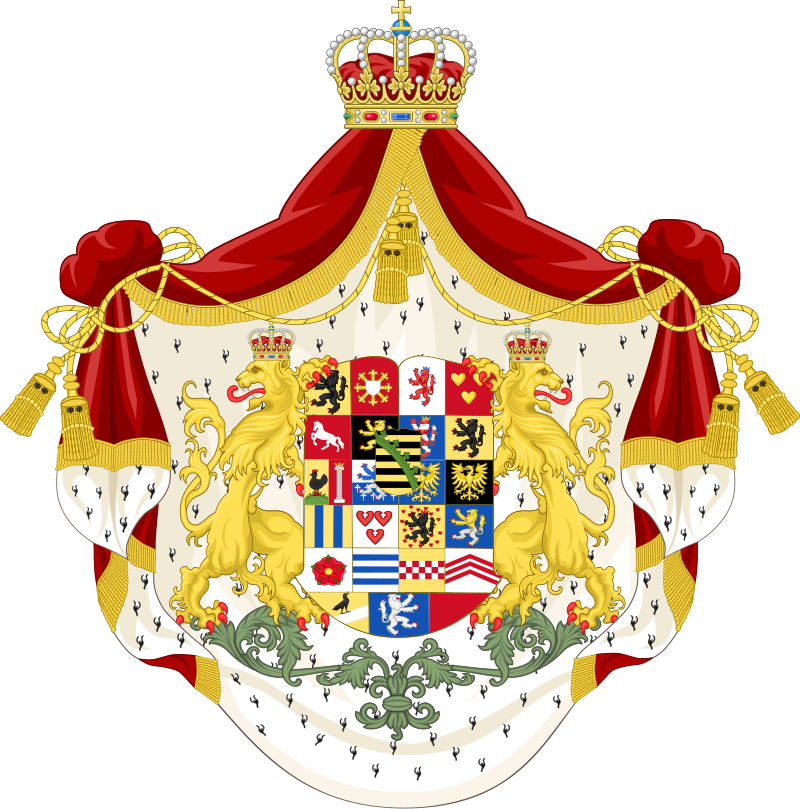
萨克森-科堡-哥达王朝(英语:Saxe-Coburg and Gotha,德语:Sachsen-Coburg und Gotha)是一个源自德国,曾经统治萨克森-科堡-哥达公国(1826年-1918年)、比利时(1831年至今)、葡萄牙(1853年-1910年)、保加利亚(1887年-1946年)和英国(1901年-1917年)的欧洲王室。
Das Haus Sachsen-Coburg und Gotha ist eine deutsche Adelsfamilie, eine jüngere Seitenlinie der ernestinischen Wettiner. Der Name stammt vom Herzogtum Sachsen-Coburg und Gotha, das auf dem Gebiet der heutigen Länder Thüringen und Bayern gelegen ist und von der Familie von 1826 bis 1918 regiert wurde. Durch Wahl und eine geschickte Heiratspolitik gelangten Mitglieder der Fürstenfamilie aus dem politisch weitgehend unbedeutenden Sachsen-Coburg-Gotha auf eine Reihe europäischer Throne, womit die Familie europaweit Bedeutung erlangte. Heute regieren Mitglieder des Hauses noch in Belgien und im Vereinigten Königreich, im letzteren allerdings seit 1917 unter dem Namen Haus Windsor.


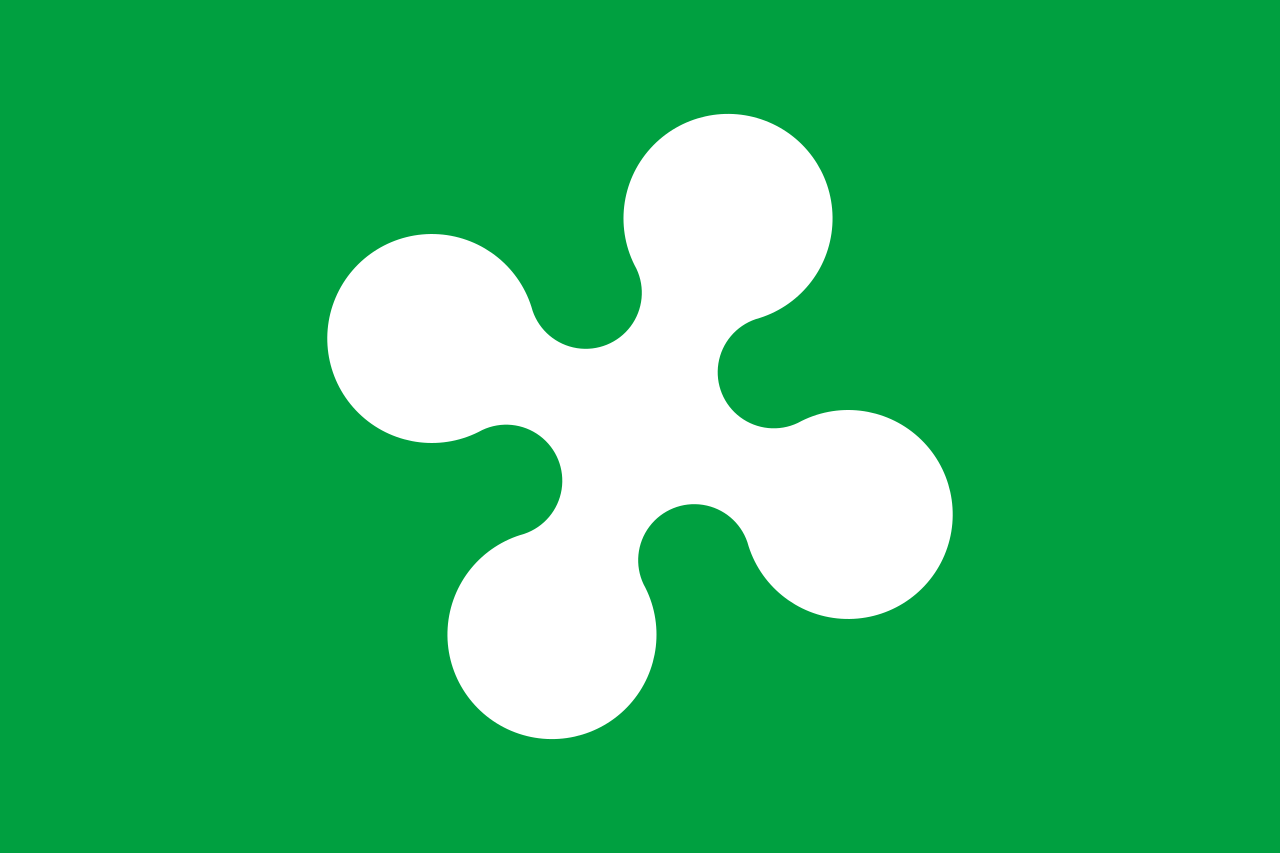 Lombardia
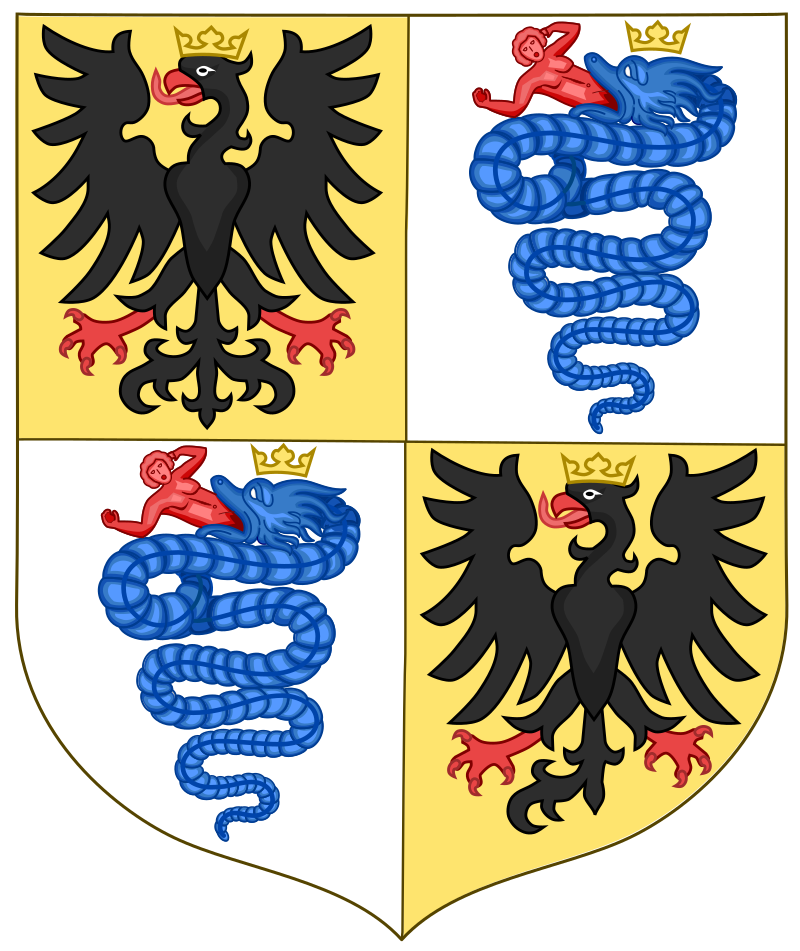 England
History
M 1500 - 2000 AD
History of the United Kingdom
Ireland
Royalty
Schottland
United Kingdom
England
History
M 1500 - 2000 AD
History of the United Kingdom
Ireland
Royalty
Schottland
United Kingdom
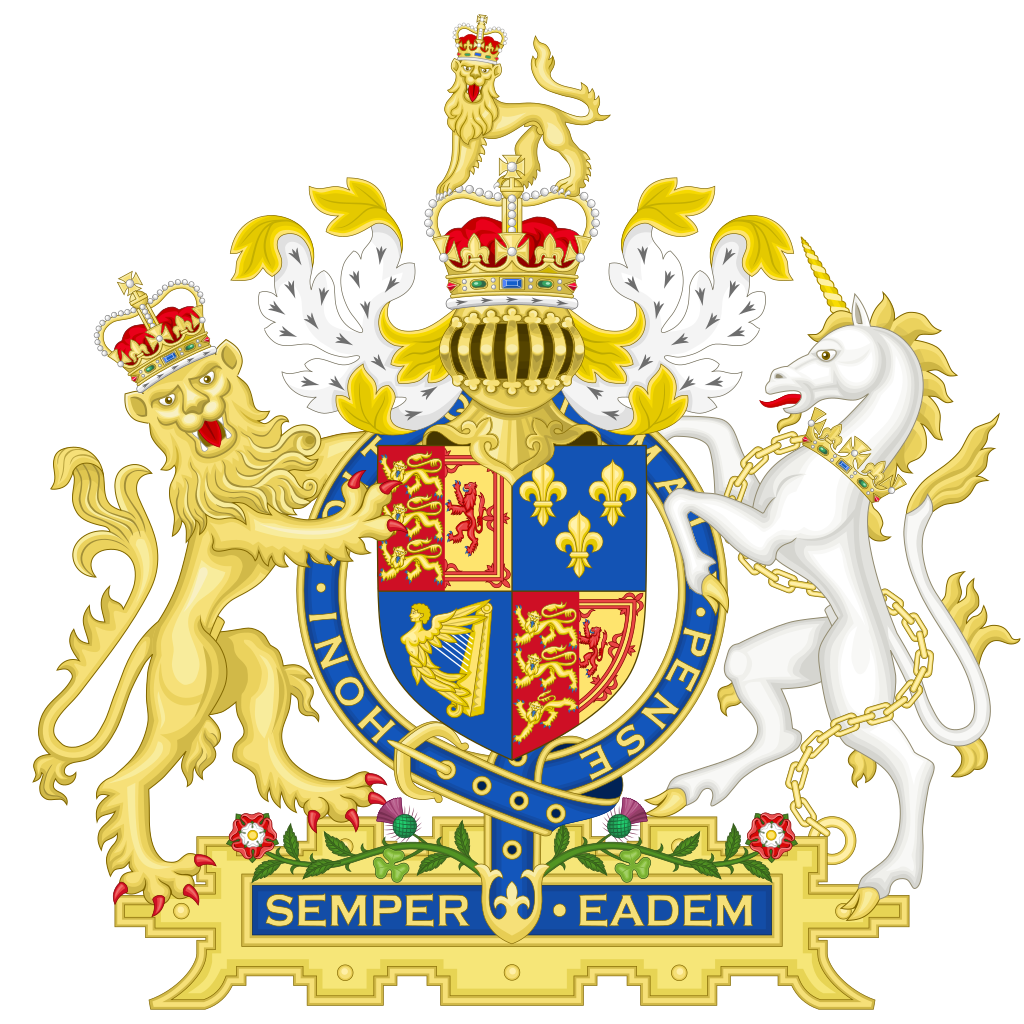
Das Haus Stewart (auch Clan Stewart) ist eine schottische Adelsfamilie. Die Hauptlinie der Familie stellte von 1371 bis 1587 die Könige von Schottland. Danach fiel die schottische Krone durch Ehe an eine Nebenlinie desselben Hauses, die Haus Stuart genannt wurde und ab 1603 in Personalunion auch die Könige von England und Irland stellte. Das königliche Haus Stuart wurde 1714 durch das Haus Hannover auf dem britischen Thron abgelöst und starb 1807 im Mannesstamm aus. Ältere Seitenlinien und Bastardlinien existieren bis heute.
斯图亚特王朝(英语:The House of Stuart;盖尔语:Siol Na Stiubhartaich),“斯图亚特”一词最初的拼写为"Stewart",是1371年至1714年间统治苏格兰和1603年至1714年间统治英格兰和爱尔兰的王朝。其王室成员的祖先可以追溯至公元11世纪法国布列塔尼的地方贵族。斯图亚特是第一个成功统治整个不列颠群岛的王室。但统治权实际上不太稳定,经历数次革命,两位君主被革命所推翻。同时由于斯图亚特王室的罗马天主教背景,导致基督新教徒为主的英格兰民众经常质疑君主的宗教倾向,令不列颠群岛的不稳定因素增加不少。不过,这些因素促使英国议会权力愈来愈大,使英国最早成为议会制国家,也使英国的民主步伐领先于欧陆诸国。
England
History
M 1500 - 2000 AD
History of the United Kingdom
Ireland
Northern Ireland
Royalty
United Kingdom
Wales

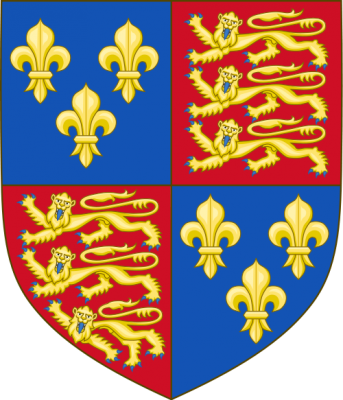

都铎王朝(Tudor dynasty),是1485至1603年间统治英格兰王国和其属土的王朝。而该王朝首位君主亨利·都铎乃威尔士古代德赫巴思公国(Welsh principality of Deheubarth)统治者和英格兰的兰开斯特王室的后代。
亨利·都铎不但得到兰开斯特王朝的支持者的民心,更在战争中获得兰开斯特宿敌——约克王室的支持,在蔷薇战争后期渐渐得势。之后顺利登上英王大位,是为亨利七世。而他和伊丽莎白·约克的联姻,象征著过往开战的双方,在新王朝的旗帜下联合起来,进一步巩固了都铎家族的胜利。而都铎王朝的权势并不局限在英格兰,他们成功将威尔士兼并入英格兰(《1535-1542年威尔士系列法案》),并确立了英格兰对爱尔兰王国的治权。他们亦维持了对法国王位的主张,但历任君主都没有在实现该主张上有任何实质进展。
总共五位都铎君主统治过英格兰的属地超过一个世纪。而亨利八世是唯一一位活至成年的亨利七世后裔。因此王位继承一直是都铎年间的主要政治议题。
终身不嫁的“童贞女王”伊丽莎白一世的驾崩,标志着都铎王室绝嗣。而当时在位苏格兰国王詹姆士六世的曾祖母,正是亨利八世的长姊马格丽特·都铎公主。因此詹姆士根据和伊丽莎白生前的秘密约定,入继英格兰王位。英苏两国组成共主邦联,结束两国持续近六百年的战争,英伦三岛进入斯图亚特王朝。
Haus Tudor [ˈtuːdə], [ˈtʲuːdə], walisisch Tudur oder Tewdwr (engl. Royal House of Tudor), ist der Name eines walisischen Geschlechtes auf dem englischen Königsthron von 1485 bis 1603.
Der erste englische Tudor-König Heinrich VII. führte seinen Anspruch auf den Thron über seine Mutter Margaret Beaufort auf den 1377 gestorbenen König Eduard III. Plantagenet zurück. Vater Heinrichs war Edmund Tudor, Earl of Richmond, Sohn des Owen Tudor. Als Oberhaupt der Partei des Hauses Lancaster besiegte er den letzten König aus dem Hause York, Richard III. in der Schlacht von Bosworth Field 1485, wurde vom Parlament anerkannt und heiratete Elizabeth of York, Schwester des verschollenen Königs Eduard V.
Nach der letzten englischen Königin aus dem Hause Tudor folgte Jakob I. aus dem Haus Stuart auf den Thron, da er der Urenkel von Margaret Tudor war; er wurde der erste gemeinsame König von England und Schottland.
テューダー朝(テューダーちょう、英語:Tudor dynasty)は、イングランド王国(1485年 - 1603年)およびアイルランド王国(1541年 - 1603年)の王朝。チューダー朝とも。薔薇戦争を勝ち抜き、ヨーク朝を倒して王位を得た。女系を通じてランカスター朝に繋がる。
テューダー家はウェールズを発祥とする、かつてのウェールズの君主の末裔の家系であったが、ヘンリー7世の祖父オウエン・テューダーはイングランド王ヘンリー5世の未亡人キャサリン・オブ・ヴァロワの納戸係秘書を務める下級貴族に過ぎなかった。しかしオウエンはキャサリンと結婚し、その間に生まれたエドマンド・テューダーらの子供たちは一躍、ヘンリー6世の異父弟として、またフランス王家の血を引く者として上級貴族の一員となった。エドマンドが、エドワード3世の四男ジョン・オブ・ゴーントの曾孫であるボーフォート家のマーガレット・ボーフォートと結婚し、その間に生まれたリッチモンド伯ヘンリー・テューダーは母方の血統により最後のランカスター家の王位継承権者となった。1485年、ヘンリー・テューダーはボズワースの戦いでリチャード3世を破ってヘンリー7世として即位し、テューダー朝を開いた。
百年戦争、薔薇戦争で疲弊した諸侯を抑圧して絶対王政を推進し、海外進出にも積極的で、その政策はヘンリー8世、エドワード6世、メアリー1世、エリザベス1世に受け継がれ、テューダー朝の全盛期を築いた。エリザベス1世の死によりヘンリー8世の血筋が絶えたため、ヘンリー7世の血を引くスコットランド王ジェームズ6世がジェームズ1世としてイングランド王に迎えられ、イングランドにおけるステュアート朝を開いた。王家の出自もあって、この時代に国王の臣下として活躍した人物には、フランシス・ドレークやウォルター・ローリーなどウェールズ系が多いと言われている。
The House of Tudor was an English royal house of Welsh origin,[1] descended in the male line from the Tudors of Penmynydd. Tudor monarchs ruled the Kingdom of England and its realms, including their ancestral Wales and the Lordship of Ireland (later the Kingdom of Ireland) from 1485 until 1603, with five monarchs in that period. The Tudors succeeded the House of Plantagenet as rulers of the Kingdom of England, and were succeeded by the House of Stuart. The first Tudor monarch, Henry VII of England, descended through his mother from a legitimised branch of the English royal House of Lancaster. The Tudor family rose to power in the wake of the Wars of the Roses, which left the House of Lancaster, to which the Tudors were aligned, extinct.
Henry Tudor was able to establish himself as a candidate not only for traditional Lancastrian supporters, but also for the discontented supporters of their rival House of York, and he rose to the throne by the right of conquest. His victory at the Battle of Bosworth Field was reinforced by his marriage to the English princess Elizabeth of York, daughter of Edward IV, symbolically uniting the former warring factions under a new dynasty. The Tudors extended their power beyond modern England, achieving the full union of England and the Principality of Wales in 1542 (Laws in Wales Acts 1535 and 1542), and successfully asserting English authority over the Kingdom of Ireland. They also maintained the nominal English claim to the Kingdom of France; although none of them made substance of it, Henry VIII fought wars with France trying to reclaim that title. After him, his daughter Mary I lost control of all territory in France permanently with the fall of Calais in 1558.
In total, five Tudor monarchs ruled their domains for just over a century. Henry VIII was the only son of Henry VII to live to the age of maturity. Issues around the royal succession (including marriage and the succession rights of women) became major political themes during the Tudor era. In 1603 when Elizabeth I died without heir, the Scottish House of Stuart supplanted the Tudors as England's royal family through the Union of the Crowns. The first Stuart to be King of England, James VI and I, descended from Henry VII's daughter Margaret Tudor, who in 1503 married James IV as part of the Treaty of Perpetual Peace.For analysis of politics, diplomacy and social history, see Tudor period.
La famille Tudor est à l'origine d'une dynastie royale qui a donné son nom à la période de l'histoire anglaise située entre 1485 et 1603. L'ère Tudor marque la fin de la guerre civile qu'a constituée la guerre des Deux-Roses et couvre le règne de cinq monarques qui ont contribué à faire de l'Angleterre une puissance européenne majeure.
La dynastie Tudor ou maison Tudor (Tudur en gallois) est d'origine galloise et voit son origine remonter au XIIIe siècle. Les deux principaux monarques Henri VIII d'Angleterre et la reine Élisabeth Ire, orchestrèrent la mutation du royaume d'Angleterre d'une arrière-cour européenne toujours plongée dans le Moyen Âge en un puissant État de la Renaissance1.
La dinastia Tudor (in inglese: House of Tudor; in gallese: Tudur) fu un'antica casata reale inglese di origini gallesi. I Tudor, tramite cinque sovrani, governarono il Regno d'Inghilterra e i suoi reami, compreso il loro ancestrale Galles e la Signoria d'Irlanda (più tardi il Regno d'Irlanda), dal 1485 al 1603.
I Tudor succedettero ai Plantageneti come governanti del Regno d'Inghilterra. Il primo monarca Tudor fu Enrico VII, discendente attraverso sua madre da un ramo legittimato della Casa reale inglese di Lancaster. Enrico salì al potere dopo la Guerra delle due rose (1455–1485) , atroce scontro fratricida che lasciò gli York decimati e i Lancaster estinti: infatti, l'ultimo re della famiglia Lancaster, Enrico VI, e il suo unico erede Edoardo morirono entrambi nel 1471, mentre l'ultimo re della famiglia York, Riccardo III, venne sconfitto e ucciso nella battaglia di Bosworth Field contro Enrico Tudor, il quale si affermò come discendente e membro dei Lancaster e conquistò ben presto la Corona d'Inghilterra.
Enrico VII inoltre, per rafforzare la propria posizione, sposò Elisabetta di York, figlia del re Edoardo IV e nipote di Riccardo III, in modo da racchiudere entrambe le famiglie sotto, letteralmente, un unico "tetto". Di questa unione è simbolo la cosiddetta "rosa Tudor", generata dall'unione della rosa rossa dei Lancaster e della rosa bianca degli York.
Insieme al già citato Enrico VII, suo figlio Enrico VIII e sua nipote Elisabetta I furono i tre principali sovrani ed esponenti della dinastia ed ebbero un ruolo molto importante nella trasformazione dell'Inghilterra da Paese della "periferia" europea dell'epoca medievale a potenza destinata a dominare gran parte del Pianeta nei secoli successivi.
I Tudor, infatti, estesero il loro dominio oltre la mera Inghilterra, governando anche sul Galles e sull'Irlanda. Nominalmente mantennero vive le storiche pretese della monarchia inglese sul trono di Francia, ma nessuno eccetto Enrico VIII vi si impegnò seriamente. Alla fine fu sua figlia Maria I ad abbandonare ogni pretesa su di esso quando perse l'ultimo avamposto inglese in Francia, Calais.
Dopo la morte senza eredi maschi del quindicenne Edoardo VI e il successivo regno delle sue due sorelle, Maria I e Elisabetta I, anch'esse morte senza eredi, la dinastia dei Tudor si estinse definitivamente nel 1603, portando sul trono inglese la Casa reale degli Stuart, già sovrani di Scozia.
La Casa de Tudor o Dinastía Tudor gobernó el reino de Inglaterra desde 1485 hasta 1603.2 Su emblema era una rosa, la rosa Tudor, de diez pétalos, cinco blancos en el centro y cinco rojos en el borde exterior. De esta forma se simbolizaba la unión de la Casa de York con la Casa de Lancaster y el fin de la guerra civil que ensangrentó la historia inglesa durante el siglo XV. Su historia está entrelazada con los acontecimientos más importantes y dramáticos de la historia moderna de Europa y del mundo, pues bajo su gobierno comenzó la exploración inglesa de América. Por ello se la considera como la familia real inglesa más famosa y controvertida. Son un ejemplo de las monarquías autoritarias con las que compitieron y se relacionaron en el escenario de la Europa occidental del Antiguo Régimen.3
Тюдо́ры (по традиционному русскому ударению; английское ударение на первый слог, англ. Tudors, ед. ч. Tudor) — королевская династия Англии в 1485—1603.
Происходит от валлийской дворянской семьи ap Tuddur, названной в честь Тудура ап Горонви (валл. Tudur ap Goronwy, 1310-1367), род которого издавна владел землями на острове Англси.
Является одной из ветвей рода Койлхена, и, таким образом, имела формальное право на владение всей Британией. Роль в английской истории Тюдоры начали играть с сына Маредида Оуэна Тюдора, который женился на Екатерине Французской, вдове Генриха V. От этого брака родились два сына — Эдмунд и Джаспер, — которым их единоутробный брат Генрих VI дал титулы графа Ричмонда и графа Пембрука соответственно. Эдмунд Тюдор ещё раз породнился с домом Ланкастеров, женившись на правнучке основателя этой ветви Джона Гонта (через узаконенную линию потомков его любовницы, а позднее и жены, Катерины Суинфорд), официально не имевшей права на престол Маргарите Бофорт. От этого брака (уже после смерти отца) родился будущий Генрих VII (1457).
После гибели последнего Ланкастера, принца Эдуарда (1471), ланкастерская партия поддерживала кандидатуру находившегося во Франции Генриха Тюдора[1], хотя были и другие претенденты, также находившиеся в родстве с Бофортами (например, герцог Бекингэм). Воспользовавшись кризисом в Англии после захвата власти Ричардом III, Генрих высадился в Уэльсе, двинулся вглубь страны, победил Ричарда, павшего в битве при Босворте, и стал 22 августа 1485 г. королём. Права на престол Генрих подкрепил женитьбой на дочери Эдуарда IV Йоркского, Елизавете; таким образом, дома Ланкастеров и Йорков объединились.
После Генриха VII царствовал его сын Генрих VIII, а затем трое детей последнего: Эдуард VI, Мария I и Елизавета I. Между царствованиями Эдуарда и Марии престол был на несколько дней узурпирован правнучкой Генриха VII леди Джейн Грей.
Так как дети Генриха VIII не оставили потомства, со смертью Елизаветы I династия Тюдоров пресеклась. Самым близким родственником династии стал король Шотландии Яков VI, сын Марии Стюарт, которая была дочерью Якова V, матерью которого была сестра Генриха VIII Маргарита Тюдор. Таким образом, после Елизаветы престол перешёл к Якову (ставшему королём Англии как Яков I), и династия Стюартов стала царствовать в обоих королевствах Британских островов.
Время Тюдоров — период Возрождения в Англии, становления абсолютизма, активного участия страны в европейской политике, расцвета культуры (материальной и духовной), экономических реформ (огораживания), приведших к обнищанию (пауперизации) значительной части населения. Одно из самых драматических событий периода — Английская реформация, предпринятая Генрихом VIII по личным причинам (отсутствие санкции Рима на новый брак), Контрреформация и репрессии против протестантов при Марии, новый возврат к англиканству при Елизавете.
При Тюдорах Англия достигла Америки (экспедиция Кабота — конец XV века) и начала её колонизацию. Важное политическое событие, упрочившее единство нации — морская победа над испанской «Непобедимой армадой» в 1588 году.