
漢德百科全書 | 汉德百科全书
 Religion
 Baden-Wuerttemberg
 History

 Architecture
 Romanesque architecture
Architecture
Gothic architecture
England
Religion
United Kingdom
Romanesque architecture
Architecture
Gothic architecture
England
Religion
United Kingdom

 Lower Austria
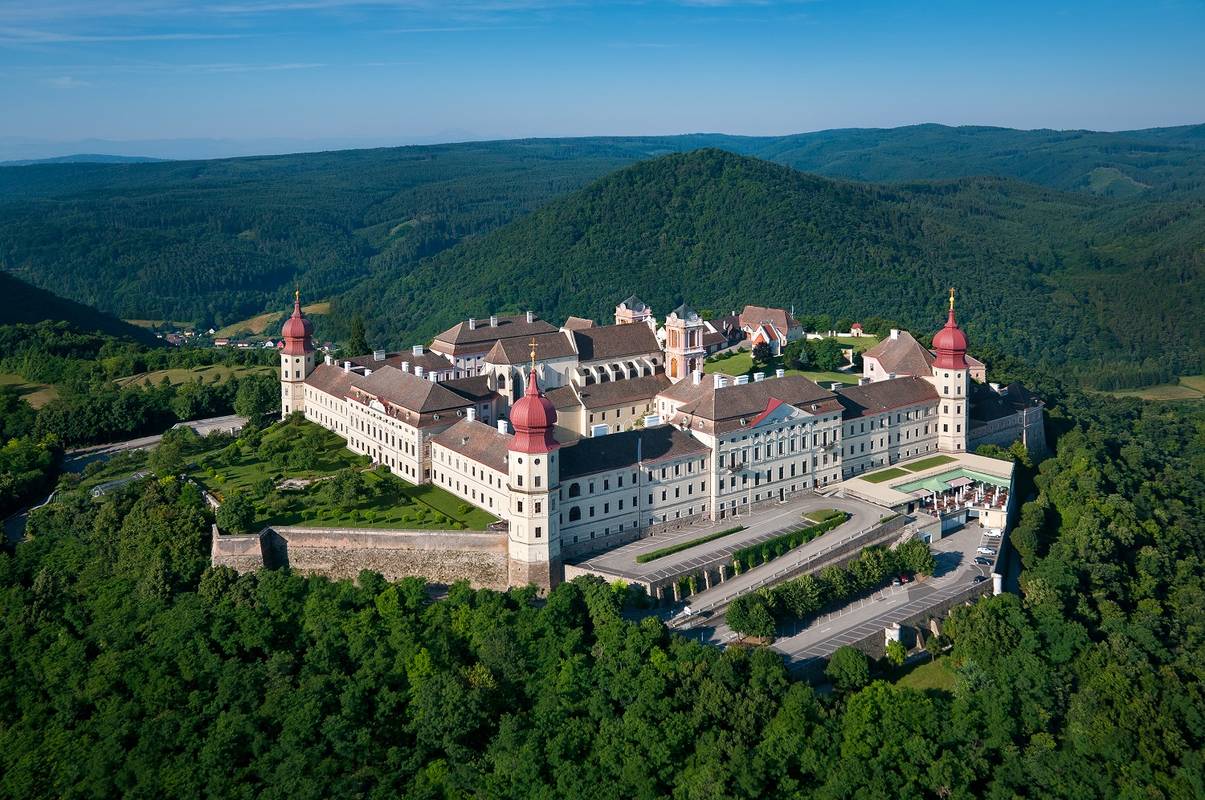
格特维克修道院(Stift Göttweig)位于克雷姆斯以南约6公里处,海拔449米,最早建于1083年。可欣赏修道院的艺术珍藏和了解僧侣的生活。其观景平台可眺望多瑙河谷和瓦豪风景区。 3月中至11月1日开放。
 Geography

| Staat oder Gebiet | Anteil Christen | Anzahl Christen | Sektäre Verteilung der Bevölkerung | Stand |
|---|---|---|---|---|
 Vatikanstadt Vatikanstadt | 100,0 % | 1.000 | Katholiken 100,0 % | 2010 |
 Osttimor Osttimor | 99,6 % | 1.120.000 | Katholiken 98,9 %, Protestanten 1,6 % | 2010 |
 Papua-Neuguinea Papua-Neuguinea | 99,2 % | 6.800.000 | Protestanten 68 %, Katholiken ca. 30 %, sonstige Christen ca. 1 % | 2010 |
 Tonga Tonga | 98,9 % | 100.000 | Protestanten 65,9 %, Katholiken 15,9 %, sonstige Christen 17,1 % | 2010 |
 Armenien Armenien | 98,5 % | 3.040.000 | Orthodoxe 86,6 %, Katholiken 8,7 %, Protestanten 2,2 %, sonstige Christen 1,0 % | 2010 |
 Amerikanisch-Samoa Amerikanisch-Samoa | 98,3 % | 70.000 | Protestanten 60,0 %, Katholiken und sonstige Christen jeweils ca. 20 % | 2010 |
 Namibia Namibia | 97,6 % | 2.230.000 | Protestanten 73,4 %, Katholiken 23,8 %, sonstige Christen 0,4 % | 2010 |
 Marshallinseln Marshallinseln | 97,5 % | 50.000 | Protestanten 87,0 %, Katholiken 8,4 %, sonstige Christen 2,1 % | 2010 |
 Moldau Moldau | 97,5 % | 3.480.000 | Orthodoxe 95,4 %, Protestanten 1,4 %, sonstige Christen 0,4 % | 2010 |
 Salomonen Salomonen | 97,5 % | 520.000 | Protestanten 76,6 %, Katholiken 19,0 %, sonstige Christen 1,8 % | 2010 |
 Sambia Sambia | 97,5 % | 12.760.000 | Protestanten 67,8 %, Katholiken 21 %, sonstige Christen 8,5 % | 2010 |
 Wallis und Futuna Wallis und Futuna | 97,4 % | 10.000 | Katholiken 95,2 %, Protestanten 1,0 %, sonstige Christen 1,3 % | 2010 |
 Samoa Samoa | 97,3 % | 180.000 | Protestanten 63,6 %, Katholiken 19,6 %, sonstige Christen 14,1 % | 2010 |
 Kiribati Kiribati | 97,0 % | 100.000 | Katholiken 55,0 %, Protestanten 38,9 %, sonstige Christen 3,1 % | 2010 |
 Paraguay Paraguay | 96,9 % | 6.260.000 | Katholiken 89,6 %, Protestanten 6,3 %, sonstige Christen 1,0 % | 2010 |
 Puerto Rico Puerto Rico | 96,9 % | 3.630.000 | Katholiken 69,9 %, Protestanten 25,1 %, sonstige Christen 1,9 % | 2010 |
 Lesotho Lesotho | 96,8 % | 2.100.000 | Protestanten 49,9 %, Katholiken 45,7 %, sonstige Christen 1,1 % | 2010 |
 Tuvalu Tuvalu | 96,7 % | 10.000 | Protestanten 95,4 %, Katholiken 0,5 %, sonstige Christen 0,8 % | 2010 |
 Grenada Grenada | 96,6 % | 60.000 | Katholiken 51,9 %, Protestanten 43,4 %, sonstige Christen 1,3 % | 2010 |
 Martinique Martinique | 96,5 % | 390.000 | Katholiken 84,6 %, Protestanten 9,6 %, sonstige Christen 2,3 % | 2010 |
 St. Helena St. Helena | 96,5 % | 10.000 | Protestantische Mehrheit | 2010 |
 Niue Niue | 96,4 % | 10.000 | Protestantische Mehrheit | 2010 |
 Bahamas Bahamas | 96,3 % | 330.000 | Protestanten 80,2 %, Katholiken 14,6 %, sonstige Christen 1,3 % | 2010 |
 Grönland Grönland | 96,1 % | 60.000 | Protestanten 95,5 %, Katholiken 0,2 %, sonstige Christen 0,4 % | 2010 |
 Cookinseln Cookinseln | 96,1 % | 20.000 | Protestantische Mehrheit | 2010 |
 Guadeloupe Guadeloupe | 95,9 % | 440.000 | Katholiken 85,2 %, Protestanten 7,5 %, sonstige Christen 3,2 % | 2010 |
 Demokratische Republik Kongo Demokratische Republik Kongo | 95,7 % | 63.150.000 | Protestanten 48,1 %, Katholiken 47,3 %, sonstige Christen 0,4 % | 2010 |
 Peru Peru | 95,6 % | 27.800.000 | Katholiken 81,3 %, Protestanten 12,5 %, sonstige Christen 1,8 % | 2010 |
 Mikronesien Mikronesien | 95,4 % | 110.000 | Katholiken 52,7 %, Protestanten 41,7 %, sonstige Christen ca. 1 % | 2010 |
 Barbados Barbados | 95,2 % | 260.000 | Protestanten 88,0 %, Katholiken 4,3 %, sonstige Christen 2,8 % | 2010 |
 Guatemala Guatemala | 95,2 % | 13.700.000 | Katholiken 58,2 %, Protestanten 35,6 %, sonstige Christen 1,4 % | 2010 |
 Mexiko Mexiko | 95,0 % | 107.780.000 | Katholiken 85 %, Protestanten ca. 8 %, sonstige Christen ca. 2 % | 2010 |
 Amerikanische Jungferninseln Amerikanische Jungferninseln | 94,8 % | 100.000 | Protestanten 65,5 %, Katholiken 27,1 %, Orthodoxe 0,4 %, sonstige Christen 1,8 % | 2010 |
 Saint-Pierre und Miquelon Saint-Pierre und Miquelon | 94,7 % | 10.000 | Katholiken 93 %, Protestanten 1,2 %, sonstige Christen 0,5 % | 2010 |
 St. Kitts und Nevis St. Kitts und Nevis | 94,6 % | 50.000 | Protestanten 84,1 %, Katholiken 9,2 %, sonstige Christen 1,4 % | 2010 |
 Dominica Dominica | 94,4 % | 60.000 | Katholiken 58,1 %, Protestanten 35,5 %, sonstige Christen 0,8 % | 2010 |
 Polen Polen | 94,3 % | 36.090.000 | Katholiken 92,2 %, Protestanten 1,3 %, Orthodoxe 0,4 %, sonstige Christen 0,3 % | 2010 |
 Guam Guam | 94,3 % | 170.000 | Katholiken 75,0 %, Protestanten 17,7 %, sonstige Christen 1,4 % | 2010 |
 Ecuador Ecuador | 94,1 % | 13.610.000 | Katholiken 83,4 %, Protestanten 9,6 %, sonstige Christen 1,1 % | 2010 |
 Französisch-Polynesien Französisch-Polynesien | 94,0 % | 250.000 | Protestanten 40,6 %, Katholiken 39,8 %, sonstige Christen 13,6 % | 2010 |
 Seychellen Seychellen | 94,0 % | 80.000 | Katholiken 83,0 %, Protestanten 10 %, sonstige Christen 1 % | 2010 |
 Bolivien Bolivien | 93,9 % | 9.330.000 | Katholiken 79,0 %, Protestanten 13,7 %, sonstige Christen 1,2 % | 2010 |
 Montserrat Montserrat | 93,5 % | 10.000 | Protestantische Mehrheit | 2010 |
 Ruanda Ruanda | 93,4 % | 9.920.000 | Katholiken 49,5 %, Protestanten 43,4 %, sonstige Christen 0,5 % | 2010 |
 Vanuatu Vanuatu | 93,3 % | 220.000 | Protestanten 78,2 %, Katholiken 13,8 %, sonstige Christen 1,5 % | 2010 |
 Philippinen Philippinen | 93,1 % | 86.790.000 | Katholiken 81,4 %, Protestanten 10,8 %, sonstige Christen 0,9 % | 2010 |
 Antigua und Barbuda Antigua und Barbuda | 93,0 % | 80.000 | Protestanten 81,2 %, Katholiken 10,5 %, sonstige Christen 1,3 % | 2010 |
 Panama Panama | 93,0 % | 3.270.000 | Katholiken 75,3 %, Protestanten 16,4 %, sonstige Christen 1,3 % | 2010 |
 Kolumbien Kolumbien | 92,5 % | 42.810.000 | Katholiken 82,3 %, Protestanten 10,0 %, sonstige Christen 0,2 % | 2010 |
 Rumänien Rumänien | 92,2 % | 18.552.000 | Orthodoxe 81,0 %, Protestanten 6,2 %, Katholiken 5,1 % | 2011 |
 Turks- und Caicosinseln Turks- und Caicosinseln | 92,1 % | 40.000 | Protestanten 78 %, Katholiken 12,3 %, sonstige Christen 1,9 % | 2010 |
 Malta Malta | 91,6 % | 400.000 | Katholiken 89 %, sonstige Christen ca. 3 % | 2016[3] |
 San Marino San Marino | 91,6 % | 30.000 | Katholiken 90,5 %, Protestanten 0,3 %, sonstige Christen 0,8 % | 2010 |
 St. Lucia St. Lucia | 91,1 % | 160.000 | Protestanten 62,1 %, Katholiken 27,9 %, sonstige Christen 1,1 % | 2010 |
 Kroatien Kroatien | 91,0 % | 4.110.000 | Katholiken 84,0 %, Orthodoxe ca. 4 %, Protestanten ca. 0,3 % | 2011 |
 Costa Rica Costa Rica | 90,9 % | 4.230.000 | Katholiken 66,7 %, Protestanten 22,7 %, sonstige Christen 1,5 % | 2010 |
 Anguilla Anguilla | 90,6 % | 1.000 | Protestantische Mehrheit | 2010 |
 Serbien Serbien | 90,6 % | 7.260.000 | Orthodoxe 85 %, Katholiken ca. 5 %, Protestanten ca. 1 % | 2011 |
 Brasilien Brasilien | 90,2 % | 175.770.000 | Katholiken 68,6 %, Protestanten 20,8 %, sonstige Christen 0,8 % | 2010 |
 Zentralafrikanische Republik Zentralafrikanische Republik | 89,8 % | 3.950.000 | Protestanten 60,7 %, Katholiken ca. 29 %, sonstige Christen ca. 0,5 % | 2010 |
 Andorra Andorra | 89,5 % | 80.000 | Katholiken 88,2 %, Orthodoxe und Protestanten je 0,3 %, sonstige Christen 0,8 % | 2010 |
 Chile Chile | 89,5 % | 15.310.000 | Katholiken 71,8 %, Protestanten 15,5 %, sonstige Christen 2 % | 2010 |
 Griechenland Griechenland | 89,5 % | 10.160.000 | Orthodoxe 88,3 %, Katholiken 0,7 %, Protestantenb und sonstige Christen je 0,3 % | 2010 |
 Georgien Georgien | 89,3 % | 3.890.000 | Orthodoxe 87,3 %, Katholiken 0,8 %, Protestanten 0,4 %, sonstige Christen 0,3 % | 2010 |
 Venezuela Venezuela | 89,3 % | 25.890.000 | Katholiken 77,1 %, Protestanten 10,1 %, sonstige Christen 1,5 % | 2010 |
 Kap Verde Kap Verde | 89,1 % | 440.000 | Katholiken 78,7 %, Protestanten 7,2 %, Orthodoxe 0,7 %, sonstige Christen 2,5 % | 2010 |
 Dominikanische Republik Dominikanische Republik | 88,9 % | 8.820.000 | Katholiken 67,2 %, Protestanten 21 %, sonstige Christen 0,7 % | 2010 |
 Gibraltar Gibraltar | 88,8 % | 30.000 | Protestanten 80,0 %, Katholiken 8,2 %, sonstige Christen 0,7 % | 2010 |
 Äquatorialguinea Äquatorialguinea | 88,7 % | 620.000 | Katholiken 80,7 %, Protestanten 7,5 %, sonstige Christen 0,5 % | 2010 |
 St. Vincent und die Grenadinen St. Vincent und die Grenadinen | 88,7 % | 100.000 | Protestanten 81,6 %, Katholiken 6,2 %, sonstige Christen 0,8 % | 2010 |
 Angola Angola | 88,2 % | 16.820.000 | Katholiken 56,8 %, Protestanten 30,6 %, sonstige Christen 0,7 % | 2010 |
 El Salvador El Salvador | 88,2 % | 5.460.000 | Katholiken 51,1 %, Protestanten 35,7 %, sonstige Christen 1,4 % | 2010 |
 Honduras Honduras | 87,6 % | 6.660.000 | Katholiken 50,3 %, Protestanten 36,6 %, sonstige Christen 0,6 % | 2010 |
| Réunion | 87,6 % | 740.000 | Katholiken 80,0 %, Protestanten 6,9 %, sonstige Christen 0,7 % | 2010 |
 Swasiland Swasiland | 87,5 % | 1.040.000 | Protestanten 81,8 %, Katholiken 4,9 %, sonstige Christen 0,8 % | 2010 |
 Belize Belize | 87,2 % | 270.000 | Katholiken 49,9 %, Protestanten 35,4 %, sonstige Christen 1,9 % | 2010 |
 Haiti Haiti | 86,8 % | 8.680.000 | Katholiken 56,7 %, Protestanten 29,5 %, sonstige Christen 0,6 % | 2010 |
 Palau Palau | 86,7 % | 20.000 | Katholiken 55,1 %, Protestanten 29,6 %, sonstige Christen 2,0 % | 2010 |
 Uganda Uganda | 86,7 % | 28.970.000 | Protestanten 44,4 %, Katholiken 42,2 % | 2010 |
 Monaco Monaco | 86,0 % | 30.000 | Katholische Mehrheit | 2010 |
 Nicaragua Nicaragua | 85,9 % | 4.970.000 | Katholiken 58,5 %, Protestanten 26,5 %, sonstige Christen 0,9 % | 2010 |
 Republik Kongo Republik Kongo | 85,9 % | 3.470.000 | Protestanten 51,4 %, Katholiken 30,1 %, sonstige Christen 4,4 % | 2010 |
 Liechtenstein Liechtenstein | 85,8 % | 30.000 | Katholiken 76,0 %, Protestanten ca. 7,5 %, sonstige Christen ca. 1,4 % | 2010 |
 Liberia Liberia | 85,6 % | 3.420.000 | Protestanten 76,0 %, Katholiken 7,2 %, Orthodoxe 0,7 %, sonstige Christen 1,5 % | 2010 |
 Argentinien Argentinien | 85,2 % | 34.420.000 | Katholiken 76,8 %, Protestanten 7,3 %, sonstige Christen 1,1 % | 2010 |
| Neukaledonien | 85,2 % | 210.000 | Katholiken 50,8 %, Protestanten 32,4 %, sonstige Christen 2,0 % | 2010 |
 Guernsey und Guernsey und  Jersey Jersey | 85,2 % | 130.000 | Protestanten 66,2 %, Katholiken 18,5 %, sonstige Christen 0,4 % | 2010 |
 Irland Irland | 85,1 % | 3.992.800 | Katholiken 78,3 %, Protestanten ca. 4 %, Orthodoxe ca. 1,3 % | 2016[4] |
 Kenia Kenia | 84,8 % | 34.340.000 | Protestanten 59,6 %, Katholiken 22,1 %, Orthodoxe 1,5 %, sonstige Christen 1,4 % | 2010 |
 Britische Jungferninseln Britische Jungferninseln | 84,5 % | 20.000 | Protestanten 78,4 %, Katholiken 3,4 %, sonstige Christen 2,7 % | 2010 |
 Französisch-Guayana Französisch-Guayana | 84,4 % | 200.000 | Katholiken 76,9 %, Protestanten 5,9 %, sonstige Christen 1,6 % | 2010 |
 Portugal Portugal | 84,3 % | 8.904.000 | Katholiken 81,0 %, sonstige Christen ca. 3 % | 2011[5] |
 Ukraine Ukraine | 83,8 % | 38.080.000 | Orthodoxe 76,7 %, Katholiken 5,6 %, Protestanten 1,3 % | 2010 |
 Bulgarien Bulgarien | 84,1 % | 6.300.000 | Orthodoxe 83,0 %, Protestanten 0,6 %, Katholiken 0,5 % | 2010 |
 Isle of Man Isle of Man | 84,1 % | 70.000 | Protestanten 72,0 %, Katholiken 11,0 %, sonstige Christen 1,1 % | 2010 |
 Island Island | 83,1 % | 277.000 | Protestanten 80 %, Katholiken ca. 3 % | 2015[6] |
 Malawi Malawi | 82,7 % | 12.320.000 | Protestanten 55 %, Katholiken ca. 26 %, sonstige Christen ca. 1,5 % | 2010 |
 Litauen Litauen | 82,1 % | 2.980.000 | Katholiken 77 %, Orthodoxe ca. 5 % | 2011[7] |
 São Tomé und Príncipe São Tomé und Príncipe | 82,1 % | 140.000 | Katholiken 72,0 %, Protestanten ca. 9,5 %, sonstige Christen ca. 1 % | 2010 |
 Bermuda Bermuda | 81,7 % | 50.000 | Protestanten 64,8 %, Katholiken 14,9 %, Orthodoxe 0,5 %, sonstige Christen 1,4 % | 2010 |
 Nördliche Marianen Nördliche Marianen | 81,3 % | 50.000 | Katholiken 64,1 %, Protestanten 16 %, sonstige Christen 1,2 % | 2010 |
 Cayman Islands Cayman Islands | 81,1 % | 50.000 | Protestanten 70,8 %, Katholiken 8,8 %, sonstige Christen 1,5 % | 2010 |
 Südafrika Südafrika | 80,9 % | 40.560.000 | Protestanten 72,9 %, Katholiken 7,3 %, sonstige Christen 0,6 % | 2010 |
 Vereinigte Staaten Vereinigte Staaten | 79,5 % | 246.790.000 | Protestanten 51,5 %, Katholiken 24,0 %, Orthodoxe 0,6 %, sonstige Christen 3,4 % | 2010 |
 Slowenien Slowenien | 79,2 % | 1.610.000 | Katholiken 75 %, Orthodoxe ca. 3 %, Protestanten ca. 1 % | 2010 |
 Nauru Nauru | 79,0 % | 10.000 | Protestantische Mehrheit | 2010 |
 Montenegro Montenegro | 78,8 % | 500.000 | Orthodoxe 75,1 %, Katholiken 3,6 % | 2010 |
 Dänemark Dänemark | 78,2 % | 4.610.000 | Protestanten 67 %, Orthodoxe ca. 2 %, Katholiken ca. 1 %, sonstige Christen ca. 7,5 % | 2015 |
 Simbabwe Simbabwe | 78,2 % | 9.830.000 | Protestanten 66,8 %, Katholiken 10,3 %, Orthodoxe und sonstige Christen je 0,5 % | 2010 |
 Norwegen Norwegen | 77,9 % | 4.098.000 | Protestanten 75 %, Katholiken ca. 3 % | 2016[8] |
 Gabun Gabun | 77,7 % | 1.170.000 | Katholiken 53,5 %, Protestanten 24 %, sonstige Christen 0,2 % | 2010 |
 Jamaika Jamaika | 77,1 % | 2.110.000 | Protestanten 72,8 %, Katholiken 2,6 %, sonstige Christen 1,6 % | 2010 |
 Slowakei Slowakei | 75,5 % | 4.102.000 | Katholiken 66 %, Protestanten ca. 9 %, Orthodoxe ca. 1 % | 2011 |
 Ghana Ghana | 74,9 % | 18.260.000 | Protestanten 60,8 %, Katholiken 12,9 %, sonstige Christen 1,1 % | 2010 |
 Madagaskar Madagaskar | 74,5 % | 15.430.000 | Protestanten 35,9 %, Katholiken 35 % | 2010 |
 Österreich Österreich | 73,6 % | 6.373.000 | Katholiken 64,2 %, Protestanten 4,8 %, Orthodoxe 4,6 % | 2016[9] |
 Russland Russland | 73,6 % | 105.220.000 | Orthodoxe 71 %, Protestanten 1,8 %, Katholiken 0,5 %, sonstige Christen 0,3 % | 2010 |
 Zypern Zypern | 73,2 % | 810.000 | Orthodoxe 71,8 %, Katholiken 1,3 % | 2010 |
 Botswana Botswana | 72,1 % | 1.450.000 | Protestanten 65,6 %, Katholiken 6,0 %, sonstige Christen 0,4 % | 2010 |
 Finnland Finnland | 72,0 % | 3.969.364 | Protestanten 70,9 %, Orthodoxe 1,1 % | 2017[10] |
 Italien Italien | 71,4 % | 43.434.000 | Katholiken 67 %, Orthodoxe ca. 3 %, Protestanten ca. 1 % | 2015[11] |
 Weißrussland Weißrussland | 71,2 % | 6.830.000 | Orthodoxe 61,5 %, Katholiken 8,7 %, Protestanten 1,0 % | 2010 |
 Spanien Spanien | 71,2 % | 33.104.000 | Katholiken 70,2 %, Protestanten 1 % | 2016 |
 Kamerun Kamerun | 70,8 % | 13.880.000 | Katholiken 38,6 %, Protestanten 31,6 %, sonstige Christen 0,6 % | 2010 |
 Luxemburg Luxemburg | 70,4 % | 360.000 | Katholiken 65,9 %, Protestanten 3,2 %, Orthodoxe 0,7 %, sonstige Christen 0,6 % | 2010 |
 Schweden Schweden | 69,9 % | 6.887.000 | Protestanten 66 %, Orthodoxe, Katholiken und sonstige Christen jeweils ca. 1 % | 2015[12] |
 Kanada Kanada | 67,7 % | 22.103.000 | Katholiken 39 %, Protestanten ca. 24 %, Orthodoxe ca. 2 % | 2011 |
 Schweiz Schweiz | 66,9 % | 4.671.000 | Katholiken 36,5 %, Protestanten 24,5 %, sonstige Christen 5,9 % | 2016[13] |
 Trinidad und Tobago Trinidad und Tobago | 65,8 % | 880.000 | Protestanten 37,8 %, Katholiken 26,1 %, Orthodoxe 0,4 %, sonstige Christen 1,6 % | 2010 |
 Nordmazedonien Nordmazedonien | 65,2 % | 1.340.000 | Orthodoxe 64,8 %, Katholiken 0,4 % | 2010 |
 Guyana Guyana | 64,9 % | 490.000 | Protestanten 48,9 %, Katholiken 13,2 %, Orthodoxe 1,5 %, sonstige Christen 1,3 % | 2010 |
 Fidschi Fidschi | 64,4 % | 550.000 | Protestanten 53 %, Katholiken 9,1 %, sonstige Christen 2,4 % | 2010 |
 Deutschland Deutschland | 64,2 % | 51.187.000 | Protestanten 31,7 %, Katholiken 31,2 %, Orthodoxe 1,3 % | 2011[14] |
 Äthiopien Äthiopien | 63,4 % | 52.580.000 | Orthodoxe 43,5 %, Protestanten 19,2 %, Katholiken 0,7 % | 2010 |
 Eritrea Eritrea | 62,9 % | 3.310.000 | Orthodoxe 57,7 %, Katholiken 4,6 %, Protestanten 0,7 % | 2010 |
 Lettland Lettland | 62,6 % | 1.281.000 | Orthodoxe 26 %, Katholiken und Protestanten jeweils ca. 18 %, sonstige Christen ca. 0,5 % | 2015 |
 Belgien Belgien | 60,7 % | 6.849.000 | Katholiken 53 %, Protestanten ca. 6 %, Orthodoxe ca. 2 % | 2015 |
 Südsudan Südsudan | 60,5 % | 6.530.000 | Katholiken 39,7 %, Protestanten 20,7 % | 2010 |
 Tansania Tansania | 59,6 % | 26.740.000 | Katholiken 31,8 %, Protestanten 27,3 %, sonstige Christen 0,5 % | 2010 |
 Vereinigtes Königreich Vereinigtes Königreich | 59,5 % | 37.584.000 | Protestanten 45 %, Katholiken ca. 14,5 % | 2011[15] |
 Kuba Kuba | 59,2 % | 6.670.000 | Katholiken 51,7 %, Protestanten 5,6 %, Orthodoxe 0,5 %, sonstige Christen1,5 % | 2010 |
 Uruguay Uruguay | 58,2 % | 1.960.000 | Katholiken 47,1 %, Protestanten 6,3 %, Orthodoxe 1,1 %, sonstige Christen 3,7 % | 2010 |
 Mosambik Mosambik | 56,1 % | 13.120.000 | Katholiken 28,4 %, Protestanten 27,1 %, sonstige Christen 0,7 % | 2010 |
| Frankreich | 56,0 % | 33.072.000 | Katholiken 51 %, Protestanten 3 %, Orthodoxe 2 % | 2016 |
 Ungarn Ungarn | 54,2 % | 5.385.000 | Katholiken 39 %, Protestanten ca. 15 % | 2011 |
 Benin Benin | 53,4 % | 4.730.000 | Katholiken 30,0 %, Protestanten 23,2 %, sonstige Christen 0,3 % | 2010 |
 Bosnien und Herzegowina Bosnien und Herzegowina | 52,7 % | 1.980.000 | Orthodoxe 38,2 %, Katholiken 14,4 % | 2010 |
 Australien Australien | 52,1 % | 12.202.000 | Protestanten 27 %, Katholiken 25 %, Orthodoxe ca. 3 % | 2016 |
 Suriname Suriname | 51,0 % | 270.000 | Katholiken 29,0 %, Protestanten 21,0 % | 2010 |
 Nigeria Nigeria | 50,8 % | 80.510.000 | Protestanten 37,7 %, Katholiken 12,6 %, sonstige Christen 0,5 % | 2010 |
 Neuseeland Neuseeland | 47,7 % | 1.859.000 | Protestanten 35 %, Katholiken ca. 13 % | 2013[16] |
 Elfenbeinküste Elfenbeinküste | 44,8 % | 8.840.000 | Protestanten 22,7 %, Katholiken 21,4 %, Orthodoxe 0,4 %, sonstige Christen 0,3 % | 2010 |
 Togo Togo | 44,2 % | 2.670.000 | Katholiken 26,4 %, Protestanten 17,1, sonstige Christen 0,6 % | 2010 |
 Tschad Tschad | 40,0 % | 4.500.000 | Katholiken 22,5 %, Protestanten 17,6 % | 2010 |
 Vacation and Travel
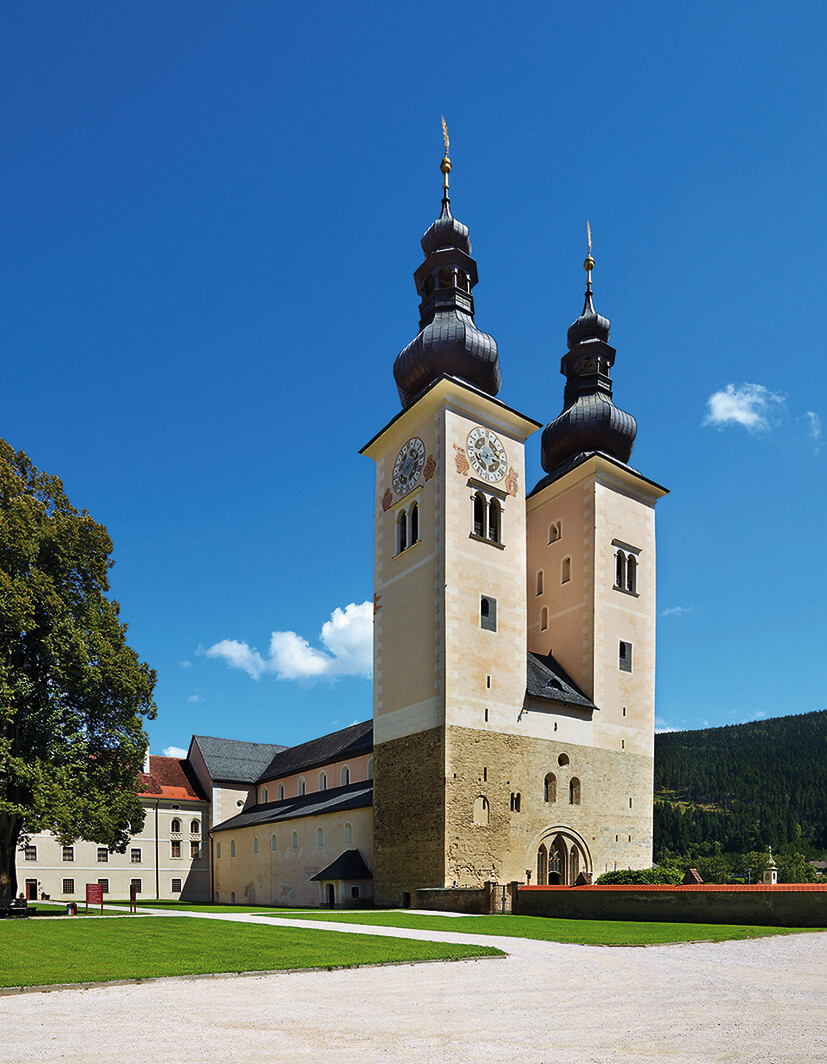
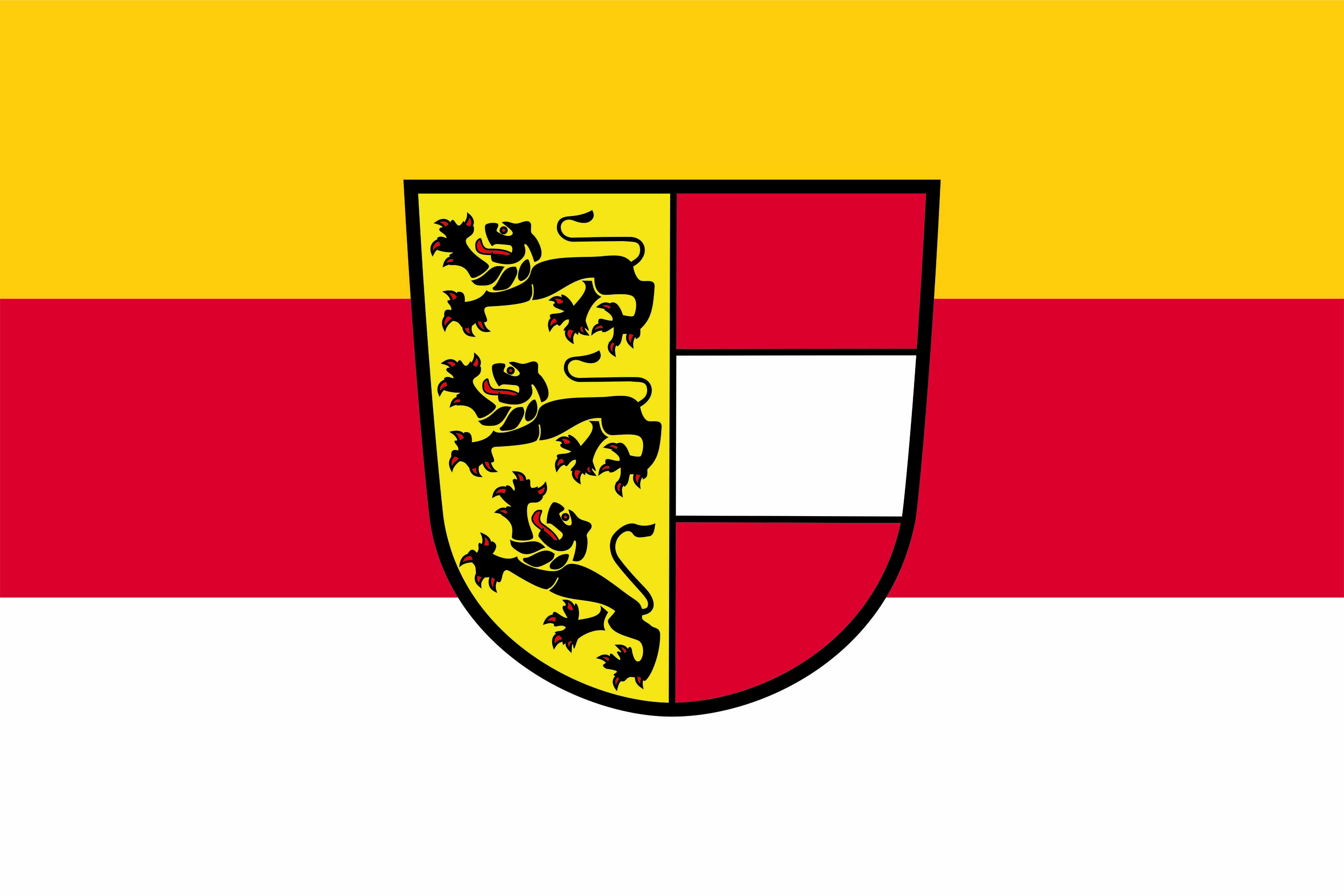 Carinthia
 Literature
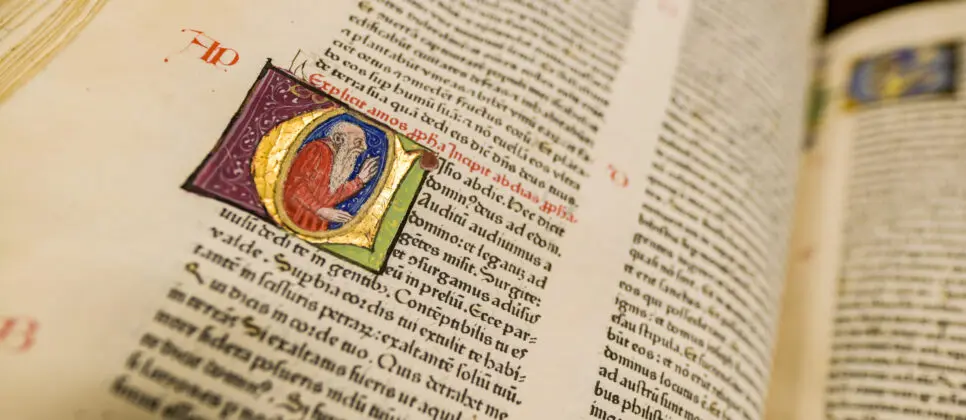
《谷登堡圣经》(德语:Gutenberg-Bibel;英语:Gutenberg Bible)亦称四十二行圣经(英语:42-line Bible,Mazarin Bible 或 B42)指约翰尼斯·谷登堡于1454年到1455年在神圣罗马帝国美茵茨出产的一批印刷版圣经(采用拉丁文武加大译本),是西方第一次以活字印刷术出产重要经典的印刷品,标志着西方图书批量生产的开始。在此之前,欧洲的书籍依靠人力抄写或雕版印刷复制,常需要数月或数年的时间才可完成。谷登堡所发展的活字印刷术,以金属制造的活字字母可重复使用,大量缩短印刷复制所需要的时间,也增加了量产,造成了西方印刷的革命及资讯的普及。
在1455年三月,当时尚未成为教宗的庇护二世在一封信中写道,他在法兰克福看过当时正在展示的谷登堡圣经内页。这是现今能追循最早有关此作品的可信来源。据信中所称,谷登堡圣经总共印出了158或180本。现今的学者考据了现存的残篇认为:谷登堡圣经印刷的数目约在160至185本;其中,约四分之一印在犊皮纸(vellum)上,而其余四分之三则使用印刷用纸。时至今日,全世界仍有49本尚存,包括完整及残篇。它们被认为是世界上最有价值的书籍之一。
据2009年记录显示,现今有49本谷登堡圣经存世,而只有21本完整版本,其余的则有部分书页遗失。另外还有零星书页残存,可能属于其余的16本。大约有12本犊皮纸版本留存,而其中只有四本是完整的,而有一本只剩《新约全书》。
550年前的古腾堡《圣经》平日里难得一见,现在,你可以坐在家里,翻过来掉过去地研读这部稀世珍宝。这一切都要仰仗技术的进步和互联网的发展 古腾堡(Johann Gutenberg)是西方活字印刷的第一人,他印出的第一批书便是拉丁文的《圣经》,时间约在1452年至1455年间。保留到现在的古腾堡《圣经》无 疑已是稀世珍宝,大多数人难得一睹芳容,更谈不上翻开来细读,因为它们不是锁在深不见底的保险库里,便是放在恒温的玻璃箱中,由保安人员24小时看守。 所幸,这是一个数字化的时代,技术的进步改变了空间和时间的概念,令不可能的成为可能。日前,美国的国会图书馆和得克萨斯大学先后将各自珍藏的古腾堡 《圣经》进行了数字化处理,通过光盘或互联网公开展示给学者和普通读者。 “正像约翰·古腾堡通过发明印刷术使人们更容易得到知识一样,此项数字化工程也令其遗产发扬光大,”得州大学兰塞姆中心(Harry Ransom Center)图书馆的馆长理查德·奥拉姆(Richard Oram)7月27日对美联社说。 兰塞姆中心是世界顶尖的文化典籍收藏机构,但此番并非古腾堡《圣经》首次实现数字化,此前,大英图书馆和日本的一家图书馆都已将所藏的古腾堡《圣经》 上网,国会图书馆则在7月中旬发布了光盘版的古腾堡《圣经》。但兰塞姆中心说,他们的这个版本是所有数字化古腾堡《圣经》中最好的,也是可用性最强的。 古腾堡只印出约200部《圣经》,其中48部保存至今,包括20部全本,它们各不相同,因为当时的技工以不同的方法装饰书页。兰塞姆中心的这一本饰以 金叶,共两卷1268页,奥拉姆估什它价值2000万美元。 直到18世纪60年代,这部圣经还为德国南部一家修道院所用,书里有些段落被僧侣们抽出,并以更正过的文字替换。另有些段落,则标注哪些部分该在宗教 仪式上大声朗读。 “我们这一本是世界上最有趣的,”奥拉姆说。 国会图书馆所藏古腾堡《圣经》的数字化版本以两片光盘为存储介质,无需上网,读者可在自己的电脑上阅读,高解析度的图片可将文字放大数倍,并能检索英 文译文中的某一个词,而后点击鼠标,便可加亮显示原版书中相应的拉丁语词汇。 负责这一数字化版本制作的是位于加州伯克利的Octavo公司。值得一提的是,该公司的老板是Adobe公司创始人之一约翰·瓦诺克(John Warnock),Adobe是数字图形软件业的执牛耳者,瓦诺克曾参予开发了该公司的多套著名软件,如Photoshop、Illustrator和 Acrobat Reader。 瓦诺克本人也是一个狂热的古籍收藏家,6年前,他认识到先进的计算机技术可以帮助现代人让稀世古本“重生”之后,便创立了Octavo。 古腾堡《圣经》是Octavo与国会图书馆合作完成的八大古本数字化项目之一。该公司还与另外十数家图书馆合作,包括著名的福尔杰莎士比亚图书馆 (Folger Shake speare Library)和纽约公共图书馆。 技术人员花了4个月的时间,用高解析度相机为国会图书馆的古腾堡《圣经》逐页拍照。普通数码相机的解析度一般为200万到400万像素,但拍摄《圣 经》的相机达到了130百万像素!为使书页保持水平,他们使用了一种特制的支架,照明用的冷金属卤化灯,可以保证《圣经》的犊皮纸表面温度的上升幅度不会 超过一华氏度,每次曝光要用15分钟。
《谷登堡圣经》(Gutenberg Bible,亦称四十二行圣经,即42-line Bible,此外还有Mazarin Bible或B42)是西方第一本以活字印刷术出产成印刷品的主要书籍。由约翰尼斯·谷登堡于1454年到1455年在德意志美茵茨出产。在此之前,书籍的复制,使用的是人力的抄写,或是木制的雕版印刷。这类的复制或印刷的技术,都常需要数月或数年的时间才可完成。谷登堡所发展的活字印刷术,以金属制造的活字字母可重复使用,大量缩短了印刷复制所需要的时间,也增加了量产的数量,造成了西方印刷的革命及资讯的普及。这版《圣经》是使用的是著名的武加大译本,它的产生标志着西方图书批量生产的开始。
在1455年三月,当时尚未成为教宗的庇护二世在一封信中写道,他在法兰克福看过当时正在展示的谷登堡圣经内页。这是现今能追循最早有关此作品的可信来源。据信中所称,谷登堡圣经总共印出了158或180本。现今的学者考据了现存的残篇认为:谷登堡圣经印刷的数目约在160至185本;其中,约四分之一印在犊皮纸(vellum)上,而其余四分之三则使用印刷用纸。时至今日,全世界仍有49本尚存,包括完整及残篇。它们被认为是世界上最有价值的书籍之一。
Die Gutenberg-Bibel, aufgrund der Zeilenanzahl von 42 Zeilen pro Seite auch „B42“ oder „B-42“ genannt, ist das erste mit beweglichen Lettern gedruckte Buch der westlichen Welt. Die lateinische Bibel entstand zwischen 1452 und 1454 in der Druckerwerkstatt von Johannes Gutenberg in Mainz. Mit Hilfe des Angestellten Peter Schöffer, des Geldgebers Johannes Fust und etwa 20 weiterer Mitarbeiter entstanden ca. 180 Exemplare. Neben den ca. 150 auf Papier gedruckten Bibeln gab es etwa 30 Ausgaben auf Pergament.[1] Die Gestaltung der Schrifttypen und des Drucks hält sich sehr eng an das Erscheinungsbild zeitgenössischer Handschriften. Aufgrund ihrer historischen Bedeutung und ästhetischen Qualität gilt die 42-zeilige Bibel als das wichtigste und wertvollste Buch der Druckgeschichte.

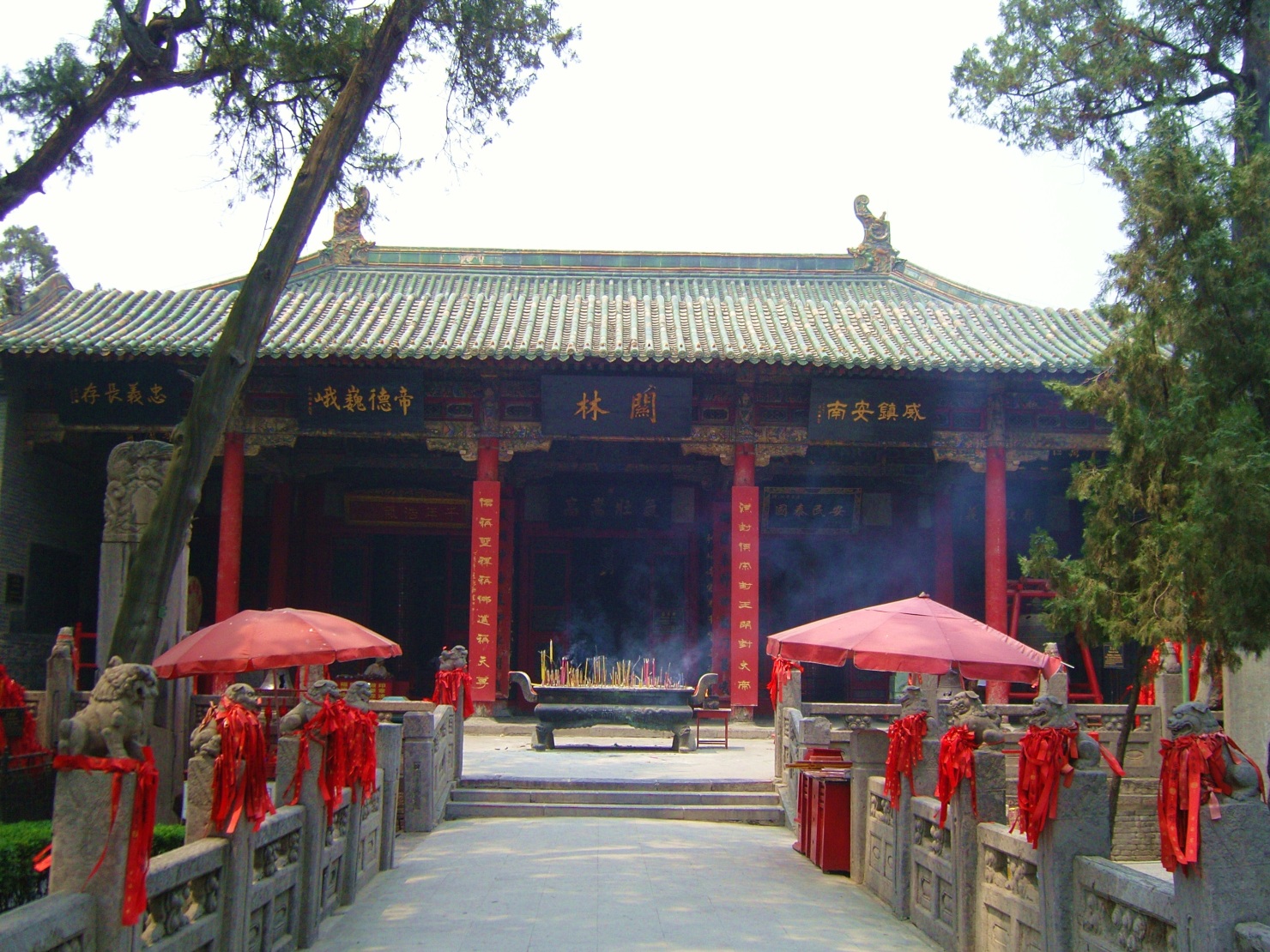
Unter dem Begriff Guanlin werden gewöhnlich der sogenannte „Wald des Guan“ (chinesisch 關林 / 关林 Guānlín) – das heißt die Grabstätte Guan Yus – und der dort befindliche Guanlin-Tempel – ein dem Guan Yu geweihter Tempel – zusammengefasst. Sie befinden sich in der Großgemeinde Guanlin (关林镇) des Stadtbezirks Luolong von Luoyang in der chinesischen Provinz Henan, ca. 7 km von der Altstadt von Luoyang entfernt. Der in der Zeit der Ming-Dynastie errichtete Tempel ist Guan Yu[3] geweiht, dem Helden aus der Zeit der Drei Reiche und getreuen General von Liu Bei, dem Begründer des Shu Han-Reiches. Er war von General Lü Meng der Wu-Dynastie (während der Zeit der Drei Reiche) besiegt und hingerichtet worden. Sein abgeschlagener Kopf wurde an Cao Cao der Wei gesandt, aber Cao Cao ließ den Kopf in allen Ehren an dem (späteren) Tempel begraben. Der Tempel wurde in der Wanli-Ära der Ming-Dynastie errichtet und in der Zeit der Qing-Dynastie erweitert. Die Stätte Guanlin (Guanlin) steht seit 2006 auf der Liste der Denkmäler der Volksrepublik China (6–639). Neben dem Guanling-Mausoleum (in Dangyang, Provinz Hubei) und dem Guandi-Tempel von Xiezhou (Provinz Shanxi) ist der Guanlin-Tempel (Grab) einer drei großen Guan-Yu-Tempel Chinas.