
Deutsch-Chinesische Enzyklopädie, 德汉百科
 Music
Music

 Hamburg
 Vacation and Travel

 Performing Arts

 Bavaria

 Architecture

 Music charts
 World Heritage

木卡姆(阿拉伯语:مقام;英文maqam)是一种音乐调式,广泛流传于中亚地区,在各地有不同的变化。在中国,木卡姆通常指的是新疆地区的维吾尔木卡姆。维吾尔木卡姆是维吾尔诗歌的音乐表达形式,共有十二套大曲,故又称十二木卡姆。
十二套分别為:拉克Rak、且比亚特Čäbbiyat、斯尕Segah、恰尔尕Čahargah、潘尔尕Pänjigah、乌孜哈勒Özhal、艾且Äjäm、乌夏克Uššaq、巴雅提Bayat、纳瓦Nava、木夏吾莱克Mušavräk、依拉克Iraq。
Maqam, arabisch مقام, DMG maqām ‚Standort‘, wörtl. „Ort, auf dem etwas errichtet ist“,[1] Plural Maqamen, Maqame, arabischer Plural Maqamat (مقامات, DMG maqāmāt), davon abgeleitet türkisch makam, Plural makamlar, ist die in der arabischen und türkischen, aber auch in der persischen Kunstmusik[2] benutzte Bezeichnung für den Modus eines Musikstückes.
マカーム(maqām, مقام。複数形はマカーマート maqāmāt)はアラビア語で「留まるところ」を意味し、「場所」「壇」「地位」などの意味で使われる普通名詞だが、中近東の音楽では特に音楽理論用語として使われ、「旋法の体系、システム」を意味する語である。
Arabic maqam (Arabic: مقام, romanized: maqām, literally "rank"; pl. مقامات maqāmāt) is the system of melodic modes used in traditional Arabic music, which is mainly melodic. The word maqam in Arabic means place, location or position. The Arabic maqam is a melody type. It is "a technique of improvisation" that defines the pitches, patterns, and development of a piece of music and which is "unique to Arabian art music".[1] There are seventy two heptatonic tone rows or scales of maqamat.[1] These are constructed from major, neutral, and minor seconds.[1] Each maqam is built on a scale, and carries a tradition that defines its habitual phrases, important notes, melodic development and modulation. Both compositions and improvisations in traditional Arabic music are based on the maqam system. Maqamat can be realized with either vocal or instrumental music, and do not include a rhythmic component.
An essential factor in performance is that each maqam describes the "tonal-spatial factor" or set of musical notes and the relationships between them, including traditional patterns and development of melody, while the "rhythmic-temporal component" is "subjected to no definite organization".[2] A maqam does not have an "established, regularly recurring bar scheme nor an unchanging meter. A certain rhythm does sometimes identify the style of a performer, but this is dependent upon their performance technique and is never characteristic of the maqam as such."[2] The compositional or rather precompositional aspect of the maqam is the tonal-spatial organization including the number of tone levels and the improvisational aspect is the construction of the rhythmic-temporal scheme.[2]
Le maqâm (arabe : مقام) — en turc makam, en azéri mougham, en ouzbek maqôm, en ouïghour mouqâm — est à la fois un système musical général et ses applications particulières.
Le mot maqâm signifiait le lieu où se jouait la musique ; par la suite, il désigna la modalité au Machrek. Maqâm signifie littéralement « station », d'une échelle mélodique en l'occurrence. Il a aussi le sens de « rang élevé » et désigne un modèle transcendant1.
Avant l'adoption du terme maqâm, on utilisait dans les régions arabophones diverses appellations : saout (صوت) qui veut dire voix ou son, naghma (نغمة) qui veut dire mélodie ou tab'e (طبع) qui veut dire "nature" dans le sens de caractère. Comme pour les râgas dans la musique indienne, les maqâmât sont associés aux 4 éléments, au jour et à la nuit et avaient chacun un caractère.
Il s'agit d'une organisation des échelles mélodiques2. À la différence du système des « gammes » (majeures, mineures...) telles qu'on les conçoit et les utilise en Occident, le maqâm est plus qu'un système d'intervalles ; il organise les intervalles entre chaque note ainsi que les cheminements à l'intérieur de cette « échelle » modale, et ce sur plusieurs octaves, généralement deux. Sur ce point, le maqâm se rapproche beaucoup du système des râgas dans la musique classique indienne.
S'il est virtuellement possible d'imaginer une infinité de déclinaisons sur ce principe, notamment en combinant les maqâmât entre eux pour créer des « sous-maqâmât », quelques dizaines seulement sont couramment utilisées et ont acquis une véritable légitimité. Il s'agit là du deuxième sens du maqâm, qui correspond à la définition d'intervalles et de parcours mélodiques singuliers, obéissant à des règles mathématiques et esthétiques. Nous pouvons alors désigner chaque système d'intervalles et de parcours par un nom qui lui est propre et s'y réfère : Hijaz, Husseinî, Bayati...
De nombreux maqâms possèdent des intervalles avoisinant le 3/4 de ton, à la différence des échelles occidentales « tempérées » (où les divisions sont également espacées sur la base de 12 intervalles par octave). Concrètement, cela reviendrait à définir un intervalle supplémentaire entre le si et le do par exemple, en plaçant une nouvelle note : le si ouj. Nous pourrions alors jouer cet intervalle (et cette note) et obtenir une « couleur » particulière correspondant à l'une de grandes « familles » de maqâm.
Il maqam arabo (in arabo: مقام, maqām, letteralmente "luogo"; plurale مقامات tradotto: maqāmāt) è il sistema di modalità melodiche utilizzato nella musica araba tradizionale, che è principalmente melodica. La parola maqam in arabo significa luogo, collocazione o posizione. Il maqam arabo è un tipo di melodia. È "una tecnica di improvvisazione" che definisce i toni, i modelli e lo sviluppo di un brano musicale e che è "unico per la musica araba".[1] Ci sono settantadue righe di toni eptatonici o scale di maqamat.[1] Questi sono costruiti da secondi maggiori, neutri e minori. Ogni maqam è costruito su una scala e porta una tradizione che definisce le sue frasi abituali, le note importanti, lo sviluppo melodico e la modulazione. Sia le composizioni che le improvvisazioni nella musica araba tradizionale si basano sul sistema maqam. I maqamat possono essere realizzati con musica vocale o strumentale e non prevede una componente ritmica.
Un fattore essenziale nell'esecuzione è che ogni maqam descrive il "fattore tonale-spaziale" o insieme di note musicali e le relazioni tra di esse, compresi i modelli tradizionali e lo sviluppo della melodia, mentre la "componente ritmico-temporale" non è soggetta a nessuna organizzazione definita".[2] Un maqam non ha "uno schema di battute stabilito e periodicamente ricorrente né un metro immutabile. Un certo ritmo a volte identifica lo stile di un artista, ma questo dipende dalla sua tecnica di esecuzione e non è mai una caratteristica del maqam in quanto tale".[2] L'aspetto compositivo o piuttosto precomposizionale del maqam è l'organizzazione tonale-spaziale che comprende il numero di livelli di tono e l'aspetto improvvisativo è la costruzione dello schema ritmico-temporale.[2]
El maqam arábico (en árabe: maqām, مقام; -- pl. maqāmāt مقامات o maqams; en español: rango) es el sistema de modos melódicos usado en la música árabe tradicional.
El maqam arábico es un tipo de melodía y una herramienta de improvisación que define alturas, patrones y desarrollo de una pieza de música, los cuales serán únicos a la "música culta" árabe.
Мака́м (араб. مقام, транслит. maqām, букв. стоянка, место стоянки, мн. ч. араб. مقامات транслит. maqāmāt; тюрк. makam, мн. ч. makamlar) — в арабской и турецкой традиционной (профессиональной) музыке многозначный термин, обозначающий (1) ладовый звукоряд, (2) модально-монодический лад в совокупности всех его категорий и функций, (3) целостную текстомузыкальную композицию, включающую не только конкретные приёмы техники композиции (центонизацию, орнаментальное варьирование, импровизацию, ритмическое варьирование и т. д.), но также коннотации музыкального жанра.

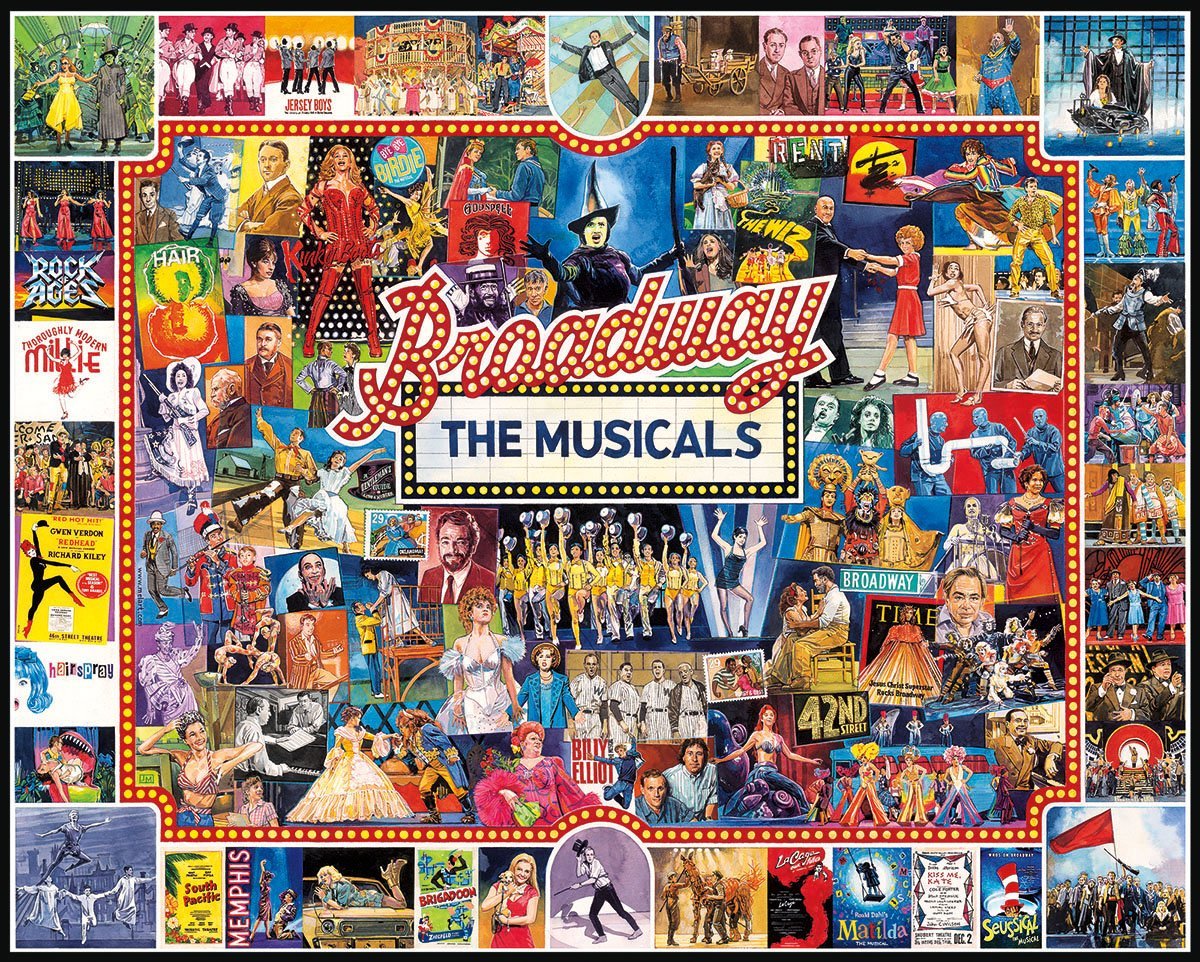
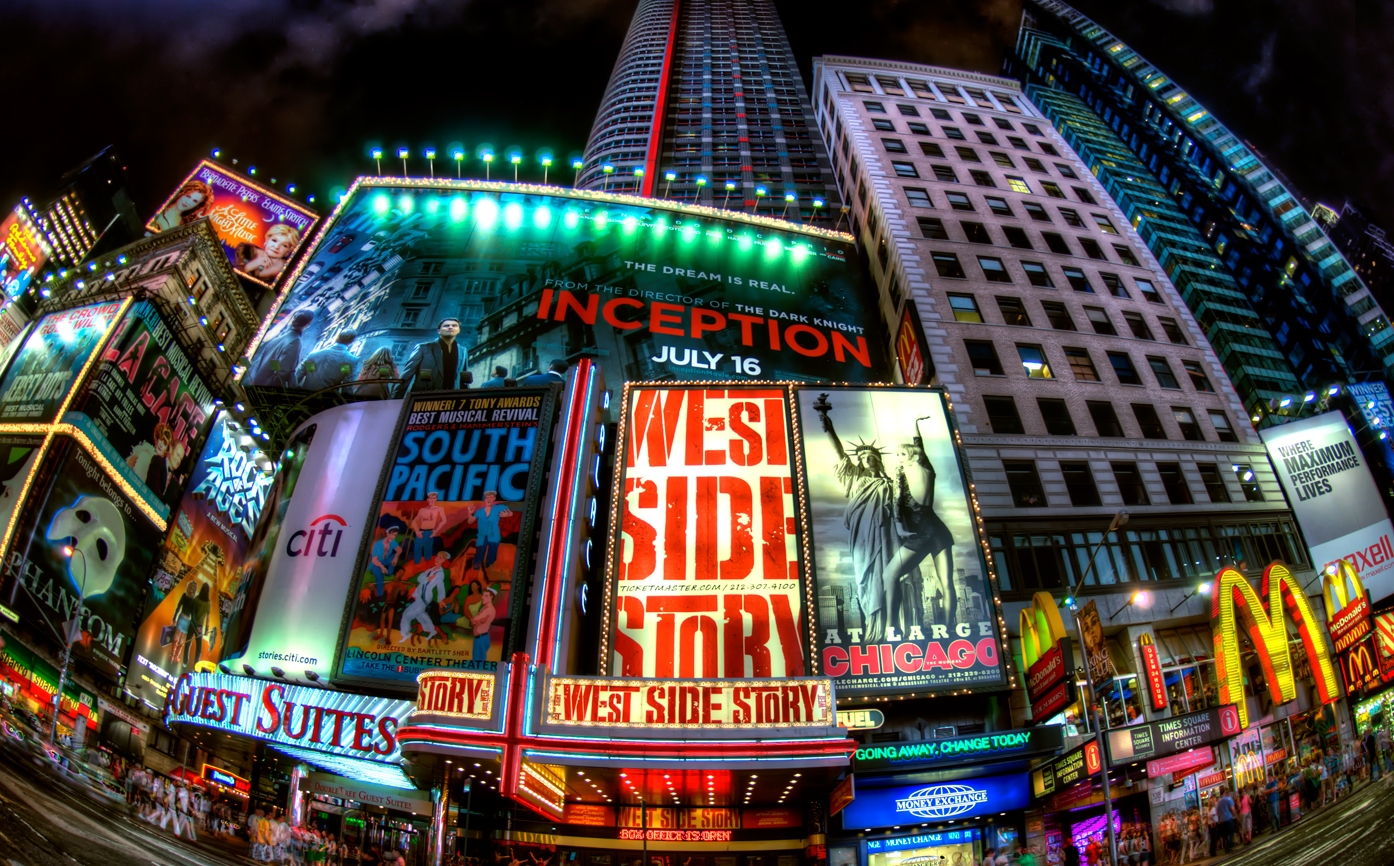
音乐剧(英语:Musical theater,简称Musicals),早期译称为歌舞剧,是音乐、歌曲、舞蹈、戏剧、杂耍、特技和综艺结合的一种音乐表演。它以幽默、讽刺、感伤、爱情、愤怒等情感引发剧情,再通过演员的语言、音乐、动作以及固定的演绎传达给观众。虽然音乐剧和歌剧、舞剧、话剧等舞台表演形式有相似之处,但它的独特之处在于:它对歌曲、对白、肢体动作、表演等等因素给予同样的重视。一些著名的音乐剧包括:奥克拉荷马、音乐之声、西区故事、悲惨世界、猫以及歌剧魅影等。
音乐剧在全世界各地都有上演,但演出最频密的地方是美国纽约市的百老汇和英国的伦敦西区。因此百老汇音乐剧这个称谓可以指在百老汇地区上演的音乐剧,又往往可是泛指所有近似百老汇风格的音乐剧。而习惯上称呼为音乐剧的戏剧,多是指西方音乐剧。
Das Musical [ˈmju:zikəl][1] ist eine in der Regel zweiaktige Form populären Musiktheaters, die Gesang, Tanz, Schauspiel und Musik in einem durchgängigen Handlungsrahmen verbindet. Die Geschichte des modernen Musicals begann im New York der 1920er Jahre, fand jedoch neben dem New Yorker Broadway auch rasch Verbreitung im Londoner West End, die noch heute beide als Metropolen des Musicals gelten. Ausgehend von diesen Zentren, hat das Musical weltweite Verbreitung gefunden. Neben der temporären Aufnahme in Spielpläne zahlreicher großer wie kleiner Theater haben sich auch außerhalb New Yorks und Londons in vielen Städten reine Musical-Theater etabliert, die ausschließlich Musicals als meist längere und aufwendig gestaltete Produktionen (sog. En-suite-Produktionen) zeigen. Auch Tournee-Produktionen diverser Musicals sind häufig zu finden. Trotz der weltweiten Verbreitung dominieren noch heute Musicals US-amerikanischen oder britischen Ursprungs, wobei es jedoch auch erfolgreiche Musicals anderer Herkunft gibt. Aufgrund des großen Erfolgs sind viele Musicals auch verfilmt worden.
Thematisch wird eine breite Fülle von tragischen als auch humorvollen Stoffen behandelt, die zu unterschiedlichsten Zeiten und an unterschiedlichsten Orten spielen. Auch für gesellschaftlich oder politisch sensible Themen hat sich das Musical stets offen gezeigt. Viele Musicals basieren dabei auf literarischen Vorlagen verschiedener Gattungen und Epochen. Auch musikalisch ist ein breites Spektrum stilistischer Einflüsse erkennbar: von Popmusik, Tanz- und Unterhaltungsmusik bis zu Jazz, Swing, Soul und Rock ’n’ Roll, um nur einige zu nennen. Gattungsgeschichtlich haben Elemente des Dramas, der Komödie, der Revue, der Operette, des Varietés und der Oper Einfluss auf die Entwicklung des Musicals genommen. Das Musical ist ein Gesamtkunstwerk und ist sowohl eine literarische als auch eine musiktheatralische Gattung.
ミュージカルは、音楽、歌、台詞およびダンスを結合させた演劇形式。ユーモア、ペーソス、愛、怒りといったさまざまな感情的要素と物語を組み合わせ、全体として言葉、音楽、動き、その他エンターテイメントの各種技術を統合したものである。ミュージカル・シアター(演劇)の略語で、ミュージカル・プレイ、ミュージカル・コメディ、ミュージカル・レビューの総称である。
ミュージカルは、通常の演劇(ストレートプレイ)の中に演出として劇中歌が入っているものとは異なる。トレヴァー・ナンは「歌詞の言葉は誇張されている。だが、単純な朗唱か歌唱では、単純でつまらなくなる〜パフォーマーは歌詞やメロディを自分たちが創造していると感じるところまで行き着くべきだ」[1]と言っているように、単純に歌、台詞、踊りが含まれているだけの劇をミュージカルとは呼ばない。芝居、歌、ダンスがそれぞれ独立したものでなく、一体となって劇的効果を高めているのがミュージカルの特徴である。
ミュージカルは、全編を通じて一貫したストーリーが進行するブックミュージカルと、ストーリーが無いブックレスミュージカル(またはコンセプトミュージカル)に大別できる。通常ミュージカルと言えば、ブック・ミュージカルを指すことが多い。ブック・ミュージカルの代表作として、『マイ・フェア・レディ』、『サウンド・オブ・ミュージック』、『オペラ座の怪人』などが挙げられる。また、ブックレス・ミュージカルの代表例としては『CATS』や『コーラスライン』などがある。
ミュージカルは、映画、テレビ、テーマパークにおけるアトラクションなど舞台以外のメディア上でも展開されることが大きな特徴の一つである。比較的新しい演劇形式である為、その方向性やスタイル、音楽においては、定まった形式が決まっておらず、聾唖者の手話やパペットを取り入れるなど、前衛的な試みがいつも行われている。また、ミュージカルという演劇形式そのものに自己言及する傾向があるのも大きな特徴である。いわゆるバックステージものと呼ばれる作品がミュージカルには多い。
ミュージカルは上演形式としては一幕または二幕からなる場合が多い。ダンス・歌唱・楽曲の各要素の比率や構成には特に定まった形式はなく、レビューのように踊り中心のものから、ストレート・プレイに近いものまで、さまざまな形式の作品がある。台詞や歌のないダンスのみで構成された作品や、サーカスのような他の作品との融合、シェイクスピアなどの古典劇のミュージカル化など、様々な形式のミュージカルがある。
舞台で上演するほかに、映画としても数多くのミュージカル作品がある。たとえば『サウンド・オブ・ミュージック』、『南太平洋』、『踊る大紐育』が代表的な例であり、主としてメトロ・ゴールドウィン・メイヤー・スタジオが製作を手がけた。またディズニーも長編アニメーションでミュージカル作品を多数制作しており、実写とアニメーションを合成した『メリー・ポピンズ』のような異色作も生み出している。これらのミュージカル映画には舞台作品を映画化したものと、映画のためにオリジナルの作品を新たに作るものとの二種類がある。逆に有名な映画作品を舞台ミュージカル化する例も多く見られる。代表的な作品に『フェーム』、『ヘアスプレー』、『スクール・オブ・ロック』や、『カビリアの夜』のミュージカル化『スイート・チャリティー』などが挙げられる。
また、最近では、既存のヒット曲をつないでミュージカル化した、いわゆるジュークボックス・ミュージカルという形式も流行していて、『マンマ・ミーア!』(ABBA)や『ウィ・ウィル・ロック・ユー』(クイーン)、『ジャージー・ボーイズ』(フランキー・ヴァリ&フォー・シーズンズ)、『ムーヴィン・アウト』Movin' Out(ビリー・ジョエル )、『Beautiful: The Carole King Musical』(キャロル・キング)、80'sロックのヒット曲で構成した『ロック・オブ・エイジズ』などが代表的である。
その他、コンピューターゲームの分野においても『マール王国の人形姫』シリーズの様に、ミュージカルの要素を取り入れた作品が試みられている[2][3]。
Musical theatre is a form of theatrical performance that combines songs, spoken dialogue, acting and dance. The story and emotional content of a musical – humor, pathos, love, anger – are communicated through the words, music, movement and technical aspects of the entertainment as an integrated whole. Although musical theatre overlaps with other theatrical forms like opera and dance, it may be distinguished by the equal importance given to the music as compared with the dialogue, movement and other elements. Since the early 20th century, musical theatre stage works have generally been called, simply, musicals.
Although music has been a part of dramatic presentations since ancient times, modern Western musical theatre emerged during the 19th century, with many structural elements established by the works of Gilbert and Sullivan in Britain and those of Harrigan and Hart in America. These were followed by the numerous Edwardian musical comedies and the musical theatre works of American creators like George M. Cohan at the turn of the 20th century. The Princess Theatre musicals (1915–1918) and other smart shows like Of Thee I Sing (1931) were artistic steps forward beyond revues and other frothy entertainments of the early 20th century and led to such groundbreaking works as Show Boat (1927) and Oklahoma! (1943). Some of the most famous musicals through the decades that followed include West Side Story (1957), The Fantasticks (1960), Hair (1967), A Chorus Line (1975), Les Misérables (1985), The Phantom of the Opera (1986), Rent (1996), The Producers (2001), Wicked (2003) and Hamilton (2015).
Musicals are performed around the world. They may be presented in large venues, such as big-budget Broadway or West End productions in New York City or London. Alternatively, musicals may be staged in smaller fringe theatre, Off-Broadway, Off-Off-Broadway, or regional theatre productions, or on tour. Musicals are often presented by amateur and school groups in churches, schools and other performance spaces. In addition to the United States and Britain, there are vibrant musical theatre scenes in continental Europe, Asia, Australasia, Canada and Latin America.
La comédie musicale est un genre théâtral, mêlant comédie, chant et danse.
Apparue au tout début du XXe siècle, elle se situe dans la lignée du mariage du théâtre et de la musique classique qui avait donné naissance aux siècles précédents au ballet, à l'opéra, à l'opéra-bouffe et à l'opérette. Elle s'est particulièrement développée aux États-Unis, se dissociant à partir des années 1910 du genre classique par l'intégration de musiques « nouvelles » comme le jazz. De fait, le terme évoque de nos jours principalement les États-Unis et plus spécialement Broadway.
Comme pour le terme « opéra-comique », l'emploi du mot « comédie » est à prendre au sens large : en effet, les thèmes de la comédie musicale peuvent être légers ou tragiques. Ainsi West Side Story, inspiré du drame de Shakespeare Roméo et Juliette, ne peut être considéré comme une pièce « comique ». C'est pourquoi les appellations de théâtre musical ou spectacle musical sont depuis une vingtaine d'années préférés, ainsi que le mot musical1, principalement pour les productions anglo-saxonnes.
Le terme désigne également par extension dans le langage courant un film musical. Les mondes de la comédie musicale et du film musical sont en effet intimement liés : de nombreuses comédies musicales ont été adaptées au cinéma dès l'arrivée du cinéma parlant. Il arrive, plus rarement, qu'un film musical fasse l'objet d'une adaptation scénique, comme State Fair (1945) adapté pour la scène en 1992, Mary Poppins (1964), Chitty Chitty Bang Bang (1968), Victor Victoria (1982), ou encore les longs métrages d'animation des studios Disney, La Belle et la Bête, Le Roi lion, La Petite Sirène, Tarzan et Aladdin. Enfin certains films non musicaux peuvent également faire l'objet d'adaptations comme Billy Elliot (2000).
Il musical è un genere di rappresentazione teatrale e cinematografica, nato e sviluppatosi negli USA tra l'800 ed il '900. Un suo corrispondente in Italia è la commedia musicale, con cui condivide l'uso di più tecniche espressive e comunicative insieme. L'azione viene portata avanti sulla scena non solo dalla recitazione, ma anche dalla musica, dal canto e dalla danza che fluiscono in modo spontaneo e naturale.
Un musical es un género de musica en el que la acción se desenvuelve con secciones cantadas y/o bailadas. Es una forma de teatro que combina la música, canciones, diálogo y baile, y que suele representarse en grandes escenarios, tal como los teatros de West End de Londres o Broadway, en Nueva York, principales sedes del teatro musical, seguidos de Argentina, Australia, Canadá, España, Brasil y México.
El origen de esta palabra es española,(música), artículo en el Diccionario de la lengua española de la Real Academia Española. A lo largo del siglo XX tuvo un inmenso éxito.
Мю́зикл (англ. Musical) — музыкально-театральный сценический жанр, произведение и представление, сочетающее в себе музыкальное, драматическое, хореографическое и оперное искусства. Несмотря на то, что английский термин «мюзикл» является сокращением от «музыкальной комедии», он может представлять собой также трагедию, фарс или драму[1].
Ввиду большого жанрового сходства с опереттой, мюзикл как отдельный жанр театрального искусства долгое время не признавался, однако на протяжении своего существования он сформировал свои особенности, которые отличают его от других жанров.
 Bremen
